A buyer-focused review of Five Park Miami Beach, covering location fit, views, park adjacency, amenity costs, resilience, and reservation diligence before committing.
Five Park Miami Beach requires a buyer review that goes beyond a broad reaction to architecture, amenities, or lifestyle language. The key question is whether a specific residence, at a specific elevation and orientation, matches the way the buyer intends to live.
That review should start with practical daily-use issues: arrival experience, exposure, privacy, view quality, terrace usability, sound, and carrying costs. Park adjacency can be a meaningful lifestyle advantage, but it should be evaluated as part of the daily setting rather than treated only as a marketing benefit.
For buyers comparing Five Park Miami Beach with other Miami Beach options, the reservation decision should be residence-specific. A strong stack, efficient floor plan, and useful amenity access may justify a premium, while a less compelling exposure can change the value equation materially.
Miami Beach buyers should first decide whether Five Park’s setting fits their lifestyle. Some owners prioritize quick movement between the beach, the mainland, cultural venues, dining, and airports. Others prefer a quieter, more insulated residential rhythm.
The best diligence is in person and time-specific. Buyers should visit the surrounding area during different traffic periods, including weekday commute windows and busy weekends. A location that feels calm during a presentation may feel different during peak activity.
Within Miami Beach, alternatives such as The Perigon Miami Beach may appeal to buyers focused on a different residential rhythm. The goal is not to declare one address universally better, but to identify the setting that best supports the buyer’s daily pattern.
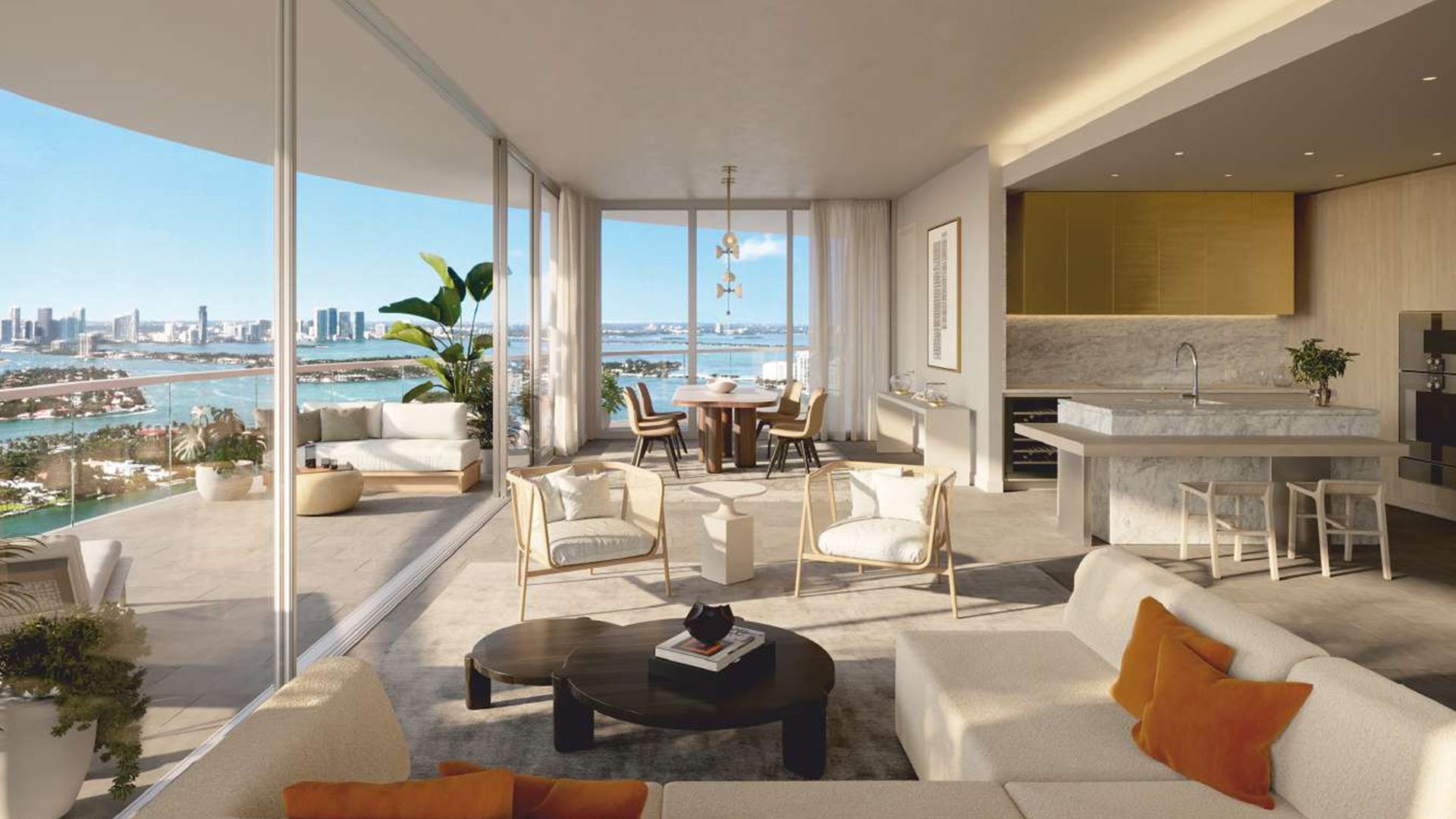
View analysis should be granular. Buyers should avoid relying on broad labels such as park view, bay view, or city view without confirming what the selected residence actually sees from the rooms that matter most.
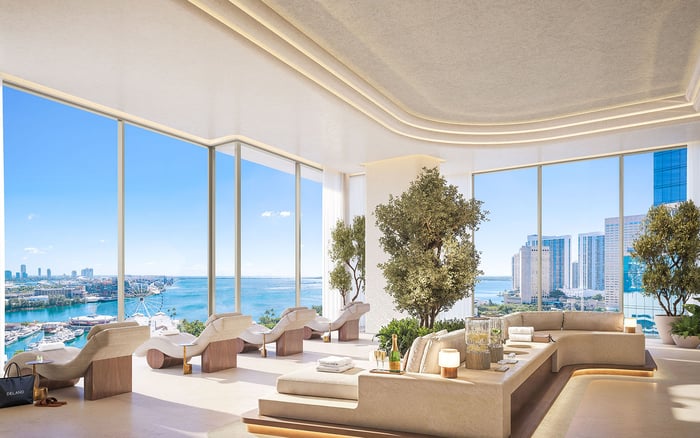
The review should be room by room. Where does the primary bedroom face? What does the living area frame? Is the view meaningful from seated eye level, or only from the terrace edge? Does the kitchen participate in the outlook, or is the strongest view concentrated in formal spaces?
Floor height deserves equal attention. Lower residences may feel more connected to the surrounding public realm, while higher residences may offer a greater sense of openness. Each elevation can also affect sound, privacy, wind, light, and the perceived relationship to nearby activity.
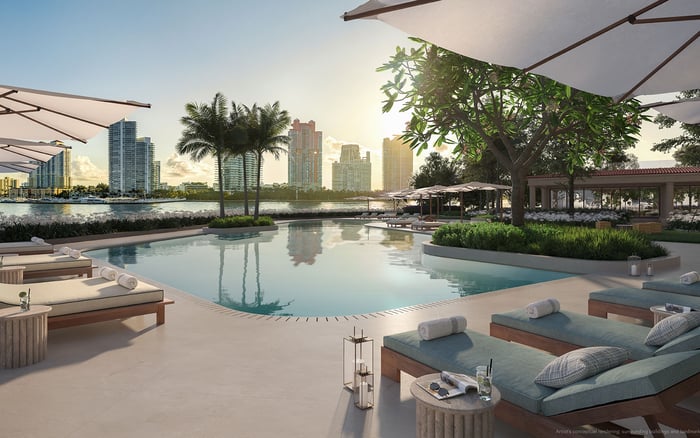
A park-adjacent setting can add everyday value by creating a greener foreground, improving walkability, and giving the building a more open relationship to its surroundings. For some buyers, that will be central to the appeal.
Still, a park should be evaluated as a neighbor. Buyers should consider pedestrian movement, lighting, dog walking, weekend activity, views into and out of the residence, and the way public space may affect the feeling of privacy.
The right residence may balance greenery, openness, and convenience. Another buyer may prefer more height, distance, or a different orientation. The reservation process should clarify that preference before a commitment is made.
Luxury amenities can be a major part of the value equation when they support wellness, hosting, privacy, convenience, and service. The important diligence question is how those amenities are funded, staffed, reserved, and used.
Buyers should request a complete breakdown of anticipated association costs, including amenities, staffing, reserves, insurance, maintenance, and shared facilities. If any private-access or club-style component is presented, buyers should confirm what is included, what may require separate fees, and how guest privileges or usage rules may affect daily use.
This is especially important before reserving because the lifestyle promise and the recurring cost structure must be evaluated together. A residence with a lower purchase price but higher recurring costs may not be as efficient as it first appears.
Noise diligence should be part of the early review. Sound conditions can vary by elevation, exposure, terrace design, glazing, and proximity to traffic patterns. Buyers should ask what information is available and, when possible, spend time nearby at multiple points in the day.
Long-term resilience should receive the same seriousness. Miami Beach buyers should review flood risk, storm exposure, insurance assumptions, building systems, and shared infrastructure with qualified advisors before reserving.
Infrastructure and circulation around any urban Miami Beach setting can also evolve. Buyers should understand how future access, construction, traffic, and public-realm changes could affect the ownership experience.
Before committing to a reservation or contract, buyers should compare the selected Five Park residence against relevant Miami Beach alternatives. The comparison should include exposure, floor height, floor plan efficiency, amenity access, likely carrying costs, and resale positioning.
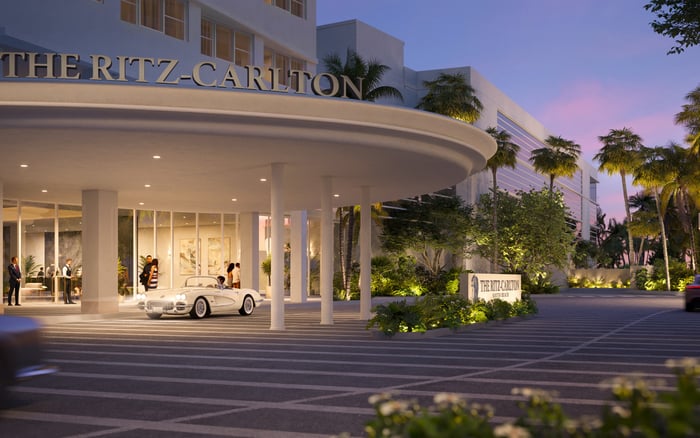
For buyers drawn to hospitality-influenced living, Shore Club Private Collections Miami Beach may frame a different kind of coastal prestige. For those seeking a branded residential environment, The Ritz-Carlton Residences® Miami Beach offers another lens on service, privacy, and established Miami Beach appeal.
Five Park’s appeal depends on how well its specific residence attributes align with the buyer’s priorities. Sophisticated buyers should welcome the complexity, then price each variable carefully.
The most important questions are practical. Which stack best matches the buyer’s lifestyle? Which exposure provides the best balance of outlook, privacy, and sound control? How does the floor plan convert total area into genuinely useful living space? What is included in amenity or private-access use? How sensitive are carrying costs to staffing, insurance, maintenance, and reserves?
A buyer should also review reservation and contract terms with qualified counsel, including timing, deposits, contingencies, cancellation rights, and any changes that may occur between reservation and final contract. The goal is not to slow the process unnecessarily; it is to ensure the commitment reflects the real residence, not only the projected lifestyle.
For the right buyer, Five Park Miami Beach may deliver a compelling blend of high-rise living, park adjacency, and Miami Beach access. The best reservation decision will be made after the view, noise, cost, and resilience questions have been answered with precision.
Where is Five Park Miami Beach? Five Park Miami Beach is in Miami Beach, and buyers should evaluate its setting based on their daily access, privacy, and lifestyle priorities.
Why should buyers review the exact stack before reserving? Stack selection can affect views, light, privacy, terrace use, and perceived noise, so broad building-level impressions are not enough.
Should buyers rely on view descriptions in marketing materials? No. Buyers should confirm the actual outlook from the selected residence and from the rooms they will use most often.
How should park adjacency be evaluated? Buyers should consider greenery, walkability, pedestrian movement, lighting, privacy, and weekend activity before treating park adjacency as a pure benefit.
Why does floor height matter? Floor height can change the feeling of openness, sound, light, wind, and connection to surrounding activity.
What should buyers ask about amenities? They should request details on included amenities, staffing, operating costs, reserves, insurance, and any usage rules that affect daily living.
Is private access or club-style use automatically clear at reservation? Buyers should confirm what is included, what may cost extra, and whether guest or reservation rules affect how they intend to use the property.
How should noise be reviewed? Noise should be considered by exposure, elevation, terrace design, glazing, and nearby traffic patterns at different times of day.
What resilience issues should Miami Beach buyers review? Buyers should examine flood risk, storm exposure, insurance assumptions, building systems, and shared infrastructure with qualified advisors.
What is the best way to shortlist comparable options for touring? Start with location fit, delivery status, and daily lifestyle priorities, then compare stacks and elevations to validate views and privacy.
If you'd like a private walkthrough and a curated shortlist, connect with MILLION.
If branded residences are on your mind — as a home or as an allocation — we would be glad to share what we are seeing, privately.
Begin a quiet conversation