A discreet guide for Chicago buyers evaluating a seasonal pied-à-terre in Coral Gables, with emphasis on location fit, lock-and-leave service, privacy, ownership planning, and long-term livability.
For a Chicago owner considering a South Florida pied-à-terre, Coral Gables offers a distinctive kind of escape: not a resort gesture, not a skyline trophy, but a composed residential base with architectural character, mature landscaping, and a daily rhythm that feels both polished and private. The strongest purchase is less about novelty and more about choosing a residence that functions beautifully when you are there and remains quietly managed when you are not.
This is where Coral Gables distinguishes itself for the seasonal buyer. It suits owners who prefer established streets, gracious arrivals, thoughtful dining nearby, and a home that can support both unplanned weekends and longer winter stays. The city is best understood as a lifestyle decision first and an asset decision second, because the right pied-à-terre should reduce friction across travel, upkeep, guest use, and personal routines.
Before comparing buildings, define how the residence will be used. A couple visiting for long weekends needs a different plan than a family hosting adult children, friends, or grandchildren. A buyer who expects to work remotely will weigh quiet rooms, natural light, and building services differently than one who sees the home primarily as a leisure address.
The phrase second home can imply occasional use, but the practical demands are often sophisticated. Seasonal owners need secure package handling, reliable vendor access, convenient parking, climate-conscious storage, and a management plan for the months between visits. A beautiful floor plan loses appeal if every arrival requires troubleshooting.
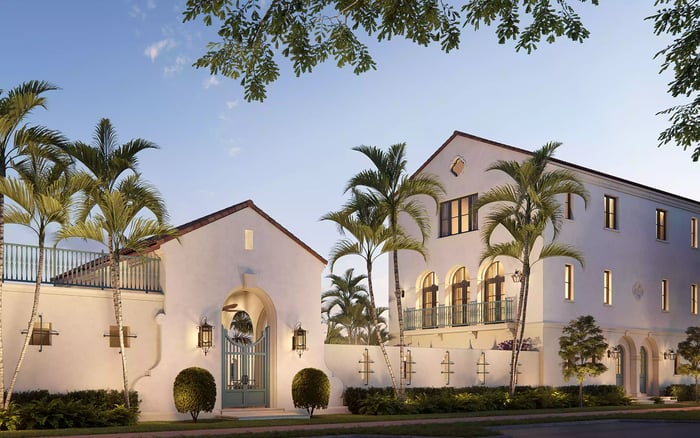
In Coral Gables, residences such as Cora Merrick Park speak to buyers who want a composed urban village feeling without sacrificing the intimacy expected from a refined seasonal base. The question is not only whether the home is attractive, but whether it supports the way a Chicago household transitions in and out of South Florida.
Coral Gables is not a single experience. Some buyers want a walkable address close to restaurants, retail, and cultural routines. Others prefer a quieter residential pocket where the home feels more retreat-like. Seasonal ownership sharpens these distinctions because time in residence is precious. Every unnecessary drive, errand, or logistical complication becomes more noticeable.
A lock-and-leave condominium can be the most efficient answer for many Chicago buyers, particularly when the goal is predictability. Buildings with thoughtful arrival sequences, attentive staffing, and controlled access can make short stays feel effortless. Projects such as Ponce Park Coral Gables will naturally draw buyers who value a location embedded in the identity of Coral Gables while still seeking the convenience of contemporary residential living.
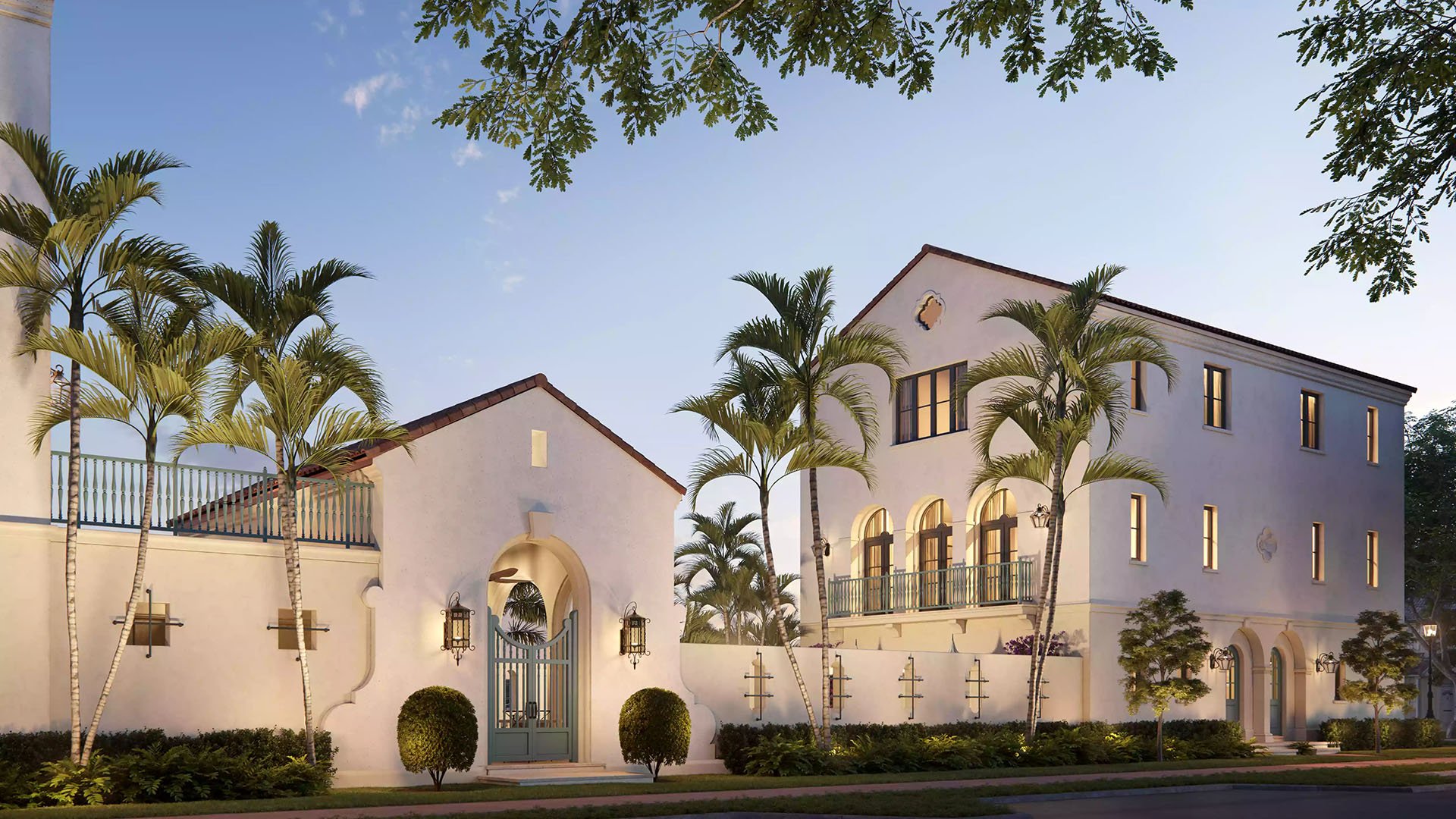
For those who want a more village-like sense of place, The Village at Coral Gables reflects the appeal of architecture and neighborhood texture as part of the ownership experience. In this category, the purchase is not only about square footage. It is about atmosphere, approach, and the feeling of returning to a true seasonal address.
The seasonal buyer’s first structural decision is the form of ownership. A condominium typically offers the clearest lock-and-leave proposition, with shared maintenance, staffed services, and fewer exterior responsibilities. For buyers who want to arrive with little more than a carry-on, this can be decisive.
A townhome may offer more residential character, separate living zones, and a stronger sense of permanence, but it can require a more deliberate management plan. A single-family home provides privacy, outdoor space, and autonomy, yet it also increases the owner’s exposure to maintenance decisions while away. None is inherently superior. The right choice depends on how much control, service, and privacy the owner wants to balance.
Chicago buyers often arrive with strong expectations around gracious interior proportions, proper entertaining space, and practical storage. In South Florida, those expectations should be paired with questions about terraces, sunlight, air circulation, storm preparation protocols, service access, and building governance. A pied-à-terre should feel elegant, but it should also be operationally intelligent.
For seasonal use, layout matters more than raw size. A split-bedroom plan can preserve privacy for guests. A den or enclosed study can make longer stays more comfortable. A generous primary suite can turn the residence into a genuine retreat rather than a hotel alternative.
Storage is often underestimated. Owners may want room for golf clubs, luggage, seasonal wardrobes, beach items, guest linens, wine, or personal files. Parking should also be evaluated with precision, especially if the household plans to keep a car in South Florida. A well-located space, valet procedures, charging options if relevant, and guest parking policies all shape the ease of ownership.
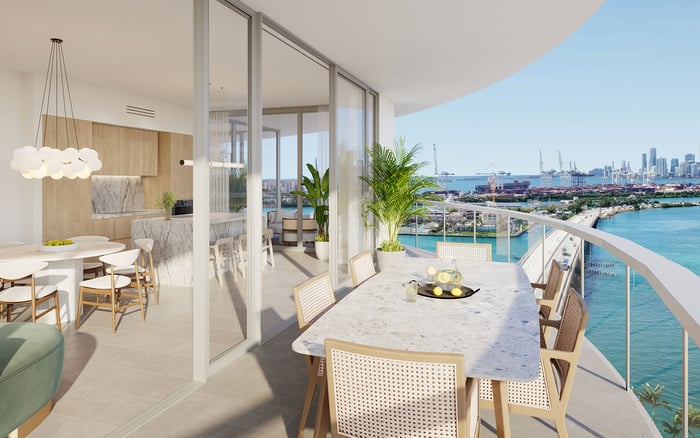
Outdoor space deserves careful thought. A terrace can be a defining pleasure, but the best terrace is one that will be used consistently. Consider exposure, privacy, furniture practicality, and how the indoor living area relates to the exterior. The romance of open air should be matched by daily usability.
The strongest seasonal buildings understand absence. They are prepared for owners who come and go, who may need housekeeping coordination, delivery handling, vendor access, or pre-arrival preparation. The staffing culture matters as much as the amenity menu.
Ask how the building communicates with owners, how maintenance issues are handled, what permissions are needed for vendors, and how quickly management responds when the owner is out of state. Review association rules with equal care. Guest policies, leasing restrictions, pet rules, renovation procedures, and insurance requirements can materially affect how the residence functions.
Discretion is essential. A luxury pied-à-terre should not require public explanations or constant oversight. The best buildings make ownership feel simple, even when the underlying systems are complex.
A Chicago-to-Coral Gables purchase should be coordinated with the buyer’s legal, tax, insurance, and estate advisors before decisions harden. Seasonal ownership can involve questions around title structure, family use, financing, insurance coverage, succession planning, and documentation of time spent in each location.
The goal is not to let technical planning dominate the search. Rather, it should protect the pleasure of ownership. A well-advised buyer can move confidently, knowing that the residence fits both the lifestyle plan and the broader household structure.
Financing should also be addressed early. Some buyers prefer the simplicity of cash. Others choose financing for liquidity or portfolio reasons. In either case, building approval standards, association financials, and insurance considerations should be reviewed before emotional attachment forms.
A successful Coral Gables search is not a volume exercise. It is better to tour fewer homes with sharper criteria than to chase every attractive listing. Visit at the times you expect to live there. Pay attention to arrival, noise, light, lobby atmosphere, elevator experience, and the transition from car to residence.
If the residence is intended for entertaining, test the flow from kitchen to dining to terrace. If it is intended for quiet recovery, sit in the primary bedroom, study, and living room without rushing. Notice whether the home encourages calm or demands compromise.
The best pied-à-terre usually reveals itself through ease. It feels natural to inhabit, simple to leave, and pleasurable to return to. For the Chicago buyer, that combination is the true luxury.
Is Coral Gables a good choice for a seasonal pied-à-terre? Yes, for buyers who value residential character, privacy, dining access, and a composed alternative to more resort-driven South Florida addresses.
Should a Chicago buyer choose a condo or a single-family home? A condo usually offers easier lock-and-leave ownership, while a single-family home offers more privacy and control with added maintenance responsibilities.
What matters most in a seasonal building? Staffing, security, maintenance coordination, package handling, guest policies, parking, and clear communication are especially important.
How much space does a pied-à-terre need? The right size depends on use, but layout, storage, privacy, and work-from-home flexibility often matter more than total square footage.
Should buyers prioritize walkability? Walkability can be valuable if dining, errands, and daily routines are central to the way the home will be used.
Are terraces important for seasonal ownership? They can be, provided the exposure, privacy, size, and furniture plan support regular use rather than occasional admiration.
What should buyers ask about association rules? Review leasing, guest use, pets, renovations, vendor access, insurance, reserves, and approval requirements before committing.
How should a buyer plan for time away from the residence? Establish procedures for inspections, climate settings, housekeeping, deliveries, vendor visits, and emergency access.
When should advisors be involved? Legal, tax, insurance, and estate advisors should be consulted early, particularly for cross-state ownership planning.
What is the best sign that a pied-à-terre is the right fit? It should feel effortless on arrival, comfortable during longer stays, and simple to secure when returning to Chicago.
If you'd like a private walkthrough and a curated shortlist, connect with MILLION.
If branded residences are on your mind — as a home or as an allocation — we would be glad to share what we are seeing, privately.
Begin a quiet conversation