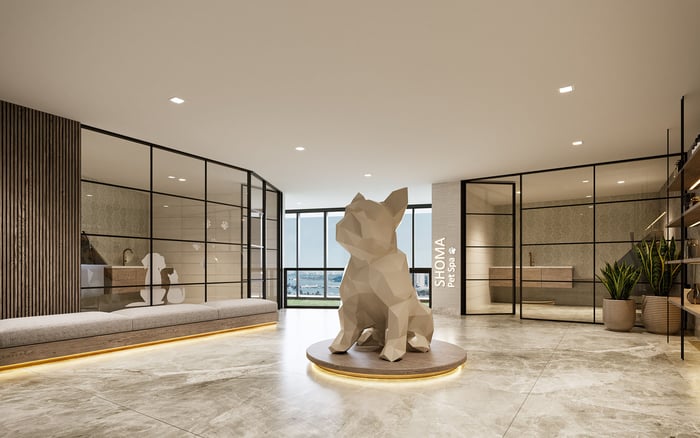
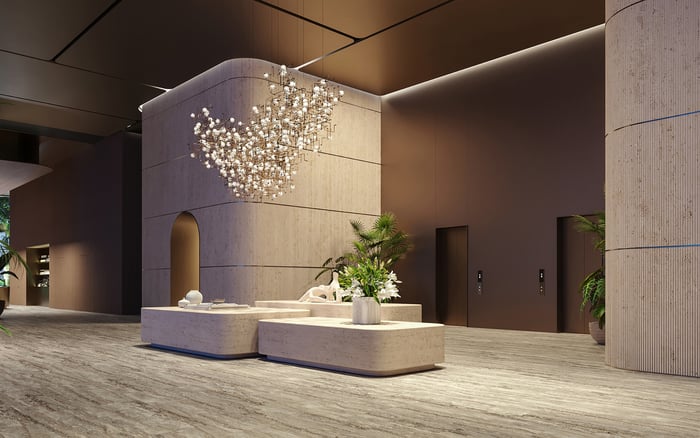
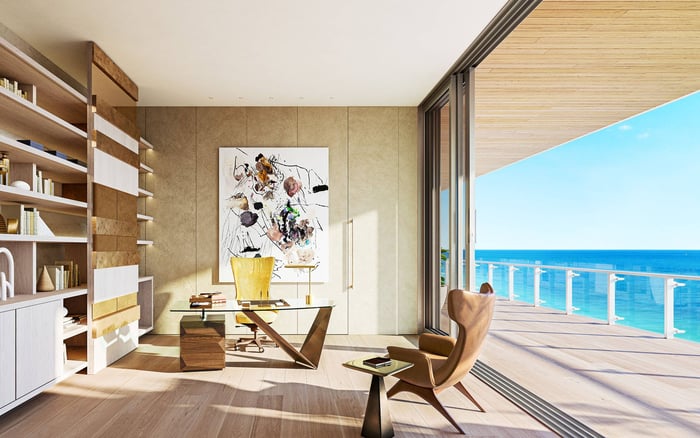
A buyer-focused look at why amenity operating budgets matter in South Florida full-service towers, from staffing and service contracts to reserves, lifestyle value and long-term carrying costs.
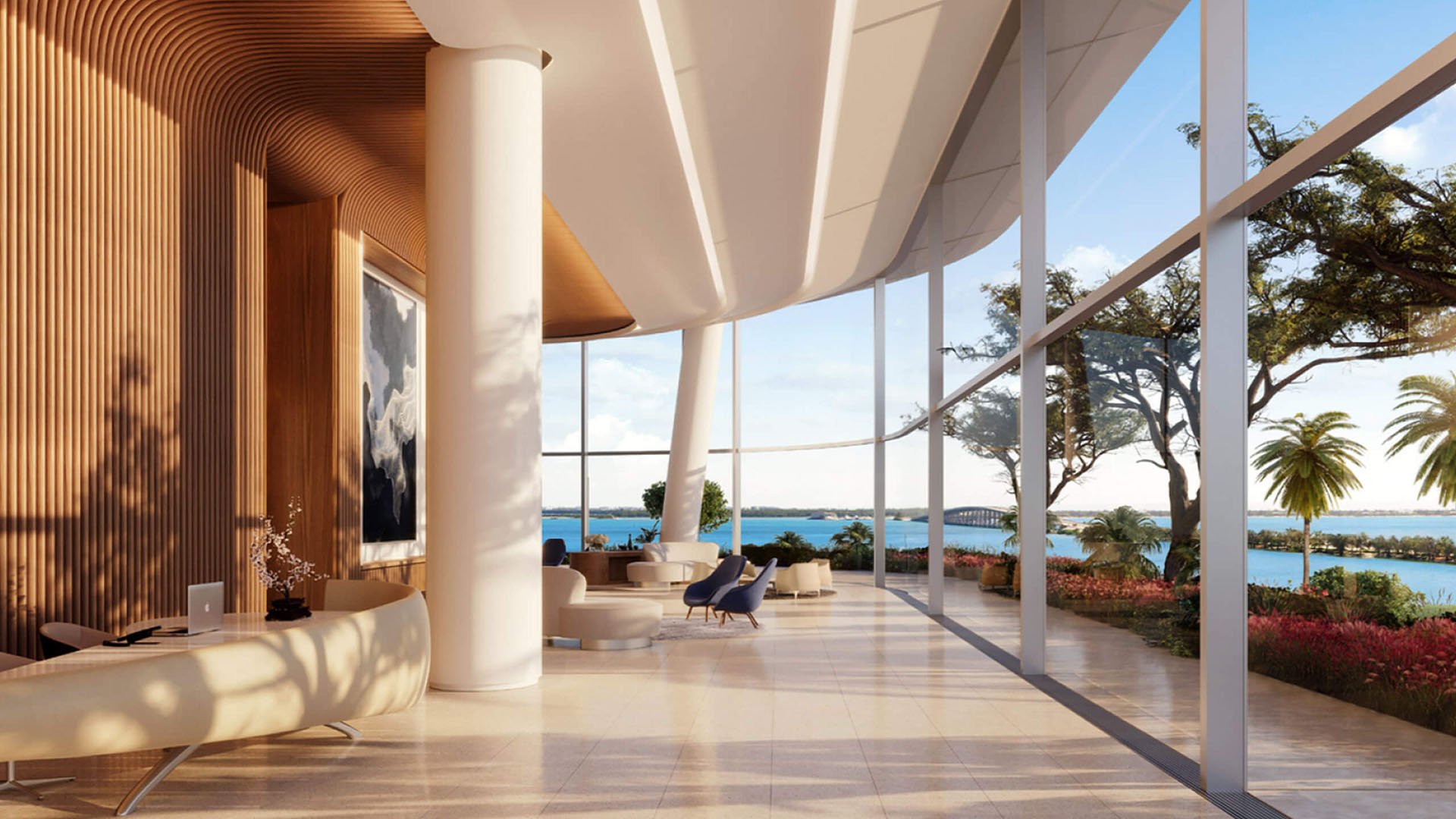
In South Florida luxury real estate, the purchase price is only the opening line of the financial story. The more durable number is the monthly carrying cost. In a full-service tower, that figure is shaped by more than insurance, reserves and routine building maintenance. It is also shaped by the operating budget required to keep the amenity experience feeling effortless.
For a buyer comparing Brickell, Miami Beach, Sunny Isles Beach and Fort Lauderdale, the question is not simply whether a tower offers a spa, pool deck, private dining room, screening room, fitness center, valet program or attended lobby. The sharper question is how those amenities are staffed, maintained, insured, cleaned, programmed and renewed. A tower can feel serene because a complex operating machine is working quietly in the background.
That machine has a price. In a market where buyers often focus on views, finishes and brand cachet, the amenity budget is one of the most revealing documents in the purchase file.
An amenity operating budget is the recurring plan for running the shared lifestyle infrastructure of a condominium or branded residence. It may include payroll, contracted labor, cleaning, maintenance, landscaping, pool care, spa upkeep, security, valet operations, technology systems, utilities, hospitality supplies, fitness equipment servicing and replacement planning.
Not every building structures these categories the same way. Some towers internalize more staff, while others rely on outside service providers. Some amenity programs are highly programmed; others are designed to be more private and passive. A resident lounge that is rarely staffed carries a different cost profile than a hospitality-driven club room with frequent service. A pool deck designed as a quiet retreat differs from one that requires daily setup, towel service and food-and-beverage coordination.
This is why two towers with similar residences can produce materially different monthly obligations. The architecture may be comparable. The views may be equally compelling. The service model may not be.
South Florida’s luxury condominium culture is unusually amenity-forward. Buyers arrive expecting resort-level spaces, attentive service and a building experience that complements waterfront living, seasonal ownership and global travel patterns. That expectation raises the standard for execution.
Climate also matters. Outdoor amenities in coastal environments require consistent attention. Pools, terraces, landscaping, glass, mechanical systems and exterior furnishings all operate in a demanding setting. Salt air, heat, humidity and heavy seasonal use can place recurring pressure on maintenance planning. A glamorous amenity deck is not a one-time capital investment. It is an ongoing operational commitment.
For buyers evaluating The Residences at 1428 Brickell or other urban full-service offerings, the operating budget can clarify how the building intends to deliver privacy, security, staffing and daily polish. In beachfront settings such as The Perigon Miami Beach, the same review can frame the long-term cost of maintaining a sophisticated coastal lifestyle.
A common mistake is counting amenities without measuring service intensity. A building may advertise several impressive spaces, but the real cost question is how actively those spaces are operated.
A fitness center may be self-directed or supported by instructors and wellness programming. A spa may be an elegant suite of treatment rooms or a more robust operation with scheduling, supplies and service partners. A lobby may provide basic reception or a more layered concierge experience. A valet program may be simple, limited and predictable, or it may require extensive coverage during peak hours.
The more a building resembles a private club or resort, the more its operating rhythm matters. Buyers who genuinely use those services may find the value compelling. Buyers who spend limited time in residence may prefer a quieter amenity structure with fewer recurring service obligations. Neither model is inherently superior. The right choice depends on how the owner lives.
That is the practical heart of this Buyer’s Guides topic: the value of amenities should be measured against usage, not presentation alone.
A sales gallery shows the aspiration. The operating budget shows the obligation. Sophisticated buyers should read the budget like future owners, not temporary guests.
Start with staffing. Payroll and contracted labor often define the level of service residents experience every day. Then review recurring contracts for cleaning, landscaping, pool service, security, management and amenity maintenance. Look for line items tied to utilities, technology platforms, access systems and elevator service. In a highly amenitized tower, smaller categories can accumulate quickly.
Next, study reserves and replacement planning. The amenity experience depends on future renewal. Furniture wears, equipment ages, surfaces need care and technology becomes dated. A building that underfunds renewal may appear less expensive in the short term but expose owners to future pressure. A building that budgets responsibly may look higher on paper yet offer a more stable ownership profile.
Finally, compare actual lifestyle fit. If a resident will use private dining, wellness areas, attended arrival, valet and waterfront leisure spaces, the monthly cost may be part of the value proposition. If those services will go largely unused, the buyer is still paying for the collective standard.
Branded and hospitality-influenced residences often place special emphasis on consistency. Buyers drawn to names associated with design, service or hotel culture are usually buying more than a floor plan. They are buying a promise of experience.
That promise requires discipline. It may involve training, staffing standards, amenity protocols, building management expectations and the careful maintenance of common spaces. In Sunny Isles Beach, a buyer looking at St. Regis® Residences Sunny Isles may reasonably focus on how service language translates into recurring association obligations. In Fort Lauderdale, a buyer considering Four Seasons Hotel & Private Residences Fort Lauderdale should think carefully about the relationship between hospitality character and operating structure.
The key is not to avoid service-oriented buildings. Many of South Florida’s most desirable residences are desirable precisely because they are deeply serviced. The key is to understand whether the budget supports the promise without relying on wishful assumptions.
Before committing, buyers should request the current budget, proposed budget, fee schedule, recent meeting minutes, reserve information and any available history of assessment discussions. For new development, buyers should review the projected operating assumptions carefully with appropriate counsel and advisors.
Important questions include: Which amenities are included in regular assessments? Which services require additional fees? Are valet, beach, club, marina, spa or food-and-beverage operations treated separately? Are staffing levels fixed or subject to change? Are commercial or hotel components sharing costs with residents? How are shared facilities allocated? What happens if usage rises faster than expected?
This is where Pricing & Trends analysis becomes personal. The headline market may discuss price per square foot, but the owner’s lived experience is shaped by the total monthly commitment. A lower purchase price with a heavier operating structure may not be less expensive over time. A higher-priced residence with a disciplined budget may be more predictable.
A full-service tower should be judged as both a home and an operating enterprise. The lobby, staff, pool deck, wellness areas and social rooms are part of the asset, but they are also part of the annual expense architecture. The more ambitious the amenity world, the more important the budget becomes.
For South Florida buyers, this is not a reason to retreat from amenities. It is a reason to become more precise. The best buildings align design, service, governance and funding. They do not merely offer spaces. They sustain them.
A refined buyer will ask whether the building’s operating plan matches the life being promised. If the answer is yes, the monthly cost can feel like a rational expression of value. If the answer is unclear, even the most beautiful amenity deck in the market may conceal a financial surprise.
What is an amenity operating budget? It is the recurring budget used to run, staff, maintain and renew a building’s shared amenity spaces and service programs.
Why does it matter in a full-service tower? It helps determine the monthly cost of delivering the building’s lifestyle, from staff coverage to cleaning, maintenance and shared services.
Are higher amenities always a problem? No. High-quality amenities can be valuable when the budget is realistic and the buyer will actually use the services being funded.
What should a buyer review first? Start with the current budget, proposed budget, assessment schedule, reserves, service contracts and recent association materials.
Can two similar towers have different monthly costs? Yes. Differences in staffing, service intensity, shared facilities, reserves and amenity programming can create very different ownership costs.
Do branded residences usually require closer budget review? They deserve careful review because service expectations can be central to the ownership experience and may influence recurring obligations.
Should seasonal owners care about amenity budgets? Yes. Seasonal owners pay for the building’s ongoing service model even when they are not in residence.
How can buyers compare value across neighborhoods? Compare total carrying cost, service level, governance, reserve planning and personal amenity usage, not just purchase price.
Can operating budgets change after purchase? Yes. Budgets can evolve as costs, contracts, staffing needs, reserves and building priorities change over time.
What is the best sign of a well-run amenity program? A strong program usually pairs a clear service promise with transparent budgeting, realistic reserves and disciplined building governance.
For a discreet conversation and a curated building-by-building shortlist, connect with MILLION.
If branded residences are on your mind — as a home or as an allocation — we would be glad to share what we are seeing, privately.
Begin a quiet conversation