A discreet buyer’s guide to evaluating how security protocols shape the true cost, daily rhythm, staffing burden, and long-term livability of wellness-led residences across South Florida.
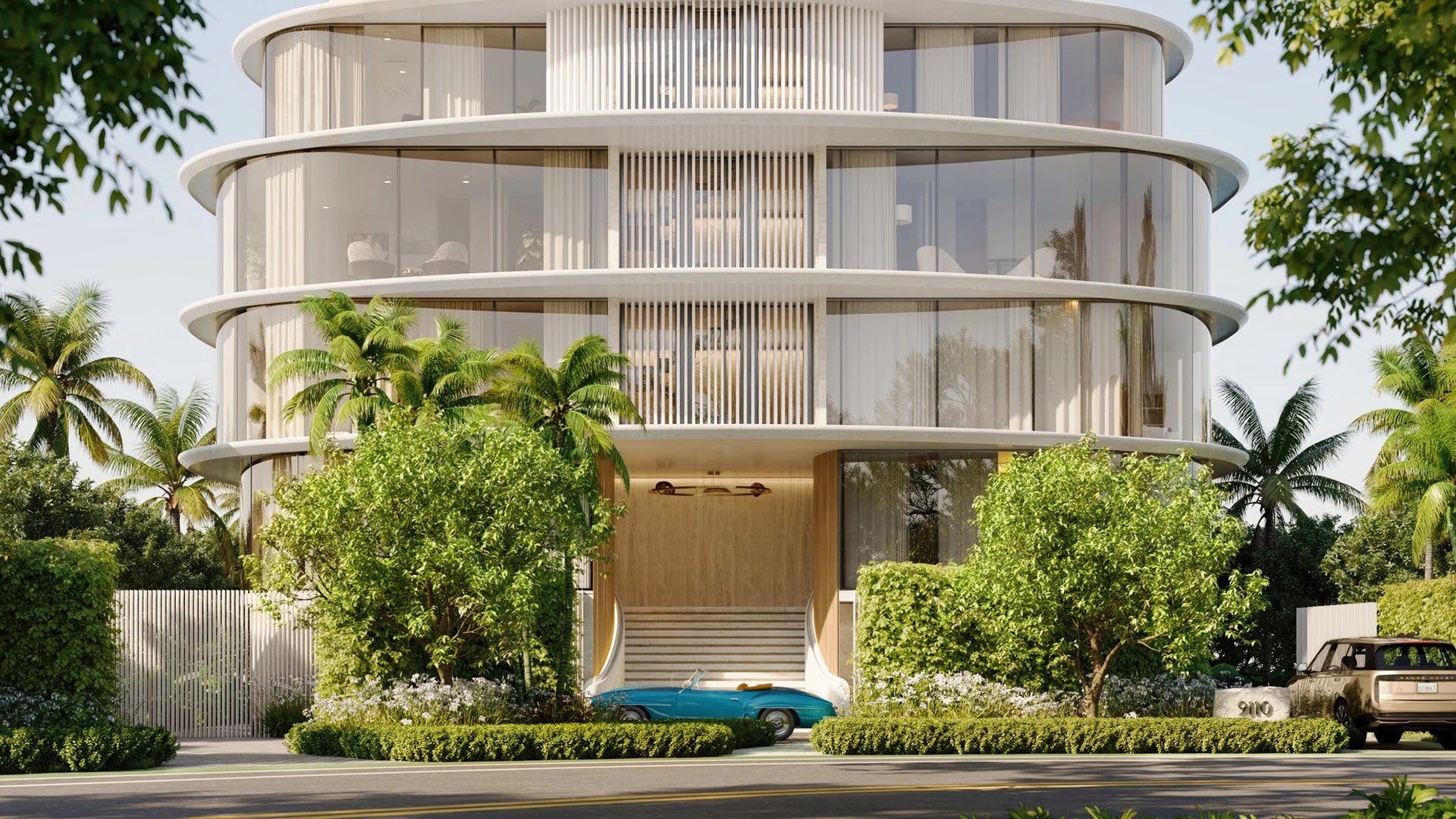
In South Florida luxury real estate, wellness is often expressed through the visible language of spa suites, movement studios, cold plunges, restorative gardens, and airily composed residences. Security, by contrast, is designed to recede. The strongest protocols are quiet, graceful, and nearly invisible to the owner. Yet they can materially alter the real cost of living in a wellness-led residence.
That cost is not limited to monthly assessments. It reaches into staffing depth, guest management, package handling, elevator control, parking procedures, vendor access, privacy expectations, technology maintenance, and the emotional texture of coming home. A building may feel serene precisely because considerable operational discipline is working behind the scenes.
For buyers comparing Brickell, Miami Beach, Coconut Grove, Bay Harbor Islands, and the broader coastal market, the question is not whether security exists. It is whether the protocol supports the wellness promise, or quietly works against it.
A wellness-led residence is built around reduction: less friction, less noise, less uncertainty, and fewer disruptions to the body and mind. Security protocols are among the core systems that either preserve that reduction or interrupt it.
Consider the difference between a building where visitors are announced discreetly and one where guests wait in a visible queue. Consider a spa floor that feels private because elevator access is carefully managed, versus one that becomes a pass-through zone for service providers. Consider whether a resident can arrive from a late flight and move from car to residence without repeated interactions.
The most refined buildings align security with hospitality. A front desk does not simply stop people; it choreographs arrival. A valet operation does not only park cars; it protects identity, timing, and privacy. A wellness amenity is not merely booked; it is shielded from congestion and misuse.
This is especially important in lifestyle-driven properties, where the residence is no longer just a private apartment. It is a daily ecosystem, with movement, recovery, dining, work, pets, family, guests, staff, and service providers sharing the same vertical environment.
The first cost is labor. A residential tower with layered access control may require more trained personnel across more hours. Concierge, valet, front desk, security, receiving, engineering, and amenity attendants all touch the security program. The greater the promise of discretion, the more coordinated the staffing model must be.
The second cost is technology. Cameras, key systems, visitor management software, elevator credentials, garage gates, package systems, and amenity booking platforms require installation, replacement, integration, and ongoing support. In a wellness-led property, the system must also feel calm. A clumsy technology layer can undermine the very ease the building is selling.
The third cost is policy. Rules around private trainers, massage therapists, household staff, chefs, drivers, dog walkers, yacht crew, delivery teams, and short-stay guests can materially affect how an owner lives. A protocol that feels sensible for a primary resident may feel restrictive for a seasonal owner. A policy that supports privacy may also require more notice, documentation, or staff coordination.
The fourth cost is time. Security friction is still a cost, even when it does not appear on a balance sheet. If every guest arrival requires a call, every vendor visit requires extra clearance, or every family member needs repeated credentialing, the owner pays in attention.
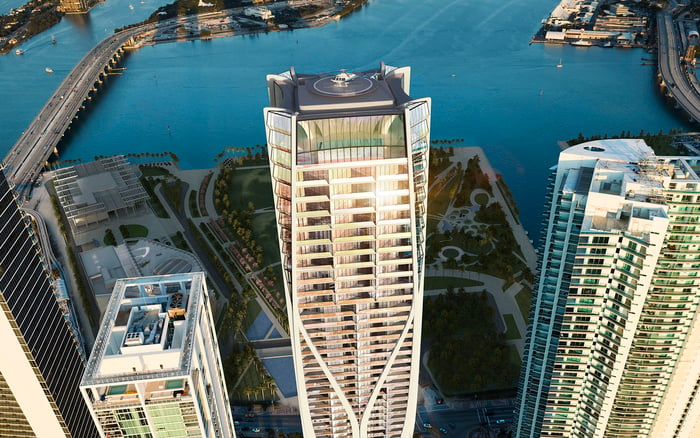
Brickell’s appeal is intensity: finance, dining, water views, mobility, and a distinctly urban rhythm. In that setting, a wellness-led residence must do more than offer an amenity floor. It must create a controlled retreat within a dense environment.
At 2200 Brickell, the buyer conversation naturally turns to how a building manages arrival, parking, guests, package flow, and amenity access in a neighborhood where movement is constant. The real value of security is not theatrical presence. It is the ability to separate the resident’s private rhythm from the city’s pace.
In Brickell, buyers should ask how residents, guests, staff, and service providers move from curb to elevator. They should also understand whether wellness amenities have independent access logic, how peak hours are handled, and whether technology supports or complicates daily life. A calming residence in a busy district depends on these small operational choices.
Miami Beach presents a different security challenge. The atmosphere is more resort-like, with a strong culture of hosting, beach access, dining, wellness, and seasonal residence. The best buildings protect ease without making hospitality feel formal or cold.
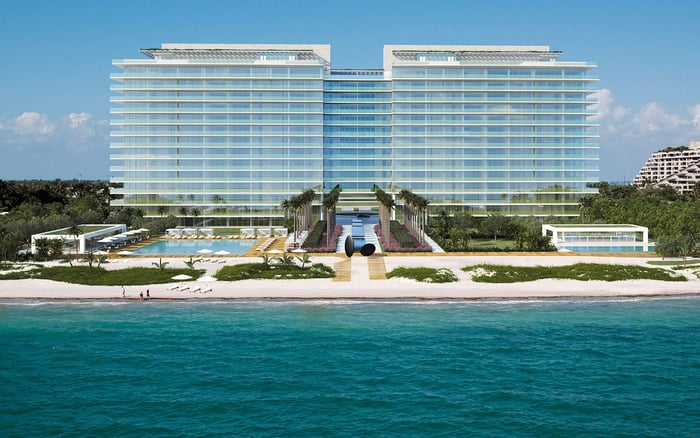
For a buyer considering The Perigon Miami Beach, the cost question is not simply what amenities exist. It is how those amenities are protected from overuse, how guest access is handled, how service entries are separated, and whether the building’s privacy standards match the owner’s lifestyle.
Miami Beach also draws a crucial distinction between openness and exposure. A wellness residence may want to feel connected to light, water, and outdoor life while still preserving resident privacy. That balance often depends on protocols subtle enough not to disturb the mood, yet firm enough to preserve the building’s character.
Coconut Grove is often prized for its quieter, greener, more residential atmosphere. That does not make security less important. It simply changes the tone. Buyers may expect a softer threshold, more neighborly discretion, and a less overtly urban security posture.
In a setting such as The Well Coconut Grove, wellness is closely tied to atmosphere. Security protocols should protect that atmosphere rather than announce themselves. The more intimate the building experience, the more important it becomes for staff to recognize residents, understand household patterns, and manage visitors with tact.
Coconut Grove buyers should study the relationship between access control and privacy. Does the building rely heavily on human familiarity, technology, or both? How are private appointments handled? Can a resident’s trainer, chef, or wellness practitioner enter smoothly without creating unnecessary exposure? These questions shape the true comfort of ownership.
Boutique buildings can make security feel more personal, but smaller scale does not automatically mean lower complexity. In some cases, a more intimate property requires sharper protocols because every arrival is more visible.
At The Well Bay Harbor Islands, the buyer may be drawn to a wellness identity that feels residential rather than institutional. The security question becomes one of proportion. Is the building staffed and governed in a way that preserves privacy without overburdening the owner with procedure?
Bay Harbor Islands also appeals to buyers who value a quieter residential rhythm near the water and nearby destination neighborhoods. For them, security should support a sense of sanctuary. It should not make the building feel like a checkpoint, nor should it be so relaxed that common spaces lose their intended calm.
A serious buyer should review security as part of total ownership, not as an afterthought. Start with staffing. Who is on site, at what times, and in what roles? A luxury building can have many employees, but the more important question is whether responsibilities are clearly defined.
Then ask about access. How do residents enter by car, on foot, and from shared amenities? How are guests pre-cleared? Are recurring visitors handled differently from one-time visitors? How are deliveries managed? What happens when a resident is away for the season?
Next, review amenity governance. Wellness spaces often require a higher degree of control than ordinary common areas. Reservation rules, guest privileges, trainer access, cleaning schedules, and capacity management all influence whether the amenity remains restorative.
Finally, ask about adaptability. Security protocols should evolve without becoming erratic. A building that cannot update its systems may feel dated quickly. A building that changes rules too often may feel unsettled. The ideal is disciplined continuity with thoughtful refinement.
The most expensive security protocol is not always the best one. The right protocol is the one that matches the building’s promise, the owner’s habits, and the neighborhood’s rhythm. A highly visible approach may reassure one buyer and irritate another. A frictionless approach may feel elegant until it fails to manage guests, vendors, or amenity use.
For wellness-led residences, the premium is ultimately paid for calm. Calm arrival. Calm circulation. Calm amenity use. Calm privacy. Calm service. When security achieves that, it becomes part of the residence’s luxury rather than an operational expense behind it.
That is why buyers should compare more than finishes, views, and amenity renderings. They should compare the protocols that determine how those spaces will feel after move-in. In South Florida’s best residences, the true luxury is not only what is built. It is how carefully life inside the building is protected.
Why does security affect the cost of a wellness-led residence? Security can influence staffing, technology, operations, amenity control, and daily convenience, all of which shape the real cost of ownership.
Should buyers focus more on visible guards or behind-the-scenes protocols? Behind-the-scenes protocols often matter more. The best systems protect residents without making daily life feel monitored or interrupted.
How can security support wellness? It can reduce friction, protect privacy, manage amenity access, and preserve a calmer residential environment.
What should buyers ask about visitor access? Ask how guests are pre-cleared, announced, escorted if needed, and managed during peak social periods.
Do boutique buildings have simpler security needs? Not always. Smaller buildings may require more personalized protocols because each arrival is more visible.
Why does amenity access matter? Wellness spaces lose value if they feel crowded, exposed, or poorly managed, so access rules are central to the experience.
Can strict security reduce convenience? Yes. A strong protocol should protect privacy while keeping everyday movement smooth for residents and approved guests.
What is a common overlooked cost? Time is often overlooked. Repeated approvals, unclear vendor rules, and inefficient arrival procedures can become daily friction.
How should seasonal owners evaluate protocols? They should ask how the building handles extended absences, household staff, deliveries, guests, and recurring service providers.
What is the best way to shortlist comparable options for touring? Start with location fit, delivery status, and daily lifestyle priorities, then compare stacks and elevations to validate views and privacy.
For a discreet conversation and a curated building-by-building shortlist, connect with MILLION.
If branded residences are on your mind — as a home or as an allocation — we would be glad to share what we are seeing, privately.
Begin a quiet conversation