A discreet buyer’s guide for Mexico City clients evaluating Coral Gables and nearby South Florida homes where view preservation, zoning context, and long-term sightline discipline matter as much as finishes.
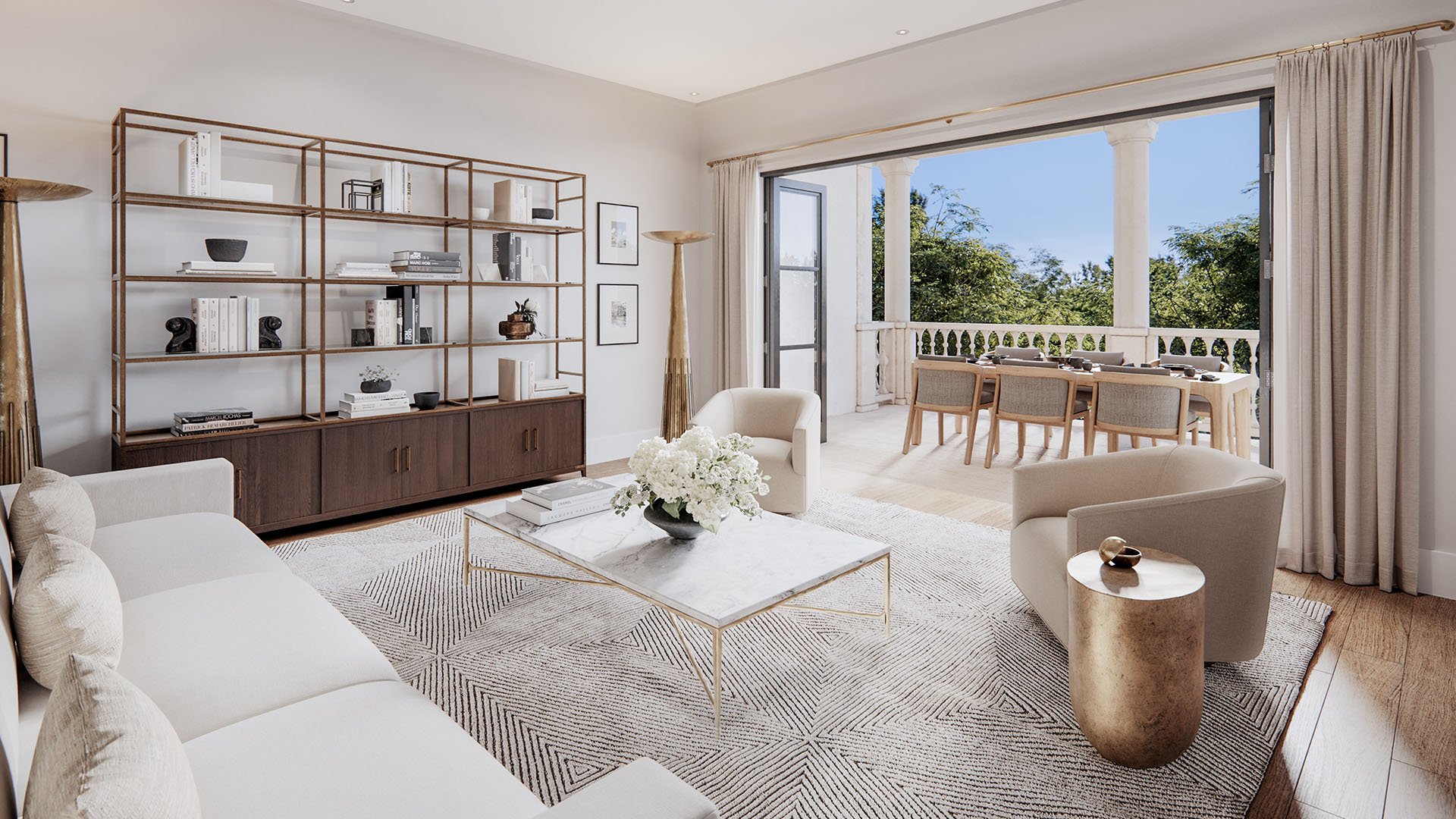
For a Mexico City buyer arriving in Coral Gables, the first emotional response is often familiar: mature canopies, civic formality, privacy behind walls and hedges, and architecture that speaks softly. South Florida adds another layer to the decision. Here, light, sky, water, garden depth, and the space between buildings can carry as much value as interior materials.
That is why the phrase protected view corridor deserves precise interpretation. A view corridor is the line of sight that gives a residence its visual identity. It may be an open perspective toward treetops, a framed axis down a boulevard, a long garden view, a bay glimpse, or a clean stretch of sky above neighboring rooflines. It becomes meaningfully protected only when that line of sight is supported by enforceable planning controls, recorded rights, public ownership, setbacks, height limits, easements, or other durable constraints.
In luxury real estate, the distinction is critical. A beautiful outlook can be temporary. A protected or structurally resilient outlook can become part of the asset strategy.
Mexico City clients tend to be sophisticated about neighborhood texture. They understand that prestige is not always vertical. In many of the most desirable urban districts, value comes from scale, shade, courtyards, architectural continuity, and controlled interruption. Coral Gables speaks to that sensibility, but with a South Florida climate and a different risk profile.
The buyer moving from Mexico City to Coral Gables should avoid treating every view as a postcard. The strongest homes are not always those with the broadest immediate exposure. They are the ones where the sightline has context: what sits across the street, what can be built nearby, how mature the landscape is, how the property is oriented, and whether the view depends on another private owner’s future restraint.
This is especially relevant where luxury demand is rising across Coral Gables, Coconut Grove, Brickell, and other connected enclaves. A calm view today can sit beside a site that may evolve. A dramatic skyline view may command a premium but require a higher tolerance for change. A more discreet garden or canopy view can sometimes offer a quieter version of permanence.
Coral Gables rewards buyers who study composition. The city’s luxury character is often created by layered elements: tree canopy, setbacks, walls, courtyards, low visual noise, and a slower rhythm of arrival. A home near civic green space, a carefully planned residential street, or a disciplined architectural context may deliver a view experience that feels protected, even when it is not a formal legal right.
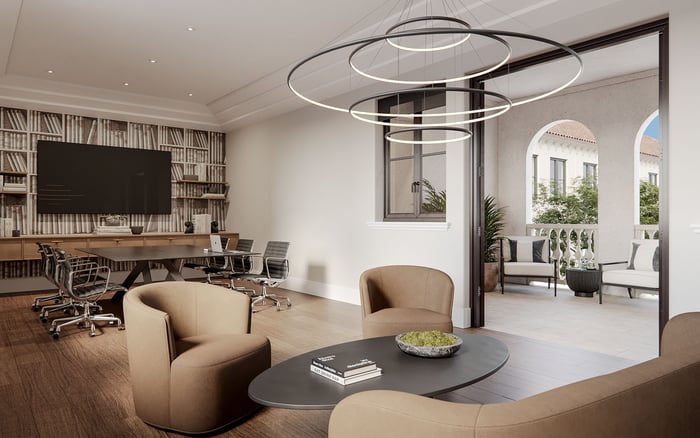
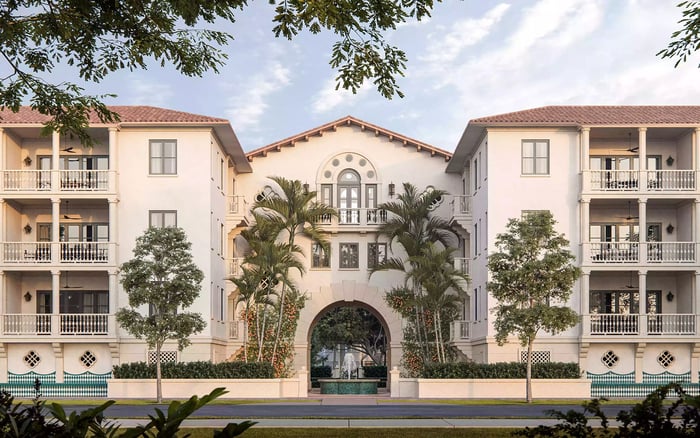
For condominium buyers, the same principle applies. At Cora Merrick Park, the attraction is not simply being in Coral Gables. The buyer should study exposure, floor height, adjacency, terrace depth, and how surrounding parcels may affect light and privacy over time. At Ponce Park Coral Gables, the decision should include an equally disciplined reading of approach, street character, and the way the building’s position shapes daily sightlines.
Single-family buyers should be even more forensic. A deep lot with garden views may be preferable to a more exposed property whose appeal relies on someone else’s open yard. A corner site may offer more light but less privacy. A property framed by established landscaping can feel serene, but the buyer should still understand what is protected by regulation or recorded agreement and what is simply a current condition.
The first question is legal: what actually protects the view? A buyer should distinguish among public land, zoning limits, recorded easements, setbacks, architectural controls, and informal neighborhood character. Only some of these carry enforceable weight.
The second question is physical: how is the view created? A sightline may depend on elevation, distance, a neighboring roofline, a gap between buildings, a roadway, a canal, a park, or mature trees. Each source has a different level of durability.
The third question is vertical: does the view improve or deteriorate by floor? In South Florida, the difference between a lower-floor garden perspective and a higher-floor skyline or waterview can be dramatic. Higher is not automatically safer. Sometimes a lower residence looking into landscaped depth has less speculative risk than a higher residence looking across private development parcels.
The fourth question is temporal: what could change in five, ten, or twenty years? Luxury buyers often focus on completion dates, finishes, and amenities. View-sensitive buyers must also think like planners. The most elegant purchase is one where the view premium has been stress-tested rather than assumed.
Waterfront property can provide a powerful sense of openness, but it does not eliminate due diligence. The view may be expansive, yet the long-term enjoyment of that view depends on orientation, neighboring uses, marine activity, privacy, and the relationship between the home and the water’s edge. A wide water exposure may feel cinematic, while a narrower view may be more livable if it is quieter and better framed.
Waterview residences, by contrast, often require more careful underwriting. A bay glimpse, canal angle, or skyline-water combination may be highly desirable but more vulnerable to changes in adjacent development. In these cases, the buyer should ask whether the water view is central to value or simply an enhancement. If the home remains exceptional without the view, the risk is lower. If the entire premium rests on one narrow visual opening, proceed with caution.
This is where Coconut Grove can be compelling for buyers who value landscape and atmosphere as much as open water. Projects such as Four Seasons Residences Coconut Grove sit within a neighborhood where canopy, bay proximity, and architectural discretion can create a layered living experience. The view may not be only outward. It may be the experience of shade, arrival, terrace, garden, and sky together.
Brickell is a different proposition. It is urban, vertical, energetic, and more accepting of change. For the Mexico City buyer accustomed to sophisticated density, this may be appealing. The key is to avoid expecting Coral Gables permanence in a Brickell setting. Here, a buyer should underwrite views with particular attention to height, neighboring parcels, exposure, and the possibility that today’s open angle may not remain open.
That does not make Brickell less desirable. It simply changes the definition of a smart purchase. A residence at The Residences at 1428 Brickell should be evaluated not only for design and services, but also for how its particular line, elevation, and orientation perform in a changing skyline. In a district defined by movement, the best view strategy is not nostalgia for stillness. It is selection with precision.
Some buyers ultimately prefer the more residential cadence of Coral Gables because the value proposition is less dependent on spectacle. A home may offer filtered views through palms, a courtyard sequence, or an elegant street wall rather than a sweeping horizon. That restraint can be a virtue.
At The Village at Coral Gables, the appeal for a view-conscious buyer is not necessarily a single dramatic vista. It is the possibility of composed living: architecture, pedestrian scale, landscaping, and the intimacy of a neighborhood setting. For buyers relocating from Mexico City, that can feel especially natural. It aligns with the idea that luxury is not only what is displayed, but what is controlled.
Start with the non-negotiables: privacy, light, outdoor space, commute pattern, school needs if relevant, and preferred neighborhood tempo. Then assess the view as an investment attribute. Is it legally protected, physically resilient, emotionally important, or merely pleasant?
Next, compare the home with and without the view. If the residence is still compelling without it, the buyer has a margin of safety. If the view is the central reason for purchase, the due diligence burden rises. This is where counsel, survey review, planning analysis, and a careful reading of condominium documents or property restrictions become essential.
Finally, remember that South Florida luxury is increasingly nuanced. The best purchase may be a Coral Gables residence with garden depth, a Coconut Grove home with canopy and bay atmosphere, or a Brickell condominium whose high-floor exposure has been carefully selected. The common thread is not a single neighborhood. It is discipline.
The view premium should always be treated as a refined question of permanence, not simply beauty.
What is a protected view corridor? It is a line of sight with some form of durable protection, such as planning controls, recorded rights, setbacks, or public ownership. A pleasant view alone is not the same thing.
Are Coral Gables views usually water views? Not necessarily. Many prized Coral Gables views are garden, canopy, courtyard, street, or architectural views rather than open water exposures.
Should Mexico City buyers prioritize Coral Gables over Brickell? It depends on lifestyle. Coral Gables is typically chosen for privacy and residential character, while Brickell suits buyers who want urban energy and vertical living.
Is a higher floor always better for view protection? No. A higher floor can improve exposure, but it may also depend on future skyline changes. A lower garden or canopy view can sometimes feel more stable.
What should I review before paying a view premium? Review surveys, condominium documents, zoning context, neighboring parcels, setbacks, easements, and any recorded restrictions that may affect future sightlines.
Can landscaping create a protected view? Landscaping can create privacy and atmosphere, but it is not automatically protected. Its durability depends on ownership, maintenance, and applicable restrictions.
Is waterfront property safer from view obstruction? Waterfront can offer openness, but buyers should still evaluate orientation, neighboring uses, privacy, marine activity, and potential changes nearby.
How should I compare a waterview with a garden view? Ask whether the view is central to value or an enhancement. A garden view with strong privacy may be more livable than a vulnerable water glimpse.
Do project amenities compensate for a weaker view? They can support lifestyle value, but they do not replace a view if the purchase premium is based on outlook, light, or long-term privacy.
Who should advise on protected view corridors? Use experienced real estate counsel, planning guidance, and a luxury advisor who understands both neighborhood character and parcel-level risk.
For a tailored shortlist and next-step guidance, connect with MILLION.
If branded residences are on your mind — as a home or as an allocation — we would be glad to share what we are seeing, privately.
Begin a quiet conversation