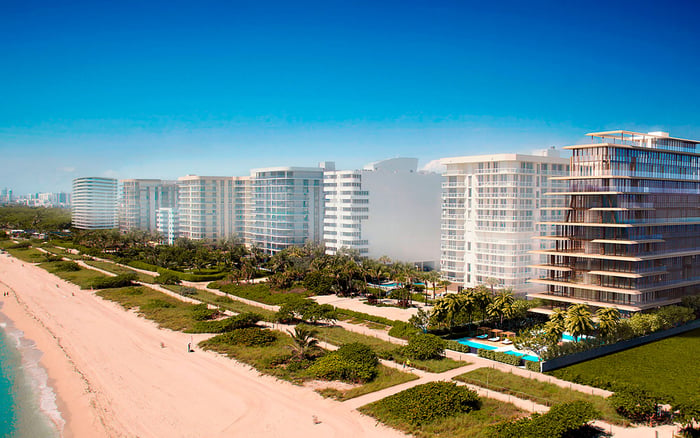
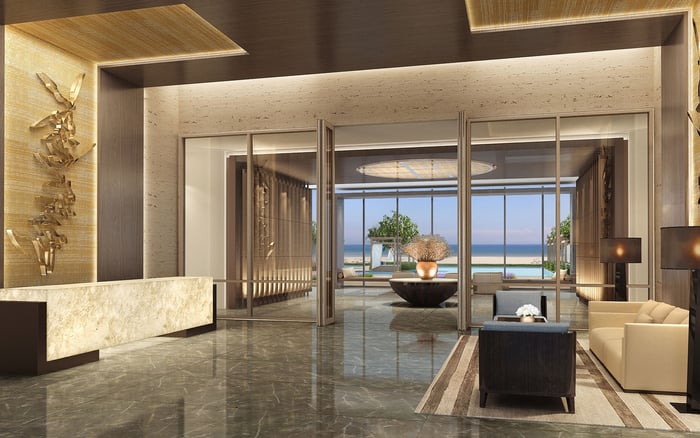
A discerning look at how South Florida buyers can separate authentic beach recovery rituals from superficial wellness amenity marketing.
In South Florida luxury real estate, wellness no longer persuades simply because a brochure names it. The sharper question is whether a residence helps owners recover from the lifestyle it celebrates: sun, salt, heat, movement, travel, social calendars, boating, and long days that begin or end at the water.
Beach recovery rituals sit at the center of that question. They are not just spa language. They are the small, repeatable comforts that frame life before and after the beach: an intuitive place to rinse off, a shaded transition from sand to lobby, a calm route back to the residence, a considered pool environment, quiet treatment spaces, and enough privacy for restoration to feel personal rather than performative.
That is where real wellness separates itself from amenity marketing. A photogenic relaxation room may impress during a showing, but a recovery ecosystem proves itself on an ordinary Tuesday. It works when a resident returns from the beach with children, guests, wet towels, sunscreen, and the desire to reset without friction.
For buyers, the strongest wellness proposition is not the longest amenity list. It is the one that makes recovery feel natural, discreet, and available without requiring an event around it.
A real ritual has three qualities: sequence, service, and repetition. Sequence means the building understands the journey from beach to residence. The best experience does not ask an owner to move through formal spaces while still in beach mode. It creates a graceful transition, with practical details resolved before they become daily irritations.
Service matters because recovery is operational. Towels must be available. Lounging areas must be maintained. Wet and dry zones must make sense. Treatment rooms, fitness areas, and pools need scheduling logic that respects privacy. If an amenity depends on a perfect sales presentation to feel compelling, it may not be designed for sustained use.
Repetition is the true test. A wellness feature should be easy to use often, not only when guests visit. The rituals that matter most are rarely theatrical. They are quiet, reliable, and embedded in the rhythm of ownership: hydration, shade, cooling down, rinsing off, stretching, pausing, and returning home with ease.
This is why buyers should listen for the difference between nouns and verbs. A building may have a spa, a pool, a treatment room, or beach access. The more revealing question is what residents can actually do there, how easily they can do it, and whether the experience remains polished after the first impression fades.
The amenity tour is designed to seduce. The operating plan is designed to endure. Ultra-premium buyers should ask questions that move the conversation from aesthetics to function: who manages the recovery spaces, how peak-use moments are handled, whether guest use is controlled, how privacy is protected, and how beach-to-building movement has been choreographed.
At the search level, labels such as Oceanfront, Beach-access, Pool, Miami Beach, Surfside, and Sunny Isles can help orient a buyer. But the label is only the beginning. Two residences can share a coastal vocabulary and deliver entirely different daily experiences.
Consider the difference between access and arrival. Access may mean proximity to sand. Arrival is the feeling of returning from that sand without congestion, exposure, or awkward transitions. A true recovery-minded building understands that the first five minutes after the beach can define the rest of the afternoon.
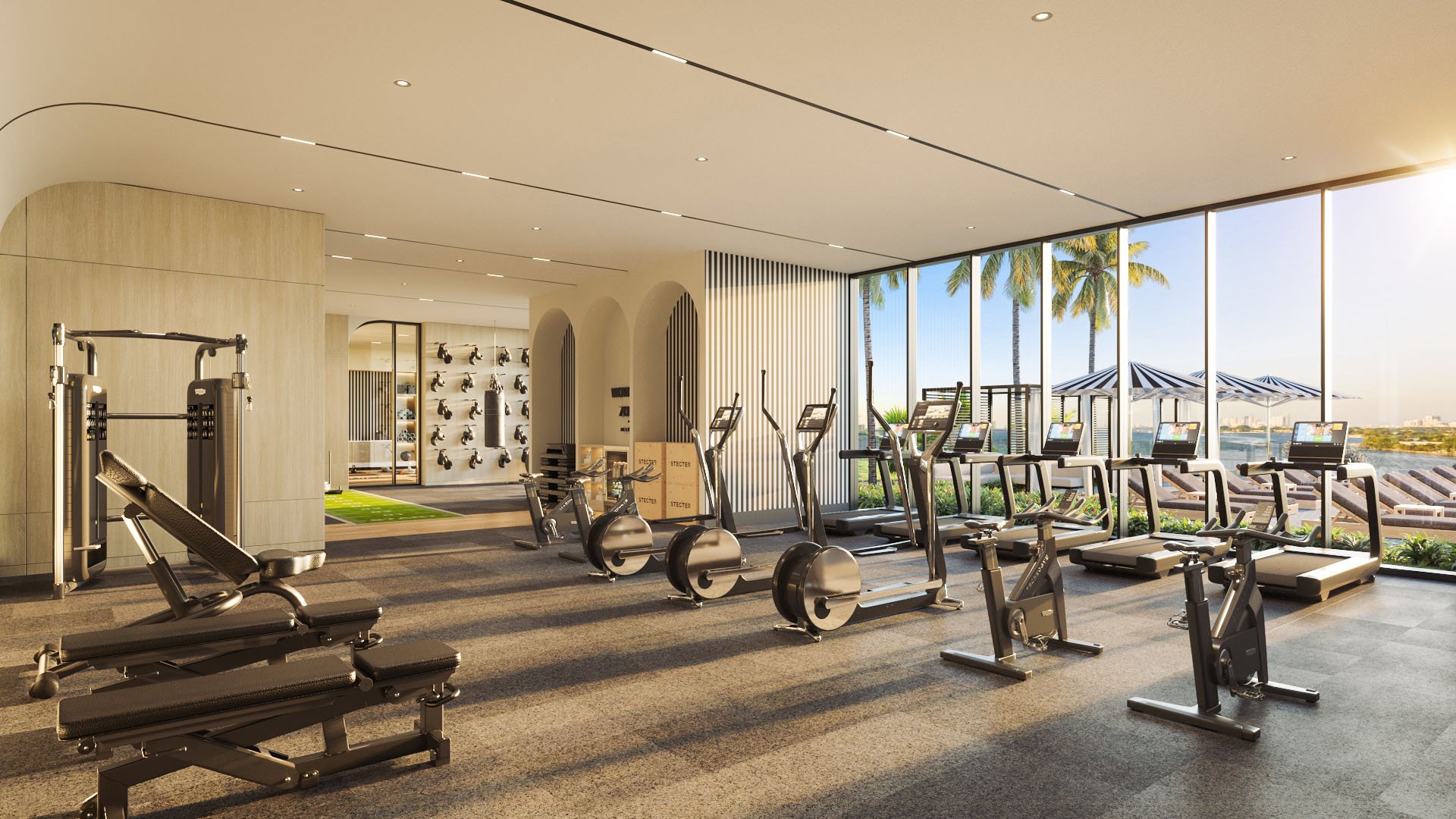
The same logic applies to fitness and spa spaces. A fitness room is not automatically wellness. A spa menu is not automatically recovery. The value lies in whether these elements connect to the way owners actually live: morning movement, midday beach use, post-sun decompression, evening preparation, and weekend hosting without sacrificing calm.
The most compelling wellness amenities are often the least conspicuous. They remove decisions. They shorten distances. They reduce exposure to heat, noise, and friction. They make it clear where to go, what to do, and how to move from activity to rest.
This is the quiet luxury affluent buyers increasingly recognize. It is not about having every imaginable feature. It is about having the right features in the right order, with enough discretion to feel residential rather than resort-like. A recovery ritual should not turn home into a public performance.
Privacy is central. A crowded amenity floor can undermine even the most beautiful design. So can an impressive but inconvenient wellness space that residents avoid because it feels exposed, overprogrammed, or disconnected from daily life. In luxury coastal property, serenity is not an aesthetic alone. It is a management outcome.
Buyers should also study material choices and spatial restraint. Durable surfaces, shaded areas, calm lighting, and sensible circulation can matter as much as more dramatic gestures. A wellness environment should age gracefully because it was designed around use, not just photography.
The first red flag is wellness language that cannot be translated into resident behavior. If a sales presentation leans on broad words like balance, vitality, or sanctuary without explaining how the building supports recovery day after day, the concept may be decorative.
The second is amenity inflation. When every space is described as transformative, nothing is prioritized. Serious wellness design makes choices. It understands that beach recovery is different from entertaining, different from fitness, and different from beauty services, even when these experiences overlap.
The third is poor adjacency. If the beach, pool, spa, fitness, changing, and residential arrival experiences do not relate to one another, the ritual becomes fragmented. Residents may still enjoy individual spaces, but the building has not created a coherent recovery path.
The fourth is lack of ownership clarity. Buyers should understand what is included, what is optional, what requires reservation, what is private, and what is shared. The more luxurious the promise, the more precise the operating details should be.
A discerning buyer can learn a great deal by asking simple questions. What does a resident do immediately after returning from the beach? Where do children, guests, beach bags, and wet items go? Can the owner move from sand to shower to residence without passing through overly formal areas? Is there a calm place to cool down before going upstairs?
Then ask about consistency. How are towels, loungers, pool areas, and recovery spaces maintained during busy periods? Are wellness services integrated into the residential experience or merely offered as occasional programming? Does the amenity environment feel equally comfortable alone, with family, and with guests?
Finally, trust the body. During a tour, notice whether the wellness spaces create relief or demand attention. Real recovery lowers the volume. It makes the building feel composed. Amenity marketing often asks to be admired. Wellness worth paying for is felt before it is explained.
What is a beach recovery ritual in luxury real estate? It is the sequence of spaces, services, and transitions that help residents reset before and after time at the beach.
How is real wellness different from amenity marketing? Real wellness is usable, maintained, and integrated into daily living. Amenity marketing often emphasizes visuals without proving function.
Should buyers prioritize a spa or a better beach arrival sequence? The stronger choice depends on lifestyle, but arrival sequence is often the foundation of daily coastal comfort.
Why does privacy matter in wellness amenities? Recovery requires ease and discretion. If a space feels crowded or performative, it may not support true restoration.
Is a large amenity list always better? Not necessarily. A focused, well-run collection of amenities can be more valuable than a long list with weak execution.
What should buyers ask during a property tour? Ask how residents move from beach to residence, how amenities are managed, and what happens during peak-use periods.
Can a pool be part of a recovery ritual? Yes, when it supports cooling down, quiet lounging, and easy movement between beach, wellness, and private residential spaces.
What is a red flag in wellness positioning? Vague language without operational detail is a concern. Buyers should be able to understand exactly how the amenity works.
Do beach recovery rituals affect long-term enjoyment? They can, because small daily conveniences often shape how relaxed and usable a coastal residence feels over time.
How should buyers compare two similar coastal buildings? Compare the everyday ritual, not just the amenity inventory. The better building will make recovery feel simpler and more private.
To compare the best-fit options with clarity, connect with MILLION.
If branded residences are on your mind — as a home or as an allocation — we would be glad to share what we are seeing, privately.
Begin a quiet conversation