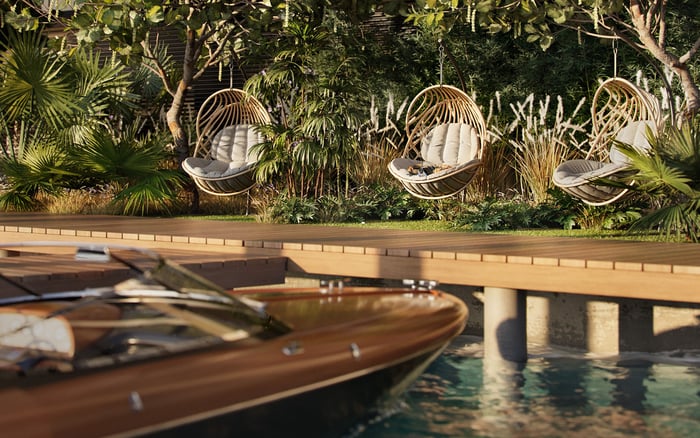
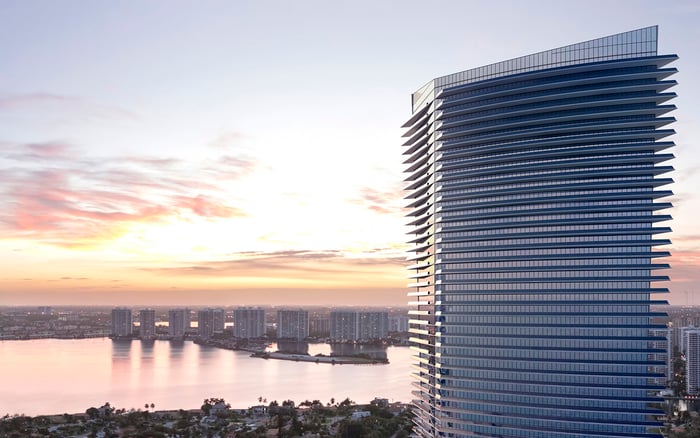
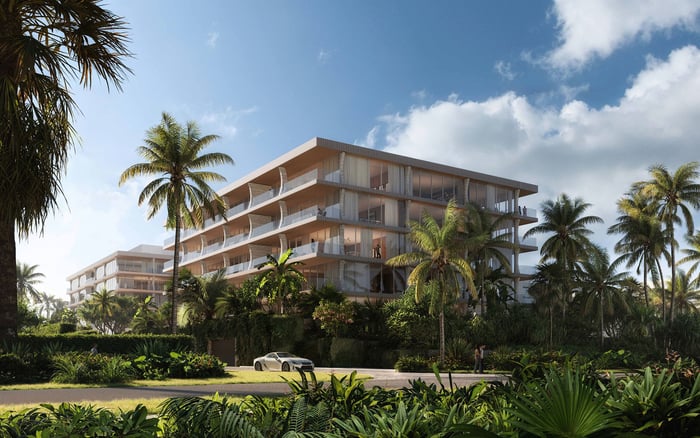
A discreet buyer’s guide to evaluating Bay Harbor Towers against Turnberry Ocean Club Sunny Isles, with emphasis on beach access, wind exposure, seasonal crowding, and buyer fit.
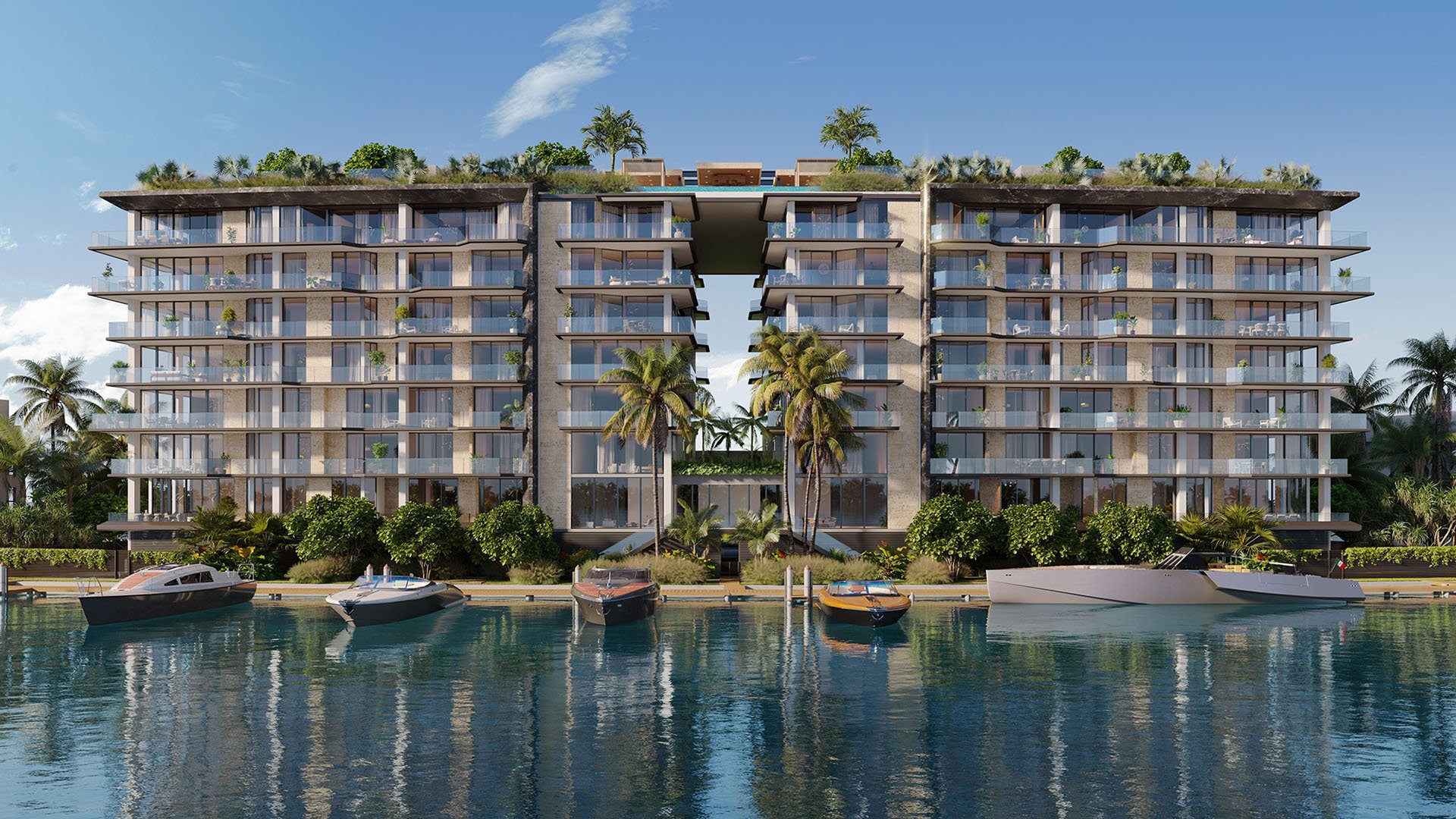
For sophisticated South Florida buyers, Bay Harbor Towers and Turnberry Ocean Club Sunny Isles should not be evaluated as interchangeable waterfront addresses. Both speak to water-oriented living, but they deliver very different daily experiences. Turnberry Ocean Club sits in Sunny Isles Beach as a direct oceanfront luxury condominium asset, where the Atlantic is not a backdrop so much as the organizing principle of the property. Bay Harbor Towers, by contrast, belongs to Bay Harbor Islands, a more residential waterfront setting that is bayfront rather than directly beachfront.
That distinction shapes nearly every due-diligence question. Beach access, wind exposure, seasonal movement, view orientation, and even the emotional cadence of ownership change when the sand is immediately below the tower rather than reached from a quieter island setting. The answer is not simply oceanfront versus bayfront. It is a matter of buyer profile, use pattern, and tolerance for the public energy that often comes with the most coveted beachfront corridors.
At Turnberry Ocean Club, beach access is a primary lifestyle and value driver. Buyers should study the actual beach interface, not merely the language around the shoreline. The practical questions are simple but important: how does one move from residence to pool, from pool to sand, and from sand back into private amenity space? The quality of that transition can determine whether daily beach use feels effortless or ceremonial.
Bay Harbor Towers requires a different lens. It can offer waterfront living, water views, and a bayfront setting without being a direct Atlantic beachfront property. For many buyers, that is not a compromise. It may be the appeal. The Bay Harbor Islands rhythm can feel more residential, more discreet, and less defined by beachgoer circulation. Still, any buyer who expects an oceanfront routine should map the actual route to nearby Atlantic beaches and decide whether that distance fits the way the residence will be used.
This is where vocabulary matters. “Waterfront” describes proximity to water. “Beachfront” describes immediate access to the Atlantic sand. Bay Harbor Towers is best understood through the former. Turnberry Ocean Club is best understood through the latter.
Oceanfront ownership is sensory. It offers horizon views, surf sound, and a strong connection to the Atlantic, but it also introduces physical considerations that deserve close evaluation. At Turnberry Ocean Club, wind exposure, salt air, view orientation, and balcony usability are not minor details. They are core parts of the ownership experience, especially on higher floors and in residences where outdoor living is central to the purchase rationale.
Buyers should visit at different times of day when possible and think beyond the view photograph. Is the balcony comfortable enough for morning coffee, afternoon reading, or evening entertaining? Does the preferred exposure invite breezes that feel restorative, or gusts that make outdoor furniture and glass railings a maintenance consideration? Does the view orientation favor open Atlantic drama, coastline perspective, or a more layered urban-beach composition?
Bay Harbor Towers presents a different set of questions. The focus shifts toward bayfront orientation, water-view quality, and the relationship to the surrounding residential enclave. The bayfront condition may feel calmer than a direct Atlantic edge, but buyers should still assess sightlines, neighboring buildings, boating-adjacent activity, and how the water experience changes from day to evening.
Sunny Isles Beach is a high-rise beachfront corridor, and that energy is part of its luxury identity. In peak season, the public realm can feel animated, with more beach activity, more arrivals, and a stronger resort rhythm. For buyers who want immediate beach access, services, ocean views, and modern ultra-luxury tower living, that atmosphere can be precisely the point.
The same energy may be less appealing to a buyer seeking a quieter daily cadence. Bay Harbor Towers, set within Bay Harbor Islands, may suit those who want a more removed waterfront environment and a less beach-crowd-driven routine. The distinction is especially important for seasonal residents. A winter residence intended for guests, beach days, and resort-style living may favor Turnberry Ocean Club. A second-home owner seeking calm mornings, a neighborhood feel, and a more residential waterfront pattern may lean toward Bay Harbor Towers.
The due-diligence question is not whether peak-season activity is good or bad. It is whether it supports the life the buyer is actually buying.
For capital-focused buyers, the comparison should separate two value propositions. Turnberry Ocean Club brings oceanfront scarcity, modern tower positioning, and the prestige of immediate Atlantic access. Those qualities speak to buyers who place a premium on direct beach lifestyle and the global recognition of the Sunny Isles coastline.
Bay Harbor Towers offers a different thesis: bayfront ownership in Bay Harbor Islands, with a quieter residential character and a value proposition shaped by enclave living rather than beachfront immediacy. That may appeal to buyers who are less interested in daily sand access and more focused on privacy, water orientation, and a neighborhood that feels set apart from the heaviest beachfront circulation.
An investment lens should also account for usability. A property that fits the owner’s real-life pattern often performs better personally, even before any financial analysis. The residence used often, enjoyed comfortably, and understood clearly is usually the more intelligent acquisition.
Before choosing between these two settings, buyers should walk the daily routine. At Turnberry Ocean Club, test the beach path, study dune adjacency, consider pool-to-sand transitions, and observe seasonal beach activity. Review how wind and salt air may affect outdoor living, finishes, and maintenance expectations.
At Bay Harbor Towers, study the bayfront orientation, water views, neighboring context, and the practical route to the beach. Ask whether the residence is being purchased for water-view serenity, access to a quieter enclave, or as a substitute for beachfront ownership. Those are different motivations, and they should not be blurred.
Most importantly, buyers should decide what kind of waterfront life they want before comparing floor plans. Oceanfront immediacy is powerful, but so is calm. The best purchase is the one where the setting, not just the residence, matches the owner’s intended rhythm.
Is Turnberry Ocean Club more beach-immediate than Bay Harbor Towers? Yes. Turnberry Ocean Club is oceanfront in Sunny Isles Beach, while Bay Harbor Towers is bayfront in Bay Harbor Islands.
Does Bay Harbor Towers still count as waterfront living? Yes. It should be evaluated as a bayfront waterfront asset, not as a direct Atlantic beachfront property.
Who is the stronger fit for Turnberry Ocean Club? Buyers prioritizing immediate beach access, ocean views, resort-style services, and modern tower living are the natural fit.
Who may prefer Bay Harbor Towers? Buyers seeking a quieter residential enclave and a less beach-crowd-driven daily rhythm may find it more aligned.
Why does wind exposure matter at an oceanfront tower? Wind, salt air, and orientation can affect balcony comfort, maintenance expectations, and how often outdoor space is used.
Should buyers visit during peak season? When possible, yes. Peak-season visits reveal beach activity, arrival patterns, and the public-realm energy around the property.
Is oceanfront always better for resale? Not always. Oceanfront scarcity is powerful, but buyer fit, condition, views, services, and pricing discipline still matter.
What should Bay Harbor Towers buyers diligence first? They should focus on bayfront orientation, water views, surrounding context, and the practical route to nearby beaches.
What should Turnberry Ocean Club buyers diligence first? They should evaluate the beach interface, pool-to-sand movement, wind conditions, view orientation, and seasonal activity.
Is this a lifestyle decision or an investment decision? It is both. The strongest acquisition usually aligns capital logic with how the owner will actually live in the residence.
For a discreet conversation and a curated building-by-building shortlist, connect with MILLION.
If branded residences are on your mind — as a home or as an allocation — we would be glad to share what we are seeing, privately.
Begin a quiet conversation