A discreet decision framework for Monaco buyers weighing a Miami Design District second home against a primary residence, from personal use and governance to property selection and professional coordination.
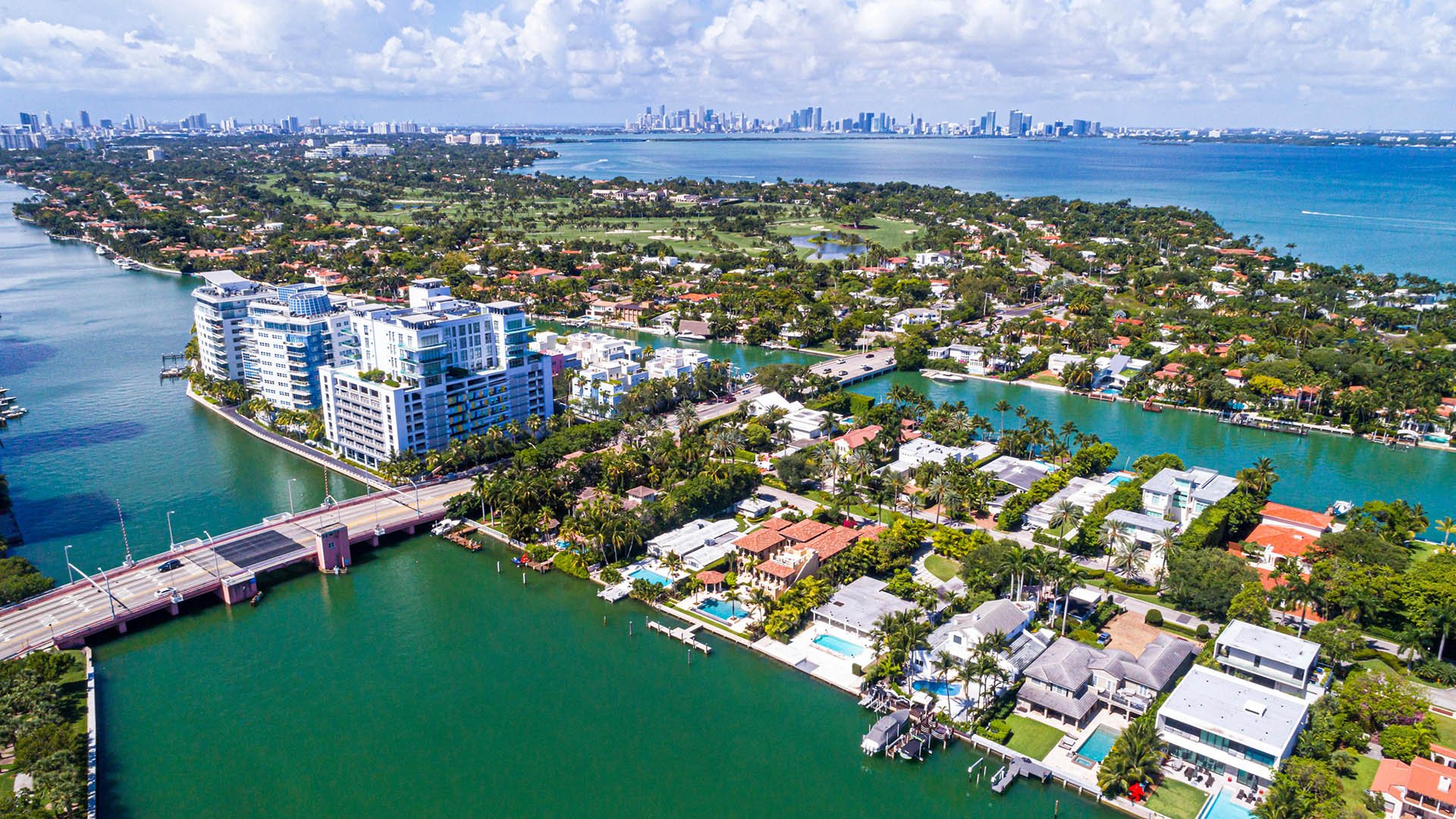
For a Monaco buyer, choosing between a second home and a primary residence in Miami is not simply a matter of how many months to spend in Florida. It is a decision about daily rhythm, family governance, mobility, privacy, and the property’s role within a broader international portfolio.
The Miami Design District can suit either brief, but the buying criteria should reflect the intended use. A second home may prioritize effortless arrivals, lock-and-leave simplicity, managed services, and a layout that works beautifully for concentrated stays. A primary residence must perform through ordinary weeks as well as social occasions, demanding greater attention to storage, workspaces, household operations, deliveries, guests, and long-term comfort.
The prudent sequence is to define the life first, establish the appropriate legal and financial structure with advisers, and only then select the residence. Treating the designation as an afterthought can leave an exceptional property mismatched to its owner.
“Primary residence” can carry different meanings across tax, immigration, insurance, estate planning, banking, and personal administration. Buyers should not assume that calling a Miami property their principal home resolves those questions. Each discipline may examine different documents, conduct, connections, and timelines.
Before making an offer, prepare a concise residence brief for qualified cross-border tax, immigration, and estate-planning professionals. It should cover anticipated travel, family members, business interests, existing homes, ownership objectives, succession preferences, and the expected pattern of use. The aim is not to engineer a label, but to make the intended arrangement coherent and properly documented.
A second-home strategy deserves the same rigor. Counsel can help assess how the acquisition, ownership vehicle, financing, operating expenses, and eventual transfer or sale interact with the buyer’s broader affairs. These decisions should be coordinated, not made in isolation.
For the second-home brief, focus on friction. Consider how the residence will be prepared before arrival, supervised while vacant, maintained between visits, and secured without creating an institutional atmosphere. Determine how luggage, seasonal wardrobes, vehicles, art, wine, and personal effects will be handled. Review guest access, household staff protocols, package management, and any rules affecting the desired pattern of occupancy.
For the primary-residence brief, evaluate repetition. Walk through a normal morning, a working day, a family dinner, an extended guest stay, and a period when one owner is traveling. Test acoustic separation, private and formal circulation, kitchen practicality, wardrobe capacity, service areas, parking, pet routines, and space for confidential calls.
This is where lifestyle and investment criteria should be separated. A home can be compelling as a personal base without satisfying an investor’s preferred operating model. Conversely, flexibility that appears attractive on a spreadsheet may compromise privacy or calm. Establish which objective takes priority and record that choice.
A Design District search should begin at street level. Visit each candidate at the hours when the household would actually arrive, leave, entertain, and receive services. Study the transition from car to lobby, and from lobby to residence. For a privacy-sensitive buyer, the quality of this sequence may matter as much as the interior.
Within the immediate area, Kempinski Residences Miami Design District and Miami Tropic Residences can serve as starting points for a tailored review. Inclusion on a shortlist should prompt project-specific due diligence, not assumptions about suitability. Confirm current plans, contracts, policies, costs, completion expectations, management arrangements, and permitted uses directly through the appropriate professional team.
A buyer choosing a primary residence should also test whether the surrounding routine works without a visitor’s mindset. A buyer focused on a second home should assess whether limited stays justify the chosen scale, carrying obligations, and level of personalization.
The Design District may be the preferred center of gravity, yet nearby alternatives can bring priorities into sharper focus. Villa Miami offers an Edgewater comparison, while The Perigon Miami Beach provides a Miami Beach reference point. Buyers seeking a different residential cadence may also review Four Seasons Residences Coconut Grove.
These comparisons are not substitutes for the original brief; they are diagnostic tools. If a buyer repeatedly favors a different arrival experience, level of seclusion, household format, or relationship to the city, the brief may be revealing a preference the initial location choice did not capture.
Keep the comparison disciplined. Apply the same criteria to every property: intended occupancy, privacy, service model, plan efficiency, outdoor space, storage, staffing, parking, building governance, insurance review, and exit considerations. This turns an emotional tour into a defensible selection process while preserving room for instinct.
The most elegant acquisitions are coordinated. A Monaco buyer may need Florida real-estate counsel, cross-border tax advice, immigration counsel, estate-planning guidance, insurance expertise, financing advice where relevant, and technical review of the residence and building documents. The precise team depends on the buyer’s circumstances.
Give each adviser the same written brief and designate one person to track open issues. Ask advisers to identify where their recommendations intersect. Ownership structure can affect estate planning; intended occupancy can influence insurance discussions; renovation plans can affect timing and operating assumptions. No single adviser should be expected to resolve every dimension.
For 2026 planning, build decision gates rather than relying on momentum: approve the residence strategy; approve the ownership and advisory framework; approve the building and unit due diligence; then approve the final commercial terms. This is the core discipline of a buyer’s guide for an international acquisition.
Choose the second-home route when the property is meant to complement an established life elsewhere and can be operated elegantly during absences. Choose the primary-residence route when Miami is intended to support the household’s ordinary life and the wider legal, financial, and administrative framework has been examined accordingly.
In either case, the best answer is the one that remains coherent across family use, governance, privacy, and long-term stewardship. The residence should not merely photograph well on arrival. It should continue to feel right after the novelty has receded.
Can a Monaco buyer call a Miami condominium a primary residence? The terminology should be reviewed with qualified tax, immigration, insurance, and estate-planning advisers in light of the buyer’s individual circumstances.
Is a second home simpler to purchase than a primary residence? Not necessarily. Both require careful review of ownership, contracts, insurance, operating costs, succession, and intended use.
Should tax planning happen before property selection? Yes. Early advice can help align the proposed purchase and ownership approach with the buyer’s wider cross-border position.
What matters most for a lock-and-leave residence? Prioritize secure arrivals, dependable property oversight, maintenance protocols, storage, privacy, and clear building rules.
What changes when the property will be used every day? Storage, acoustics, work areas, household circulation, staffing needs, parking, and service access become more consequential.
Should buyers compare the Design District with other neighborhoods? Yes. A controlled comparison can reveal whether location, privacy, waterfront orientation, or household scale truly leads the brief.
Are branded services automatically suitable for every buyer? No. Evaluate the actual service scope, governance, costs, privacy standards, and fit with the household’s operating preferences.
Can a purchase be evaluated primarily as an investment? It can be considered through that lens, but financial objectives should be distinguished from personal-use priorities and reviewed professionally.
What documents should advisers receive? Provide the proposed contract, ownership information, intended-use brief, financing assumptions, relevant building materials, and estate-planning context.
When should a buyer make the final second-home versus primary decision? Make it before signing, after the intended lifestyle and cross-border implications have been reviewed by the appropriate advisers.
For a tailored shortlist and next-step guidance, connect with MILLION.
If branded residences are on your mind — as a home or as an allocation — we would be glad to share what we are seeing, privately.
Begin a quiet conversation