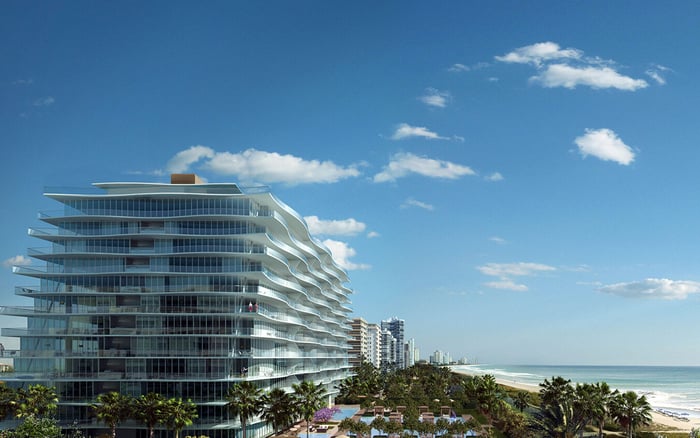
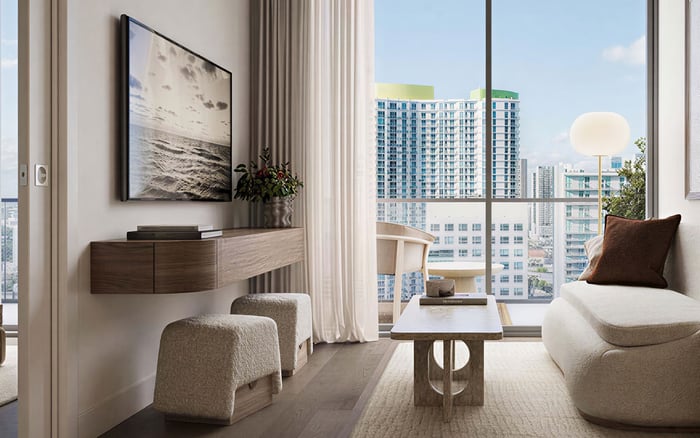
Beach access changes the way cash buyers evaluate leverage, timing, inspection priorities, and walk-away discipline in South Florida’s luxury residential market.
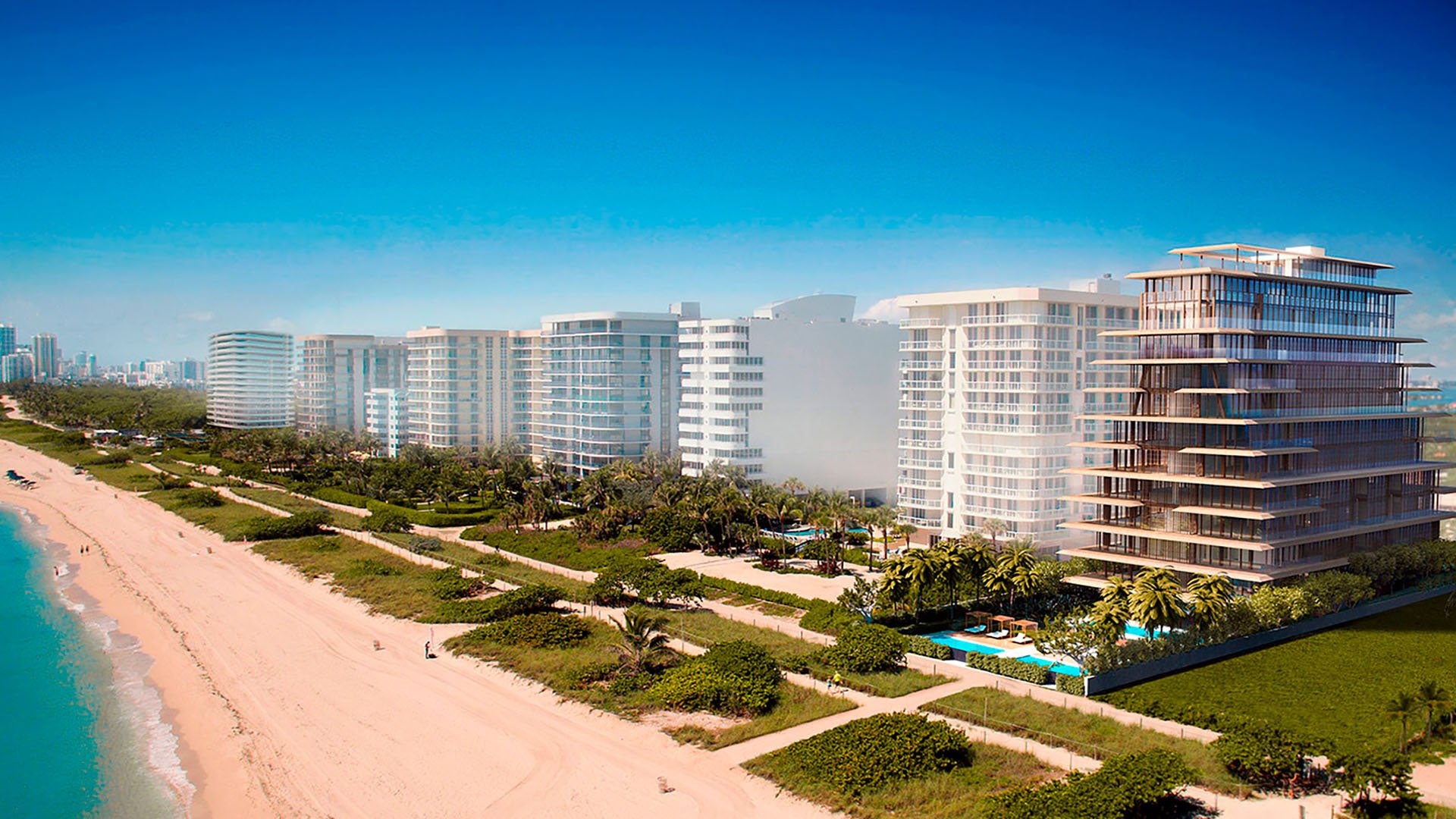
For a cash buyer, beach access is rarely just a line in a property description. It shapes the rhythm of ownership, the privacy of arrival, the perceived scarcity of the residence, and the way a seller expects the asset to be valued. In South Florida’s luxury market, the distinction between direct sand access, a short walk, a deeded access point, or a view without practical shoreline convenience can reshape the entire negotiation posture.
Cash can simplify a deal, but it does not automatically create leverage. Sellers of coveted coastal property often understand that the strongest buyer is not always the one with the highest offer, but the one with the clearest certainty of closing. The buyer’s task is to convert that certainty into meaningful value without appearing opportunistic or underinformed.
The true question is not whether the property is near the beach. It is how the access functions, how private it feels, how defensible the premium is, and how confidently the buyer can proceed.
A disciplined cash buyer begins by separating romance from utility. Direct access from a building, guarded entry to the sand, walkable public access, and a beach view from across a road are distinct ownership experiences. Each deserves its own pricing lens.
The first layer is physical convenience. How many steps separate the residence from the sand? Is the route intuitive, private, shaded, secure, and pleasant enough for daily use? A buyer planning morning swims, sunset walks, or family beach days will live with those details constantly. If the access is cumbersome, the premium deserves scrutiny.
The second layer is legal and operational clarity. Buyers should understand whether access is private, shared, public, limited by association rules, or dependent on an adjacent path or easement. Even when the lifestyle impression is strong, ambiguity can become a negotiation point. Cash buyers can move quickly, but they should not move blindly.
The third layer is emotional scarcity. Sellers often price beach convenience as a rare privilege. Cash buyers should respect that psychology while testing whether the access advantage is genuinely scarce among comparable choices. If several alternatives offer similar access with better interiors, newer systems, stronger privacy, or more flexible terms, that comparison becomes leverage.
Cash gives the buyer control over certainty. There is no financing contingency, no lender timeline, and fewer external conditions that can delay closing. In a competitive beach-access scenario, that certainty can be more persuasive than a modest price increase, especially when a seller values privacy, speed, or reduced execution risk.
Yet cash should not be presented as a blunt instrument. The strongest approach is understated: a clean contract, a thoughtful deposit structure, discreet proof of funds, and a timeline that solves the seller’s problem. If the seller needs a fast close, cash can provide it. If the seller needs time to transition, cash can provide that too. Flexibility is often the quiet currency of a successful luxury negotiation.
Cash also allows a buyer to seek value beyond price. Furnishings, club-related timing, closing date, inspection access, post-closing possession, and repair credits can all be part of the conversation when appropriate. The more desirable the beach access, the more surgical those requests should be. Overloading the offer with minor demands can dilute the power of cash.
The strongest negotiation strategy assigns value to both pleasure and inconvenience. A residence with effortless beach access may justify a firmer offer if it also delivers privacy, strong light, functional outdoor space, and a layout that supports daily coastal living. A property with celebrated proximity but awkward access, limited storage, heavy foot traffic, or compromised arrival should be treated more carefully.
Buyers should also think beyond the first impression. Where will chairs, paddleboards, umbrellas, and wet towels go? Is there a service elevator or beach-level storage? Does the building or residence make coastal living graceful, or does it force the owner to improvise? The answers influence not only comfort, but also resale appeal.
For a cash buyer, this is where negotiation becomes elegant. Rather than declaring the property overpriced, the buyer can frame the offer around the full ownership experience. The message is simple: the beach access is valued, but the offer reflects the complete reality of the asset.
Cash buyers often shorten inspection periods to compete, but beach-proximate property requires disciplined review. Salt air, humidity, exterior exposure, window systems, balcony conditions, mechanical equipment, waterproofing, and association maintenance should all be approached with care. A shortened inspection period is powerful only if the buyer has the right team ready before the offer is submitted.
The negotiation advantage comes from preparation. If the buyer can inspect quickly and respond with precision, the seller sees seriousness rather than uncertainty. Any requested concession should be specific, proportionate, and tied to ownership risk. Vague concern rarely moves a sophisticated seller. Documented friction can.
This is especially important when the home’s appeal is driven by emotion. Beach access can make buyers forgiving in the moment. Inspection discipline prevents that emotion from becoming an overpayment.
Sellers of coastal residences often attach a premium to what the property has meant to them: the walks, the view corridors, the quiet mornings, the ease of hosting, and the feeling of being connected to the water. A cash buyer who ignores that emotional ownership history may appear transactional in the wrong way.
The better strategy is to acknowledge the premium while narrowing the discussion to terms. If the seller believes the beach access deserves a strong number, the buyer can respond with certainty, privacy, and a clean path to closing. This preserves dignity on both sides. It also avoids the common mistake of trying to win a luxury negotiation by overexplaining deficiencies.
In many cases, the winning cash offer is not the lowest acceptable price. It is the offer that feels most likely to close without drama.
Cash buyers should be willing to pay for irreplaceable access, but only when the access is matched by the rest of the asset. A beautiful path to the sand cannot fully compensate for a compromised floor plan, weak privacy, burdensome maintenance, or unclear building conditions. The premium should be supported by the whole property, not carried by one feature.
A pause is appropriate when the seller’s price depends on an emotional definition of beach access that the market may not share. If the residence is close to the water but lacks privacy, convenience, or architectural quality, the buyer should let the terms do the talking. A clean but measured offer can reveal whether the seller is anchored in reality or sentiment.
Walking away is appropriate when access creates more liability than value. If the buyer feels pressure to waive too much, ignore condition concerns, or accept ambiguous rights, cash becomes a risk rather than an advantage. The most sophisticated buyers know that liquidity is most powerful when paired with restraint.
Does beach access always justify a higher offer? Not always. The premium depends on privacy, convenience, legal clarity, condition, and the quality of alternatives.
How can a cash buyer use beach access in negotiation? Cash can be paired with a clean timeline, limited contingencies, and flexible closing terms to offset price pressure.
Is direct oceanfront access more valuable than walkable access? It can be, but only when it improves daily use, privacy, and long-term ownership appeal in a meaningful way.
Should cash buyers waive inspections near the beach? Caution is wise. Coastal homes deserve careful review, even when the buyer wants to present a competitive offer.
What is the biggest mistake buyers make with beach access? Many buyers price the view or proximity without studying how the access actually works day to day.
Can a lower cash offer beat a higher financed offer? It can if the seller values certainty, speed, privacy, and fewer closing risks more than the extra price.
How should buyers evaluate public beach access nearby? They should consider convenience, privacy, foot traffic, security, and whether the access enhances or dilutes ownership.
Does beach access matter for resale? It often supports buyer interest, but resale strength also depends on condition, design, location, and carrying costs.
Should furnishings be part of the negotiation? They can be, especially when immediate use matters, but the request should not distract from the core deal terms.
What is the best way to shortlist comparable options for touring? Start with location fit, delivery status, and daily lifestyle priorities, then compare stacks and elevations to validate views and privacy.
If you'd like a private walkthrough and a curated shortlist, connect with MILLION.
If branded residences are on your mind — as a home or as an allocation — we would be glad to share what we are seeing, privately.
Begin a quiet conversation