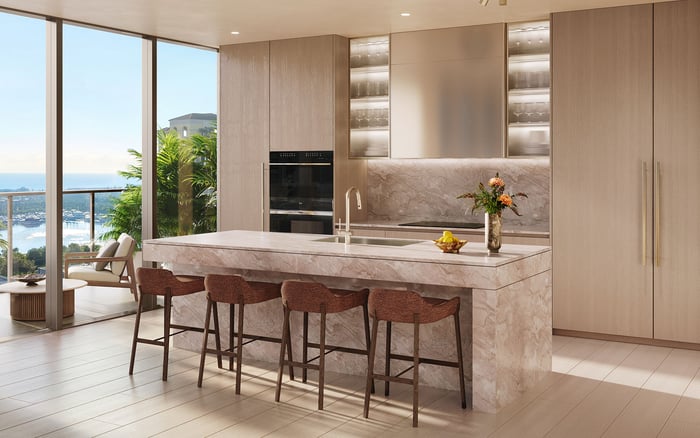
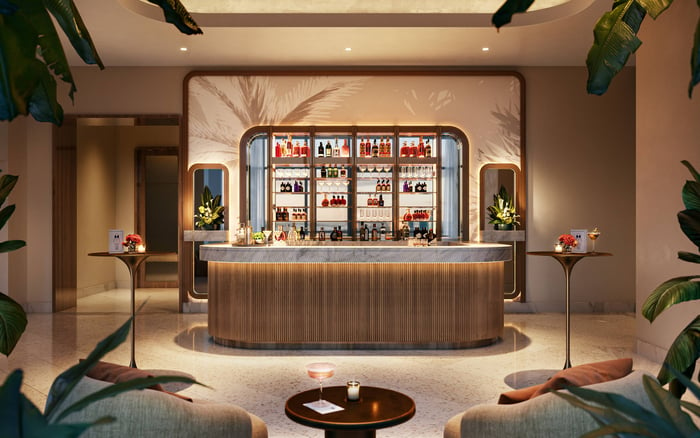
A practical due-diligence guide to the questions buyers should ask when evaluating terrace exposure, usable dimensions, infrastructure, furnishings, storm procedures, and entertaining rules at Edgeworth West Palm Beach.
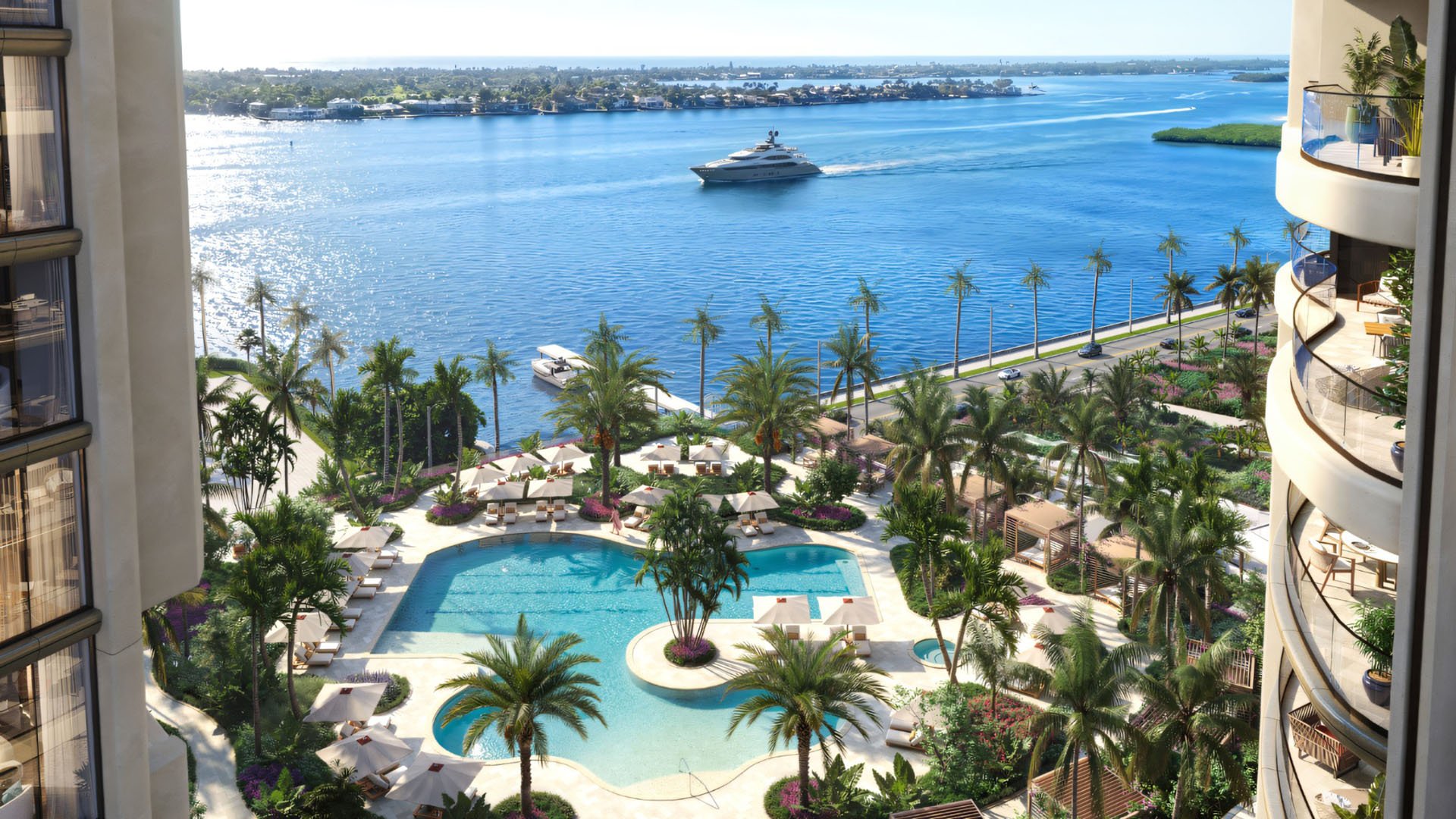
Terrace due diligence at Edgeworth West Palm Beach should begin with the exact residence under consideration. General presentations and renderings can help communicate a design concept, but they do not establish how an individual outdoor area will function at a particular time of day or season.
Request the current residence plan, terrace dimensions, elevation, door configuration, railing layout, structural obstructions, and applicable rules. Review those materials alongside the purchase documents rather than relying on verbal descriptions or broad statements about views and outdoor living.
Compass direction is only one part of the comfort analysis. Ask for available residence-specific information showing expected sunlight and shade at different times of day and during different seasons. Overhang depth, neighboring building elements, terrace geometry, and the location of doors can all affect how the space may be used.
Buyers should also confirm whether umbrellas, screens, planters, or other movable shading elements are permitted. Ask about allowable dimensions, colors, anchoring methods, placement, and required storage during severe weather. Any proposed addition should be checked against the governing documents before purchase or installation.
Ask whether wind information is available for the selected floor and stack. The useful questions are practical: how might conditions affect door operation, dining, lightweight objects, cushions, planters, and furniture placement? Buyers should also ask whether loose items must be removed under specified conditions and where they may be stored.
For a consistent comparison, apply the same questions to other West Palm Beach options, including Forté on Flagler West Palm Beach and The Ritz-Carlton Residences® West Palm Beach. A project name, rendering, or stated terrace area is not a substitute for residence-level review.
Obtain a measured plan that identifies clear depth and width, columns, railings, drains, thresholds, door movement, and required circulation paths. Place scaled versions of the intended dining table, lounge furniture, planters, and serving pieces on that plan before deciding whether the layout supports the desired routine.
Allow enough room to open doors and move around occupied chairs without blocking drainage or egress. If multiple activity zones are contemplated, test how guests would circulate between them and the interior. Confirm whether furniture must be secured and which attachment methods, if any, are allowed.
Heavy objects require separate review. Before selecting large planters, sculpture, substantial tables, or other weighty pieces, request the applicable load limits and approval procedures. Buyers should not assume that an item is acceptable merely because it fits within the terrace footprint.
Ask for the number and exact placement of electrical outlets, lighting controls, drains, and water connections. Confirm whether fans, speakers, internet coverage, or other features are included, optional, owner-installed, or prohibited. Every material feature should be identified in the applicable specifications and purchase documents.
Review thresholds and drainage paths carefully. Ask how water is directed away from doors, whether rugs or planters could interfere with drainage, and who is responsible for maintaining surfaces, railings, drains, and owner-installed equipment.
Outdoor cooking also requires written confirmation. Determine whether any cooking equipment is included or available as an option, what appliance types are permitted, and which restrictions apply to installation, ventilation, operation, and storage.
A terrace is part of a shared residential setting, so buyers should examine the governing provisions for noise, music, hours, guest activity, deliveries, and vendor access. If catered gatherings are important, ask about loading procedures, elevator use, advance notice, insurance documentation, and any required approvals.
Day-to-day use deserves equal attention. Walk through the route from the kitchen to the proposed dining area, consider lighting needs after dark, and identify a safe location for cushions and loose accessories when they are not in use. Buyers may also include Shorecrest Flagler Drive West Palm Beach in their comparison while applying the same document-based review to each residence.
Before making a decision, compare plans, specifications, sales materials, association documents, and the purchase agreement. Note any unanswered questions about dimensions, exposure, utilities, furniture, cooking, storm procedures, or entertaining, and request written clarification from the appropriate project representatives and professional advisers.
The central test is not whether a terrace appears impressive in a presentation. It is whether the documented dimensions, conditions, infrastructure, and rules support the buyer’s intended pattern of use.
What should buyers request first when evaluating an Edgeworth terrace? Request the current plan and documents for the specific residence, including measured dimensions, door locations, railings, drains, and applicable rules.
How can a buyer assess likely shade? Ask for available residence-specific exposure information by season and time of day, then review the effect of overhangs and terrace geometry.
Why should wind be reviewed at the residence level? Conditions may affect doors, furnishings, cushions, tabletop objects, and everyday comfort, so general project materials may not answer practical questions.
Which dimensions matter for furniture planning? Confirm clear width and depth, columns, door movement, drainage paths, circulation space, and required egress rather than relying only on total area.
Can large planters or heavy furniture be placed on the terrace? Do not assume so; verify load limits, waterproofing protections, anchoring requirements, and approval procedures before selecting heavy items.
Which utilities should be confirmed? Check the exact location and status of outlets, lighting controls, drains, water connections, fans, speakers, and internet coverage.
Is outdoor cooking permitted? The applicable documents should confirm whether cooking equipment is included, optional, restricted, or prohibited for the selected residence.
What storm procedures should a buyer investigate? Ask when loose items must be removed or secured, what anchoring methods are allowed, and where furniture components and accessories may be stored.
Which entertaining provisions deserve attention? Review rules governing noise, music, hours, guests, catering, deliveries, vendor access, insurance, and advance approvals.
How should buyers resolve conflicting terrace information? Compare the current plans, specifications, governing documents, and purchase agreement, then obtain written clarification before relying on a representation.
If you'd like a private walkthrough and a curated shortlist, connect with MILLION.
If branded residences are on your mind — as a home or as an allocation — we would be glad to share what we are seeing, privately.
Begin a quiet conversation