A discreet buyer’s guide for Houston residents considering West Palm Beach and other South Florida addresses where walkability, privacy, waterfront living, and daily ease can coexist.
For a Houston buyer evaluating West Palm Beach, walkability can sound deceptively simple. In practice, it is not just the ability to leave the car behind. It is the ability to move through the day with less friction while preserving the private, controlled feeling many Texas homeowners value.
The first step is to define the walking lifestyle with precision. Some buyers want a morning coffee ritual, a dinner circuit, a marina path, a dog walk, or easy access to wellness appointments. Others want the option to walk without living directly above the energy they intend to enjoy. The right address is often not the loudest corner, but the calmer edge of a connected district.
In West Palm Beach, that usually means thinking in layers: the building or home, the street, the arrival sequence, and the nearby destinations. A home can sit close to activity without feeling exposed to it. That distinction is where luxury buyers should focus their attention.
Houston privacy is often expressed horizontally: deeper lots, gated entries, motor courts, garden buffers, and a clear separation between the public street and the private residence. South Florida can offer those qualities, but it also introduces a more vertical version of privacy. Elevation, views, private elevator access, controlled lobbies, and thoughtful amenity placement can matter as much as lot size.
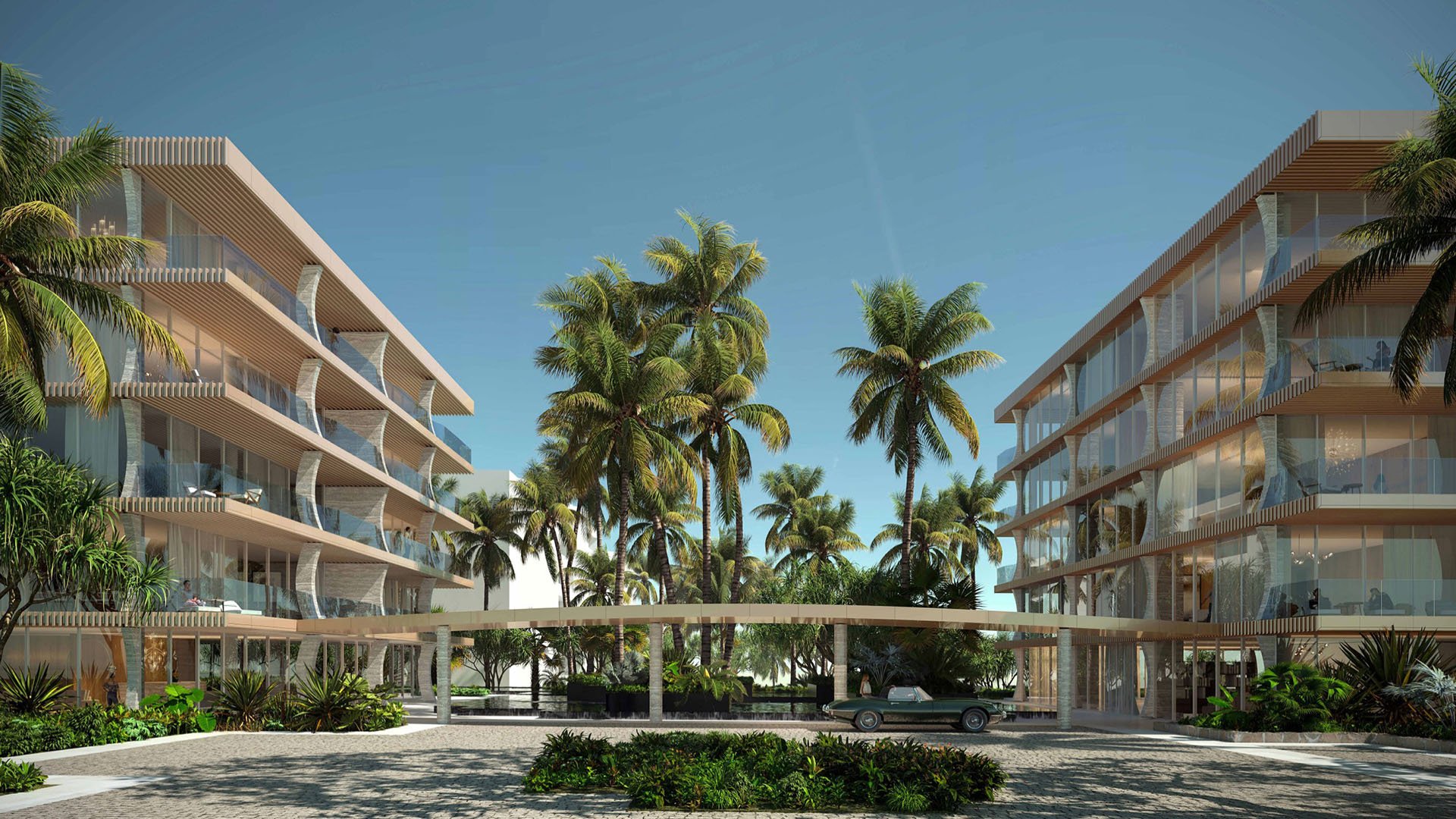
For buyers considering condominium living, privacy begins well before the residence door. Study the porte cochere, parking access, elevator path, lobby scale, and how guests, staff, deliveries, and residents circulate. A walkable address loses its appeal if every return home feels exposed.
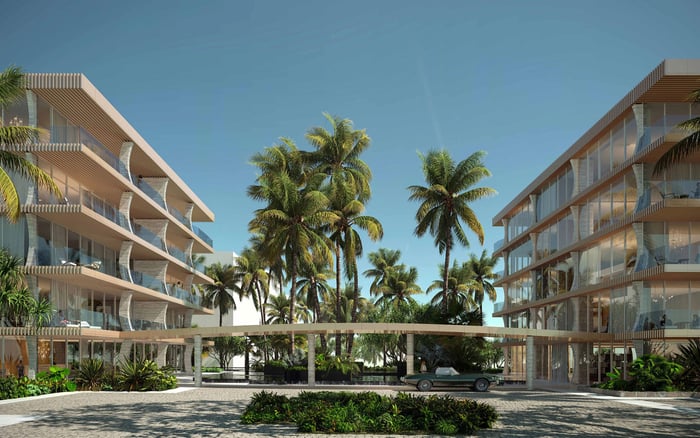
This is why projects such as Alba West Palm Beach are worth evaluating not merely as residences, but as part of a broader lifestyle question: can the home deliver proximity while still feeling composed, quiet, and personal?
West Palm Beach appeals to many relocating buyers because it can support a less car-dependent rhythm while remaining close to Palm Beach. The attraction is not only convenience. It is the possibility of living in a setting where errands, dining, culture, fitness, and waterfront walks can be folded into the day without making the home itself feel public.
The best walkable homes in West Palm Beach usually share several qualities. They sit near the action, but not necessarily in the middle of it. They provide secure access, ample parking, and gracious common areas. They account for shade, landscaping, and pedestrian comfort. They also give owners a sense of retreat once they cross the threshold.
A buyer comparing residences along Flagler Drive, for example, may find that waterfront positioning changes the entire privacy conversation. Views can create openness without sacrificing separation. Buildings such as Forté on Flagler West Palm Beach and The Ritz-Carlton Residences® West Palm Beach show how buyers can think about the balance between an urban-adjacent setting and a highly controlled residential experience.
A neighborhood can feel elegant at 10 a.m. and entirely different at 10 p.m. Before committing to a South Florida address, visit the immediate streets at several moments: early morning, late afternoon, dinner hour, and a weekend evening. The goal is not to collect casual impressions, but to understand the cadence of daily life.
Notice how sidewalks feel in heat and rain. Watch valet queues, ride-share traffic, service access, and the sound profile around nearby restaurants or entertainment. Study lighting, landscape buffers, and the way pedestrians naturally move. A truly livable walkable address should feel intuitive, not performative.
For former Houston residents, the most important adjustment may be scale. A shorter distance can still feel less comfortable if the pedestrian environment is exposed, noisy, or visually chaotic. Conversely, a slightly longer walk can feel luxurious when it is shaded, pleasant, and predictable.
Many buyers over-focus on map position and under-focus on design. Privacy is created through architecture, planning, and operations. In a condominium, ask how many residences share a corridor or elevator bank. Ask whether private terraces face active streets, neighboring towers, or open water. Ask how amenity spaces are positioned relative to residences.
In a single-family home, review gate placement, guest parking, landscaping maturity, window orientation, pool visibility, and the relationship between indoor entertaining spaces and outdoor living areas. A beautiful home can feel compromised if the main living spaces are visually exposed.
The most successful South Florida homes allow openness on the owner’s terms. They let in light, water, breeze, and views while limiting unnecessary contact with public movement. That is the modern luxury equation: connection when desired, withdrawal when needed.
West Palm Beach may be the starting point, but it is not the only answer for a Houston buyer seeking walkability and privacy. Boca Raton can appeal to buyers who want polished daily convenience with a more residential pace. Alina Residences Boca Raton offers a useful lens for evaluating how a refined, walkable setting can coexist with a calmer home environment.
Coconut Grove presents a different kind of walkability: more village-like, lush, and residential in mood. It may suit buyers who want restaurants, parks, and neighborhood texture without the harder edge of a dense urban core. The Well Coconut Grove can be considered in that context, especially by buyers who prioritize wellness, greenery, and a softer arrival home.
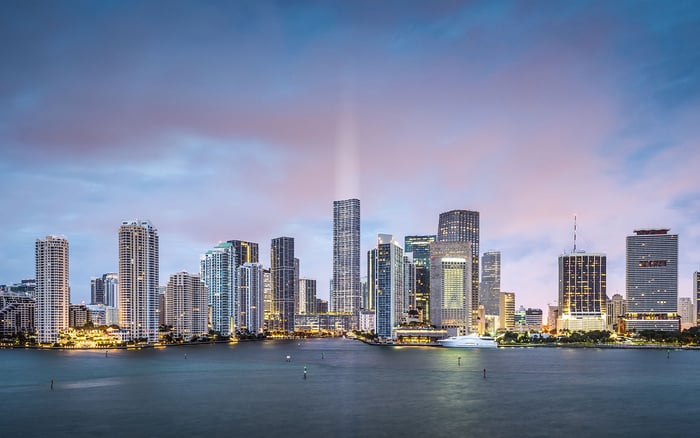
Brickell, by contrast, is the most urban comparison. It can be compelling for buyers who want a vertical lifestyle with immediate access to dining and business energy, but privacy must be studied carefully. In high-density settings, the best homes are those that choreograph access, elevation, amenities, and views with particular discipline.
The right decision usually comes from ranking priorities rather than chasing a perfect abstraction. If privacy is the non-negotiable, begin with access, exposure, and acoustic calm, then test walkability around those requirements. If daily convenience is the non-negotiable, begin with the walking radius, then eliminate properties that fail the privacy test.
Create three circles around each candidate home. The first is the five-minute circle for daily essentials. The second is the ten-to-fifteen-minute circle for dining, fitness, and errands. The third is the drive-time circle for airport access, schools, clubs, medical appointments, marinas, or beach routines. A property that performs well across all three circles will usually age better as a lifestyle choice.
Above all, do not treat walkability as a substitute for serenity. The most valuable South Florida residences are rarely defined by convenience alone. They are defined by how gracefully they let an owner move between public life and private life.
What should a Houston buyer prioritize first? Start with the daily routine you want, then test whether the home protects privacy at arrival, inside the residence, and outdoors.
Is West Palm Beach more walkable than Palm Beach? West Palm Beach can offer more urban daily convenience, while Palm Beach is often chosen for a quieter, more estate-like rhythm.
Can a walkable condo still feel private? Yes. Private elevators, controlled access, thoughtful layouts, and strong separation between amenities and residences all matter.
Should I choose a waterfront residence for privacy? Waterfront views can create visual openness and separation, but buyers should still study neighboring sightlines, traffic, and public paths.
How many times should I visit a neighborhood before buying? Visit at different hours and on both weekdays and weekends to understand noise, traffic, lighting, and pedestrian flow.
Is Brickell too urban for a privacy-focused buyer? Not necessarily, but privacy in Brickell depends heavily on building design, elevation, access control, and exposure to surrounding towers.
Why consider Boca Raton during a West Palm Beach search? Boca Raton may suit buyers who want convenience, refinement, and a somewhat more residential pace within South Florida.
How does Coconut Grove compare for walkability? Coconut Grove offers a softer, more neighborhood-oriented walking experience with greenery and a village-like atmosphere.
Are single-family homes better for privacy than condos? Sometimes, but a well-designed condominium can offer exceptional discretion through controlled access, staffing, and vertical separation.
What is the biggest mistake buyers make? They focus on distance to amenities without testing how the home feels when returning from those amenities.
For a confidential assessment and a building-by-building shortlist, connect with MILLION.
If branded residences are on your mind — as a home or as an allocation — we would be glad to share what we are seeing, privately.
Begin a quiet conversation