A discreet buyer’s guide to choosing a South Florida second home that fits the Boston to Palm Beach rhythm, with attention to arrival patterns, privacy, maintenance, waterfront preferences, and neighborhood feel.
For a Boston buyer considering Palm Beach and the wider South Florida coast, the most elegant purchase is rarely defined by spectacle alone. It is defined by rhythm. A successful second home feels intuitive from the moment the plane lands, the car door closes, and the front door opens. It reduces decisions rather than adding them. It gives structure to weekends, school breaks, winter weeks, family visits, and the quiet days in between.
That is why the first question is not simply where to buy. It is how you intend to live. Some buyers want a Palm Beach base that feels formal, composed, and deeply private. Others prefer West Palm Beach for a more connected daily cadence, with dining, services, and cultural plans folded into the week. Some look south to Boca Raton for a calmer residential pattern, while others keep a Miami address in play for business, design, boating, and a broader social orbit.
The strongest second-home searches begin with behavior. How often will you come? Who opens the home before arrival? Do you host houseguests, adult children, or grandchildren? Will you work from the residence, entertain there, or use it as a quiet retreat from Boston’s winter calendar? The answers matter more than a dramatic view.
Palm Beach rewards buyers who want refinement, privacy, and a sense of arrival. A Palm Beach search should begin with the daily path: morning walk, preferred club or wellness routine, errands, dinner, and the ease of leaving again. If the home will be used in polished bursts, the floor plan should be simple to activate and simple to close.
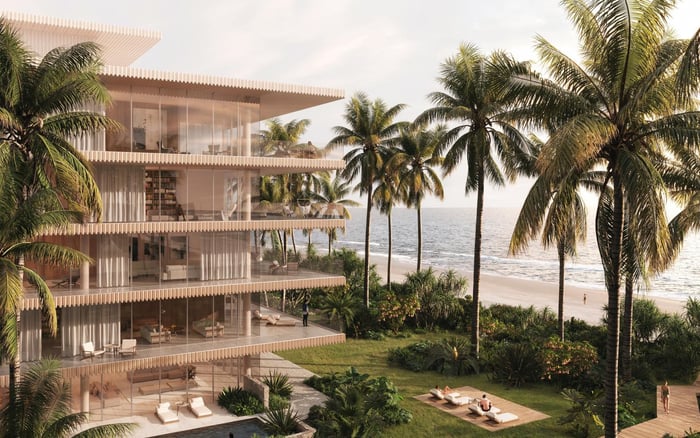
For buyers who want the Palm Beach name with a curated residential lens, Palm Beach Residences belongs in the early conversation. The point is not to chase every option at once. It is to define whether your version of Palm Beach is in-town, ocean-adjacent, discreetly tucked away, or oriented around a full-service residential experience.
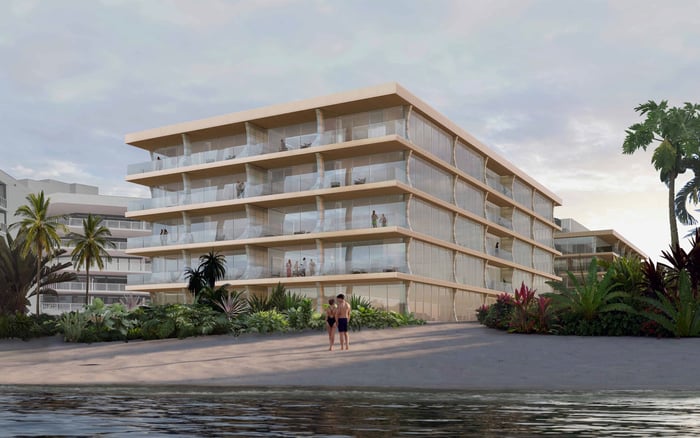
West Palm Beach offers a different kind of ease. It can suit buyers who like the Palm Beach lifestyle but also want a more fluid urban rhythm. For those comparing this side of the bridge, Alba West Palm Beach and The Ritz-Carlton Residences® West Palm Beach can help frame the question of service, views, access, and lock-and-leave convenience.
The difference between a beautiful residence and a successful second home often appears in the first fifteen minutes. Is there a secure place for luggage? Are closets proportioned for seasonal wardrobes that stay in Florida? Can the kitchen support a late arrival without feeling like a project? Is there a guest suite that works without reorganizing the house?
A polished Boston-to-South-Florida rhythm usually benefits from redundancy: duplicate toiletries, a second wardrobe, a dedicated owner’s closet, chargers in place, linens stored by season, and a home management plan that runs whether you are present or not. These are not glamorous details, but they are the details that make a property feel privately serviced rather than intermittently occupied.
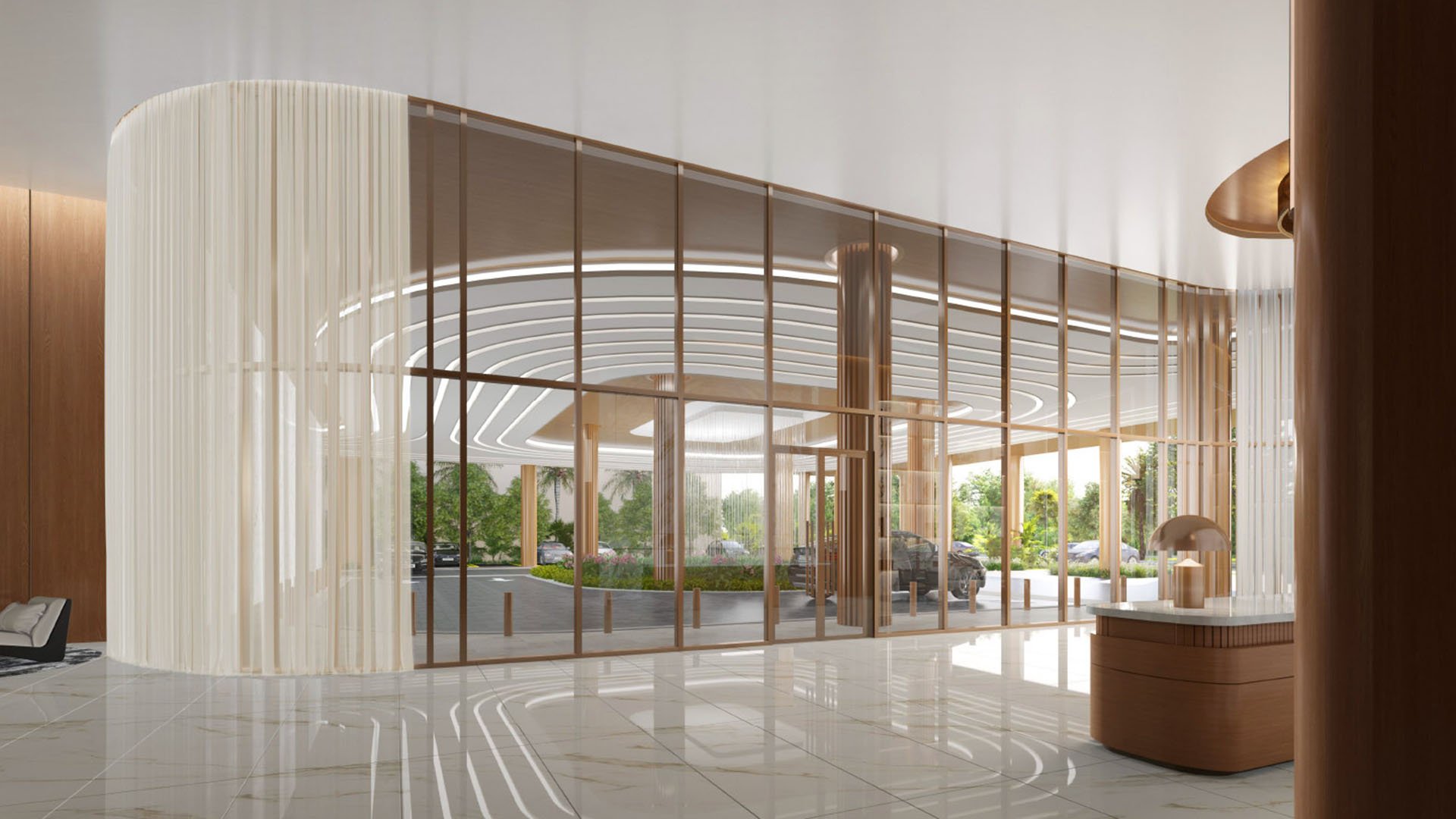
For condominium buyers, the conversation should include elevator experience, package handling, valet flow, pet procedures, delivery protocols, storage, and the tone of the lobby. For single-family buyers, the focus shifts to landscape care, pool service, storm preparation, security, and the quality of local support.
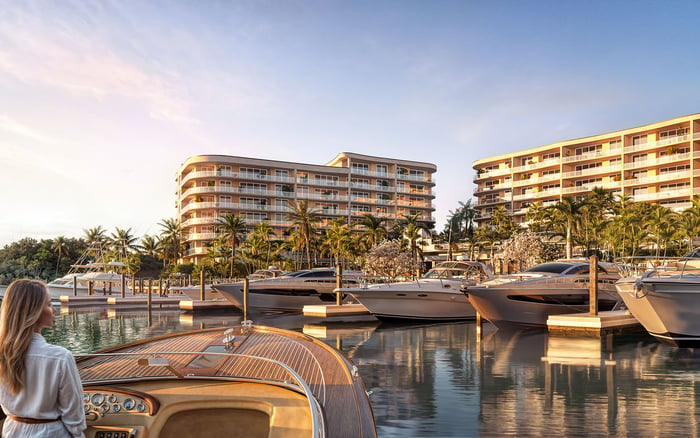
Waterfront living has obvious emotional appeal, but it should be evaluated through routine. Some buyers want the serenity of water as a backdrop. Others want boating, beach access, sunrise light, or the quiet prestige of a water-facing address. Each version leads to a different home.
A waterfront residence should be assessed for privacy at different times of day. A terrace may feel serene in the morning and exposed in the afternoon. A view corridor may be magnificent from the living room but less meaningful from the primary suite. The best homes allow the water to be part of daily life without making the residence feel like a stage.
This is where lifestyle alignment becomes essential. If the home is for restorative winter weeks, prioritize calm, sound control, shaded outdoor space, and effortless service. If it is for hosting, look for circulation that separates guests from private rooms, terraces that function after sunset, and a kitchen plan that supports catered evenings without disrupting the residence.
Not every Boston-to-Palm-Beach buyer ultimately chooses Palm Beach. Boca Raton can appeal to those who want a residential setting with a composed, year-round feeling. It may also suit buyers who care less about ceremony and more about comfort, space, and a settled routine. In that context, Alina Residences Boca Raton can be a useful point of comparison for buyers expanding the search beyond Palm Beach County’s most traditional addresses.
Miami enters the discussion when the second home needs more social range, design energy, or business utility. A buyer who spends part of the winter in South Florida may still want access to Miami’s restaurants, galleries, medical specialists, private aviation networks, and international pace. For a softer residential expression of Miami, Four Seasons Residences Coconut Grove offers a way to consider a quieter neighborhood posture while keeping the city in reach.
The key is not to confuse alternatives with compromises. A disciplined search can include Palm Beach, West Palm Beach, Boca Raton, and select Miami neighborhoods if each stop is judged against the same rhythm: arrival, privacy, maintenance, hospitality, and exit.
Before touring, write a one-page operating brief for the home. Include the months you expect to use it, the number of regular guests, preferred arrival days, work needs, pet needs, storage expectations, entertaining style, and any nonnegotiable privacy concerns. This document keeps the search elegant. It also helps separate seductive properties from properties that genuinely support the way you live.
During tours, avoid evaluating only the grand room. Walk the arrival sequence. Stand in the primary suite at the time of day you expect to wake. Open the closets. Study the service areas. Ask where luggage goes, where staff or vendors enter, where packages are kept, and how the residence feels when it is not fully occupied.
The best South Florida second home has a sense of readiness. It feels calm when you are away and complete when you return. For a Boston buyer, that is the real luxury: a home that absorbs distance, weather, calendar pressure, and family logistics with discretion.
Should a Boston buyer start in Palm Beach or West Palm Beach? Start with the rhythm you want. Palm Beach often suits a more private retreat, while West Palm Beach can support a more connected daily routine.
Is a condominium better than a single-family home for a second home? A condominium can simplify service and lock-and-leave logistics. A single-family home may offer more privacy, space, and control.
How important is storage for seasonal living? It is essential. Owner’s closets, luggage space, and duplicate wardrobes can make each arrival feel composed rather than improvised.
Should waterfront be a nonnegotiable? Only if water is central to your daily pleasure. Privacy, sound, terrace usability, and maintenance may matter just as much as the view.
How many neighborhoods should I compare? Compare enough to understand your rhythm, but not so many that the search loses discipline. Three or four well-chosen areas are often more useful than a broad sweep.
What should I evaluate during a first tour? Study arrival, light, privacy, service access, storage, guest flow, and how the home feels during ordinary moments. The quiet details reveal long-term fit.
Is Boca Raton a reasonable alternative to Palm Beach? Yes, for buyers who prioritize comfort, residential calm, and a settled routine. It should be judged by the same standards of access, service, and privacy.
When does Miami make sense for this search? Miami can make sense when business, dining, design, culture, or international connectivity are part of the second-home lifestyle. The right neighborhood matters.
What is the biggest mistake second-home buyers make? They buy for the first impression instead of the recurring routine. A home must work on the fifth visit as gracefully as it does on the first.
How should I prepare before making offers? Define use patterns, staffing needs, maintenance expectations, and privacy priorities. Then compare only homes that support that operating brief.
For a discreet conversation and a curated building-by-building shortlist, connect with MILLION.
If branded residences are on your mind — as a home or as an allocation — we would be glad to share what we are seeing, privately.
Begin a quiet conversation