An editorial look at 2000 Ocean Hallandale Beach as a case study in privacy-oriented oceanfront living, where architecture, access, service culture, and Hallandale Beach’s quieter coastal setting shape a more discreet model of luxury residential operations.
In South Florida’s high-end condominium market, luxury is often measured by what is visible: skyline architecture, branded lobbies, destination restaurants, and amenity decks built around a social calendar. Yet the more discerning conversation increasingly turns on what remains unseen. For privacy-focused buyers, the defining question is not only how a building looks from the sand, but how it behaves once residents are home.
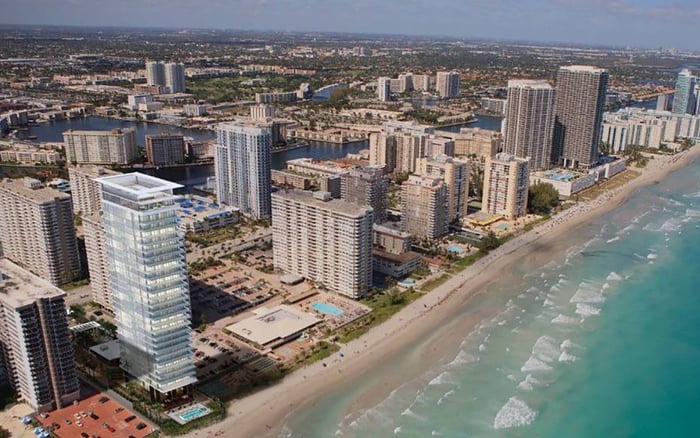
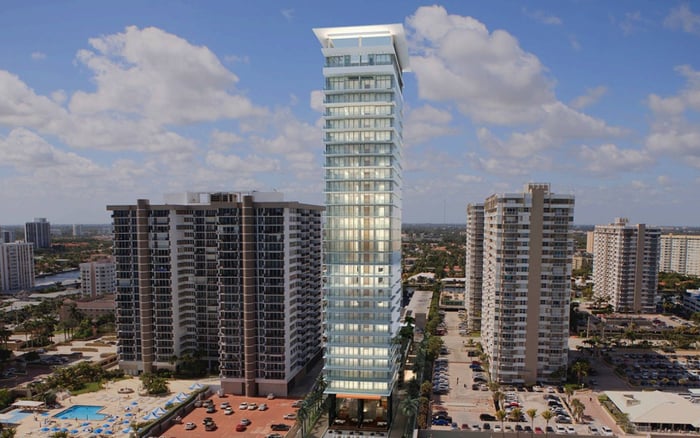
That is where 2000 Ocean Hallandale Beach becomes a useful case study. The tower occupies an oceanfront Hallandale Beach setting, positioned between the more internationally branded profile of Sunny Isles Beach and the more tourism-oriented rhythm of Hollywood Beach. Its glass-clad presence is not physically invisible. Its quieter proposition is operational: privacy, controlled density, and a subdued public presence as part of the luxury experience.
For the ultra-premium buyer, that distinction matters. Architecture may create the first impression, but operations shape daily life. A residence can be visually dramatic while maintaining a private, residential interior culture. 2000 Ocean Hallandale Beach sits precisely in that tension: visible from the coast, yet intended to feel less public, less transient, and less performative than a resort-style condominium.
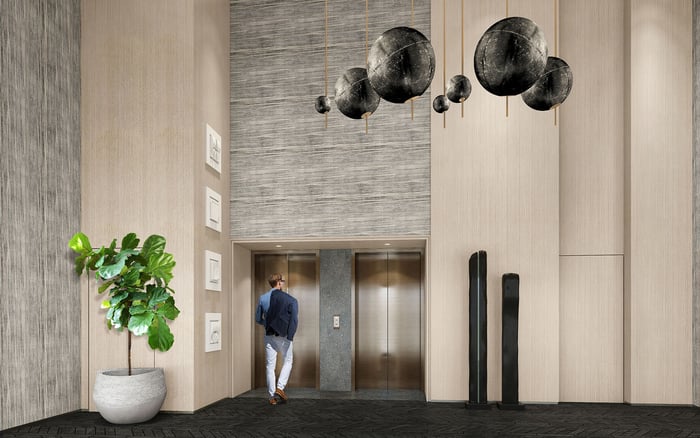
Discreet operations are not the same as minimal service. In a luxury residential context, the phrase points to responsive, privacy-focused management that anticipates needs without making the building feel like a hotel lobby. It suggests controlled access, measured guest flow, and a staff culture that supports residents without turning daily life into spectacle.
This is especially relevant in oceanfront buildings, where the beach setting naturally attracts attention. The premium is not merely the view. It is the ability to enjoy that view from a building whose internal life remains largely invisible to the casual public. For many buyers, the best service solves problems before they become visible and preserves calm rather than generating activity.
In practical terms, buyers evaluating discreet operations should look beyond finishes. They should ask how arrivals are handled, how vendors and guests move through the property, how amenity areas are programmed, and whether the building’s rhythm feels residential or event-driven. None of those qualities are fully captured in a rendering. They are felt in the way a property manages access, privacy, and everyday pace.
Hallandale Beach gives this conversation a particular edge. It offers direct beachfront living, yet carries a quieter luxury identity than Miami Beach, Bal Harbour, or the most brand-forward portions of Sunny Isles Beach. That does not make it less sophisticated. It makes it more selective in tone.
For buyers who want the oceanfront experience without the same level of nightlife or tourist saturation found in better-known coastal markets, Hallandale Beach can feel strategically understated. The appeal is not withdrawal from South Florida luxury, but a more controlled version of it. Residents can remain close to the region’s major coastal destinations while living in a building environment designed to be less publicly consumed.
This is where Hallandale becomes more than a geographic label. It becomes part of the privacy value proposition. A tower with a glass-clad architectural profile can still participate in a quieter local fabric if its day-to-day operations limit unnecessary traffic and protect the residential atmosphere. In that sense, 2000 Ocean is not trying to disappear. It is trying to behave with restraint.
South Florida has no shortage of buildings where luxury is expressed through brand recognition, hospitality cues, or highly social amenity programming. That model can be compelling, especially for buyers who enjoy energy, visibility, and a more active lifestyle infrastructure. Projects such as Armani Casa Sunny Isles Beach or The Ritz-Carlton Residences® Sunny Isles sit within a broader regional conversation about the power of identity in residential real estate.
The discreet model asks a different question. Rather than leading with public-facing drama, it prioritizes privacy and operational seriousness. That does not mean the building lacks design ambition. At 2000 Ocean, the glass architecture creates a clear luxury signal. The difference is that the building’s deeper appeal rests on how it manages the line between visibility and exposure.
This is also why branded residences and quieter boutique-style residential towers are not direct substitutes. They can serve different temperaments. One buyer may want a residence that feels connected to hospitality culture. Another may prefer a building where the service standard is high, but the social volume is lower. In the current lifestyle conversation, both preferences can be ultra-luxury. The distinction is emotional and operational, not simply financial.
Quiet luxury is often described through materials, tailoring, and taste. In residential real estate, it is just as much about control. Who enters the building, how often the common areas feel occupied, whether staff interaction is polished but unobtrusive, and whether the building preserves a sense of private domestic life all influence the buyer’s perception of value.
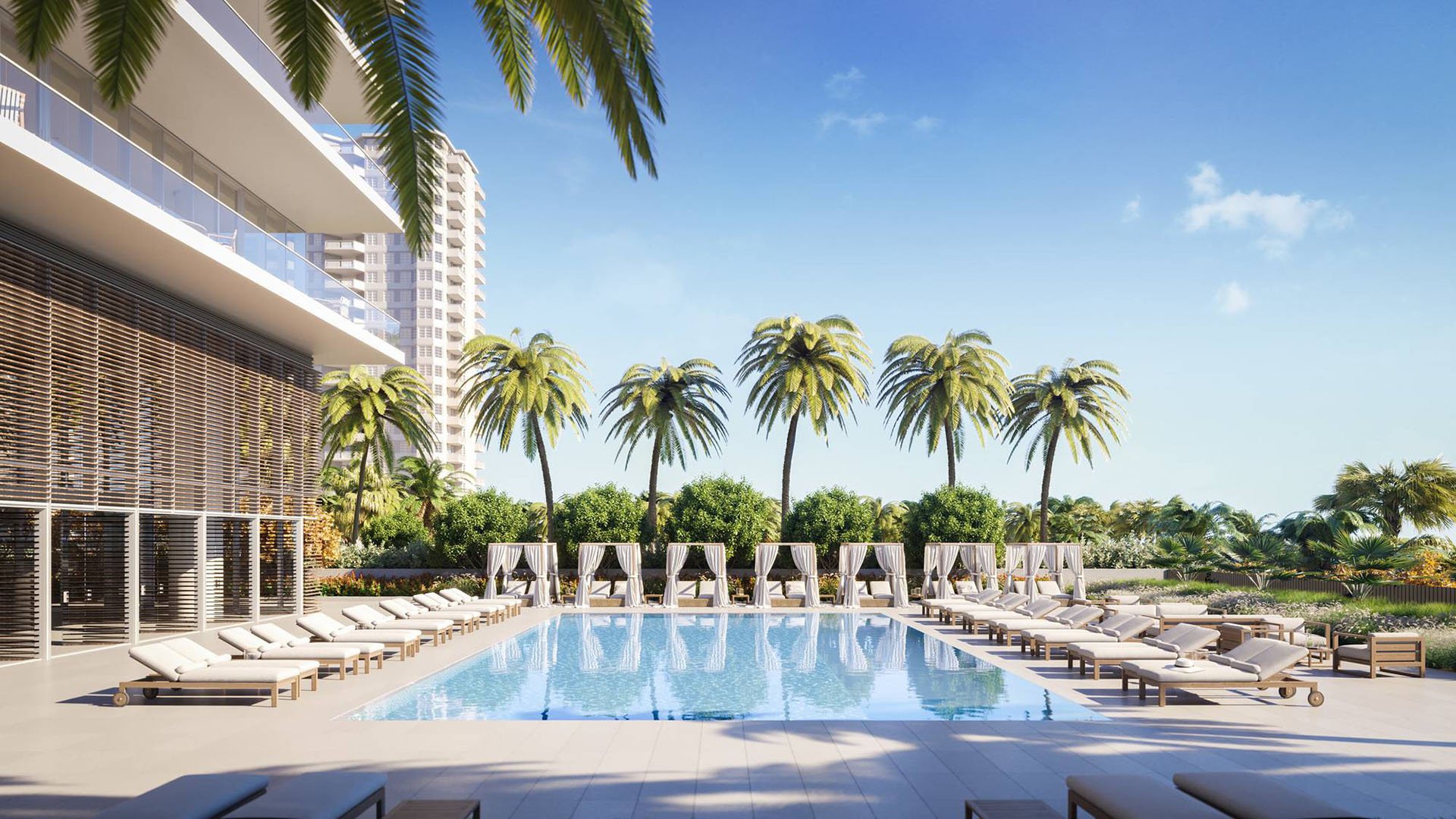
This is why 2000 Ocean Hallandale Beach resonates with privacy-seeking buyers, families, and high-net-worth residents who may prefer operational seriousness over highly social amenity programming. The appeal is not anti-amenity. It is pro-residential. The most important amenity may be the feeling that the building functions as a home first, not as a stage.
That position also helps explain why buyers comparing coastal options might look at different markets through the same privacy lens. A Miami Beach buyer considering 57 Ocean Miami Beach may be evaluating beachfront calm in one context, while a Hallandale Beach buyer may be seeking a similar sense of restraint in a less internationally branded setting. The location changes, but the underlying desire can remain consistent: oceanfront living with fewer interruptions.
The language of privacy can be attractive, but serious buyers should translate it into practical questions. A discreet building should show discipline in the way it handles arrivals, deliveries, guests, service requests, and amenity use. It should feel composed during peak hours, not only during a private tour.
Buyers should also consider how the building integrates with its neighborhood. A luxury tower in Hallandale Beach must coexist with a mixed local urban fabric. A discreet residential model can make that integration smoother by limiting transient traffic and keeping the building’s private life contained. This can be particularly important in beachfront settings, where the boundary between public shoreline and private residence must be managed with care.
There is also a temperament question. Some owners want the energy of a destination building. Others want a place where the luxury is felt in silence, consistency, and ease. Nearby and regional projects, including Shell Bay by Auberge Hallandale, demonstrate how Hallandale Beach remains part of the broader high-end South Florida map, but 2000 Ocean’s editorial significance lies in its quieter operating philosophy.
For many affluent buyers, discretion is no longer a soft preference. It is a core part of the ownership thesis. A building that reduces unnecessary traffic, preserves a residential atmosphere, and avoids excessive public-facing spectacle can feel more durable for long-term living. The value is not only in exclusivity, but in the quality of daily repetition.
That is the central lesson of 2000 Ocean Hallandale Beach. Its luxury identity is not based only on price point or architectural image. It is also based on how the building is meant to feel after the first impression fades. In a region where some towers compete for attention, restraint can become its own form of distinction.
For buyers seeking quiet coastal sophistication, Hallandale Beach offers a compelling middle ground. It is close to the gravitational pull of South Florida’s best-known luxury markets, yet it can support a more private domestic rhythm. In that setting, 2000 Ocean shows how a visible tower can still belong to the language of discreet residential operations.
What does discreet residential operations mean at a luxury condominium? It refers to privacy-focused management, controlled access, and responsive service that supports residents without making the building feel public or hotel-like.
Why is 2000 Ocean relevant to this conversation? It combines a glass-clad oceanfront presence with a quieter residential operating style centered on privacy, controlled density, and a subdued public profile.
Is 2000 Ocean Hallandale Beach a low-visibility building? Not physically. Its architecture is visible and contemporary, but its luxury positioning emphasizes a quieter internal residential experience.
Why does Hallandale Beach appeal to privacy-seeking buyers? Hallandale Beach offers beachfront living with a calmer profile than some more nightlife-driven, tourist-heavy, or heavily branded coastal markets.
How is this different from a resort-style condominium? A resort-style model often emphasizes social energy and public-facing amenities, while a discreet model prioritizes residential calm and controlled activity.
Does discreet service mean fewer services? No. It usually means service is delivered with restraint, efficiency, and minimal intrusion into residents’ private routines.
Who is most likely to value this type of building culture? Privacy-seeking buyers, families, and high-net-worth residents who prefer calm, control, and operational seriousness may find it especially appealing.
Can an oceanfront tower still feel private? Yes. Privacy depends less on visibility from outside and more on access control, guest flow, staff discretion, and the building’s daily rhythm.
Is quiet luxury becoming more important in South Florida? Yes. Some affluent buyers increasingly favor understated residential environments over highly visible branding or constant resort-style activity.
What should buyers examine during a private tour? They should observe arrival sequences, lobby atmosphere, staff interaction, amenity use, and whether the property feels residential rather than transient.
If you'd like a private walkthrough and a curated shortlist, connect with MILLION.
If branded residences are on your mind — as a home or as an allocation — we would be glad to share what we are seeing, privately.
Begin a quiet conversation