A buyer-oriented look at how reserve funding, SIRS obligations, milestone inspections, turnover records, and mixed-use cost allocations shape preconstruction condominium diligence across Downtown Miami and Brickell.

For years, the most visible questions in Downtown Miami condominium buying centered on views, finish packages, parking, service culture, and the credibility of the design team. Those factors still matter. But for sophisticated buyers across the Downtown and Brickell corridor, the quieter line items in the proposed condominium budget now warrant the same level of scrutiny.
An HOA reserve fund analysis is not merely an accounting exercise. It is a forward-looking assessment of whether a building is being positioned to maintain its structure, systems, envelope, and shared spaces without leaning on disruptive special assessments later. In a preconstruction purchase, that analysis begins before the tower exists, inside the draft condominium documents, estimated operating budget, reserve schedule, shared-facility agreements, and turnover obligations.
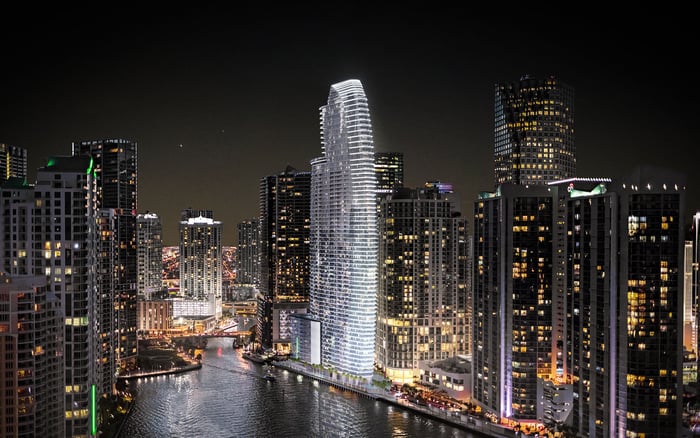
This is especially relevant in a corridor where luxury towers increasingly combine residences, hospitality, restaurants, retail, wellness, private clubs, and layered associations. A buyer considering Waldorf Astoria Residences Downtown Miami, Aston Martin Residences Downtown Miami, or Casa Bella by B&B Italia Downtown Miami should read the reserve package with the same care given to floor plans and views.
Florida condominium budgets must include estimated revenues and expenses, including reserve accounts for capital expenditures and deferred maintenance. The reserve schedule must identify the reserve items and include both estimated remaining useful life and estimated replacement cost or deferred-maintenance expense. For luxury buyers, the key question is not simply whether reserves exist, but whether they are specific, credible, and aligned with the building being sold.
For residential condominium buildings three stories or higher, Florida requires a Structural Integrity Reserve Study, known as SIRS. Covered components include roofs, load-bearing walls, primary structural members, floors, foundations, fireproofing and fire protection systems, plumbing, electrical systems, waterproofing and exterior painting, windows, exterior doors, and other qualifying items over $10,000 that affect structural integrity.
The visual inspection portion of a SIRS must be performed or verified by a Florida-licensed engineer or architect. Once SIRS reserve funds are established, their use is restricted to replacement or deferred maintenance of the relevant reserve item. For budgets adopted after the statutory deadline, unit owners generally may not vote to waive or reduce funding for SIRS items. That changes the long-term economics of ownership because structural reserves are no longer a discretionary political choice in the way many buyers once assumed.
In a new-construction tower, the first budget is necessarily an estimate. That does not make it unimportant. It makes the assumptions more important. Buyers should examine whether the budget separates structural and statutory reserves from discretionary amenity reserves, and whether shared facilities are allocated clearly among the residential condominium, master association, retail components, hotel components, parking facilities, and any branded service structure.
This distinction is critical in Brickell, where towers such as 888 Brickell by Dolce & Gabbana and Baccarat Residences Brickell sit within an ownership culture that prizes branded amenities, service, and design continuity. Pools, spas, elevators, facade lighting, club rooms, private dining spaces, gardens, and hospitality-style areas may each carry different maintenance cycles and cost-sharing rules. Not every beautiful amenity is a SIRS item, but every recurring capital need should be accounted for somewhere in the reserve logic.
The prospectus package for new residential condominium units must include an estimated operating budget and a schedule of the buyer’s estimated expenses. It also covers key shared-facility and management documents, which matters in mixed-use towers with master associations, sub-associations, and cost-sharing arrangements. A polished sales presentation may describe the experience; the documents define who pays for it, when, and under what formula.
The Surfside tragedy permanently changed how Florida condominium buyers think about structure, inspections, and reserve funding. In the Downtown Miami corridor, the practical takeaway is not fear. It is discipline.
Florida milestone inspection requirements apply to condominium and cooperative buildings that are three stories or more in height. Covered buildings generally require a milestone inspection by December 31 of the year in which the building reaches 30 years of age, then every 10 years afterward. Local enforcement agencies may require an earlier milestone inspection if local circumstances justify it, including proximity to seawater or environmental conditions.
For a new tower, the first milestone inspection may seem distant. Yet the reserve model begins now. Waterproofing systems, exterior painting, windows, exterior doors, plumbing, electrical systems, fire protection, and structural components all have life cycles. A buyer in 2200 Brickell or another urban high-rise should ask how the early reserve contribution pattern supports the building’s first decades, not only the first few years of ownership.
Miami-Dade’s broader building recertification environment is also relevant because the county governs periodic structural and electrical recertification of older buildings. For new buyers, the value is perspective: today’s reserve decisions become tomorrow’s inspection readiness.
Downtown Miami and Brickell are not abstract urban markets. They are waterfront and near-waterfront high-rise environments. Miami-Dade treats sea-level rise and flooding as major resilience issues, making coastal exposure a legitimate reserve-modeling factor for buildings in the corridor.
That does not mean every tower carries the same risk profile. It means buyers should ask whether the reserve schedule and operating budget contemplate exposure to moisture, wind-driven rain, salt air, drainage demands, waterproofing, exterior systems, and long-term resilience obligations. The most refined investment is not necessarily the one with the lowest monthly estimate. It is the one with estimates transparent enough to withstand real ownership.
At turnover from developer control, Florida law requires delivery of association records and building-related documents. For reserve analysis, that handoff matters. Buyers should be attentive to warranties, plans, permits, engineering documents, contracts, maintenance manuals, financial records, and the final condition of association-funded assets.
The strongest diligence posture is simple: understand the proposed budget before contract, monitor material updates before closing, and review turnover records when the association transitions. In a luxury tower, the building’s future is often protected by the unglamorous discipline of documentation.
What is the purpose of an HOA reserve fund in a condominium? It funds capital expenditures and deferred maintenance so the building can address major components over time without relying solely on future special assessments.
Does Florida require reserve schedules for condominium budgets? Yes. Condominium budgets must include reserve accounts, and reserve schedules must identify items, useful life, and estimated replacement or deferred-maintenance costs.
What is a SIRS? A Structural Integrity Reserve Study is a required reserve study for Florida residential condominium buildings that are three stories or higher.
Which building components are commonly covered by SIRS? Covered items include structural members, roofs, foundations, fire protection, plumbing, electrical systems, waterproofing, exterior painting, windows, and exterior doors.
Can owners vote to reduce SIRS reserve funding? For budgets adopted after the statutory deadline, owners generally may not vote to waive or reduce funding for SIRS items.
Why does this matter for preconstruction buyers? The initial budget sets early expectations for monthly costs, future funding patterns, and how the association will prepare for long-term maintenance.
How are mixed-use towers different? They may include master associations, sub-associations, hotel or retail components, and shared-facility agreements that affect how costs are allocated.
Do new towers need milestone inspections immediately? Not generally. Covered buildings usually face milestone inspections at 30 years of age and every 10 years afterward, unless local conditions justify earlier action.
Why is coastal exposure relevant in Downtown Miami? Salt air, moisture, flooding, and resilience concerns can influence waterproofing, exterior systems, drainage, and long-term reserve assumptions.
What should buyers request before signing? Buyers should review the draft declaration, estimated budget, reserve schedule, shared-facility agreements, management documents, and turnover obligations.
When you're ready to tour or underwrite the options, connect with MILLION.
If branded residences are on your mind — as a home or as an allocation — we would be glad to share what we are seeing, privately.
Begin a quiet conversation