A disciplined framework for separating Park Grove's name premium from the value of the individual residence, including condition, carrying costs, governance, view durability and resale positioning.

A recognized address can shape a buyer's first impression. It may signal design ambition, a cultivated residential experience and the social reassurance of a property already familiar to the market. Yet the premium attached to Park Grove Coconut Grove should never be treated as a single, indivisible number. It is a stack of values-some durable, others highly specific to an individual residence.
For buyers, the task is to separate the emotional appeal of the name from the practical merits of the home. A disciplined approach examines the residence, building operations, recurring economics and likely resale audience independently. Only then can the name be priced as an advantage rather than accepted as an assumption.
This is the kind of question at the center of serious buyer's guides: not whether an address is desirable, but whether the particular opportunity justifies its position against the alternatives.
Begin by asking the seller's representative to explain the pricing logic component by component. How much weight is assigned to the residence's line, elevation, exposure, renovation quality, parking, storage and private outdoor space? How much is attributed to the broader property identity? A persuasive valuation should withstand this decomposition.
The distinction matters because reputation belongs to the property, while daily livability belongs to the residence. Two homes under the same name can deliver meaningfully different experiences. Arrival sequence, elevator proximity, sightlines, acoustic privacy and the relationship between entertaining areas and private rooms all deserve more scrutiny than a generalized price-per-square-foot comparison.
Buyers should also distinguish a respected condominium name from the operating model of branded residences. The terminology, service structure and contractual framework may differ. The right question is not which label sounds more prestigious, but which obligations and benefits are documented for the owner.
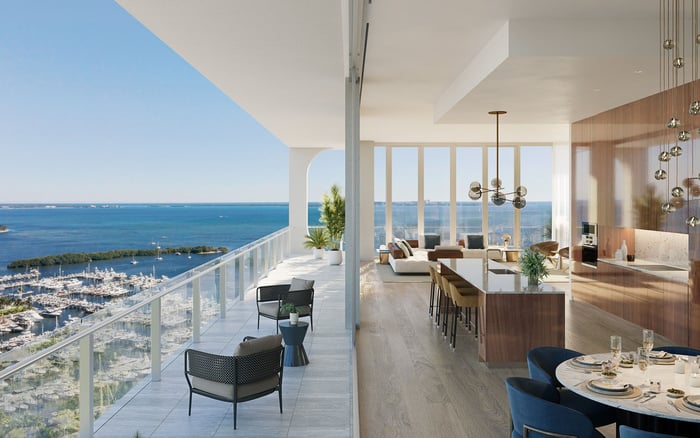
Tour more than once when possible. Natural light, glare, ambient sound and privacy can shift with the hour. Stand at the principal windows rather than admiring the view from the entry. Sit on the terrace. Look laterally as well as outward, assessing whether neighboring homes, landscaping or future maintenance access affect the sense of seclusion.
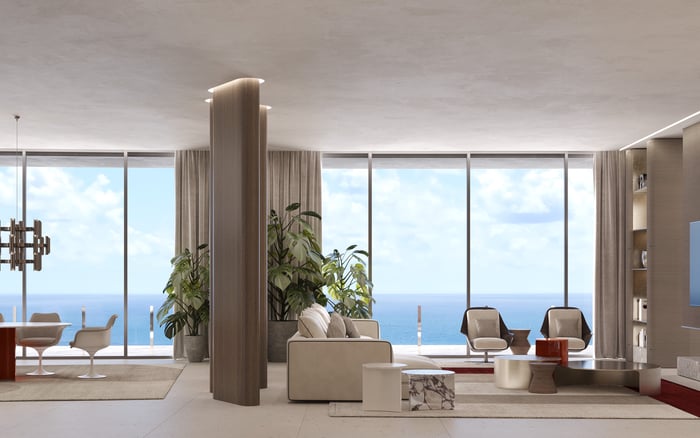
For any waterfront residence, view quality should be analyzed as a sequence across the primary bedroom, kitchen, living room and outdoor areas. A dramatic first impression may not translate into consistent enjoyment throughout the floor plan. Through qualified inspections, buyers should also test door operation, drainage, air-conditioning performance, water pressure, appliance condition and smart-home controls.
Finish quality demands similar precision. Materials that photograph beautifully can age unevenly, while an older but carefully maintained interior may offer greater value than a fashionable renovation requiring corrective work. Request documentation for material alterations and confirm the path for any changes contemplated after closing.
The purchase price is only the first line of the analysis. With legal and financial advisers, review current assessments, historical changes in recurring charges, insurance responsibilities, reserve information and any disclosed capital work. Clarify which services are included, which are usage-based and which household needs remain separate.
Governance warrants equal scrutiny. Read the governing documents, recent meeting materials and applicable rules for renovations, guests, pets, leasing, deliveries and service providers. None of these points is glamorous, but each shapes the lived experience and the future buyer pool.
A useful test is to calculate several years of ownership costs under conservative assumptions. Include transaction expenses, interior upkeep and a realistic allowance for replacements. A name premium is easier to defend when the total ownership proposition remains coherent-not merely when the asking price appears competitive.
The strongest comparison set is not always composed of superficially similar listings. It should include homes competing for the same buyer priorities, whether privacy, service, newer construction, immediate occupancy or a particular architectural style.
Within Coconut Grove, a buyer might examine Four Seasons Residences Coconut Grove when considering a hospitality-linked proposition, Mr. C Tigertail Coconut Grove when testing another recognizable residential identity, or Vita at Grove Isle when broadening the waterfront shortlist. These are not automatic substitutes. Their value lies in revealing which qualities the buyer truly prioritizes.
Normalize comparisons for condition, usable outdoor space, parking, storage and anticipated work. An apparently lower acquisition price may conceal differences in renovation needs or carrying costs. Conversely, a higher asking price may be rational if the residence removes execution risk and closely matches the buyer's intended use.
Before purchasing, describe the home in one concise sentence without relying on the property name. The strongest answer might center on an exceptional layout, protected-feeling outlook, privacy, turnkey condition or rare outdoor utility. If the proposition becomes vague once the name is removed, the buyer may be paying too much for recognition alone.
Consider who is likely to value the residence later and which objections they may raise. Highly personal finishes, compromised room proportions or a view that impresses from only one location can narrow the audience. The most durable attributes are generally those difficult to reproduce through renovation.
An offer should reflect verified strengths and identified liabilities. Separate immediate corrective costs from subjective preferences, and avoid discounting a home merely because its aesthetic is not personal. At the same time, do not pay a turnkey premium for work that will be replaced.
The ideal outcome is not the lowest price. It is a price supported by the residence's specific utility, documented ownership framework and credible position among Coconut Grove alternatives. When those elements align, the name can reinforce value. It should never substitute for it.
What is a brand premium in luxury real estate? It is the additional value buyers may attribute to a recognized property identity, service proposition or reputation beyond the residence's standalone features.
Should buyers rely on price per square foot? No. It is a useful reference, but it can obscure differences in condition, layout, exposure, outdoor space, parking and carrying costs.
How should a buyer test view quality? Evaluate the outlook from every principal room and terrace at different times, noting glare, privacy, lateral obstructions and ambient activity.
Why do governing documents matter before an offer? They define material aspects of ownership, including renovation procedures, leasing parameters, guest access and other operating rules.
What carrying costs should be reviewed? Examine recurring charges, assessments, insurance responsibilities, utilities, maintenance and a reasonable allowance for interior replacements.
Is a renovated residence always worth more? Not necessarily. Value depends on workmanship, approvals, material condition and whether the design suits the buyer or requires replacement.
How many competing properties should be toured? Tour enough to understand the trade-offs among service, privacy, condition, location and total ownership cost rather than pursuing a fixed number.
What makes a premium more defensible? Scarce, difficult-to-replicate qualities-such as an especially functional plan, compelling outlook, privacy or exceptional outdoor utility-can support it.
When should legal and inspection advisers become involved? Engage them early enough to review documents, physical condition and obligations before contractual deadlines limit the buyer's options.
What is the final test before paying for the name? Ask whether the residence would remain compelling if the property's name were temporarily removed from the presentation.
For a discreet conversation and a curated building-by-building shortlist, connect with MILLION.
If branded residences are on your mind — as a home or as an allocation — we would be glad to share what we are seeing, privately.
Begin a quiet conversation