At The Delmore Surfside, practical luxury is best evaluated as a coordinated operating system that protects privacy while simplifying storage, deliveries, staffing, and maintenance.
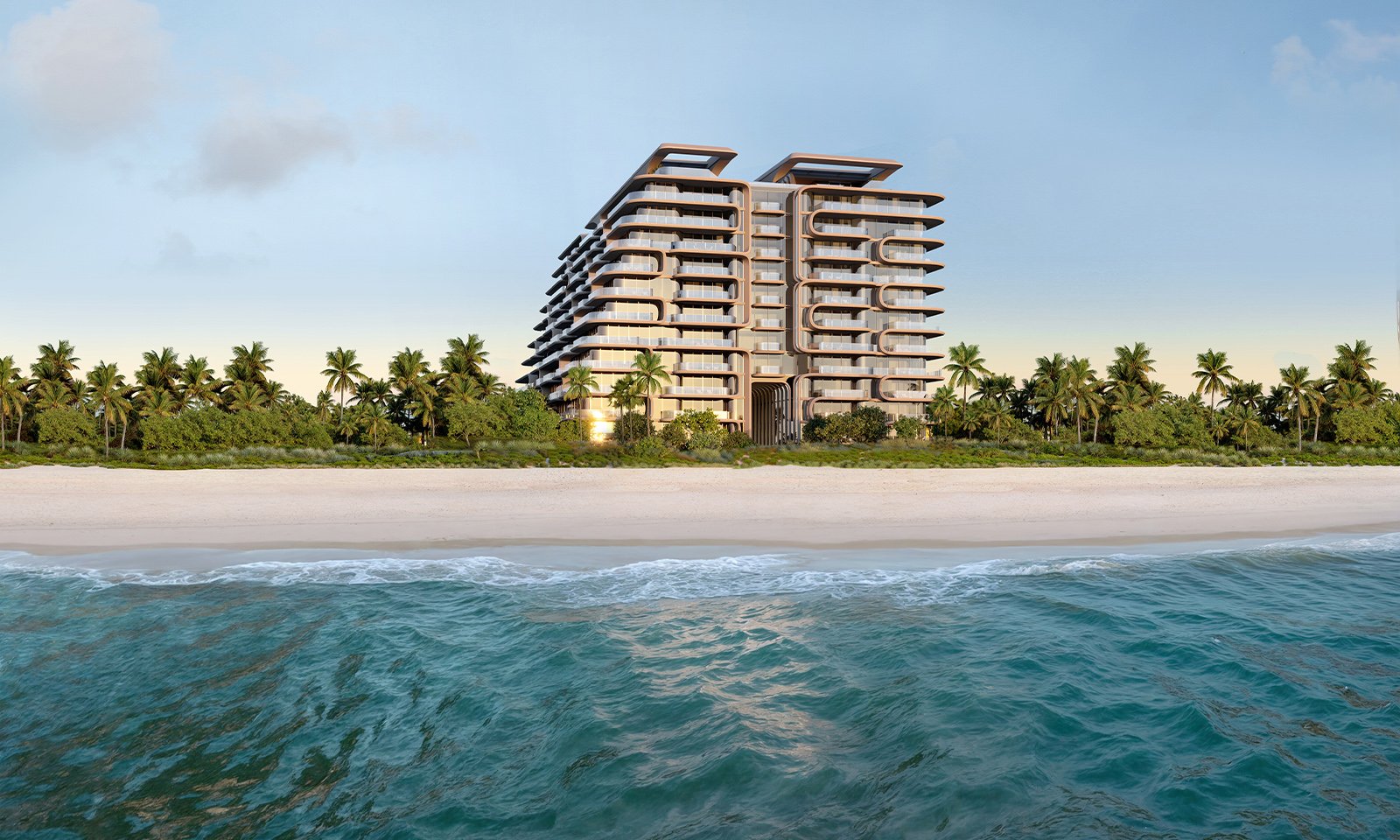
At the highest level of residential design, luxury extends beyond finishes, views, and amenity spaces. It is equally expressed through what a resident rarely sees: luggage moving upstairs, groceries arriving before dinner, a housekeeper entering without crossing a private arrival, or a repair being completed without disrupting the principal rooms.
At The Delmore Surfside, practical luxury is best understood as the integration of architecture, engineering, technology, and hospitality to keep routine operations largely invisible. Storage, deliveries, staff circulation, and maintenance access should be considered as a single operating system rather than four unrelated conveniences.
That distinction matters in Surfside, where an oceanfront residence may need to feel as private as an estate while supporting beach, pool, wellness, concierge, and hospitality-style service. The quality of the experience depends not simply on whether services exist, but on how discreetly they move through the building.
Secure owner storage is particularly relevant for a second home occupied intermittently. Residents leaving personal belongings between stays need more than nominal capacity. They should understand where items are held, how access is controlled, who can retrieve them, and whether the route between storage and residence avoids principal public spaces.
The storage conversation should also reflect the owner's actual collection. Art, wine, fashion, beach gear, and sports equipment may each present different security, handling, and climate considerations. A buyer should not assume that a general storage allocation suits every category. The more useful questions concern dimensions, environmental conditions, inventory procedures, insurance responsibilities, and authorized access.
This consideration extends across Surfside's discreet residential market, including Arte Surfside and Fendi Château Residences Surfside. Each property must be assessed through its own documented plans, policies, and operating procedures.
A sophisticated delivery system should accommodate packages, groceries, luggage, and belongings shipped ahead of an owner's arrival. It should also anticipate deliveries received while a residence is unoccupied. The central issue is custody: where an item goes, who records it, how the owner is notified, and how it reaches the residence.
The same logic applies at the curb. Vehicles, baggage, groceries, family members, pets, and private staff may arrive at once, sometimes late at night or before short-notice entertaining. Practical planning separates these simultaneous needs without requiring the resident to manage the choreography.
Buyers should ask how oversized, refrigerated, fragile, and high-value items are handled. They should also clarify whether delivery permissions can be granted remotely, whether private staff can receive goods, and how long items may remain in holding areas. Technology can streamline communication, but physical capacity and disciplined protocols remain essential.
Back-of-house circulation is where design and architecture become operational. Building employees, private housekeepers, vendors, and other providers need a logical route to their destinations without unnecessarily entering primary arrival areas or resident-focused spaces.
This does not mean service should feel remote or impersonal. The objective is controlled proximity: staff should be able to respond quickly while preserving the calm of the residential environment. Clear access permissions, service-elevator protocols, staging areas, and handoff points can reduce incidental encounters and establish accountability.
Intermittent occupancy adds another layer. A home may continue to receive housekeeping, deliveries, inspections, or preparation services while its owner is away. Buyers should examine how permissions are issued, logged, limited, and revoked. They should also ask who supervises outside providers and how completed work is communicated.
The Surf Club Four Seasons Surfside represents another expression of Surfside's hospitality-oriented residential context. The purpose of comparison is not to presume identical services, but to evaluate how each building translates service ambitions into privacy-conscious circulation and repeatable procedures.
Maintenance planning is easy to overlook during a presentation, yet it directly affects daily comfort and long-term asset performance. Repairs and inspections should be possible with minimal disruption to private interiors, resident amenities, and principal arrival paths.
South Florida's coastal climate and regulatory environment make durable, accessible infrastructure especially important. Equipment that can be inspected and serviced efficiently is more likely to support consistent building performance than infrastructure accessible only through disruptive routes. Access panels, service corridors, equipment clearances, and replacement paths may sound technical, but they determine how gracefully a property ages.
A prudent buyer should ask how routine preventive work differs from emergency access, whether technicians can reach core systems without entering the residence, and what happens when interior access is unavoidable. The answer should address notification, authorization, protection of finishes, supervision, and documentation.
The strongest due diligence follows a real scenario from beginning to end. Imagine an owner arriving after dark as luggage and groceries are handled, a housekeeper prepares the residence, and a pre-shipped item awaits delivery. Then consider the same residence while vacant, with maintenance scheduled and an art shipment arriving.
This exercise reveals whether separate systems truly coordinate. It also helps distinguish an elegant concept from an operational protocol. Because this framework should not be read as a confirmed inventory of completed or promised features, buyers should request current plans, written procedures, storage specifications, staffing policies, and access rules specific to the residence under consideration.
The ultimate lifestyle benefit is quiet control. When circulation, custody, permissions, and maintenance are resolved behind the scenes, residents can enjoy the property without becoming its operations manager.
What does practical luxury mean at The Delmore Surfside? It means coordinating architecture, engineering, technology, and hospitality so routine residential operations remain largely unobtrusive.
Are all the systems discussed here confirmed building features? No. This is a buyer-focused planning and evaluation framework, so specific features and procedures should be verified.
Why is owner storage important for a secondary residence? It allows belongings to remain securely organized between stays, subject to the building's documented capacity and access rules.
What should buyers ask about specialized storage? Ask about dimensions, climate conditions, security, inventory controls, authorized access, and suitability for the intended items.
How should deliveries be handled while an owner is away? Buyers should verify custody, notification, remote authorization, holding capacity, and final-delivery procedures.
Why does staff circulation matter? Thoughtful service routes allow employees and private providers to work efficiently while limiting intrusion into resident spaces.
Can private housekeepers and vendors be accommodated discreetly? They can, provided permissions, entrances, elevators, staging areas, and supervision protocols are clearly defined.
What maintenance questions deserve priority? Ask about preventive access, emergency routes, resident notification, finish protection, supervision, and service documentation.
How does coastal exposure affect practical luxury? It heightens the importance of durable systems and accessible infrastructure that can be inspected, repaired, and maintained efficiently.
What is the best way to evaluate the complete operating system? Walk through realistic occupied- and vacant-home scenarios, then compare them with current plans and written procedures.
For a tailored shortlist and next-step guidance, connect with MILLION.
If branded residences are on your mind — as a home or as an allocation — we would be glad to share what we are seeing, privately.
Begin a quiet conversation