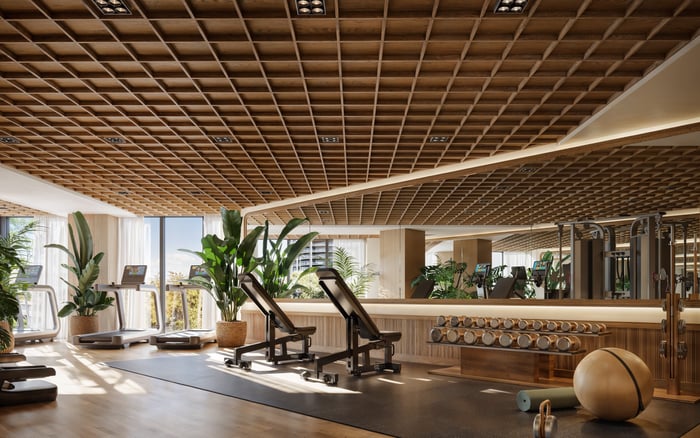
A buyer-focused comparison of Park Grove Coconut Grove and Four Seasons Residences Coconut Grove, framed around 2026 diligence on service, privacy, amenity control, and the distinction between residential calm and branded hospitality.
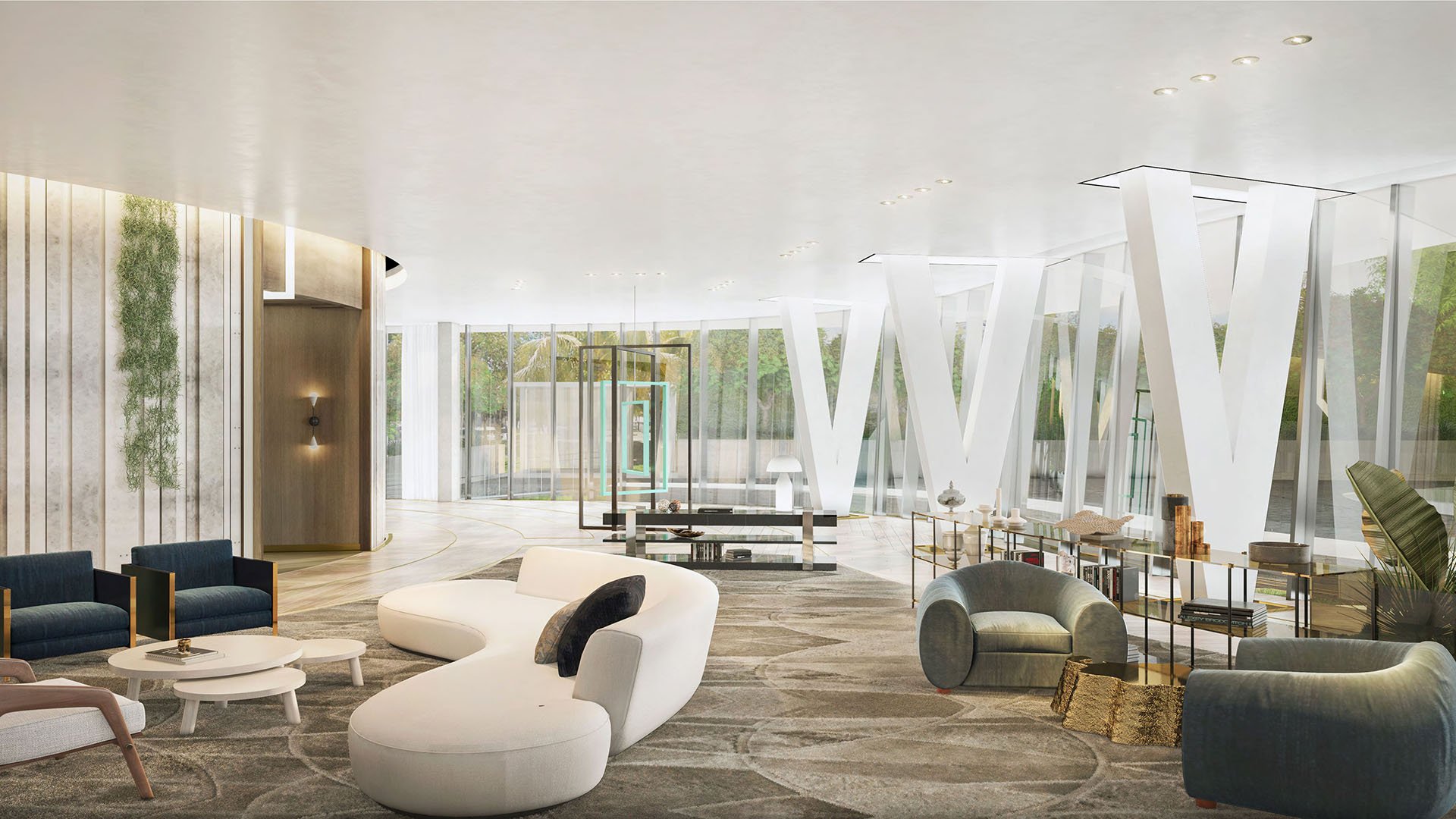
For a serious Coconut Grove buyer, the choice between Park Grove Coconut Grove and Four Seasons Residences Coconut Grove is not simply a question of which address feels more glamorous. It is a question of how daily life is controlled: who greets guests, who rides which elevator, who uses the pool, which services are included, and which privileges become billable extras. Together, those details define the lived experience of ownership.
Park Grove Coconut Grove should be read as the conventional luxury condominium benchmark in this comparison. Its appeal rests on a residential-first proposition: privacy, neighborhood permanence, and amenities organized around owners and residents rather than transient hospitality traffic. Four Seasons Residences Coconut Grove is the hospitality-branded alternative, where the buyer test shifts toward service depth, brand-managed lifestyle programming, and the premium attached to a globally understood standard of care.
The right answer depends on temperament. Some buyers want quiet control and a building culture that feels deliberately residential. Others want a deeper service layer, a recognizable brand, and the expectation that staff, programming, and convenience will sit at the center of the ownership experience. In 2026, the strongest buyers will not rely on reputation alone. They will review the operating documents that show how each promise actually works.
Park Grove Coconut Grove is best understood as the privacy-led option. In a market where many ultra-luxury buyers are weighing branded residences, club concepts, and hospitality-driven towers, Park Grove frames the more conventional condominium question: how well does the building protect the owner’s sense of arrival, retreat, and quiet control?
The key diligence begins with circulation. Buyers should ask for elevator plans, lobby access rules, service-elevator routing, valet procedures, loading protocols, and visitor controls. The strongest privacy architecture is not merely aesthetic. It is operational. A beautiful lobby matters less if delivery traffic, guests, staff, and residents cross paths in ways that create friction.
Amenity privacy deserves the same scrutiny. It is not enough to hear that pools, lounges, cabanas, wellness areas, or dining spaces are resident-focused. A buyer should determine exactly which areas are restricted to owners or residents, how guests are registered, whether certain spaces can be reserved, and how rules are enforced during peak weekends and holidays.
This is where the Park Grove buyer is often making a philosophical choice. The objective is not hotel-style abundance. It is residential composure. For the Coconut Grove buyer who values sanctuary more than a visible service theater, that distinction can matter as much as a view corridor or floor height.
Four Seasons Residences Coconut Grove changes the lens. A branded residence invites a buyer to evaluate not only the real estate, but the service system surrounding it. The central questions become: what is included in ownership, what is available by request, what is charged separately, and how are standards maintained over time?
A hospitality-branded residential product can be compelling for buyers who want a more managed lifestyle. That may include more coordinated arrival experiences, more formalized staff training, more polished guest handling, and more lifestyle programming. Yet the critical word is detail. Buyers should separate brand-associated services from services actually included in regular ownership costs.
This is especially important for households that travel often, entertain frequently, or expect staff support to feel seamless. À la carte services can be valuable, but they should be understood before closing. The buyer should request a clear schedule of included services, optional services, billing procedures, staffing responsibilities, and any third-party arrangements that affect cost or accountability.
The Four Seasons Residences Coconut Grove question is therefore not whether branded service has value. It does. The question is whether the buyer values that service enough to accept the governance, fee structure, and access rules that come with a hospitality-oriented residential environment.
Elevator privacy is one of the most revealing tests in South Florida luxury real estate. It determines whether the building’s promise of discretion is built into the plan or handled through staff behavior alone. In both Park Grove Coconut Grove and Four Seasons Residences Coconut Grove, buyers should request clear confirmation of resident entrances, elevator-bank separation, destination-dispatch access, service routing, guest screening, and visitor parking controls.
For Park Grove, the diligence question is whether the residential-only logic translates into practical privacy at the lobby, elevator, service, and amenity levels. Buyers should verify the exact access rules rather than assume that a residential condominium automatically delivers complete separation.
For Four Seasons Residences Coconut Grove, the diligence is slightly different. The buyer should understand whether the residence experience is insulated from nonresident traffic, how guests are processed, whether staff and service providers use separate pathways, and how amenity arrivals are controlled. A hospitality brand can elevate service, but privacy still depends on physical and operational separation.
In the same broader Grove conversation, Grove at Grand Bay, Vita at Grove Isle, and The Well Coconut Grove help define how sophisticated buyers discuss privacy, wellness, and lifestyle identity. The best comparison is not a simple ranking of buildings. It is a reading of how each residence choreographs arrival, movement, access, and retreat.
Amenities are often marketed through square footage, imagery, and lifestyle language. The 2026 buyer should treat them as rights. Who may enter? When may they enter? Can guests use the space without the owner present? Are cabanas assigned, reserved, or open? Are dining rooms, lounges, spa areas, waterfront facilities, or wellness spaces included, shared, or billable?
Park Grove’s buyer should focus on current rules and regulations, because resident-focused amenities only become truly valuable when access is clear and enforceable. If a pool or lounge is intended primarily for owners and residents, the buyer should confirm the guest policy, event restrictions, reservation protocols, and any rules that may change during high-demand periods.
The Four Seasons buyer should ask a parallel set of questions, with added attention to service economics. Which amenities are resident-only? Which are shared, reservable, or subject to availability? Which services require additional charges? Which experiences are managed as part of ownership, and which operate more like a private hospitality menu?
The subtle tradeoff is exclusivity versus depth. A more residential building may offer fewer theatrics but tighter control. A branded residence may offer a richer service ecosystem, but the buyer must understand exactly where private ownership ends and hospitality access begins.
Choose Park Grove Coconut Grove if the priority is residential calm, controlled circulation, and the feel of a private condominium culture. It may be the better fit for buyers who want fewer variables, less emphasis on programmed lifestyle, and more confidence that daily life is organized around residents rather than hospitality demand.
Choose Four Seasons Residences Coconut Grove if the priority is service depth, brand alignment, and a more managed ownership experience. It may be the better fit for buyers who value polish, convenience, staff coordination, and the emotional assurance of a recognized hospitality name.
In either case, the decisive work happens before contract, not after move-in. Review budgets, service descriptions, association rules, management responsibilities, guest policies, valet procedures, loading protocols, and amenity controls. Luxury in 2026 is not only what is shown on a tour. It is what is protected in the documents.
Which residence is better for privacy-focused buyers? Park Grove Coconut Grove reads as the stronger residential-privacy proposition, but buyers should verify elevator layouts, access rules, and service routing before relying on that assumption.
Which residence is better for service-oriented buyers? Four Seasons Residences Coconut Grove is the clearer service-led option, especially for buyers who value branded hospitality and lifestyle coordination.
Should buyers assume all Four Seasons services are included? No. Buyers should separate included ownership services from optional or à la carte services that may carry separate charges.
What should buyers ask about elevators? They should request resident entrance details, elevator-bank separation, destination-dispatch rules, service-elevator routing, and guest access controls.
Are Park Grove amenities automatically owner-only? Not automatically. Buyers should confirm current rules for residents, owners, guests, reservations, cabanas, lounges, wellness areas, and event use.
What is the biggest risk in comparing these two residences? The biggest risk is relying on brand impressions rather than reviewing the actual operating documents, rules, budgets, and access policies.
Does a hospitality brand reduce privacy? Not necessarily. Privacy depends on the building’s physical separation, access controls, guest screening, staff routing, and day-to-day enforcement.
What documents matter most before closing? Buyers should review association rules, management agreements, operating budgets, service menus, amenity policies, valet procedures, and loading protocols.
How should second-home buyers think about the choice? Second-home buyers may value branded service for convenience, while privacy-focused owners may prefer a more purely residential operating culture.
Is there one clear winner for 2026? There is no universal winner. The better choice depends on whether the buyer values residential control or hospitality service more.
For a tailored shortlist and next-step guidance, connect with MILLION.
If branded residences are on your mind — as a home or as an allocation — we would be glad to share what we are seeing, privately.
Begin a quiet conversation