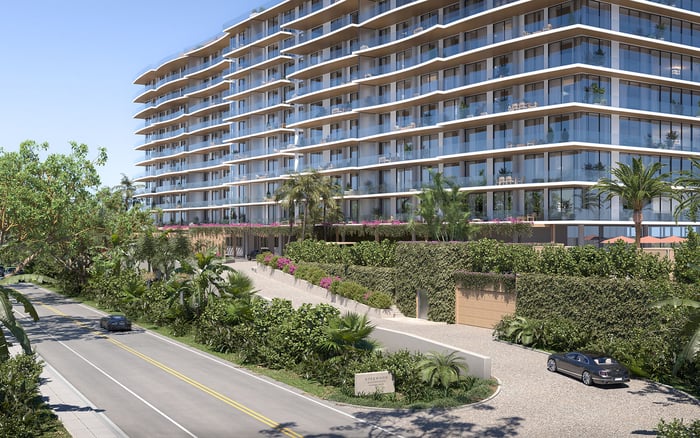
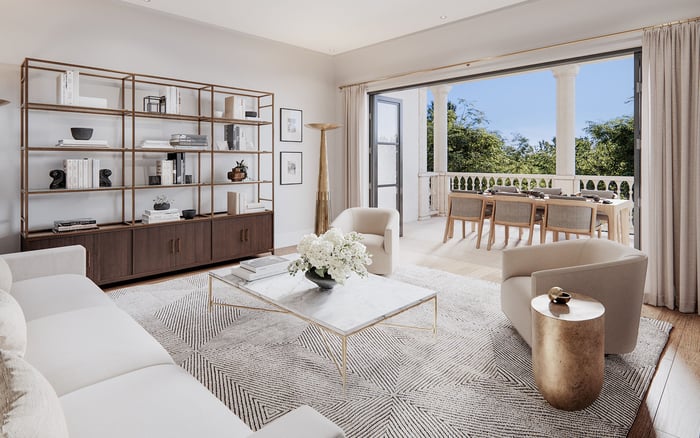
Family-zone planning helps luxury buyers evaluate a boutique South Florida residence by the way it supports household routines, privacy, storage, mobility, and long-term resale flexibility.
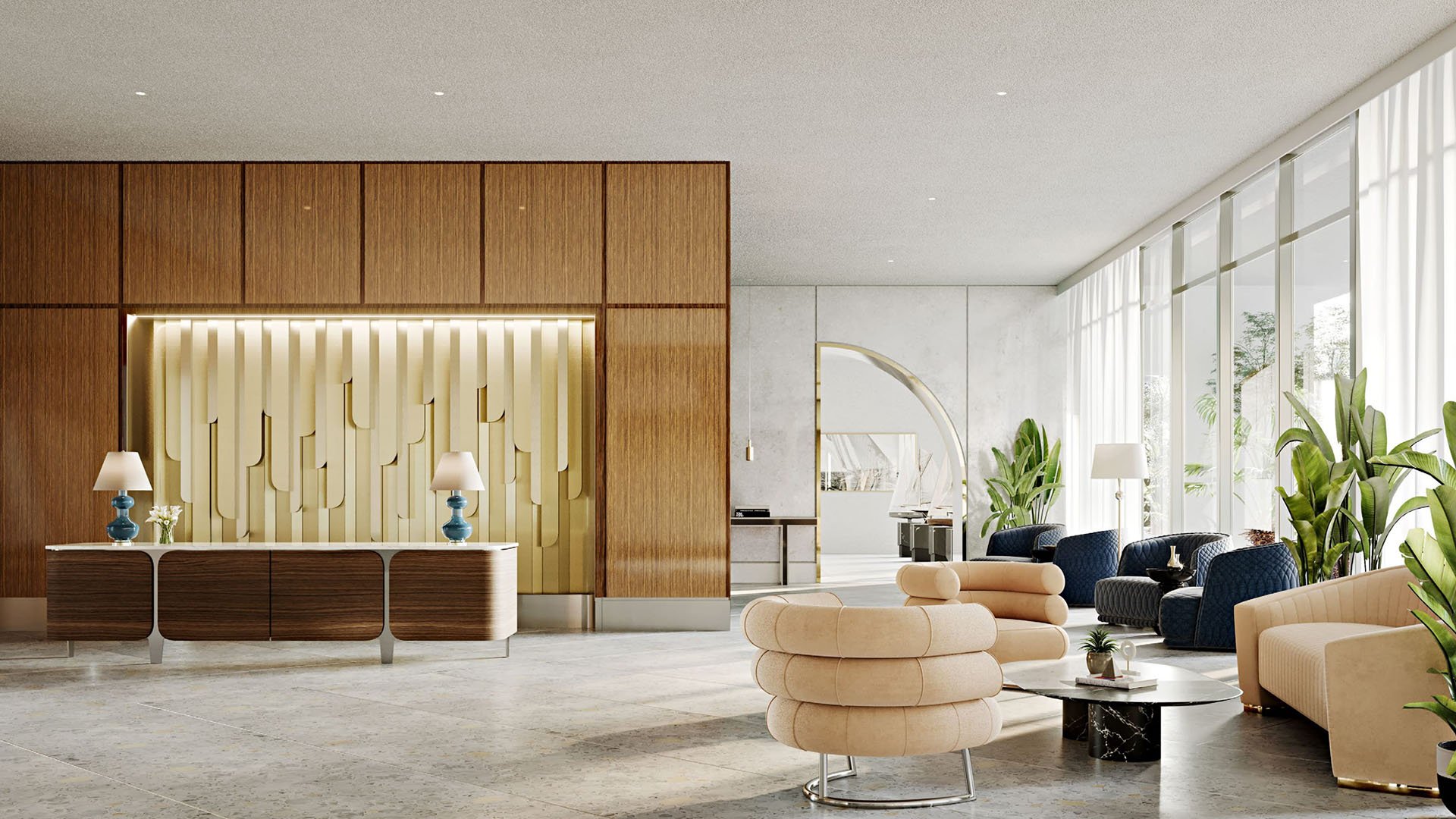
For a family buying a South Florida boutique residence, the purchase price is only the first number. The more revealing cost appears every morning, afternoon, and evening: time spent crossing the apartment, privacy lost during a video call, homework migrating to the dining table, a stroller that never quite fits, or a guest room pressed into service as improvised storage.
Family-zone planning reads a residence as a living system. It asks where children enter after school, where a nanny or tutor can work without interrupting the primary suite, whether grandparents can stay comfortably, and how the household shifts from weekday routines to weekend entertaining. In a boutique building, those questions matter even more because the promise is intimacy, discretion, and a more residential rhythm. If the floor plan does not support the family’s day, the boutique premium can become a lifestyle tax.
That is why two residences with similar interior square footage can carry very different real costs. One may feel elegant in a showing but demand daily compromise. Another may have fewer dramatic gestures yet function with rare intelligence. The latter is often the more valuable asset.
Family-zone planning divides the home into practical territories. The public zone includes arrival, living, dining, kitchen, powder room, and terrace flow. The private zone includes bedrooms, baths, closets, and quiet retreats. The service zone includes laundry, storage, secondary entries when available, and staff or support spaces. The transition zone is the most overlooked: the halls, vestibules, den areas, and flexible rooms that keep family life from spilling everywhere at once.
In South Florida, the terrace is part of this calculation. A deep outdoor area can extend a family room, create a supervised play zone, or allow adults to entertain without surrendering the interior. A shallow balcony may deliver a view, but not always meaningful family function. The difference can affect how often the residence truly lives larger than its stated dimensions.
In Brickell, for example, a family evaluating 2200 Brickell may look beyond urban convenience and focus on the sequence from elevator to kitchen, from bedrooms to shared living, and from workday privacy to evening entertaining. The strongest family layouts do not simply provide rooms. They reduce conflict between simultaneous lives.
Pricing & Trends conversations often focus on neighborhood, view, brand, and finish level. Those elements matter, but family-zone planning adds a more personal layer: usable value. A residence can be beautifully located and still feel costly if it forces a family to outsource solutions. Extra storage, supplemental office space, frequent hotel rooms for visiting relatives, additional staff coordination, or private club use can all arise when a home is not zoned for the way its owners actually live.
The hidden premium is not always more square footage. It is better separation. A den near secondary bedrooms may be more useful than a larger living room. A laundry room positioned near bedrooms may save more daily time than an ornamental foyer. A secondary bedroom wing with acoustic privacy may protect both sleep and resale appeal. These are small planning details, but they shape the cost of ownership in lived terms.
For Miami Beach families, the calculus can be especially nuanced because lifestyle, access, and privacy are often in tension. A residence such as The Perigon Miami Beach invites buyers to consider how beach living intersects with school mornings, guest weekends, and the need for interior calm after highly social days. The most successful plan allows the waterfront setting to enhance the household rather than dominate it.
Boutique residences tend to attract buyers who want fewer neighbors, a quieter arrival, more privacy, and a building culture that feels composed. For families, that can be powerful. Smaller-scale living may mean a more personal relationship with staff, less lobby congestion, and a stronger sense of home. Yet boutique living also leaves less room for planning error. When a building has fewer shared amenities than a large resort tower, the residence itself must work harder.
That makes the internal program decisive. Is there a proper place for sports equipment, beach gear, school bags, and deliveries? Can a private tutor work while a parent hosts a meeting? Can children gather without turning the main salon into a playroom? Is the kitchen positioned as a family hub, or only as a showpiece? These questions are not anti-luxury. They are the foundation of residential luxury.
In Coconut Grove, buyers often value a softer, more residential pace, and a project like The Well Coconut Grove can be read through that lens. The family-zone question is not only whether the setting feels serene. It is whether the plan sustains that serenity when real family life begins.
One of the clearest ways to evaluate a residence is to imagine a weekday from 6:30 a.m. to 8:30 p.m. The test begins with breakfast, uniforms, bags, pets, elevators, parking, and the commute. It continues with afternoon returns, homework, calls, dinner, bathing, and bedtime. A luxury residence that passes the school-day test usually has a durable advantage over one that only performs at sunset.
Private-school decisions often reshape the map. A family may prefer a smaller residence in a better daily corridor over a larger home that adds stress to every morning. The right address is not always the most famous address. It is the one that makes the household more punctual, more rested, and more available to each other.
This is where Fort Lauderdale, Coral Gables, Coconut Grove, Miami Beach, Boca Raton, and the coastal enclaves each tell a different story. The best choice depends less on prestige in the abstract and more on whether the building’s arrival, parking, elevator experience, and internal layout support the family’s actual timetable.
Family-zone planning is also a resale discipline. The next buyer may not have the same furniture, staff structure, or school route, but they will recognize a plan that solves universal problems. Split bedrooms, flexible dens, generous storage, proper laundry placement, and intuitive circulation rarely go out of style. They are quiet forms of liquidity.
A waterfront residence may sell the view first, but a family-friendly plan can defend value when buyers compare options closely. In Fort Lauderdale, Sixth & Rio Fort Lauderdale shows why urban waterfront living should be assessed not only by outlook and address, but by how gracefully the residence supports movement between private life, social life, and the city beyond.
The most sophisticated buyers are not choosing between beauty and practicality. They expect both. They know that a home that functions elegantly will be used more fully, maintained more rationally, and understood more quickly by the next serious buyer.
Begin with arrival. A gracious entry should not collapse under backpacks, packages, guests, and pets. Then study bedroom adjacency. Young children may need proximity, while older children and guests benefit from separation. Review where noise travels, especially from kitchens, media areas, terraces, and elevator cores.
Next, test flexibility. A den should be able to evolve from nursery to homework room, office, gym, or guest overflow. Storage should be planned as carefully as millwork. Laundry should be sized for real use, not merely photographed well. Terraces should be evaluated for depth, shade, safety, furniture, and sightlines.
Finally, consider how the residence will live in five years. A plan that adapts can reduce the need to trade prematurely. In South Florida’s luxury market, that adaptability is not a minor benefit. It is a hedge against lifestyle change.
What is family-zone planning? It is the practice of evaluating a residence by how its public, private, service, and transition spaces support family life.
Why does it matter in a boutique building? Boutique buildings often offer privacy and intimacy, so the residence itself must handle daily routines with precision.
Can a smaller residence be more valuable for a family? Yes, if its layout reduces wasted space and supports work, school, guests, storage, and quiet time more effectively.
What room is most often underestimated? The flexible den is often underestimated because it can shift between office, homework room, nursery, or guest space.
How should buyers evaluate a terrace? They should look at depth, shade, furniture placement, safety, and whether it truly extends the family living area.
Does family-zone planning affect resale? Yes, adaptable layouts with privacy, storage, and intuitive circulation tend to appeal to a wider pool of future buyers.
Is view more important than floor plan? A view creates emotional value, but a poor floor plan can make the residence feel expensive in daily use.
What should private-school families prioritize? They should weigh commute rhythm, parking, elevator flow, and morning routines as carefully as finishes and amenities.
How does Brickell differ from Miami Beach for families? Brickell may emphasize urban efficiency, while Miami Beach often requires balancing resort lifestyle with household calm.
What is the best way to shortlist comparable options for touring? Start with location fit, delivery status, and daily lifestyle priorities, then compare stacks and elevations to validate views and privacy.
If you'd like a private walkthrough and a curated shortlist, connect with MILLION.
If branded residences are on your mind — as a home or as an allocation — we would be glad to share what we are seeing, privately.
Begin a quiet conversation