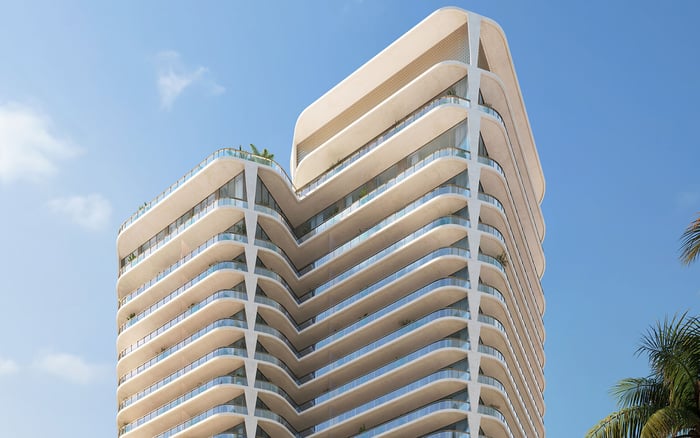
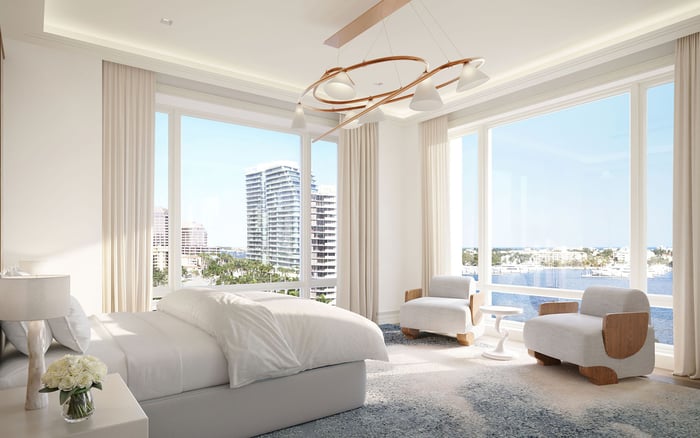
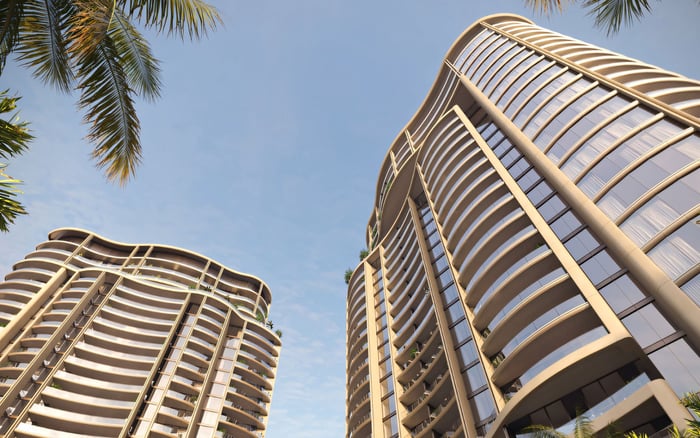
A buyer-focused look at how integrated gourmet coffee stations are becoming part of the daily luxury conversation at MOD West Palm Beach and Vitae Residences Edgewater.
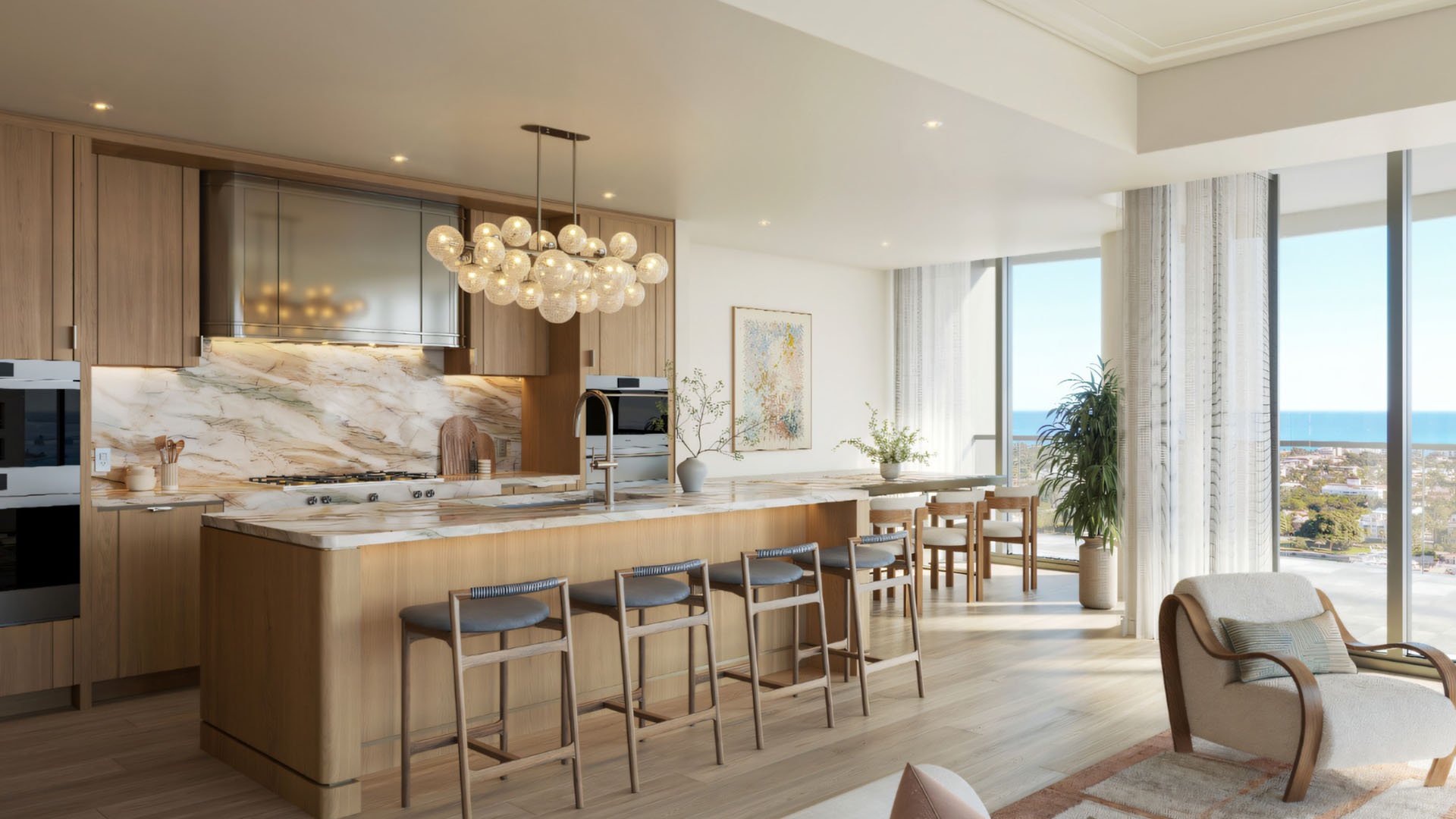
In the upper tier of South Florida real estate, the most telling luxuries are often the quietest. A gourmet coffee station is one of them. It is not simply a place for an espresso machine, nor a decorative corner staged for a brochure. At its best, it is a small domestic room within a room, planned around the rhythm of the day’s first hour.
For buyers weighing MOD West Palm Beach and Vitae Residences Edgewater, the question is less whether a residence can accommodate coffee equipment and more how elegantly that ritual is absorbed into daily life. The strongest integrations feel inevitable. Cups are close at hand, water access is intuitive, counter space is protected, and the station does not interrupt the architecture of the kitchen.
This is where the conversation becomes meaningful for luxury buyers. A coffee station should not compete with the chef’s kitchen. It should refine it. Like a bar, pantry, dressing area, or service corridor, it signals that the home understands sequence, privacy, and repetition. In buyer shorthand, West Palm Beach and Edgewater represent two distinct residential moods, yet both can make the morning ritual feel more deliberate.
MOD West Palm Beach invites a West Palm Beach reading of the coffee station: calm, polished, and suited to a household that values ease before visibility. In this context, the best coffee integration would feel more like millwork than equipment. Concealed storage, warm lighting, stone or porcelain work surfaces, and a disciplined appliance zone can help the station remain elegant when not in use.
The design priority is composure. A visible espresso machine can be beautiful, but only if the surrounding architecture supports it. A dedicated drawer for capsules or beans, a place for grinders, a landing area for cups, and ventilation considerations all matter. Without those details, a luxury feature quickly becomes countertop clutter.
For a buyer considering MOD West Palm Beach, the coffee station can also serve a broader lifestyle purpose. It can bridge the private suite and the entertaining kitchen, allowing an owner to move through the morning without activating the entire home. That matters for households with guests, family members on different schedules, or owners who use the residence as a second home and want hotel-like ease without losing the feeling of a private residence.
Vitae Residences Edgewater frames the same amenity through a more urban lens. Edgewater buyers often prioritize efficiency, views, circulation, and flexible entertaining. In that environment, a gourmet coffee station works best when it is compact, visually precise, and integrated into the main living sequence without making the kitchen feel overly utilitarian.
The urban version of the feature is about choreography. If the station is near the kitchen, it should be close enough to water and refrigeration to function well, but not so central that it interrupts meal preparation. If it is placed near a den, lounge, or primary-suite approach, it should feel intentional rather than improvised. The goal is a seamless transition from private ritual to public space.
In an Edgewater residence, lighting becomes especially important. A coffee station used early in the morning should not rely only on overhead illumination. Low, warm, task-focused lighting can make the station feel composed before the rest of the residence is fully awake. This is a subtle detail, but one that sophisticated buyers notice immediately.
The difference between an appliance nook and a gourmet coffee station is planning. Integration begins with workflow: beans or capsules, cups, spoons, filtered water, waste, cleaning supplies, and serving surfaces should sit in a logical order. A beautiful station that requires constant movement across the kitchen is not luxurious. It is decorative.
Storage is equally critical. The station should allow daily-use objects to disappear without becoming inconvenient. Pocket doors, tambour panels, concealed shelves, and appliance garages can work well when detailed properly. The hardware must feel substantial, because this is a high-touch zone. A flimsy door or awkward shelf undermines the entire experience.
Material selection should also be practical. Coffee, water, heat, and repeated cleaning demand surfaces that age gracefully. The best choices are not always the most dramatic. A honed surface, refined slab, or beautifully detailed panel can do more for the room than a theatrical finish that requires constant maintenance.
Acoustics are often overlooked. Grinders, milk frothers, and built-in machines can be noisy in an open-plan residence. Location, enclosure, and adjacency all matter, especially in homes where the kitchen opens directly to living and dining areas. Quiet luxury is not only visual. It is audible.
Luxury resale value is shaped by how often a feature is used and how naturally it fits the residence. A coffee station has an advantage because it serves a daily ritual. Unlike highly personal specialty rooms, it can appeal to a broad spectrum of buyers, from full-time residents to seasonal owners and frequent hosts.
The risk is over-personalization. A station designed around one specific machine, one visual trend, or one owner’s habits may age quickly. The more resilient approach is to create a flexible zone with proper power, storage, lighting, and counter depth. That allows future owners to adapt the feature without rebuilding the kitchen.
For new-construction buyers, the smartest questions are practical. Where will the machine sit? Is there space for preparation and cleanup? Can small appliances be hidden? Is there a nearby water source? Will the finish withstand daily use? These questions sound modest, but in the luxury market they separate thoughtful design from surface-level amenity language.
Boutique residences can be especially well suited to this kind of detail because smaller-scale living often places greater emphasis on the quality of each daily touchpoint. Ultra-modern interiors, meanwhile, benefit when the coffee station softens the architecture rather than adding another hard, technical gesture. The ideal result is neither a café nor a showroom. It is a private ritual made effortless.
When touring a residence, do not judge the coffee station only by how it photographs. Stand where you would stand in the morning. Open the drawers. Check the clearance. Imagine two people using the kitchen at once. Consider whether the feature supports both solitude and hospitality.
A strong coffee station should feel calm when empty and functional when active. It should not require visible cords, improvised trays, or a daily reset to look refined. It should also relate to the broader design language of the home, from cabinetry profiles to metal finishes to lighting temperature.
For MOD West Palm Beach and Vitae Residences Edgewater, the opportunity is to view this amenity as a lens into overall design intelligence. If a residence handles a small daily ritual beautifully, it often suggests a deeper understanding of how luxury buyers actually live.
Why are gourmet coffee stations becoming important in luxury residences? They transform a daily habit into a designed ritual, which is increasingly valued by buyers seeking comfort, privacy, and precision at home.
Should a coffee station be part of the kitchen or separate from it? Either can work, but the best location depends on circulation, access to water, storage, and how the owner uses the residence each morning.
What should buyers look for in MOD West Palm Beach? Buyers should focus on whether the coffee zone feels calm, well stored, and consistent with the broader residential design language.
What should buyers look for in Vitae Residences Edgewater? Buyers should consider efficiency, lighting, and whether the station supports an urban lifestyle without crowding the main kitchen.
Is a built-in machine always better than a freestanding machine? Not necessarily. A flexible station with strong storage and power planning can be more future-proof than a highly specific built-in solution.
Does a coffee station help resale appeal? It can, especially when it feels permanent, useful, and adaptable rather than overly customized to one owner’s preferences.
What materials work best around a coffee station? Durable, easy-to-clean surfaces are preferable, particularly where water, heat, grinding, and repeated wiping are part of daily use.
How important is lighting in a coffee station? Very important. Warm task lighting can make the station usable and elegant during early morning hours without activating the entire room.
Can a coffee station work in a smaller residence? Yes. A compact station can be highly effective if storage, clearance, power, and appliance placement are planned with discipline.
What is the biggest design mistake to avoid? Treating the station as a decorative appliance shelf rather than a complete workflow for preparation, service, cleanup, and storage.
If you'd like a private walkthrough and a curated shortlist, connect with MILLION.
If branded residences are on your mind — as a home or as an allocation — we would be glad to share what we are seeing, privately.
Begin a quiet conversation