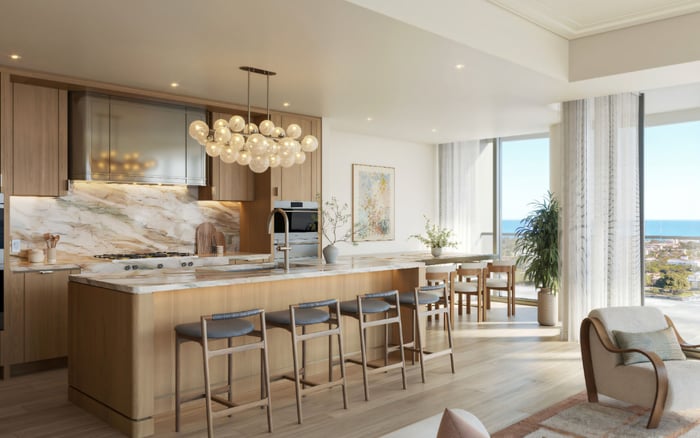
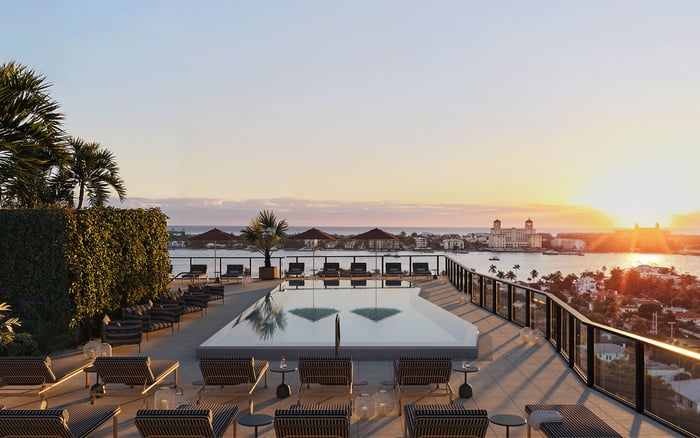
A buyer-focused look at how gourmet spice rack integration elevates luxury kitchens, with practical guidance for South Florida residences shaped by precision, discretion and daily usability.
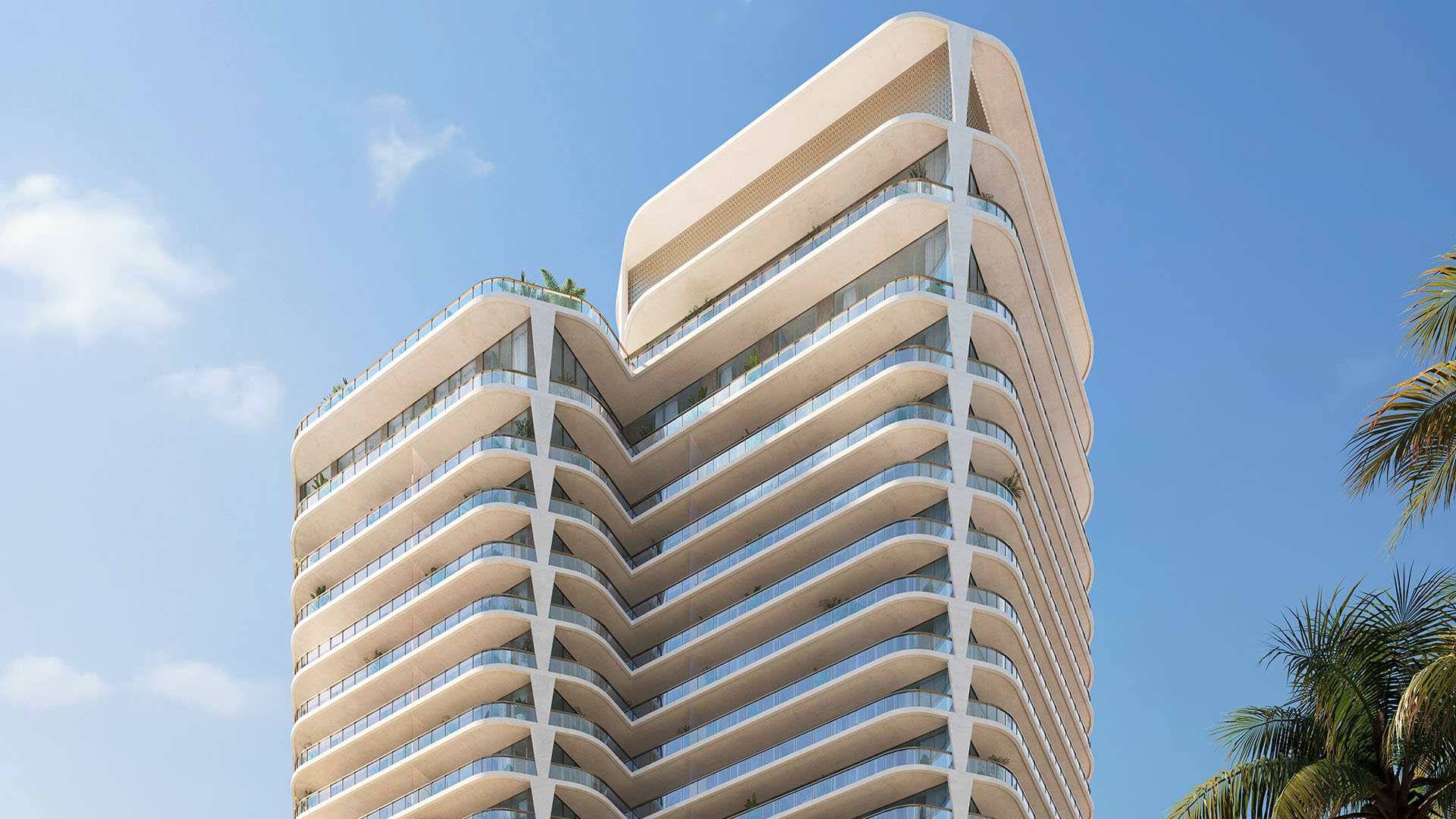
In the upper tier of South Florida residential design, the kitchen is no longer judged only by its stone, appliances or open-plan drama. It is judged by how intelligently it supports the rituals of daily life. Gourmet spice rack integration belongs to that quieter category of luxury: a detail that may not command the first glance, but immediately changes how a kitchen feels, cooks and performs.
The topic has particular relevance for buyers considering MOD West Palm Beach and Vitae Residences Edgewater because both names sit within markets where culinary expectations have matured. Owners are not merely displaying kitchens for entertaining. They are preparing espresso before a flight, plating dinner after a boat day, hosting friends on short notice and expecting every drawer, cabinet and reveal to respond with precision.
A spice system sounds modest until it is missing. Then saffron, smoked paprika, za’atar, finishing salts and tea blends migrate into crowded drawers or exposed jars near heat and light. The result is visual noise, wasted space and diminished freshness. A well-integrated system resolves those frictions without announcing itself.
A true gourmet spice rack is not a decorative shelf of matching glass jars. In a luxury residence, it is a coordinated storage strategy. It considers reach, visibility, climate exposure, cooking sequence and the relationship between prep zones and heat zones. The goal is to place the most-used ingredients within one fluid motion, while protecting more delicate aromatics from sun, steam and unnecessary handling.
The strongest executions are often concealed. They may sit within a slim pull-out beside a range, a shallow drawer insert near the prep counter or a dedicated pantry cabinet with tiered visibility. The point is not to create a restaurant kitchen at home. It is to create a residential kitchen that works with restaurant-level confidence while maintaining a calm architectural face.
For buyers, the question is not whether a spice rack exists. It is whether the storage has been designed as part of the kitchen’s larger rhythm. If the cooktop, sink, refrigeration and prep surface form the choreography, spice storage should sit where the hand naturally wants to go next.
West Palm Beach and Edgewater attract different lifestyles, yet both reward disciplined interior planning. In West Palm Beach, luxury kitchens often have to balance ease, hosting and a polished sense of arrival. In Edgewater, where urban water views and vertical living shape the residential experience, the kitchen must work elegantly within a highly edited footprint.
That is why integrated storage matters. A buyer comparing residences should open drawers, test sightlines and think beyond the difference between display and use. A dramatic kitchen island may photograph beautifully, but the daily experience depends on smaller decisions: whether oils sit too close to heat, whether seasonings are visible at once, whether containers are easy to remove and whether the system can adapt to a changing culinary routine.
MOD West Palm Beach and Vitae Residences Edgewater enter the conversation as useful reference points for how buyers are thinking about current luxury living. The kitchen is expected to be social without becoming cluttered, functional without feeling utilitarian and sophisticated without sacrificing speed. Spice integration is one of the cleanest ways to test that balance.
In new-construction residences, buyers have an opportunity to assess whether cabinetry is merely attractive or genuinely planned. Soft-close hardware, integrated lighting and clean millwork are now baseline expectations. The more revealing question is how storage zones are assigned. A kitchen that provides dedicated vertical slots, tiered inserts or custom drawers for small culinary items signals a higher level of thought.
Ultra-modern kitchens make this even more important. Their visual language depends on long planes, minimal interruption and restrained materials. Open jars and countertop organizers can quickly disturb that composition. Concealed spice integration preserves the quiet geometry of the room while keeping the cooking process intuitive.
Boutique residences often bring another advantage: a greater opportunity for personalization. A buyer who cooks frequently may want a drawer system organized by cuisine, with daily ingredients closest to the range and specialty spices in a secondary pantry. A frequent entertainer may prefer a hidden bar-adjacent cabinet that accommodates bitters, salts, citrus powders and garnishes. The best kitchens allow for these differences without requiring the owner to compromise the architecture.
Spices are sensitive. Heat, light, air and moisture all work against them. Luxury integration should therefore avoid placing delicate ingredients in constant sunlight or directly over warm appliances. A beautiful spice display can be less effective than a shaded drawer if the owner actually cooks.
Access is equally important. The strongest systems allow a cook to identify ingredients quickly without removing multiple containers. Tiering, angled inserts, labeled lids and shallow drawers all help. Deep drawers can work when inserts prevent jars from sliding or stacking. Narrow pull-outs can be elegant, but only when they are wide enough to see and retrieve items easily.
Order should never feel fussy. A successful spice system can accommodate both precision and spontaneity. It should make room for original packaging when needed, decanted jars when preferred and small quantities of high-value ingredients that deserve protection. The luxury is not uniformity for its own sake. The luxury is control.
Terrace entertaining changes how spice storage should be considered. In South Florida, cooking and hosting often move fluidly between the interior kitchen, outdoor seating and evening drinks. Even when the primary cooking takes place indoors, the flavor work often supports the terrace experience: finishing salts for grilled vegetables, chili-lime blends for fruit, dried herbs for dressings or spice-forward garnishes for cocktails.
That does not mean every terrace needs outdoor spice storage. In humid coastal conditions, interior protection is often more sensible. The smarter approach is to position the interior spice zone near the path between kitchen and terrace, so the owner can move efficiently without exposing ingredients to unnecessary heat or moisture.
For buyers, this is where lifestyle becomes a design lens. If a residence is meant for frequent hosting, small storage details can either support the evening or interrupt it. The best kitchens reduce visible preparation and keep the social areas composed.
A serious buyer should treat spice integration as part of broader kitchen due diligence. Ask whether drawer inserts are fixed or adjustable. Study how easily jars can be replaced. Consider whether the cabinetry can accommodate both a disciplined cook and a future owner with different preferences. Look at lighting, ventilation, proximity to appliances and whether the system feels intuitive from the first use.
Also consider maintenance. High-end kitchens should not require fragile routines. Inserts should clean easily. Pull-outs should feel stable. Interior finishes should resist staining from turmeric, chili powders and oils. If the storage looks beautiful but feels delicate, it may not serve the way an everyday luxury kitchen should.
Above all, evaluate whether the system disappears when not in use. The finest spice integration supports flavor, speed and freshness, then returns the room to stillness. That is the standard sophisticated buyers increasingly expect from South Florida’s next generation of residences.
Why does a spice rack matter in a luxury residence? It reveals whether the kitchen was planned for real cooking, not just presentation. Small storage decisions often determine how refined the daily experience feels.
Should spices be displayed or concealed? Concealment is usually more elegant and protective. Display can work selectively, but heat, light and visual clutter should be considered.
What is the best location for spice storage? The best location is near the primary prep and cooking zone, but not in a place exposed to excessive heat, steam or direct sun.
Are pull-out spice racks practical? They can be excellent when stable, visible and wide enough for easy retrieval. Poorly sized pull-outs can become frustrating over time.
Do luxury buyers prefer custom inserts? Many do because custom inserts create order without adding visible clutter. Adjustable systems are especially valuable for changing routines.
How does this apply to MOD West Palm Beach? Buyers using MOD West Palm Beach as a reference point can evaluate whether kitchen storage supports both polished entertaining and daily preparation.
How does this apply to Vitae Residences Edgewater? Buyers considering Vitae Residences Edgewater can look at how efficiently the kitchen manages storage within an urban luxury lifestyle.
Can spice storage affect resale perception? Yes, thoughtful storage can make a kitchen feel more complete and more livable. It signals care in the details.
Is outdoor spice storage a good idea in South Florida? Usually, interior storage is safer because humidity and heat can affect quality. Outdoor entertaining is better supported by convenient interior access.
What should buyers inspect first in a kitchen? Open the drawers and cabinets, then test whether the storage follows the way you actually cook. The answer is often immediate.
For a tailored shortlist and next-step guidance, connect with MILLION.
If branded residences are on your mind — as a home or as an allocation — we would be glad to share what we are seeing, privately.
Begin a quiet conversation