A discreet buyer’s guide to thinking about Miami Beach ownership structure, asset protection, privacy, succession and liquidity before signing a luxury residential contract.
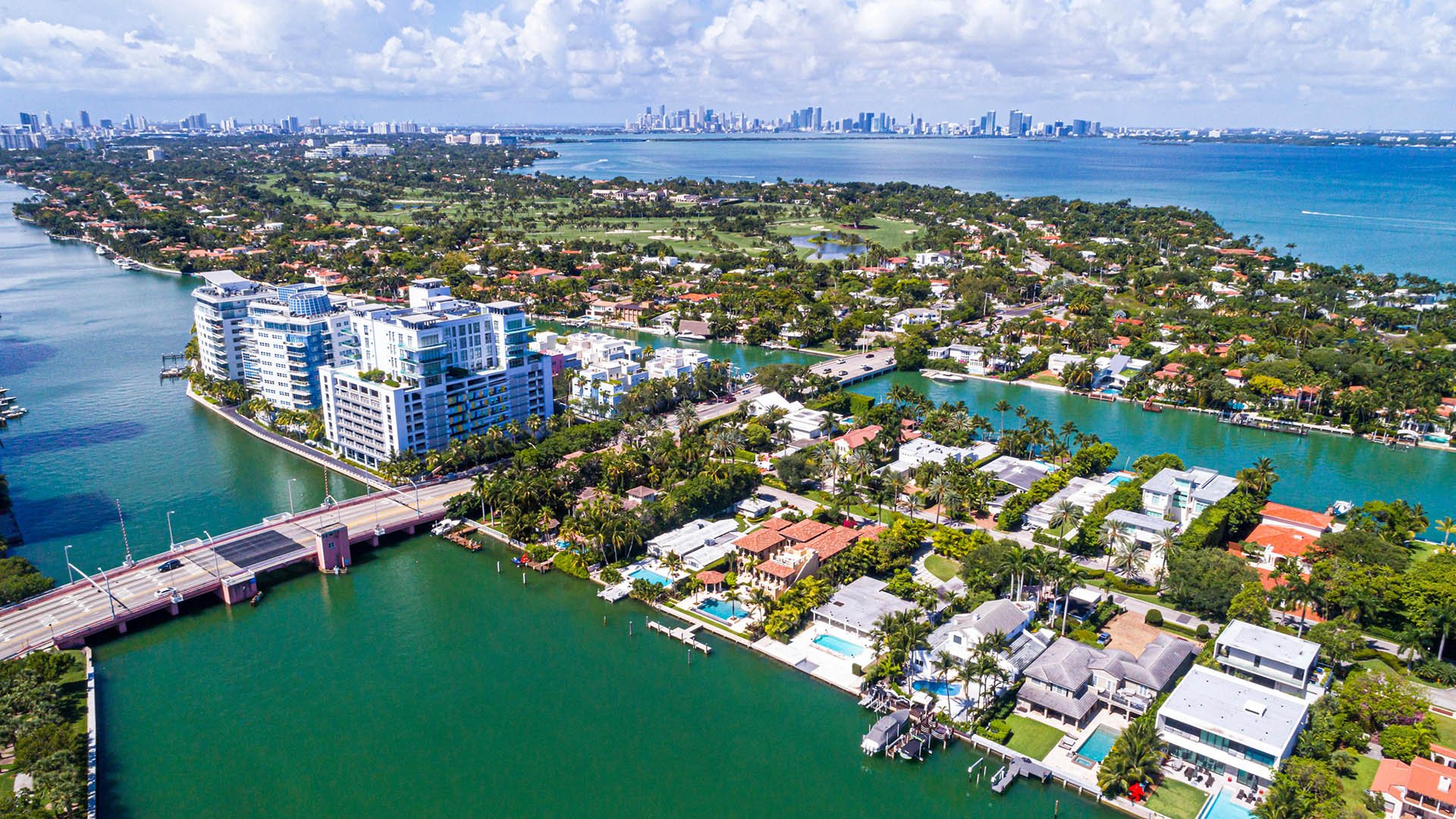
For a buyer moving capital between Geneva and Miami Beach, the residence is rarely just a residence. It may be a family base, a seasonal retreat, an investment asset, a legacy holding or a privacy-sensitive acquisition that must sit comfortably within a broader balance sheet. Architecture, view corridors and service culture matter, but so does the name that appears, or does not appear, on the purchase documents.
Ownership structure is the quiet part of the transaction. It is not as photogenic as a terrace over the Atlantic, yet it can shape privacy, estate planning, financing flexibility, liability containment and eventual exit strategy. In Miami Beach, where trophy homes and ultra-luxury condominiums attract buyers with international lives, the right question is not simply what to buy. It is how the asset should be owned from the beginning.
This buyer’s guide topic is best addressed before the first contract draft, not after closing. A structure that feels convenient on signing day may become cumbersome when a lender, insurer, condominium association, family office, tax adviser or future buyer asks for clarity.
The strongest ownership structure begins with intent. A pied-à-terre for personal use may require different planning than a property expected to host family members, staff, guests or long-term tenants. A waterfront condominium held for lifestyle reasons may not need the same governance architecture as a multi-generational holding intended to remain within a family for decades.
For a Geneva-based buyer, the first conversation should connect U.S. real estate counsel, home-jurisdiction advisers and the family office or wealth manager. The objective is alignment. Asset protection is not a single document or entity. It is a coordinated arrangement in which title, control, reporting, financing and succession are considered together.
In practice, that means asking direct questions early. Who will use the property? Who will have authority to sell or refinance it? Should beneficial ownership be centralized or divided? Is the purchase part of a wider estate plan? Will the property be rented, lent to relatives or reserved exclusively for the principal? The answers may guide whether title is held directly, through an entity, through a trust arrangement or through another bespoke structure reviewed by counsel.
Privacy is often the first reason international buyers ask about ownership structure. In the luxury market, discretion has value. Buyers considering residences such as The Perigon Miami Beach or Shore Club Private Collections Miami Beach may care as much about quiet ownership as they do about design, arrival experience and residential services.
Yet privacy should not be confused with opacity. Sophisticated acquisitions require clean documentation, identifiable decision makers and a structure that can satisfy banks, title professionals, insurance providers, association review processes and future counterparties. A discreet structure should still be legible to the people who must approve, insure, finance or transact with it.
Control is equally important. If an entity owns the residence, who manages it? If multiple family members are involved, who can authorize capital calls, repairs or a sale? If the property is part of a trust or estate plan, who has day-to-day authority when time-sensitive matters arise? Miami Beach luxury ownership often involves service teams, maintenance approvals, renovation decisions and association communications. Governance should be practical enough to function in real life.
Asset protection is often discussed in terms of shielding, but buyers should also focus on friction. Certain structures may be elegant from a planning perspective yet less convenient for mortgage underwriting, insurance review or association approval. Others may be simple to finance but less aligned with privacy or succession goals.
The lender conversation should begin before the offer is finalized. If financing is part of the acquisition, the bank will want to understand the borrower, guarantor, collateral and ownership path. A buyer may prefer to hold title through a company or trust, while a lender may request personal guarantees, additional documentation or a particular title arrangement. These points can usually be addressed, but they should not be discovered in the final days before closing.
The same applies to insurance. Coastal luxury property requires careful attention to coverage, deductibles, named insureds and claims authority. If the owner is an entity, the insurance program should reflect that entity properly. If family members or guests will use the residence, advisers may recommend reviewing liability coverage in parallel with the ownership documents.
Not every South Florida purchase has the same profile. A residence in Brickell, such as St. Regis® Residences Brickell, may appeal to a buyer who wants an urban base close to business and services. A residence in Sunny Isles Beach, such as Bentley Residences Sunny Isles, may be more lifestyle-driven, with emphasis on privacy, ease of use and coastal living.
The ownership structure should reflect that difference. A residence used frequently by the principal may require fast, clear authority for household operations. A property held primarily as a seasonal asset may emphasize estate continuity, manager access and expense administration. A future rental strategy, if permitted and desired, introduces another layer of planning around agreements, taxes, insurance and operational risk.
The point is not that one structure is universally superior. It is that the asset’s use pattern should drive the legal wrapper. Convenience is part of protection. A structure that no one in the family understands, or that requires excessive approvals for routine decisions, can become a liability of its own.
For buyers considering Fisher Island, privacy, access and continuity are often central to the conversation. Residences such as The Residences at Six Fisher Island invite long-horizon thinking because the purchase is rarely casual. It may be a generational base, a family gathering place or a portfolio asset meant to remain outside short-term market noise.
Legacy-minded ownership requires more than title selection. It asks how heirs will inherit, how expenses will be funded, how disputes will be minimized and how a future sale would be approved. If more than one beneficiary is expected to enjoy the property, the ownership documents should anticipate usage rights, maintenance obligations and decision-making rules.
This is where asset protection overlaps with family governance. A residence can be emotionally significant. Clear structure reduces ambiguity, particularly when the principal is unavailable, incapacitated or no longer living. The more valuable the property, the more important it becomes to remove guesswork.
Before a luxury buyer signs, advisers should pressure-test the structure against practical scenarios. Can the chosen owner sign the contract and close on schedule? Will funds flow cleanly from the appropriate account? Are the parties comfortable with disclosure obligations required by banks, title professionals and governmental processes? Does the structure match the buyer’s estate plan rather than conflict with it?
Condominium purchases add another layer. Association applications, transfer approvals, insurance certificates, parking assignments, storage rights, renovation rules and use restrictions may all need to be reviewed in the context of the ownership vehicle. If an entity or trust is involved, the buyer should confirm who signs applications, receives notices and appears in interviews if required.
International buyers should also plan for future flexibility. A structure that works for acquisition should also work for refinancing, gifting, succession, litigation avoidance and sale. Miami Beach rewards preparation. The cleanest transactions tend to be those in which advisers align before negotiations become urgent.
Should a Geneva-based buyer choose an entity before making an offer? Ideally, yes. The preferred owner should be evaluated before contract execution so the agreement, funds flow and closing documents align.
Is direct personal ownership always simpler? It may be simpler administratively, but simplicity is only one factor. Privacy, succession, liability and financing should also be weighed.
Can an ownership structure improve privacy? It can support a more discreet acquisition, but it must still satisfy legal, banking, title, insurance and association requirements.
Does asset protection mean avoiding disclosure? No. A well-designed structure is organized and compliant, with clear documentation for the parties entitled to review it.
Should financing be discussed before selecting the structure? Yes. Lender requirements can influence how title is held, who guarantees the loan and what documents are required.
Can a trust own a Miami Beach residence? It may be possible depending on the buyer’s planning goals and counsel’s advice. The structure should be coordinated across jurisdictions.
Do condominium associations care about ownership structure? They may require applications, disclosures or authorized signers. Buyers should review those requirements early in the transaction.
What if several family members will use the residence? Governance matters. Usage rights, expense responsibility and sale authority should be addressed before conflicts arise.
Is the best structure the same for Brickell and Miami Beach? Not necessarily. Location, use pattern, financing, privacy goals and exit strategy can point to different approaches.
What is the best way to shortlist comparable options for touring? Start with location fit, delivery status, and daily lifestyle priorities, then compare stacks and elevations to validate views and privacy.
If you'd like a private walkthrough and a curated shortlist, connect with MILLION.
If branded residences are on your mind — as a home or as an allocation — we would be glad to share what we are seeing, privately.
Begin a quiet conversation.jpg&width=700&height=438&fit=cover)