A practical South Florida closing guide for Latin American buyers, focused on timing, documentation, deposits, financing, currency planning, and advisory coordination before contract signing.
For Latin American buyers entering South Florida, the most elegant purchase is rarely the fastest. It is the one whose timing is understood before the first signature, whose banking path is mapped, whose documents are ready, and whose advisors understand the buyer’s priorities before pressure arrives.
In a market shaped by waterfront scarcity, branded residences, new development launches, and private resale opportunities, foreign-buyer closing timelines are not a minor administrative detail. They can influence negotiation strength, deposit exposure, financing feasibility, and the ability to move gracefully from offer to ownership. The buyer who understands the sequence before signing tends to negotiate with greater confidence. The buyer who treats timing as an afterthought may find that a beautiful residence can still become a stressful transaction.
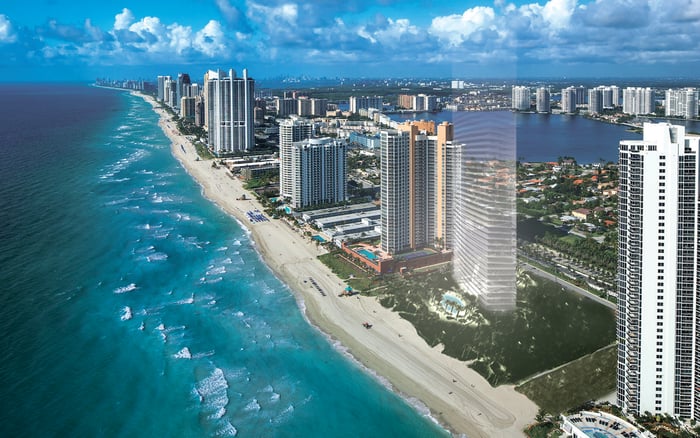
That distinction matters across the region, from Brickell towers to Miami Beach oceanfront buildings, from Sunny Isles Beach trophy condominiums to quieter enclaves in Broward and Palm Beach. South Florida is deeply accustomed to international capital, yet each buyer’s path remains personal. Nationality, banking structure, document readiness, travel schedule, tax planning, purchase vehicle, and financing strategy can all affect the rhythm of closing.
A purchase contract is not merely a price agreement. It is a calendar. Once signed, it can create deadlines for deposits, document delivery, financing steps, association submissions, inspection decisions, and closing coordination. For a foreign buyer, each deadline should be evaluated before execution, not after.
This is especially important for buyers managing business interests, family offices, currency conversions, or banking relationships across borders. Funds may need to move through compliance review. Documents may require notarization, translation, or apostille depending on the structure and participants involved. If the buyer intends to close through an entity, formation and documentation should be addressed early enough to avoid last-minute compression.
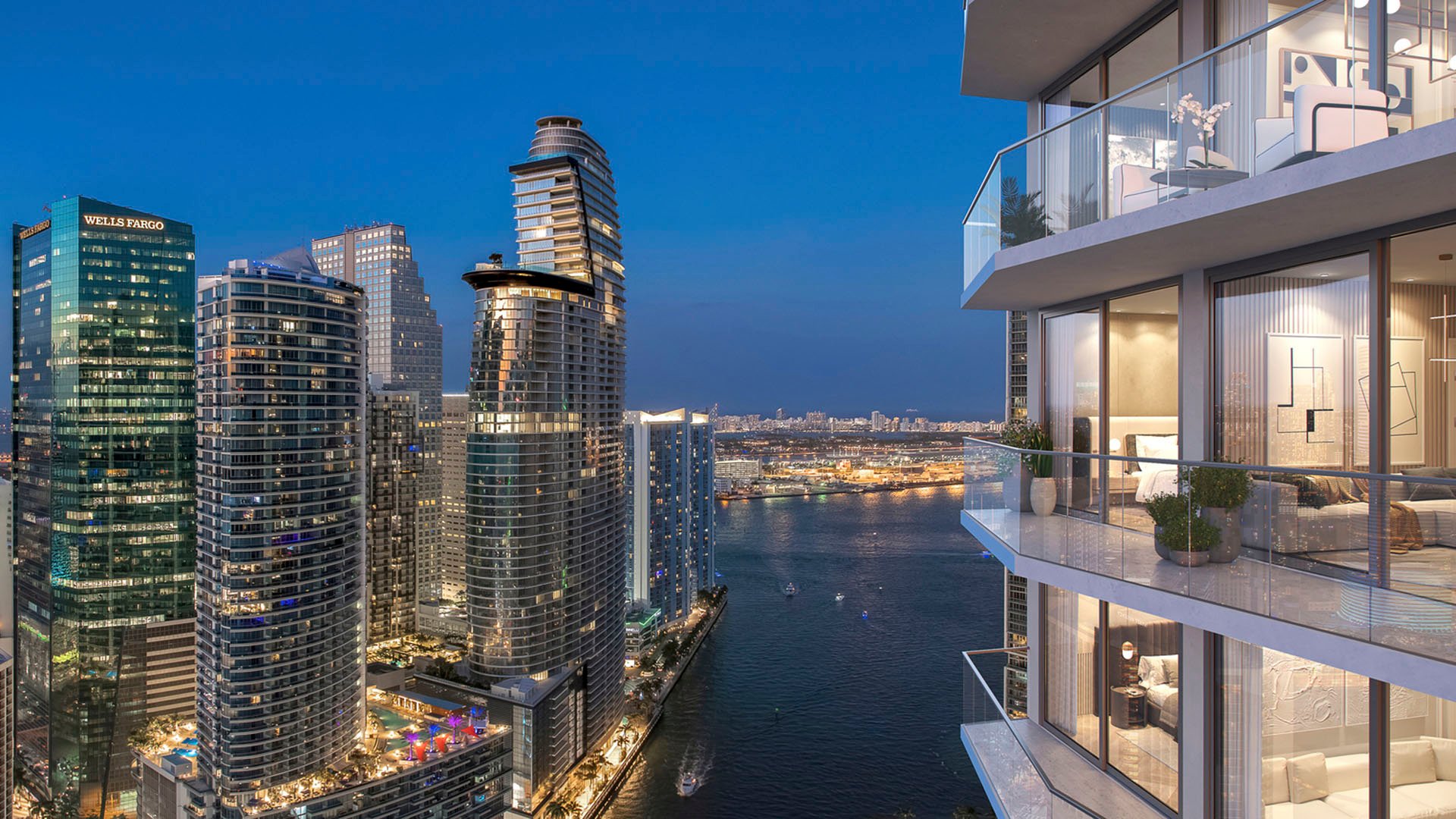
The goal is not to slow the purchase. It is to prevent avoidable friction. A thoughtfully prepared buyer can still act decisively when the right residence appears, whether considering The Residences at 1428 Brickell or evaluating a discreet resale opportunity elsewhere in the urban core.
Not every South Florida closing follows the same cadence. A resale condominium, a single-family estate, a developer inventory residence, and a pre-construction purchase each carry different timing considerations. Before signing, a buyer should understand which calendar applies.
In a resale purchase, the timeline may depend on contract contingencies, building or association review, financing, inspections, title work, and coordination between buyer and seller. In a new development setting, timing may be driven by developer contract requirements, deposit schedules, construction progress, and the eventual closing process once the residence is ready. With pre-construction, the buyer is not simply buying today’s residence. The buyer is committing to a forward-looking acquisition that must be coordinated with capital planning over time.
This is why buyers looking at projects such as St. Regis® Residences Brickell should treat timing as part of the purchase thesis. The architecture, services, and location may define the aspiration, but the contract calendar defines the discipline.
For Latin American buyers, banking preparation is one of the most consequential pre-signing steps. Even when funds are available, the path those funds must travel can affect timing. Wire logistics, compliance inquiries, currency conversion, documentation of source of funds, and coordination among financial institutions should be anticipated before deadlines become immediate.
A seller or developer may request evidence that the buyer can perform. The cleaner and faster that evidence can be provided, the more credible the buyer appears. This does not mean over-disclosing private affairs. It means preparing a controlled, professional package that satisfies transaction requirements while respecting discretion.
Currency planning should also be addressed before signing. A buyer whose assets are held in another currency should understand potential movement, conversion timing, and the preferred method for funding deposits and closing. The residence may be emotional, but the closing is operational.
Some international buyers prefer to purchase in cash for simplicity. Others use financing for liquidity, estate planning, investment strategy, or balance-sheet efficiency. Neither approach is inherently superior. The issue is whether the chosen approach is compatible with the contract timeline.
Financing can introduce additional documentation, underwriting review, appraisal coordination, and lender requirements. Foreign income, foreign assets, entity ownership, and non-U.S. documentation may require more preparation than a domestic salaried-buyer file. If financing is part of the strategy, the buyer should align with lending counsel and banking professionals before signing, then ensure the contract reflects realistic timing.
For an investment-minded buyer, this is not merely procedural. Financing terms, closing certainty, and timing discipline can affect returns, exit flexibility, and the ability to pursue other opportunities. In buyer-guide conversations, the best advice is often simple: do not let the residence timeline outrun the capital timeline.
Luxury buyers value privacy, and rightly so. Yet privacy is best protected through preparation, not delay. Before signing, foreign buyers should identify which documents may be needed for the transaction and who will provide them. Passports, entity materials, proof of funds, tax-related information, marital status documentation, powers of attorney, and banking letters may all become relevant depending on the purchase structure.
The buyer should also decide who has authority to sign. If travel schedules are complicated, a properly prepared power of attorney may be worth discussing with counsel in advance. Waiting until the week of closing to solve signature logistics can create unnecessary tension.
This is particularly relevant for buyers dividing time among Miami, São Paulo, Mexico City, Bogotá, Buenos Aires, Lima, Santiago, Panama City, or the Caribbean. A global lifestyle is an advantage, but only if the closing file is designed to accommodate it.
South Florida condominium purchases can involve building or association procedures. These processes may require applications, identification, financial information, interviews, background checks, estoppel coordination, move-in arrangements, or insurance documentation. The exact requirements depend on the property, but the principle is constant: the buyer should understand them before signing.
At the ultra-premium level, building culture matters. The experience at a beachfront Miami Beach residence may differ from the experience at a bayfront boutique building or a branded high-rise. A buyer exploring The Perigon Miami Beach may be focused on design and oceanfront lifestyle, but the closing plan should still account for the building’s procedural expectations.
The same is true farther north. In Sunny Isles Beach, where many buyers are drawn to large residences, views, and resort-caliber service, the timeline should incorporate both transaction requirements and the practicalities of international ownership. A property such as Bentley Residences Sunny Isles may be evaluated for architecture and amenities, but signing should follow a clear understanding of deposits, documents, and closing mechanics.
Prepared buyers are often calmer buyers. They know what they can sign, when they can fund, how they will take title, and which advisors must review the file. That clarity can improve negotiation posture because it reduces uncertainty for the seller or developer.
The strongest foreign-buyer offer is not always the highest headline number. It may be the offer supported by clean proof of funds, realistic deadlines, a responsive attorney, and a buyer who can meet the calendar. In luxury real estate, credibility is a form of currency.
Before signing, buyers should ask practical questions. How soon is the first deposit due? What happens if funds are delayed? Are documents ready for the intended ownership structure? Will financing require more time? Are all decision-makers available to sign? Is the buyer comfortable with the closing date? These questions are not obstacles. They are the architecture of a smoother purchase.
Before committing, Latin American buyers should align the essentials: legal counsel, tax guidance, banking coordination, currency plan, ownership structure, proof of funds, financing strategy if applicable, document readiness, and travel or signing logistics. Each item should be addressed quietly and professionally before the transaction clock begins.
This preparation allows the buyer to focus on what drew them to South Florida in the first place: the water, the design, the schools, the lifestyle, the tax and estate conversations to be handled privately, and the long-term role the property will play in the family’s life. Closing timelines are not glamorous, but they protect the glamour.
A residence in South Florida is often more than a purchase. It is a base, a retreat, a capital allocation, and a statement of confidence in a region that continues to attract global families. Understanding the timeline before signing is the difference between chasing the closing and commanding it.
Why should Latin American buyers review closing timelines before signing? Because the contract creates deadlines. Understanding them early helps protect deposits, financing plans, and negotiation leverage.
Is a foreign-buyer closing always slower than a domestic closing? Not necessarily. A prepared foreign buyer with organized banking, documents, and advisors can move efficiently.
What can delay a foreign-buyer closing? Common friction points include banking review, document preparation, financing, association procedures, and signature logistics.
Should buyers form an entity before signing? They should discuss ownership structure with qualified legal and tax advisors before signing so documents match the intended plan.
Do currency conversions affect timing? They can. Buyers holding funds outside the closing currency should plan conversion and transfer logistics before deadlines arrive.
Is financing practical for international buyers? It can be, but it requires early coordination. Financing should be reflected in a realistic contract calendar.
Are new development timelines different from resale timelines? Yes. New development can involve deposit schedules and future closing mechanics, while resale is usually tied to an existing property transfer.
Do condominium associations matter in the timeline? Yes. Many condominium purchases involve applications or building procedures that should be understood before signing.
What is the most important pre-signing step? Align the buyer’s attorney, tax advisor, banking team, and real estate advisor before the contract clock begins.
Can preparation improve negotiation strength? Yes. Sellers and developers often value certainty, clean documentation, and a buyer who can perform on schedule.
For a tailored shortlist and next-step guidance, connect with MILLION.
If branded residences are on your mind — as a home or as an allocation — we would be glad to share what we are seeing, privately.
Begin a quiet conversation