A discreet buyer’s guide to evaluating North Bay Village and Bay Harbor Islands residences through location, governance, access, resilience, and ownership discipline.
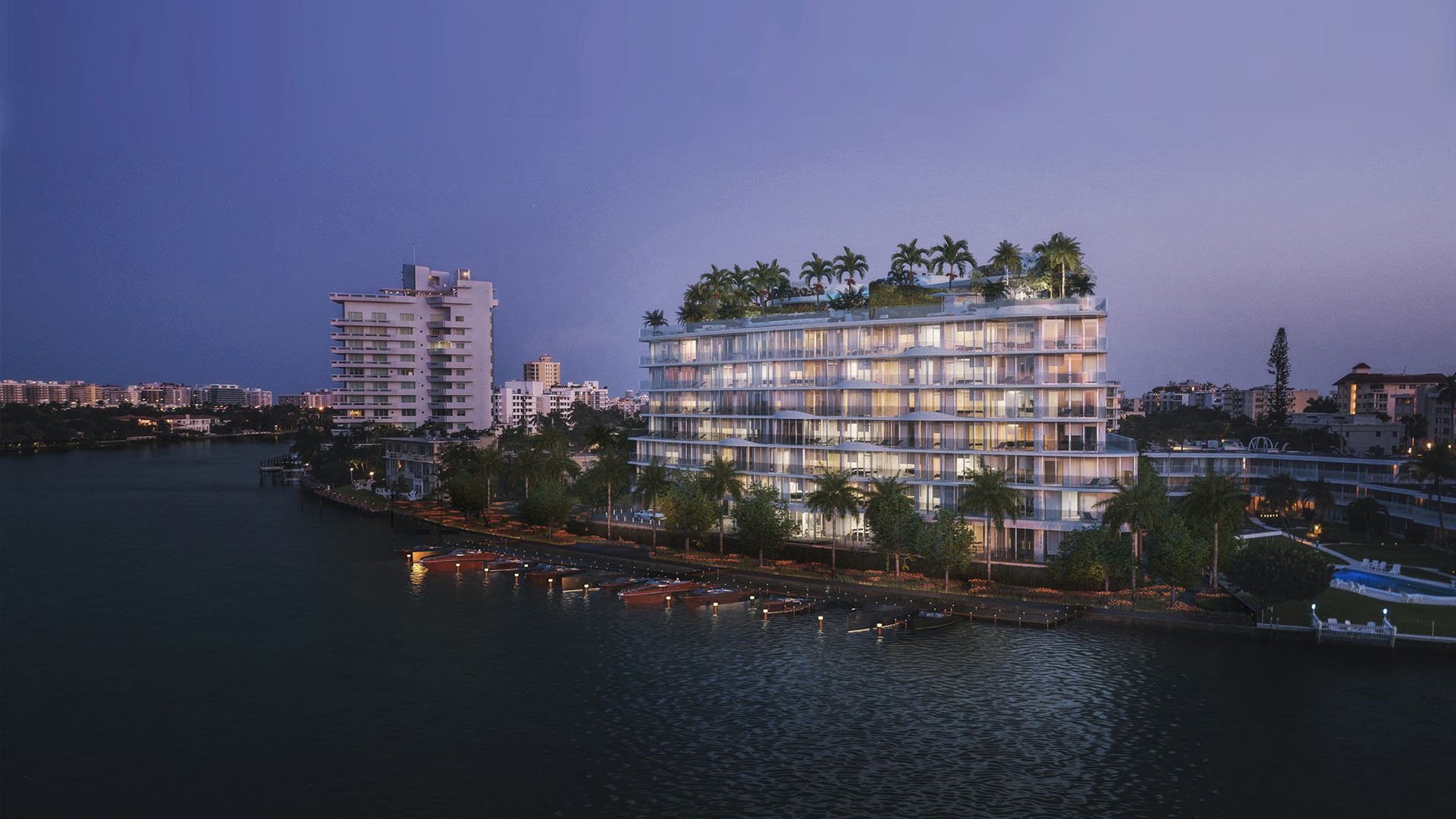
For a sophisticated South Florida buyer, the appeal of North Bay Village and Bay Harbor Islands is clear. Both settings offer a more measured alternative to the most exposed beachfront corridors, while remaining close to Miami Beach, the mainland, dining, marinas, schools, and cultural anchors. The question is not simply which residence feels more beautiful during a sales gallery visit. The more durable question is which ownership profile best matches how a buyer will live, hold, finance, insure, and eventually resell.
Within that frame, Continuum Club & Residences North Bay Village belongs in a North Bay Village comparison set, while Onda Bay Harbor belongs in a Bay Harbor Islands comparison set. Tula Residences North Bay Village adds another North Bay Village reference point for buyers considering the islands’ emerging residential character.
This is a Buyer's Guides conversation rather than a ranking. The practical frame is waterfront living, North Bay Village search discipline, and Bay Harbor selectivity, examined through the quiet details that shape ownership after closing.
Island living in this part of Miami rewards buyers who understand movement. The romance of water, skyline, and privacy must be tested against school runs, airport transfers, dinner reservations, bridge routes, valet circulation, guest access, and service logistics. A residence can feel serene at noon and behave very differently during peak commuting windows or weekend bridge traffic.
For buyers evaluating North Bay Village, diligence should include how the island connects east and west, how future neighborhood evolution may affect perceived value, and whether the surrounding context supports the buyer’s preferred lifestyle. A second-home owner may prioritize views, simplicity, and lock-and-leave service. A primary resident may care more about daily errands, parking reliability, pet routines, and predictable access to Miami Beach and the mainland.
Bay Harbor Islands calls for a different test. Buyers should consider the quieter residential scale, the relationship to Bal Harbour and Surfside, and the practical advantages of being close to retail, restaurants, schools, and beaches without necessarily living directly on the sand. The strongest choice is rarely determined by one feature. It is determined by the fit between location rhythm and household rhythm.
In luxury marketing, water can mean many things. A buyer should separate wide-bay exposure, canal frontage, marina adjacency, skyline orientation, and beach access. Each creates a different daily experience and a different risk profile. A glittering view can be exceptional, but it should never substitute for technical diligence.
Ask how the building addresses wind, water, drainage, garage elevations, seawall conditions where applicable, emergency procedures, and insurance assumptions. Ask whether outdoor spaces are designed for actual use or primarily for visual effect. In South Florida, terraces, glazing, shade, and exposure matter because they shape comfort as much as aesthetics.
The same discipline applies to view protection. A buyer should examine what is built, what may be built, and what zoning or neighboring parcels could influence outlooks over time. No buyer should assume that a view is permanent simply because it appears open today. The more expensive the residence, the more important it becomes to understand not just the view, but the context around it.
Pre-construction and newly delivered residences require review that goes beyond finishes. Buyers should examine the developer’s relevant track record, the contractor’s history, the design team’s role, the structure of deposits, the purchase agreement, delivery assumptions, closing conditions, warranty language, and the process for resolving punch-list items.
This is not skepticism. It is luxury discipline. A finely rendered lobby and a strong amenity narrative may be compelling, but the purchase contract governs the buyer’s rights. Counsel should review change provisions, outside completion dates, assignment rules, default language, and what happens if design, amenities, or materials evolve before delivery.
For end users, the central question is whether the final product is likely to match the intended lifestyle. For investors or flexible second-home buyers, the question expands to liquidity, leasing rules, carrying costs, and how the building will compete once resale inventory appears. Both buyer types should seek clarity before emotional momentum overtakes analysis.
A luxury condominium is both a private residence and a shared financial organism. Buyers should evaluate budgets, reserves, staffing assumptions, amenity operations, insurance structure, maintenance responsibilities, pet rules, rental rules, guest policies, parking rights, storage rights, and the governance culture implied by the documents.
The early years of a new condominium can be especially important. Initial budgets may evolve as real operating history develops. Staffing, insurance, utilities, maintenance contracts, and amenity programming can all influence monthly carrying costs. A prudent buyer should ask not only what the association fees are today, but how resilient the budget appears if costs rise.
Rules also deserve close attention. A residence intended for quiet personal use may be less affected by leasing restrictions than a residence intended to offset costs through rental income. A family with pets, household staff, frequent guests, or multiple vehicles should confirm that the building’s operating model supports that lifestyle without friction.
Florida condominium purchases often involve specialized legal and financial considerations. Buyers should address them before signing, not after. Homestead planning, title structure, estate planning, foreign-buyer considerations, lender requirements, insurance expectations, and closing costs can all influence the true cost of ownership.
Cash buyers still need rigor. Financing buyers should confirm lending appetite for the project type, especially if the building is new, boutique, or still in an early sales phase. International buyers should coordinate tax, legal, and currency considerations with advisers who understand cross-border ownership.
The most elegant acquisition process is one in which the buyer’s legal, tax, lending, and real estate advisers are aligned from the start. That alignment helps prevent surprises and allows the buyer to negotiate from a position of calm rather than urgency.
Every luxury buyer should ask two questions at once. First, would I be happy living here on an ordinary Tuesday? Second, who is the likely next buyer if I choose to sell? The best purchase satisfies both.
North Bay Village may appeal to buyers seeking water, centrality, and a changing island residential profile. Bay Harbor Islands may appeal to buyers seeking a quieter, village-like setting near Bal Harbour, Surfside, and Miami Beach. Neither premise is universally superior. The right answer depends on how the buyer weighs privacy, access, building scale, view orientation, service expectations, and long-term liquidity.
For Continuum Club & Residences North Bay Village, Onda Bay Harbor, and Tula Residences North Bay Village, the careful buyer should resist treating the decision as a beauty contest. The correct process is more refined: compare the micro-market, test the access, examine the documents, interrogate the carrying costs, understand resilience, and decide whether the residence can hold its relevance through lifestyle seasons and market cycles.
What is the first diligence step for these projects? Start with location rhythm. Test how each island setting works for daily access, guests, services, and the way you actually live.
Should buyers compare North Bay Village and Bay Harbor Islands directly? Yes, but with care. They can serve similar luxury buyers while offering different neighborhood rhythms, access patterns, and lifestyle cues.
Is waterfront always better than non-waterfront? Not automatically. A water view should be weighed against exposure, insurance assumptions, building design, access, and long-term view context.
Why do association documents matter so much? They define the operating culture of the building. Fees, reserves, rules, rental policies, and governance can materially affect ownership.
What should pre-construction buyers review most closely? Review the contract, deposit structure, delivery provisions, change rights, warranty language, and the process for closing and punch-list work.
Are carrying costs predictable in a new condominium? They can change as real operating history develops. Buyers should stress-test budgets for insurance, staffing, maintenance, and amenities.
How should a second-home buyer think differently? Prioritize lock-and-leave operations, guest access, management ease, and whether the building rules support intermittent use without friction.
How should an investor evaluate these residences? Focus on leasing rules, carrying costs, likely resale audience, future competing inventory, and the durability of the micro-market narrative.
Do views need separate diligence? Yes. Buyers should examine surrounding parcels, potential future development, orientation, privacy, and whether the view supports resale logic.
When should legal and tax advisers get involved? Before signing. Early advice helps align title, financing, tax planning, contract review, and closing expectations.
When you're ready to tour or underwrite the options, connect with MILLION.
If branded residences are on your mind — as a home or as an allocation — we would be glad to share what we are seeing, privately.
Begin a quiet conversation