A buyer-focused look at why Four Seasons Fort Lauderdale is compelling for those who want oceanfront hospitality, serious service depth, and a calmer residential atmosphere.
For a certain buyer, luxury is no longer defined by the longest amenity list. It is defined by whether a building makes daily life easier while still feeling like home. That distinction places Four Seasons Hotel & Private Residences Fort Lauderdale on the shortlist for buyers who want meaningful amenity depth without the constant sensation of living inside a vacation resort.
The property is positioned as an oceanfront, Four Seasons-branded hotel-and-residences address on Fort Lauderdale Beach. Its strongest appeal is not simply the presence of five-star hospitality infrastructure. It is the way that hospitality is framed around composure, privacy, and longer-stay living rather than high-volume resort theatrics.
That distinction matters in South Florida, where beachfront luxury can easily tilt toward spectacle. Some buyers want a highly animated resort atmosphere, with visible event programming, busy lobby scenes, entertainment-forward pool decks, and the energy of short-stay tourism. Others want the service platform without the friction. Four Seasons Fort Lauderdale speaks most directly to the second buyer.
Amenity depth, in this context, means more than a pool, fitness room, and front desk. For high-net-worth buyers using a residence as a primary home or extended-season base, the test is whether the building improves ordinary days. Spa services, fitness and wellness programming, food and beverage, beach and pool service, housekeeping options, and concierge support all become part of a lifestyle operating system.
That is where branded residences can be especially persuasive. The value is not only in the name above the door. It is in the expectation of trained service, operational consistency, and a residential experience that can absorb the complexity of modern ownership. A buyer arriving from New York, Chicago, Toronto, London, or Palm Beach wants the transition from airport to oceanfront home to feel seamless, not improvised.
In Fort Lauderdale, that logic has particular force. The city offers a softer residential rhythm than Miami Beach while still delivering ocean access, yachting culture, restaurants, and proximity to private aviation and marine infrastructure. For buyers comparing Auberge Beach Residences & Spa Fort Lauderdale or The Ritz-Carlton Residences® Fort Lauderdale, the question is less about which name is most recognizable and more about which day-to-day environment best matches the way they actually live.
The concern around a “resort feeling” is rarely about amenities themselves. It is about volume, circulation, and atmosphere. Transient guest traffic, lobby congestion, shared elevator pressure, event activity, and a pool deck designed more for entertainment than quiet use can all change how a residence feels over time.
Four Seasons Fort Lauderdale is compelling because its positioning emphasizes a calmer residential atmosphere while preserving the convenience of a hotel-and-residences model. The building’s residential feel is tied to its scale, unit mix, resident-oriented zoning, and service model aimed at longer-stay occupants. For the buyer who wants to come downstairs for a well-run breakfast, arrange housekeeping, book spa time, or have beach service handled gracefully, this balance is central.
It is also an emotional calculation. Many luxury buyers are not trying to replicate a hotel stay every day. They want the assurance of hospitality in the background. The ideal is not constant activation, but quiet availability. The best service is often felt most clearly when it removes a task, anticipates a preference, or keeps the residential environment orderly without announcing itself.
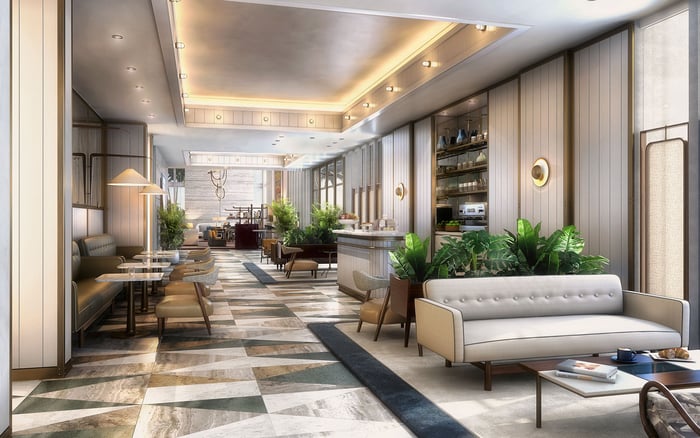
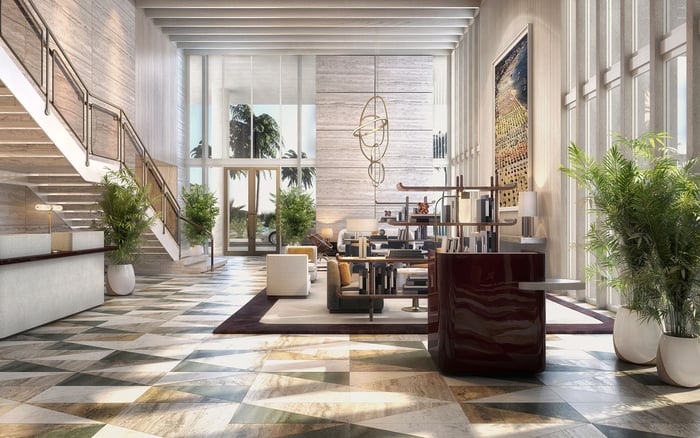
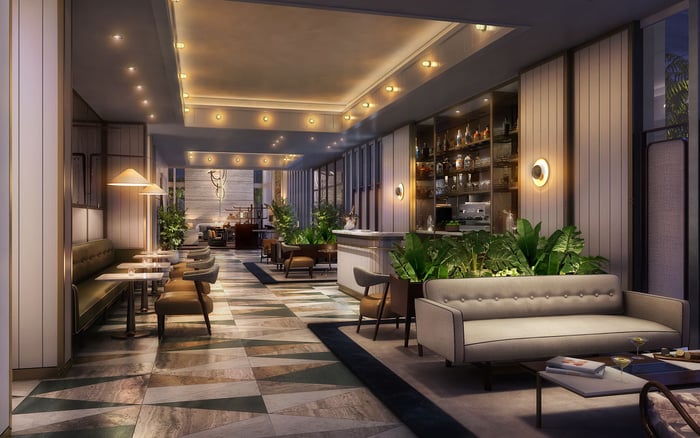
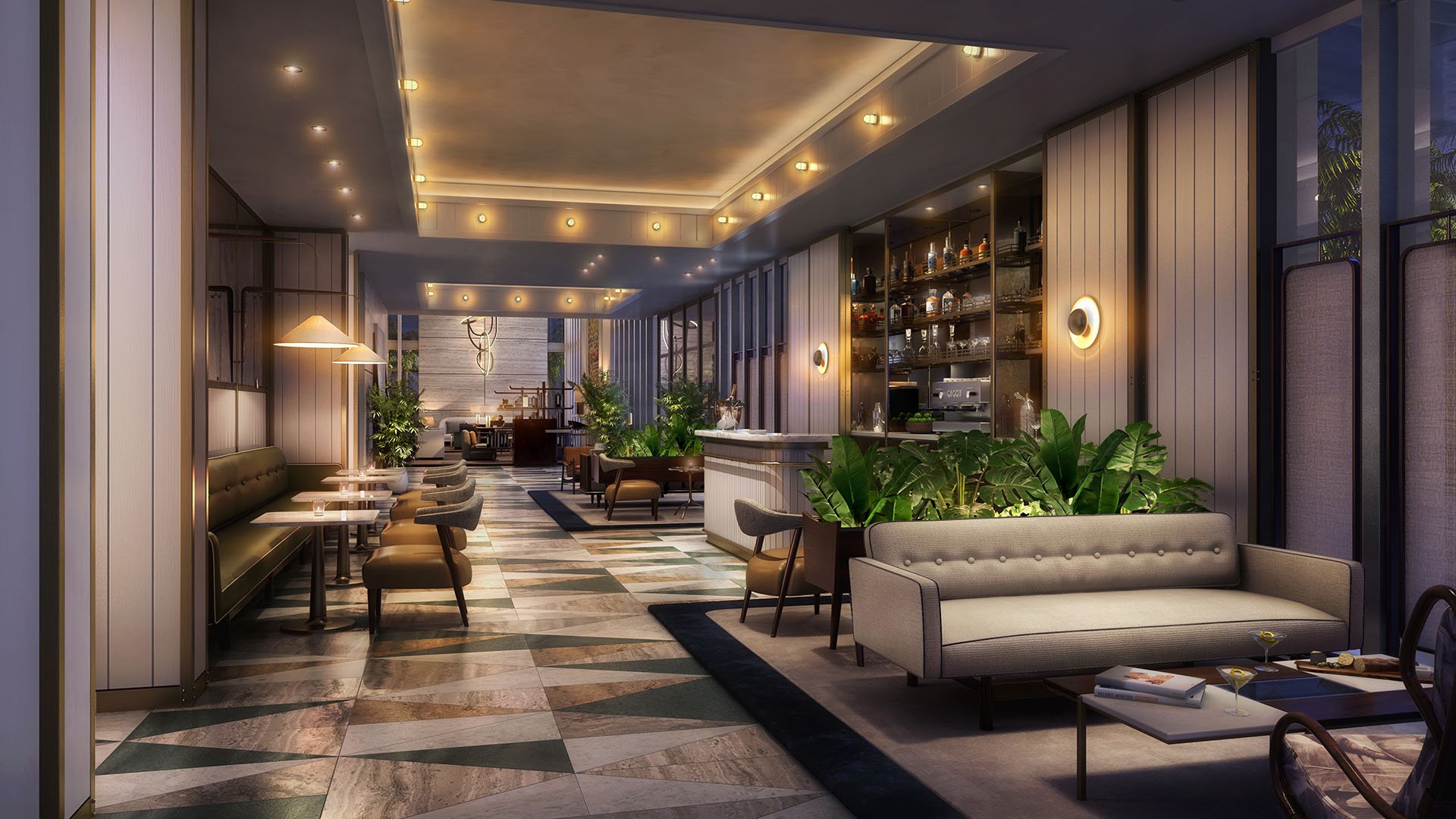
The design language associated with the property is restrained, yacht-inspired, and more urban-residential than entertainment-resort driven. That matters because architecture and interiors establish expectations before a resident ever reaches the amenity level. A building can feel like a private address or like a destination venue. The strongest luxury buyers usually know which they prefer.
For Fort Lauderdale Beach, restraint can be more powerful than excess. The ocean is already the defining amenity. The architecture does not need to compete with it. Instead, the residential experience benefits from proportion, flow, service clarity, and a sense of arrival that feels polished rather than performative.
This is where Four Seasons Fort Lauderdale separates itself from properties whose public-facing energy dominates the private-residence experience. It offers hospitality depth, but the thesis is not constant stimulation. It is continuity. Buyers who appreciate the Four Seasons language may also keep The Surf Club Four Seasons Surfside in their broader South Florida comparison set, yet the Fort Lauderdale proposition is distinct because it is built around Fort Lauderdale Beach’s more composed coastal cadence.
The most natural audience includes primary-residence buyers, extended-season owners, and those who want a lock-and-leave framework without sacrificing a genuine sense of home. These buyers often care about privacy, staff professionalism, wellness access, food and beverage convenience, and the ability to host family without turning everyday life into a resort itinerary.
It is also relevant for buyers who already understand the tradeoffs of beachfront living. Oceanfront property delivers atmosphere, views, and immediate access to the sand, but it can also attract high visitor volume when paired with entertainment-heavy programming. Four Seasons Fort Lauderdale’s core argument is that a buyer can have the hospitality apparatus without allowing tourism energy to define the residence.
Within Broward’s luxury landscape, that is a precise lane. Fort Lauderdale has become increasingly attractive to buyers who want waterfront sophistication with a less frenetic tone than some parts of Miami-Dade. Nearby options such as St. Regis® Residences Bahia Mar Fort Lauderdale reinforce the area’s growing branded-residence appeal, but the Four Seasons case remains especially focused on amenity depth with residential composure.
A buyer should focus less on brochure language and more on lived experience. Walk the arrival sequence. Observe how the lobby feels at different times of day. Ask how residents move through the building, how amenity spaces are zoned, and how service requests are handled. The best luxury buildings make these answers feel intuitive.
It is also worth clarifying how the private-residence experience is separated from hotel activity. The point is not to avoid hotel services, since those services are part of the appeal. The point is to understand how the building protects the residential rhythm while still giving owners access to the hospitality advantages they are paying for.
For buyers comparing Fort Lauderdale with Miami, Palm Beach, Coconut Grove, or Surfside, the decision often comes down to cadence. Four Seasons Residences Coconut Grove may appeal to those drawn to a village-like Miami setting, while Fort Lauderdale Beach offers an oceanfront branded residence with a quieter beach-city sensibility. Neither choice is purely about amenities. It is about how the property feels on a Tuesday morning, not only on a holiday weekend.
Four Seasons Fort Lauderdale belongs on the shortlist because it addresses one of the most nuanced demands in luxury real estate: deep amenity infrastructure without resort fatigue. For buyers who want five-star services, wellness access, food and beverage support, beach and pool convenience, housekeeping options, and concierge functionality, the offering is substantial.
Its real value, however, lies in the balance. The property is best understood as a hospitality-backed home environment, not simply a resort with residences attached. That distinction is why it resonates with buyers seeking privacy, composure, and everyday ease on Fort Lauderdale Beach.
Why is Four Seasons Fort Lauderdale relevant for luxury buyers? It combines an oceanfront Fort Lauderdale Beach setting with Four Seasons-branded hotel services and a more residential atmosphere.
Does the property feel like a full resort? Its positioning emphasizes hospitality depth without the constant resort-style friction associated with heavy transient traffic and entertainment programming.
Who is the ideal buyer for this residence? It is especially relevant for primary-residence and extended-season buyers who want privacy, service, and convenience in one building.
What amenities matter most for this buyer profile? Spa services, wellness programming, food and beverage, beach and pool service, housekeeping options, and concierge support are central.
Why does Fort Lauderdale Beach matter? Fort Lauderdale Beach offers oceanfront living with a calmer coastal rhythm than more entertainment-driven beachfront markets.
How should buyers compare branded residences? They should look beyond the brand and evaluate circulation, resident privacy, service execution, and how the building feels day to day.
What do branded residences mean in this context? The phrase refers to a residential property supported by a recognized hospitality brand and its service standards.
Is this mainly a second-home option? It can work for second-home buyers, but its quieter service model also supports longer stays and primary-residence use.
What is the main lifestyle advantage? The lifestyle advantage is having hotel-level support available while preserving the feeling of a private home.
Should buyers verify current details before purchasing? Yes. Buyers should confirm current pricing, residence availability, access rules, and amenity operations before making a decision.
For a discreet conversation and a curated building-by-building shortlist, connect with MILLION.
If branded residences are on your mind — as a home or as an allocation — we would be glad to share what we are seeing, privately.
Begin a quiet conversation