A buyer-oriented comparison of Frida Kahlo Wynwood Residences and Viceroy Brickell, weighing culture-led neighborhood identity against branded service, transit access, and resale clarity in two of Miami’s most distinct urban districts.
In Miami, a residence is rarely just a floor plan. It is a choice about tempo, social geography, and the version of the city one wants just beyond the lobby. That is exactly what makes Frida Kahlo Wynwood Residences and Viceroy Brickell such an instructive pairing.
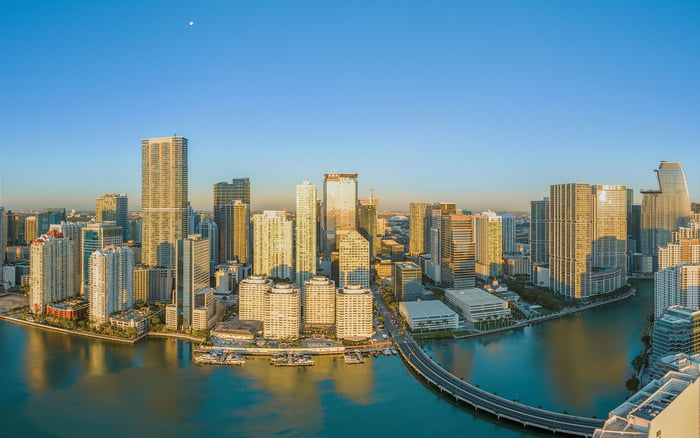
This is not simply an art-branded building versus a hospitality-branded one. It is Wynwood versus Brickell, which in practical terms means creative-district immersion versus finance-district convenience. Wynwood is defined by street art, galleries, boutique retail, and a design-conscious cultural scene. Brickell, by contrast, functions as Miami’s financial center, with a daily rhythm shaped by offices, dense dining, luxury services, and efficient urban movement.
For buyers, the distinction is elegant but consequential. One address offers proximity to culture as a lived experience. The other offers the assurance of a mature urban core where service, connectivity, and routine are already deeply established.
Frida Kahlo Wynwood Residences is positioned around an artistic identity, and that is more than incidental branding. In Wynwood, creative association is part of the neighborhood’s currency. The project’s appeal rests in the idea of living within a district where murals, galleries, independent restaurants, and design retail shape the everyday atmosphere.
Publicly presented inventory points to residences ranging from studios to three-bedroom layouts, with an emphasis on open design and a buyer profile that leans creative, entrepreneurial, and culturally attuned. The amenity story is similarly distinct from the typical branded luxury tower. Rather than centering solely on hotel polish, the framing here is more community- and art-oriented, with co-working, creative-use spaces, and cultural programming contributing to the proposition.
That makes Frida Kahlo Wynwood a natural fit for buyers who want their home to feel expressive rather than simply efficient. The project belongs in the same broader conversation as design-driven urban concepts such as Kempinski Residences Miami Design District or Miami Design Residences Midtown Miami, where the surrounding district forms part of the ownership narrative.
Still, Wynwood’s allure comes with complexity. Its transformation from industrial area to cultural destination has been accompanied by sustained gentrification pressures. For some buyers, that complicates the idea of authenticity. The neighborhood remains compelling and culturally potent, but its creative identity now exists alongside luxury development and commercialization.
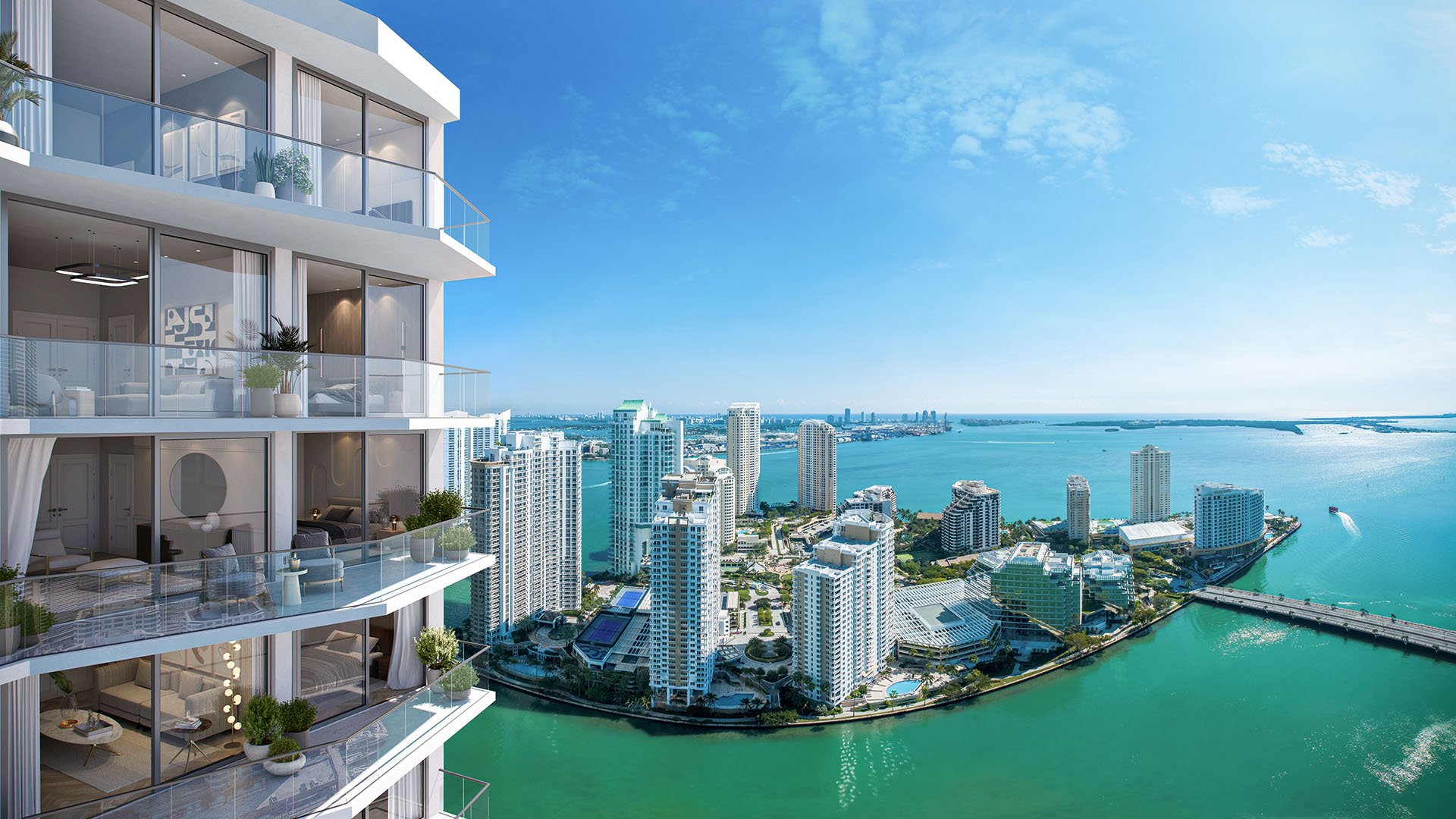
Viceroy Brickell occupies a different lane altogether. As part of a recognized hospitality platform, it is defined by branded luxury living and the expectation of elevated service. Here, the proposition is less about neighborhood experimentation and more about refinement, consistency, and convenience.
The residential mix includes one-, two-, and three-bedroom homes as well as penthouses, all framed within a branded lifestyle model. That matters in Brickell, where buyers often want an address that reads clearly to both guests and future purchasers. Concierge-style services, luxury common spaces, and the broader grammar of hospitality are central to the appeal.
The district itself strengthens that case. Brickell is a high-density residential and financial hub with a stable identity, strong walkability, and a buyer pool that immediately understands what the neighborhood offers. It is also better connected than Wynwood for transit-minded owners, with Brickell Station linking residents to Metrorail service for downtown and airport access.
For readers considering adjacent branded or service-oriented inventory, the context also includes Baccarat Residences Brickell, Cipriani Residences Brickell, and The Residences at 1428 Brickell. That ecosystem reinforces Brickell’s status as one of South Florida’s most legible luxury urban markets.
The clearest way to compare these two properties is to imagine a weekday.
At Frida Kahlo Wynwood Residences, the day begins in a neighborhood that rewards walking without an agenda. Coffee, galleries, independent retail, and design-centric dining are part of the local texture. Buyers drawn to Wynwood typically value immersion over polish. They want a district with personality, visual energy, and a sense that the surrounding streets still contribute to personal identity.
At Viceroy Brickell, the day is more operationally smooth. The neighborhood is built for people who value proximity to offices, established restaurants, everyday services, and transit. International buyers, corporate professionals, and some downsizers are often drawn to this kind of address because it compresses friction. The building’s branded nature reinforces that appeal by adding a service framework many owners find reassuring.
Neither model is inherently superior. The question is whether the residence should function as a cultural extension of the owner’s point of view or as a highly efficient luxury base within Miami’s most business-oriented urban district.
From a resale perspective, the two properties do not stand on equal footing.
Viceroy Brickell likely benefits from a broader and more easily understood buyer pool. Brickell is established, internationally recognizable, and tied to a branded residence model that tends to command a convenience premium. Asking prices have commonly ranged from roughly $400,000 to above $2 million depending on unit size and floor level, underscoring the building’s reach across several segments of the market. More important than the price spread itself is what it signals: liquidity may be stronger where branding, district identity, and buyer expectations align so clearly.
Frida Kahlo Wynwood Residences is more niche by design. That can be a strength for the right purchaser. Distinctive positioning often creates emotional loyalty and sharper lifestyle differentiation. But a more curated narrative can also narrow the resale audience when compared with Brickell’s broader base of urban luxury buyers. In other words, Wynwood may deliver more personality, while Brickell may deliver more predictability.
For investors, that distinction matters. If the brief emphasizes legibility, service, and future marketability, Brickell holds the edge. If the brief prioritizes lifestyle originality and neighborhood character, Wynwood offers a more singular proposition.
Choose Frida Kahlo Wynwood Residences if the primary goal is to live inside Wynwood rather than simply near it. It is the better match for buyers who place culture, design energy, and neighborhood atmosphere ahead of corporate convenience. It is also more compelling for owners who like the idea of a residence with a point of view.
Choose Viceroy Brickell if the goal is seamless city living with a hospitality layer. It is the stronger option for buyers who want Brickell access, service-oriented luxury, and a residence that fits neatly into the expectations of the global urban condo market.
The distilled answer is simple. For authentic creative-district positioning, Wynwood has the stronger claim, even if that authenticity is now complicated by the district’s own success. For finance-district convenience, Brickell is clearly ahead, combining office adjacency, dining density, and rail connectivity in one mature urban node.
Is Frida Kahlo Wynwood Residences better for full-time creatives? It is generally the stronger fit for buyers who want daily immersion in Wynwood’s cultural environment and design-led identity.
Is Viceroy Brickell better for executives? Yes. Its Brickell location, service orientation, and transit advantages suit professionals who prioritize efficiency.
Which building has the stronger branded-luxury profile? Viceroy Brickell, because its hospitality platform is central to the residential experience.
Which neighborhood feels more distinctive? Wynwood tends to feel more visually and culturally distinctive, with galleries, street art, and boutique retail shaping the streetscape.
Which address is likely easier to resell? Viceroy Brickell likely has the clearer resale story because Brickell is a mature district with a broad luxury-buyer base.
Does Wynwood offer the same transit convenience as Brickell? No. Brickell has the stronger transit advantage thanks to direct Metrorail connectivity.
Are Frida Kahlo Wynwood residences family-sized? Publicly presented layouts indicate options from studios through three-bedroom residences, though exact inventory can vary.
Is Viceroy Brickell only for second-home buyers? No. It can also appeal to full-time residents, especially professionals and downsizers who value service and walkability.
What is the biggest trade-off between these two projects? It is lifestyle identity versus convenience: creative immersion in Wynwood or polished daily ease in Brickell.
How should a buyer compare these options based on their use case? Buyers focused on service, stability, and broader market recognition may prefer Brickell, while those seeking originality may lean Wynwood.
For a discreet conversation and a curated building-by-building shortlist, connect with MILLION Luxury.
If branded residences are on your mind — as a home or as an allocation — we would be glad to share what we are seeing, privately.
Begin a quiet conversation