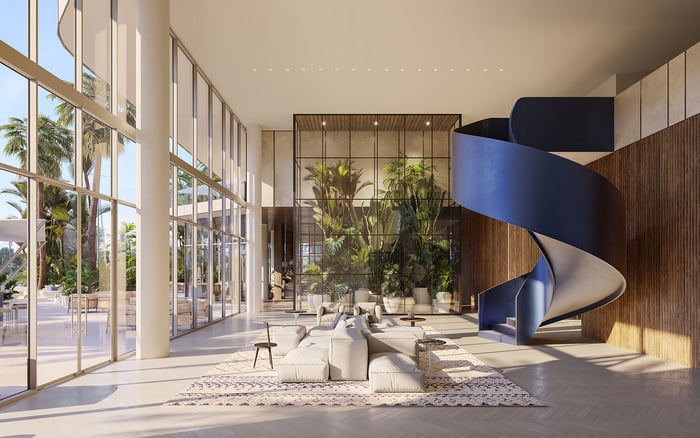
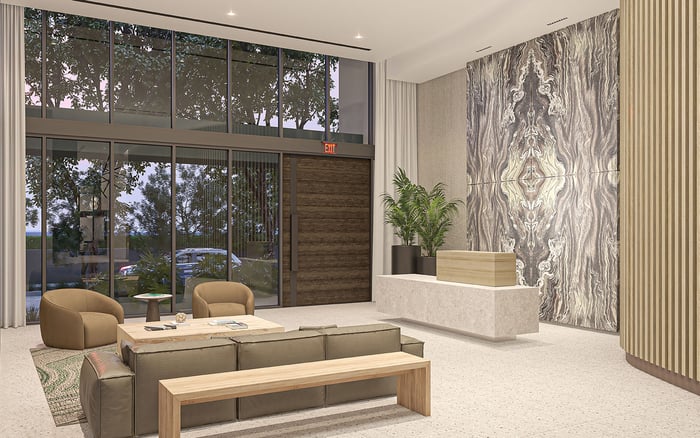
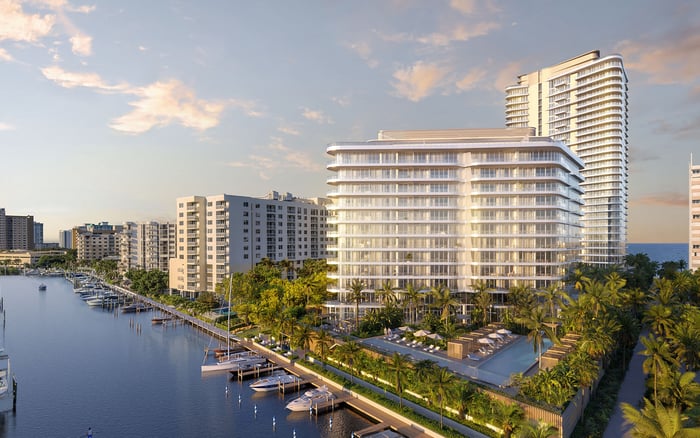
A discreet buyer’s guide to comparing wellness-focused ownership models at three South Florida luxury residential concepts, with emphasis on privacy, access control, and daily-use comfort.
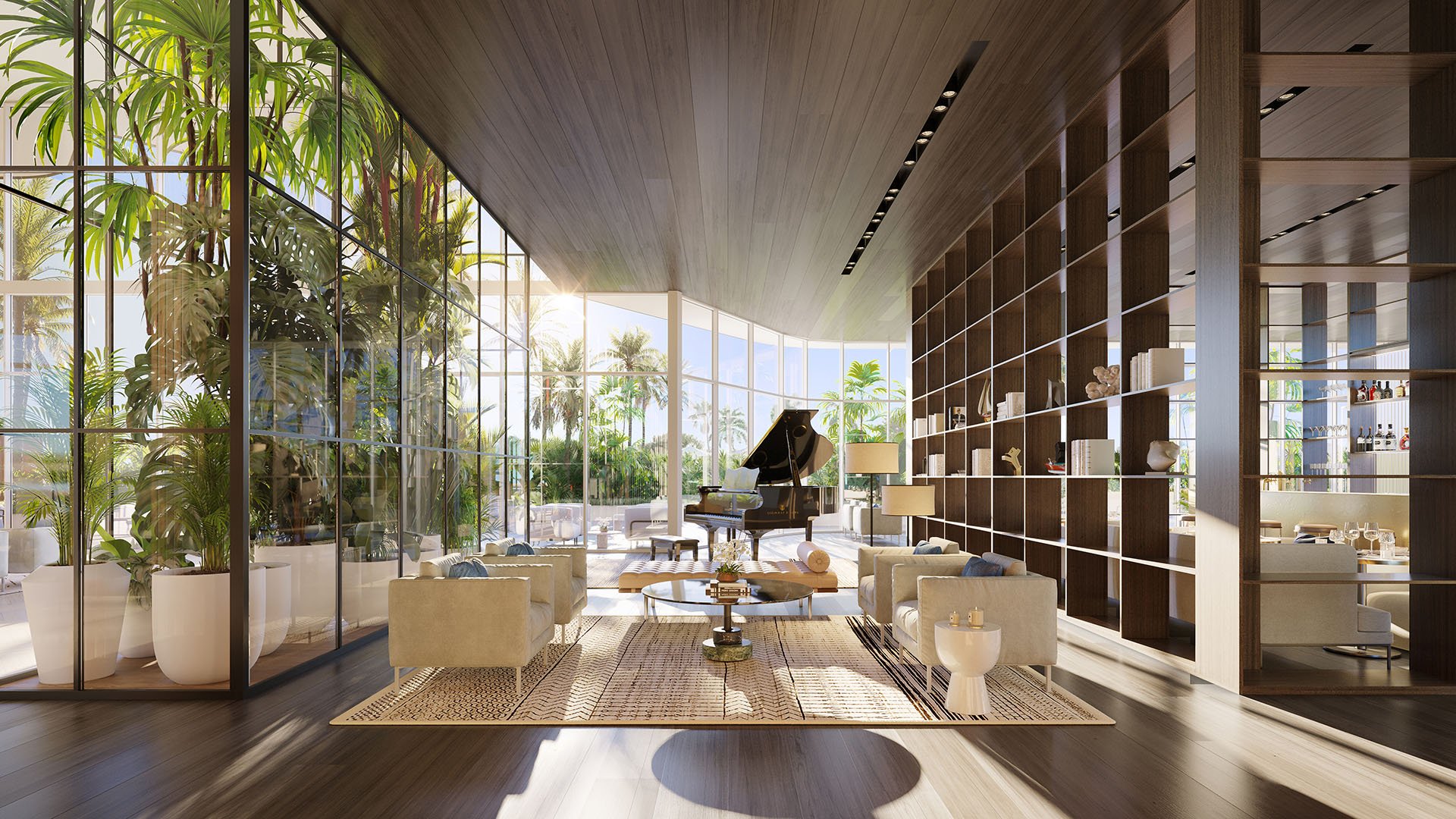
For South Florida’s most selective condominium buyer, wellness is no longer a decorative amenity category. It is a daily-use test of privacy, rhythm, service, and control. A beautiful spa suite can lose much of its appeal if it operates like a public destination, with outside traffic, unpredictable scheduling, and peak-hour crowding. The more relevant question is not simply which project has the most appealing wellness language. It is which ownership model is most likely to protect the resident experience over time.
That is the lens for comparing 619 Residences by Foster + Partners + Nobu Hospitality, Mr. C Tigertail Coconut Grove, and The Ritz-Carlton Residences® Pompano Beach. Each name sits within the broader conversation around branded, design-led, or hospitality-influenced ownership in South Florida. Yet for buyers who prioritize wellness without public-spa congestion, the decisive factor is less theatrical: who controls the amenity, who may enter it, how reservations are governed, and whether residents receive genuine priority when the building is busiest.
A buyer focused on Coconut Grove, Pompano Beach, or any other ultra-prime South Florida setting should begin with the operating documents, not the renderings. The private life of a wellness amenity is defined by rules, staffing budgets, guest access, and enforcement.
Luxury buyers often compare amenity square footage, treatment rooms, pools, fitness equipment, and branded programming. Those details matter, but they are secondary to the ownership model. A resident-only model generally offers the clearest path to quiet daily use. A branded residence model may add service polish and operational consistency, but the buyer must understand whether the wellness component is reserved for residents, shared with hotel guests, open to members, or subject to outside appointment traffic.
The strongest wellness ownership model for congestion-sensitive buyers is the one with enforceable resident priority. That can mean a resident-only fitness and spa zone, separate circulation from public areas, limited guest privileges, appointment systems that favor owners, and association-level control over operating standards. It can also mean avoiding an amenity structure that depends on outside traffic to feel active or financially viable.
For new-construction buyers, this is a pre-contract conversation. Ask how the wellness areas are classified, whether any portion is commercially operated, whether outside memberships are contemplated, and whether future boards can modify access rules. A sophisticated buyer should also ask what happens during holidays, season, special events, and high-occupancy weekends, when the difference between private residential wellness and hospitality-style wellness becomes most visible.
Mr. C Tigertail Coconut Grove is one of the key projects in this wellness-focused ownership comparison. For a buyer drawn to a village-like residential pattern and a quieter daily cadence, diligence should focus on whether the wellness experience is structured around owners first. The question is not whether the setting feels refined, but whether resident routines can remain consistent at peak times.
The Ritz-Carlton Residences® Pompano Beach is also central to this comparison. With any globally recognized branded residential concept, the appeal often includes service confidence, hospitality discipline, and a familiar standard of care. For a buyer who values wellness privacy, that appeal should be balanced against access questions: are the wellness spaces resident-priority, how are guests handled, and what level of staffing is embedded in the operating budget?
619 Residences by Foster + Partners + Nobu Hospitality should be evaluated with the same exacting eye. The presence of major architecture and hospitality names can be compelling, but it does not replace a close reading of governance. Buyers should separate design prestige from day-to-day privacy. If wellness is a primary reason for purchase, the documents should clarify whether the owner experience is insulated from any broader hospitality energy.
The best ownership model is a private residential model with controlled access, resident-priority scheduling, and a governance structure that does not rely on public wellness traffic. That model offers the highest probability of calm morning workouts, predictable spa appointments, and a sense that the amenity belongs to the owners rather than to a rotating audience.
A branded residence can still be an excellent fit when the brand’s service culture is paired with strict access boundaries. For many buyers, especially those purchasing a second home, the appeal of a recognized service platform is real: arrivals can feel smoother, standards may feel more legible, and the building can offer a polished hospitality vocabulary without requiring the owner to manage every detail. The risk appears when that hospitality vocabulary becomes porous, allowing too many non-resident users into the wellness environment.
A hospitality-connected model can be attractive for buyers who enjoy energy, food and beverage access, and a more animated social atmosphere. But for the wellness-first buyer who dislikes public-spa congestion, that model requires the most careful review. The right answer is not anti-hospitality. It is pro-boundary.
Before choosing among these concepts, a buyer should ask four practical questions. First, who is legally permitted to use each wellness space? Second, can guests use it without the owner present? Third, are any wellness services open to the broader public, club members, hotel guests, or outside appointment holders? Fourth, who has the power to change those rules later?
The answers should be written, not assumed. Sales language may describe a serene wellness lifestyle, but serenity is created by operating discipline. If a buyer expects to use the gym at 7 a.m., swim laps before work, book recovery treatments without friction, or decompress after travel, then access control is a core value driver.
Cost stability also belongs in the conversation. A low-congestion wellness environment usually requires staffing, cleaning, maintenance, scheduling technology, and ongoing capital care. Buyers should be comfortable not only with the current budget, but with the philosophy behind it. Underfunded wellness spaces can become crowded, poorly maintained, or dependent on expanded access. Overbuilt spaces can become expensive if usage does not match the operating plan.
Across the upper tier of South Florida residential design, wellness is shifting from spectacle to sanctuary. The most valuable spaces are not always the largest. They are the spaces that can be used repeatedly, quietly, and without negotiation. For buyers accustomed to private clubs, staffed estates, and appointment-based services, the condominium wellness experience must feel similarly controlled.
That is why the comparison among 619 Residences by Foster + Partners + Nobu Hospitality, Mr. C Tigertail Coconut Grove, and The Ritz-Carlton Residences® Pompano Beach should not be reduced to brand preference. Brand, architecture, and location matter. But for a wellness-first buyer, the sharper question is whether the ownership model protects daily life from the friction of public use.
If the priority is avoiding public-spa congestion, the favored model is the one with the clearest resident-only or resident-priority framework. If the priority is service with privacy, a branded residence can be compelling when access rules are disciplined. If the priority is energy, programming, and a more social hospitality environment, a broader-access model may feel desirable, provided the buyer accepts the tradeoff.
Which ownership model is best for wellness privacy? A resident-controlled model with clear resident-only or resident-priority access is usually the strongest fit for buyers avoiding public-spa congestion.
Is a branded residence automatically more private? No. A brand can improve service standards, but privacy depends on written access rules, guest policies, staffing, and enforcement.
How should I compare Mr. C Tigertail Coconut Grove for wellness use? Focus on how the wellness areas are governed, who can use them, and whether the owner experience is protected during peak periods.
How should I evaluate The Ritz-Carlton Residences® Pompano Beach? Review the access structure, service model, guest rules, and operating budget to understand how wellness privacy is maintained.
What should I ask about 619 Residences by Foster + Partners + Nobu Hospitality? Ask how hospitality, design, and residential governance intersect, especially where wellness access and appointment priority are concerned.
Are public-facing spa services always a negative? Not always. They can add energy and service depth, but they may conflict with buyers who want quiet, predictable daily wellness routines.
Why do guest rules matter so much? Guest policies can materially affect crowding, especially during season, holiday periods, and weekends when buildings are most active.
Should wellness facilities influence resale value? They can, but the most durable value comes from amenities that remain private, well maintained, and easy for residents to use.
What is the biggest mistake wellness-focused buyers make? They focus on renderings and brand language before studying the documents that govern access, scheduling, and future rule changes.
Can a second-home buyer rely on wellness amenities year-round? Only if the operating model supports consistent staffing, resident priority, and clear rules during both peak and off-season periods.
For a confidential assessment and a building-by-building shortlist, connect with MILLION.
If branded residences are on your mind — as a home or as an allocation — we would be glad to share what we are seeing, privately.
Begin a quiet conversation