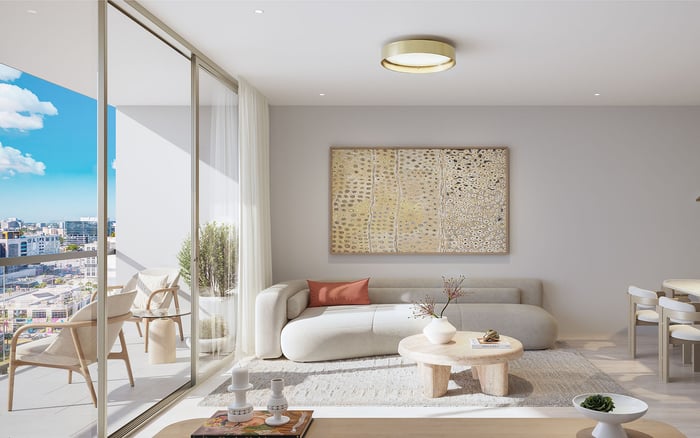
A buyer-focused guide to evaluating stack selection at Frida Kahlo Wynwood Residences before contract, with attention to exposure, privacy, light, noise, resale logic, and lifestyle fit.

At Frida Kahlo Wynwood Residences, the most consequential decision may not be the residence number alone, but the stack behind it. In a pre-construction purchase, buyers often begin with the larger narrative: the building concept, the neighborhood energy, the architecture, and the sense of arrival. Stack selection is where that promise becomes daily life. It determines how the residence breathes, what it sees, how it receives light, and how quietly it lives.
A stack is the vertical line of residences sharing a similar plan and position within the building. Two homes with comparable interior square footage can feel markedly different if one is better oriented, more private, or better buffered from street activity. In Wynwood, where creative energy is part of the appeal, this evaluation becomes especially important. The neighborhood’s vibrancy is an asset, but a luxury buyer should still distinguish desirable urban texture from avoidable intrusion.
Before contract, the goal is not to chase a universally “best” stack. It is to identify the stack that best matches intended use, tolerance for exposure, preference for light, and long-term ownership strategy.
A sophisticated buyer should approach the stack plan the way one would walk a private home. Where does the eye travel upon entry? Does the living area hold the strongest exposure, or does the view belong mainly to a secondary space? Is the primary bedroom positioned for quiet, or does it sit closer to the building’s more active edge?
The hierarchy of rooms matters. A dramatic living area can compensate for a more restrained bedroom outlook, while a compromised main entertaining space may be harder to overlook. If the residence will serve as a second home, the arrival moment and social spaces may carry the most weight. If it will be a primary residence, the quieter rhythms of morning light, bedroom placement, and work-from-home comfort become more important.
New-construction buyers should also study how the plan functions at different times of day. Morning routines, evening entertaining, and weekend relaxation each reveal different strengths and weaknesses. The right stack should not only photograph well. It should live well.
Light is one of the defining luxuries of any urban residence, but not all light is equal. Some buyers prefer bright, consistent daylight, while others value softer exposure and reduced heat gain. The question is not simply whether a residence is sunny. It is whether the quality of light supports the way the buyer intends to inhabit the space.
Orientation affects art placement, furniture planning, glare, privacy, and the feeling of openness. For a residence associated with a culturally expressive neighborhood, the relationship between interior atmosphere and exterior energy deserves care. Buyers with substantial art collections or design-forward interiors should think beyond the view and consider wall usability, reflection, and the comfort of key seating areas.
High floors may offer broader outlooks and a stronger sense of separation from street life, but they are not automatically superior for every buyer. A lower floor with a more intimate urban frame may feel more connected to the neighborhood. A higher floor may feel calmer and more expansive. The contract decision should reflect preference, not assumption.
Wynwood’s appeal lies in its creative pulse, dining culture, galleries, and urban movement. That same vitality makes privacy and acoustic comfort essential considerations. Before contract, buyers should ask how each stack relates to neighboring buildings, active streets, service areas, parking approaches, and amenity zones.
Privacy is not only about distance. It is also about angles. A stack may have generous windows yet still feel exposed if sightlines align directly with another structure. Conversely, a more modest outlook can feel private and composed if it avoids direct confrontation with nearby windows or heavily trafficked spaces.
Noise evaluation should be equally nuanced. The buyer should consider street orientation, building edges, potential gathering areas, and the location of mechanical or operational functions. A luxury residence does not need to be silent, particularly in an urban district, but its sound environment should feel intentional and acceptable.
A balcony can be a meaningful differentiator, but only when it is usable. Depth, exposure, privacy, and furniture potential matter more than the mere presence of outdoor space. A narrow balcony facing a busy edge may function primarily as an architectural gesture, while a better-positioned balcony can become an extension of the living room.
For South Florida buyers, outdoor space carries emotional weight. It suggests morning coffee, evening air, and a connection to the climate. Still, the contract review should remain practical. Can the balcony accommodate seating? Does the exposure invite daily use, or will heat, noise, or visibility limit enjoyment? Does the balcony strengthen resale appeal, or is it secondary to the interior plan?
A stack with a slightly less dramatic interior angle may outperform if its outdoor space is genuinely livable. The most valuable balcony is not necessarily the largest. It is the one the owner will actually use.
Investment buyers should evaluate stack selection through a dual lens: personal desirability and market readability. The future buyer or tenant will not analyze the contract history. They will respond to the residence’s first impression, light, layout, privacy, and view quality.
A strong stack is easy to understand. It has a clear reason for its premium, whether that is orientation, height, privacy, outdoor space, or plan efficiency. A weaker stack may require too much explanation. In luxury real estate, clarity often supports liquidity.
That does not mean every buyer should pay for the most expensive line. A disciplined acquisition may favor a stack with balanced strengths over a headline position with a less practical plan. The key is to identify which premium is durable. Paying more for better light, privacy, and plan flow can be rational. Paying more for a feature that is difficult to experience daily may be less compelling.
Before signing, buyers should request and compare the relevant floor plans, stack diagrams, exposure information, and any available visual materials. The review should be done slowly, preferably with furniture placement in mind. A beautiful plan can become less persuasive once the dining table, sectional, desk, and art walls are considered.
The buyer should also evaluate adjacencies. What is above, below, beside, and across from the residence? How close is the stack to elevators, service corridors, amenity areas, or operational spaces? These are not minor details. They shape the private experience of the home.
Finally, confirm whether the selected stack aligns with the intended hold period. A short-term lifestyle purchase may prioritize immediate pleasure. A longer-term hold should emphasize enduring fundamentals: light, privacy, proportion, and ease of resale. The best stack selection brings these priorities into balance before emotion and scarcity begin to influence the decision.
For Frida Kahlo Wynwood Residences, stack selection should be treated as both a design decision and an ownership decision. Begin with lifestyle, then test the plan. Study light, then privacy. Consider views, but do not let them overwhelm livability. Measure the balcony by use, not romance. Treat high floors as an option, not a default. For investment discipline, ask whether the stack’s advantages will remain legible to the next buyer.
A refined purchase is rarely the product of urgency. It is the result of careful comparison, precise questioning, and the confidence to select the residence that supports both daily life and long-term value.
What is a stack in a condominium building? A stack is the vertical line of residences that share a similar position and floor plan within the building.
Why does stack selection matter before contract? Once a contract is signed, changing stacks may be difficult or unavailable, so the decision should be made with care upfront.
Is the highest floor always the best choice? Not always. Higher floors can offer stronger outlooks, but privacy, layout, exposure, and value should also guide the decision.
How should I evaluate light exposure? Consider when the residence receives light, how it affects living areas, and whether glare or heat may influence comfort.
Should I prioritize views or floor plan? The strongest choice usually balances both, but a highly functional plan often has more lasting daily value than a view alone.
How important is balcony usability? Very important. Outdoor space should be judged by privacy, depth, exposure, and whether it can support real daily use.
What should investors look for in a stack? Investors should favor stacks with clear, durable advantages such as efficient layouts, privacy, light, and easy resale appeal.
Can a lower floor be a smart luxury purchase? Yes. A lower floor can be compelling if it offers privacy, a strong plan, and a desirable relationship to the neighborhood.
What should I ask before signing a contract? Ask about exposure, adjacencies, balcony function, sightlines, elevator proximity, and the practical differences between available stacks.
What is the best way to shortlist comparable options for touring? Start with location fit, delivery status, and daily lifestyle priorities, then compare stacks and elevations to validate views and privacy.
For a tailored shortlist and next-step guidance, connect with MILLION.
If branded residences are on your mind — as a home or as an allocation — we would be glad to share what we are seeing, privately.
Begin a quiet conversation