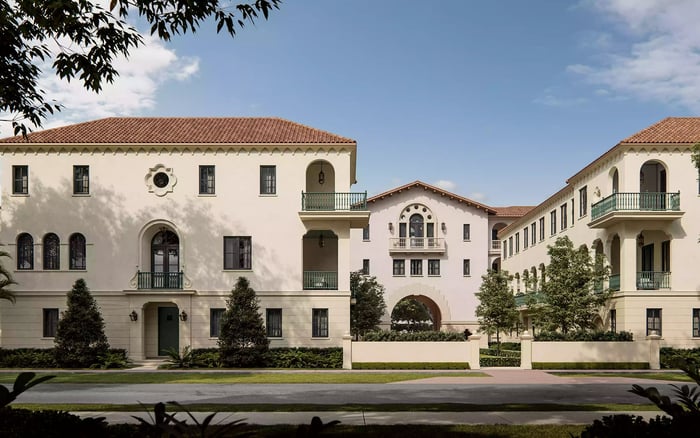
A buyer-focused comparison of Four Seasons Residences Coconut Grove and The Village at Coral Gables, examining service, privacy, ownership style, outdoor space, parking, and neighborhood character.
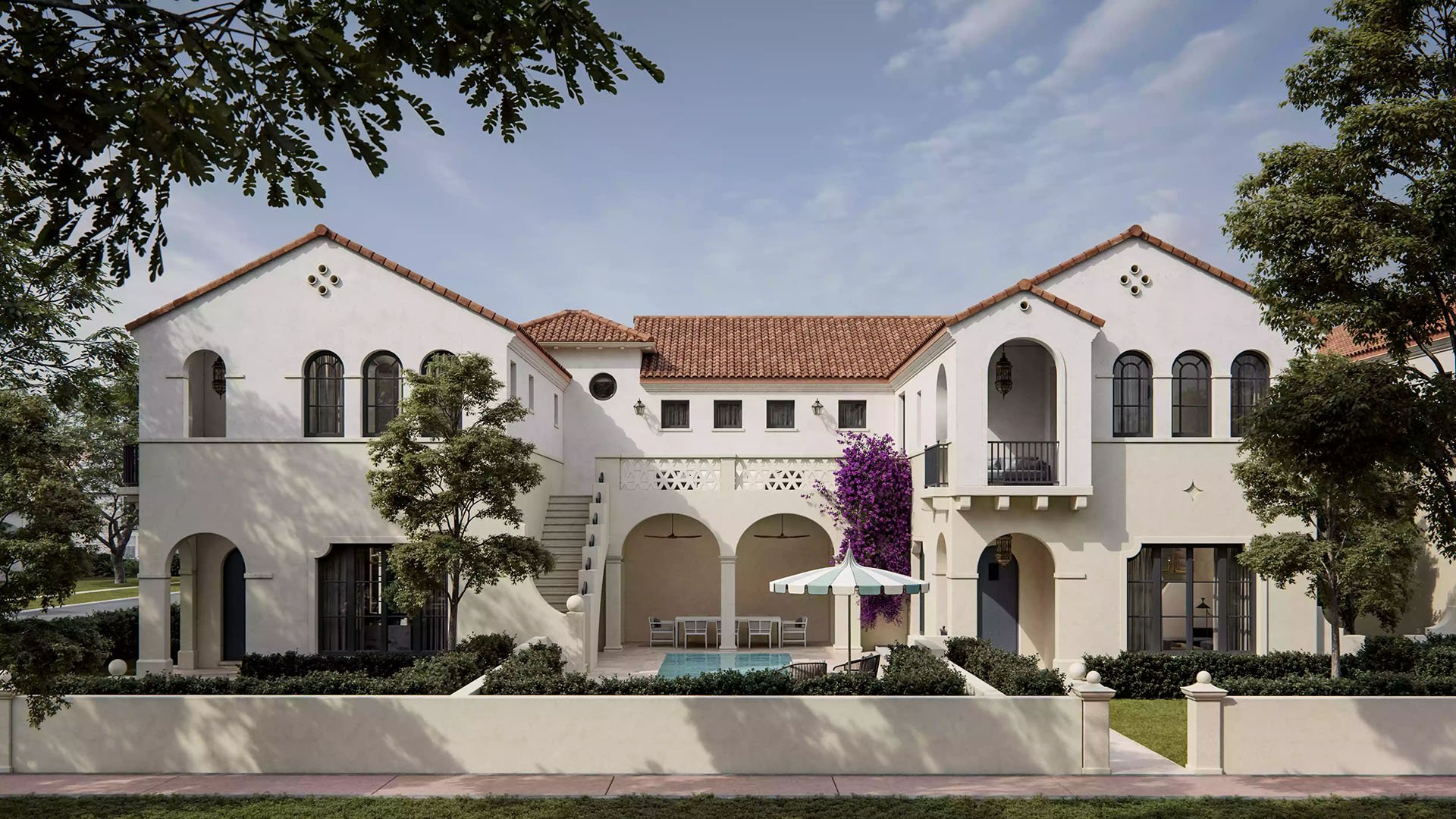
In the upper tier of South Florida residential choices, buyers often compare homes that are equally polished yet fundamentally different in how they are experienced day to day. That is precisely the case with Four Seasons Residences Coconut Grove and The Village at Coral Gables.
At first glance, both appeal to a clientele that values design, prestige, and a highly curated address. The deeper distinction is operational. Four Seasons Residences Coconut Grove is organized around branded, hospitality-led living in a vertical setting. The Village at Coral Gables is a gated residential community defined more by townhome independence, private access, and conventional community governance.
For MILLION Luxury readers, the better question is not which address is more luxurious. It is which ownership structure better fits the rhythm of your life. One model reduces household logistics through service. The other preserves control through ground-level autonomy.
Four Seasons Residences Coconut Grove is built on the premise that ownership should feel close to a hotel-grade experience. Concierge support, optional housekeeping, managed amenity environments, and hospitality staffing are central to the proposition. For buyers who divide their time across cities, travel frequently, or simply prefer a highly managed residence, that service layer can become the deciding advantage.
This is the classic lock-and-leave formula. Arrivals are simplified, departures are simplified, and many of the daily details that would otherwise require owner attention are absorbed into a service platform. In Coconut Grove, that model pairs naturally with a waterfront-adjacent lifestyle shaped by marinas, restaurants, and flexible use of the neighborhood.
The Village at Coral Gables reaches the luxury buyer from the opposite direction. Here, the appeal is not being served at every turn. It is remaining in control. A gated-community setting, townhome-style planning, and direct private entries create a more independent ownership experience. Residents generally rely on traditional HOA administration rather than a hospitality operator, which often feels more residential in the classic sense.
For households that prefer self-direction over service choreography, this matters. The townhome format gives owners more command over arrival, departure, deliveries, garage access, and daily routines. In Coral Gables, that independence also aligns with a municipality defined by strong residential identity and architectural oversight.
Housing type shapes behavior more than many buyers initially expect. In a high-rise, the experience is organized around elevators, attended entries, shared amenity spaces, and stacked residences. At Four Seasons, that is not a compromise. It is part of the attraction. Shared wellness and hospitality-oriented spaces are treated as an extension of the private home.
This is a familiar pattern among branded and service-led developments across the region, including properties such as The Surf Club Four Seasons Surfside and St. Regis® Residences Brickell, where buyers place meaningful value on management, staff presence, and amenity programming as part of daily life.
The Village at Coral Gables offers the inverse luxury. It is lower density, more private, and more directly connected to the ground plane. Rather than stepping from residence to corridor to elevator, owners typically move through a private garage, driveway, entry, patio, courtyard, or similarly personal threshold. That difference sounds simple, but in practice it changes how a home feels in the morning and at night.
For families, pet owners, or buyers who want fewer transitional spaces between car and kitchen, townhome living can feel more intuitive. For second-home buyers or those who prefer a more ceremonious arrival sequence with staff support, the Four Seasons format may feel more seamless.
One of the fastest ways to understand this comparison is to look at outdoor space and parking.
At Four Seasons Residences Coconut Grove, outdoor living is generally expressed through balconies or terraces. These spaces extend the residence outward, often favoring light, breeze, and elevated views over enclosure. That is an elegant expression of high-rise living, particularly for buyers who want outdoor access without the maintenance profile of a yard.
At The Village at Coral Gables, the outdoor experience is more likely to feel domestic and grounded: a patio, a courtyard, or a compact private yard. The emotional appeal is different. It is less about outlook and more about possession of space.
Parking follows the same logic. Four Seasons points toward secured and managed garage parking integrated into a full-service environment. The Village leans toward private garages and driveways, reinforcing the sense of direct ownership and self-contained arrival.
Buyers drawn to newer low-rise and boutique formats in nearby submarkets often respond to similar traits in projects such as Ponce Park Coral Gables or Arbor Coconut Grove, where privacy, scale, and local neighborhood character play a larger role in the decision than hotel-style service intensity.
Coconut Grove and Coral Gables are adjacent geographically but distinct in temperament.
Coconut Grove carries a more waterfront-adjacent, leisure-oriented identity. Marinas, dining, and a village-like social fabric complement residences designed for ease, flexibility, and managed convenience. In that context, Four Seasons Residences Coconut Grove feels aligned with the neighborhood’s appeal to global buyers who want refinement without operational burden.
Coral Gables feels more formal, planned, and residential. Architectural controls and a strong municipal identity create a setting that naturally supports buyers who want permanence, privacy, and a stronger sense of domestic ownership. The Village at Coral Gables fits that world well because it behaves like a residential enclave rather than a hospitality product.
That distinction can also affect who thrives in each setting. A frequent traveler, pied-a-terre buyer, or internationally mobile owner may find the Four Seasons proposition easier to live with. A family-minded buyer, or anyone who wants the rituals of a front door and private garage, may prefer The Village.
Luxury buyers understand that every amenity profile carries a cost structure behind it. In a branded high-rise environment, the service platform itself is part of what is being purchased. Staffing, managed common spaces, and hospitality-oriented operations generally imply a more intensive shared-expense model. For the right buyer, that is entirely rational because the convenience is the product.
At The Village at Coral Gables, the proposition is different. Without a full-service hotel platform, the ownership experience typically allows for more autonomy and a more conventional relationship with community management. That does not make it less luxurious. It makes it less operationally curated.
In practical terms, buyers are choosing between outsourcing daily friction and retaining daily control. Four Seasons sells relief from logistics. The Village preserves sovereignty over them.
Choose Four Seasons Residences Coconut Grove if your priority is service-rich living, recognized branding, managed amenities, and true lock-and-leave convenience. It suits buyers who want their home to function with the polish of a hospitality environment and who value staffing and shared wellness spaces as integrated parts of the ownership experience.
Choose The Village at Coral Gables if your priority is privacy, lower-density planning, direct access from your own garage, and a home that behaves more like a private residence than a serviced suite. It is especially compelling for those who want Coral Gables character and a more independent domestic rhythm.
Both addresses belong in a sophisticated South Florida conversation. They simply answer different questions. One asks how effortless luxury can become. The other asks how private it can remain.
What is the main difference between Four Seasons Residences Coconut Grove and The Village at Coral Gables? Four Seasons centers on branded, high-rise service, while The Village emphasizes gated townhome independence and private entry.
Is Four Seasons Residences Coconut Grove better for second-home buyers? Often, yes. Its service-heavy, lock-and-leave model is well suited to owners who travel frequently.
Is The Village at Coral Gables more private? In general, yes. Its lower-density townhome format and direct-access points create a more private day-to-day experience.
How do amenities differ between the two? Four Seasons places greater emphasis on managed wellness and hospitality-oriented common spaces, while The Village feels more residential.
Which property offers more independence? The Village at Coral Gables does. Its ownership model is closer to a traditional private home within a gated community.
How is parking different? Four Seasons aligns with secured, managed garage parking, while The Village is associated with private garages and driveways.
What kind of outdoor space should buyers expect? Four Seasons typically means balconies or terraces, whereas The Village is more aligned with patios, courtyards, or small private yards.
Does neighborhood character affect the decision? Absolutely. Coconut Grove feels more waterfront-adjacent and social, while Coral Gables feels more planned and residential.
Are shared costs likely to feel different? Yes. A full-service branded tower generally carries a more intensive operating structure than a townhome community.
Which option is better for family-style living? The Village at Coral Gables is often the more natural fit for buyers who prioritize ground-level living, privacy, and domestic autonomy.
To compare the best-fit options with clarity, connect with MILLION Luxury.
If branded residences are on your mind — as a home or as an allocation — we would be glad to share what we are seeing, privately.
Begin a quiet conversation