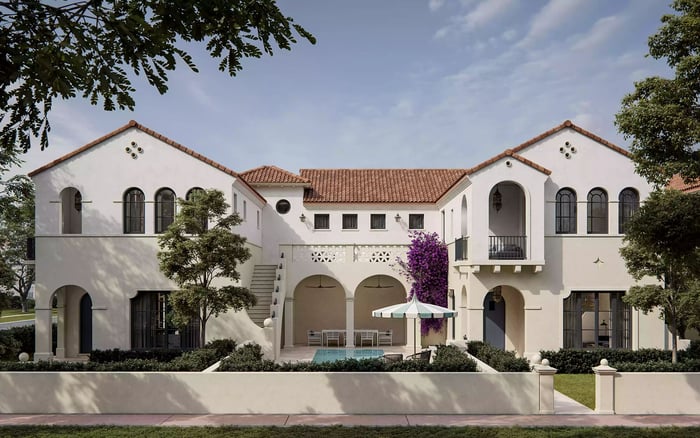
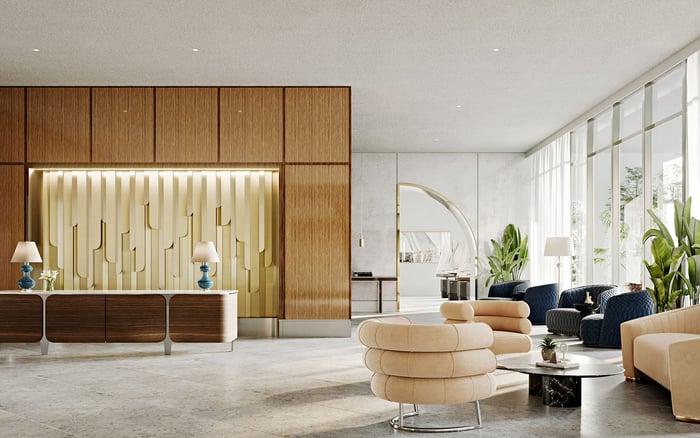
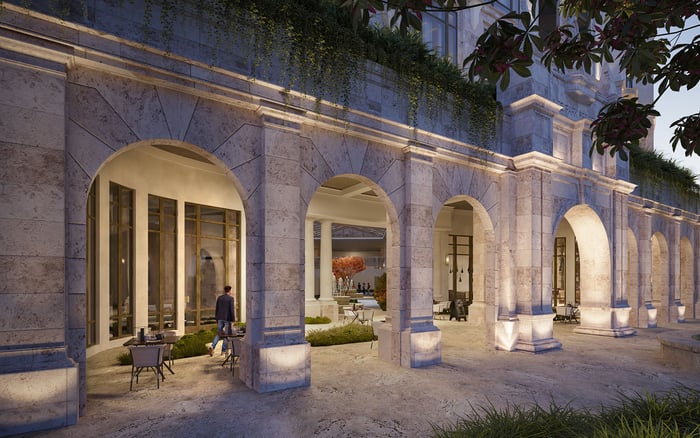
Two of Miami’s most storied neighborhoods are welcoming a new class of residences that prioritize walkability, discretion, and architectural restraint. For buyers deciding between Coconut Grove’s shaded, waterfront-adjacent lifestyle and Coral Gables’ ordered elegance, the choice is less about flash and more about daily rhythm: how you want to arrive home, where you prefer to stroll for coffee, and what kind of neighborhood identity you want to inherit.
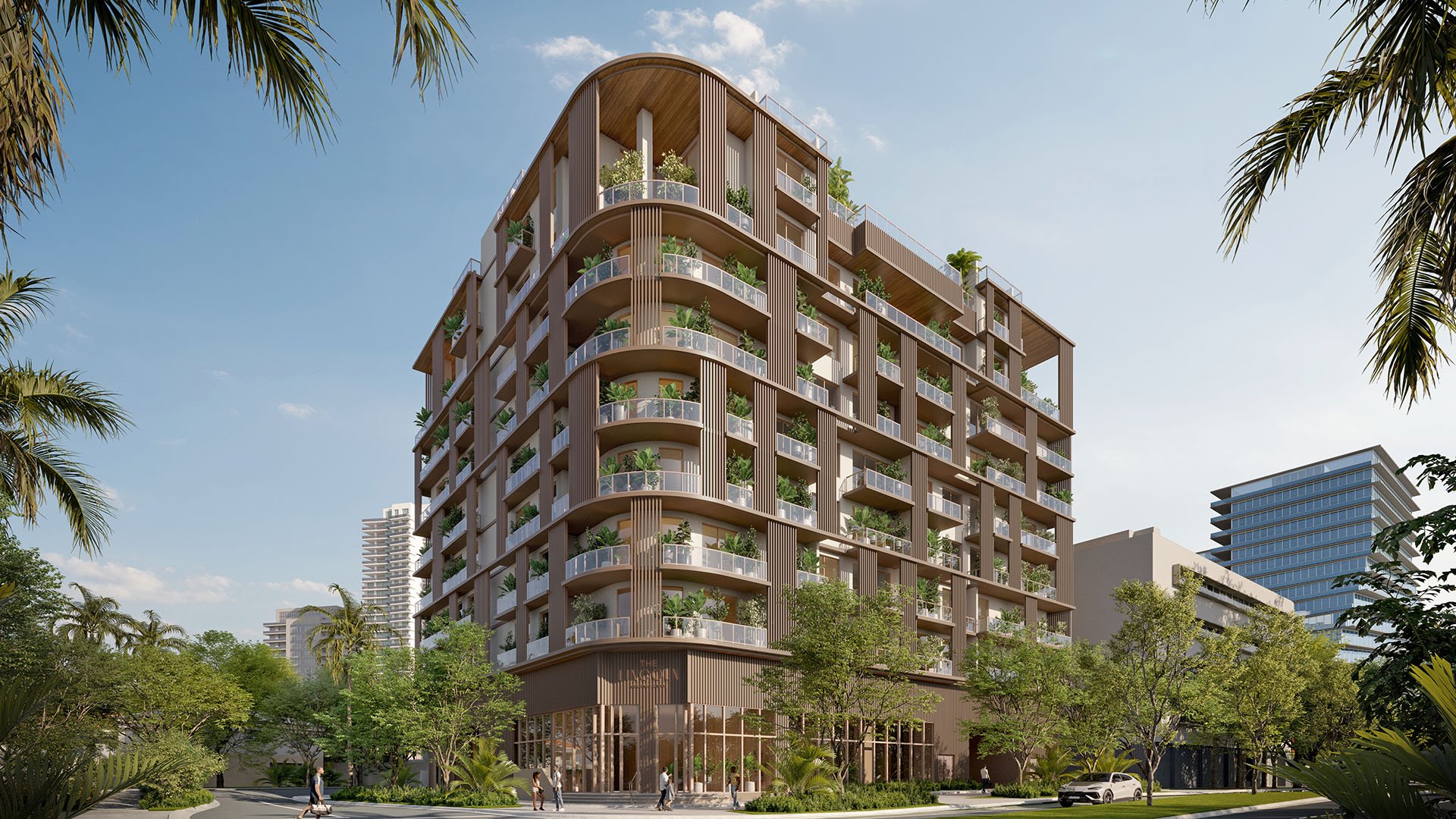
In South Florida, “new luxury” increasingly means something quieter than a glassy skyline statement. It is the privilege of living inside a real neighborhood-one with a mature tree canopy, recognizable architecture, and a daily rhythm that doesn’t require a car for every small errand. That shift is exactly why the conversation around The Lincoln Coconut Grove and The Village at Coral Gables feels especially timely.
Both appeal to a sophisticated buyer who wants modern construction and contemporary planning while remaining anchored in places that feel established and enduring. The difference isn’t merely geographic; it’s atmospheric: Coconut Grove’s coastal ease versus Coral Gables’ cultivated order. The right choice comes down to flow-how you want life to move from front door to sidewalk to dinner reservation.
Coconut-grove rewards buyers who value texture over spectacle. Its appeal isn’t a single boulevard; it’s a network of pockets-cafes, boutiques, parks, and residential streets that feel buffered from the wider city. The neighborhood reads as human-scaled, with an outdoor lifestyle that feels less performative and more habitual.
In that context, The Lincoln Coconut Grove is best understood as a modern address designed to move with the Grove’s cadence rather than compete with it. Buyers drawn to this side of the comparison often prioritize the simple luxuries: a shaded walk, a short drive to waterfront pursuits, and the ability to stay discreet while remaining close to the energy that makes Miami magnetic.
Coconut-grove also tends to attract residents who think in weekends: morning coffee and a walk, an unhurried lunch, and a return home without friction. If you’re building a life around wellness routines, dog walks, and spontaneous evenings, the Grove often feels intuitive.
Coral-gables offers a different expression of luxury: continuity and design discipline. Its identity is cohesive, with a traditional elegance that feels deliberate rather than accidental. Streetscapes are composed, and the day-to-day experience can feel curated-especially for buyers who prefer clear separation between residential calm and commercial activity.
Within that framework, The Village at Coral Gables reads as a modern expression of a classic address. The draw is living among recognizable aesthetics while still benefiting from current expectations around planning, security, and comfort. For many, the Gables experience is about arrival-coming back to an environment that feels “set,” refined, and consistent.
Coral-gables also suits buyers who value schedule and access. If you prefer predictable routes, well-defined districts, and a more formal social rhythm, the Gables can feel like the more natural extension of your lifestyle.
In ultra-premium neighborhoods, architectural success is often measured by restraint. The most desirable new residences tend to signal quality through proportion, detail, and materials-not maximalism.
Coconut-grove typically rewards design that feels integrated with the landscape. Pay attention to how a building handles shade, greenery, and privacy. In a neighborhood defined by mature trees and layered streets, the best projects feel like they belong from day one.
Coral-gables, by contrast, tends to value architectural continuity and civic elegance. Projects that sit comfortably within a refined streetscape often earn lasting favor. Here, the question is whether a new residence respects the neighborhood’s established visual language while still delivering contemporary livability.
If you’re weighing the two, ask yourself which aesthetic you want to inherit. Do you prefer the softness and informality associated with Coconut-grove, or the composed, almost ceremonial feeling that Coral-gables offers?
For many buyers, the deciding factor isn’t square footage; it’s the daily loop. In Coconut-grove, walkability often comes with an outdoors-forward mood. The walk itself is part of the pleasure-greenery, breezes, and the sense that you’re moving through a lived-in neighborhood.
In Coral-gables, walkability can feel more purpose-driven, often organized around specific destinations and districts. The experience is polished. Errands and evenings out tend to feel more planned, and the setting reinforces that order.
To ground your decision, map your most common week: where you go for coffee, fitness, dinner, and quick essentials. Choose the neighborhood where that map feels effortless.
Luxury often begins before you reach the living room. Consider how you arrive, how guests arrive, and how service is handled. In established neighborhoods, discretion is a primary value, and the best residences support it through thoughtful access, separation, and a calm sense of entry.
Coconut-grove buyers often prioritize an arrival that feels tucked away, with a sense of retreat from the city’s intensity. The neighborhood’s culture naturally supports that preference. Coral-gables buyers often prioritize arrival with presence: a sense of order, a lobby moment, and an address that reads as classic.
If you entertain frequently, think about circulation. If you travel often, think about security and ease. If you work from home, think about noise, light, and how public-facing the building feels day to day.
A buyer choosing Coconut-grove is often buying proximity to the water-oriented side of Miami life, even when not directly on the shoreline. The neighborhood’s identity leans toward outdoor time and informal gathering.
A buyer choosing Coral-gables is often buying into an idea of tradition, etiquette, and a slightly more formal urban experience. The lifestyle can feel club-like in the best sense: recognizable institutions, a strong sense of place, and a lasting address.
If you want a comparable benchmark for the Grove’s premium, neighborhood-forward approach, consider how projects such as Four Seasons Residences Coconut Grove and Vita at Grove Isle speak to buyers who want Coconut-grove adjacency with elevated service and privacy. In Coral-gables, the same buyer profile often gravitates to newer residential offerings that preserve the area’s composure, such as Ponce Park Coral Gables, when the goal is a refined address within a structured neighborhood fabric.
The cleanest way to decide is to identify which neighborhood supports your default mode.
Coconut-grove tends to fit:
Buyers who prefer discretion, greenery, and a coastal, outdoors-first routine
Owners who want a neighborhood that feels social without feeling “on display”
Residents who value a sense of retreat while staying connected to Miami’s core
Coral-gables tends to fit:
Buyers who prefer architectural continuity, polish, and a more formal tone
Owners who want predictability in streetscape, planning, and neighborhood identity
Residents who like a composed environment for entertaining and daily structure
Neither is “better.” Both are rare for the same reason: they are complete neighborhoods, not concepts still under construction.
When comparing The Lincoln Coconut Grove and The Village at Coral Gables, keep your due diligence buyer-oriented and experiential.
Start with the block, not the brochure. Visit in the morning, late afternoon, and evening. Notice sound, lighting, and the level of foot traffic.
Audit your parking expectations. Even when you love to walk, real life includes visitors, service appointments, and travel days.
Measure “privacy per square foot.” Think about sightlines into residences, the feel of corridors and elevators, and the ease of coming and going without friction.
Treat amenities as lifestyle infrastructure. Ask which amenities you’ll use weekly-not annually-and whether they feel comfortably scaled.
Consider resale psychology. Historic neighborhoods reward coherence. Buyers in Coconut-grove often prize atmosphere and ease. Buyers in Coral-gables often prize order and classic positioning.
New luxury in historic neighborhoods isn’t about competing with Miami’s skyline. It’s about claiming a version of the city that feels lived-in, rooted, and enduring.
If you want your days to feel shaded, coastal, and quietly social, Coconut-grove is the natural answer. If you want your address to feel composed, classic, and intentionally structured, Coral-gables will likely be the more aligned choice.
Is Coconut-grove more casual than Coral-gables? Generally, yes. Coconut-grove tends to feel more relaxed day to day, while Coral-gables reads as more formal and composed.
Which neighborhood is better for walkability? Both can be walkable, but the experience differs: Coconut-grove is more meandering; Coral-gables is more structured.
Do these neighborhoods suit full-time residents? Yes. Both are established communities that support year-round living and a consistent neighborhood rhythm.
What kind of buyer is drawn to The Lincoln Coconut Grove? Typically, someone who values discretion, greenery, and a coastal-adjacent lifestyle in Coconut-grove.
What kind of buyer is drawn to The Village at Coral Gables? Often, someone who prefers a polished streetscape, classic neighborhood identity, and Coral-gables’ cultivated feel.
Is this a choice between condos and single-family homes? Not necessarily. It’s more about choosing a neighborhood lifestyle; both areas include multiple housing types.
How should I evaluate “privacy” in a new building? Visit at different times, assess sightlines and entries, and consider how arrivals and guests are managed.
Does neighborhood character affect long-term desirability? Yes. In historic areas, continuity and day-to-day livability tend to underpin enduring demand.
Should I prioritize architecture or location within the neighborhood? Location usually leads. Even the best design performs differently depending on the block, noise, and walkability.
What is the next step if I am deciding between the two? Tour both areas in one day, then revisit your preferred neighborhood on a normal weekday to confirm fit.
When you're ready to tour or underwrite the options, connect with MILLION Luxury.
If branded residences are on your mind — as a home or as an allocation — we would be glad to share what we are seeing, privately.
Begin a quiet conversation