A buyer-focused look at why private-driver waiting, staging, and pickup protocols matter at Four Seasons Fort Lauderdale, especially for seasonal owners navigating hotel, dining, spa, and residential circulation on the beach.
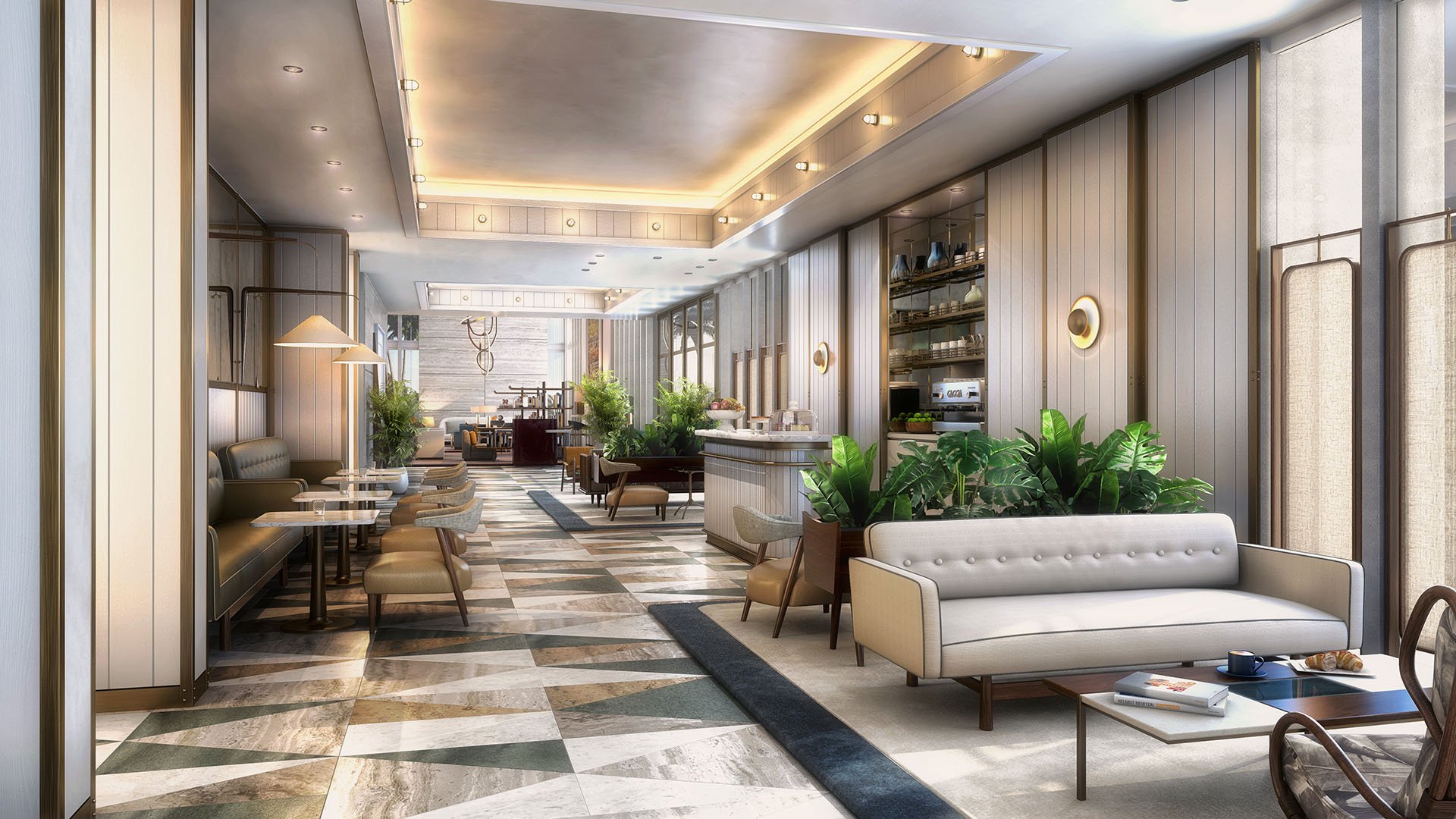
At Four Seasons Hotel & Private Residences Fort Lauderdale, the arrival sequence is not a minor operational detail. It is part of the daily architecture of ownership. The property is an oceanfront mixed-use address in Fort Lauderdale, pairing a luxury hotel environment with branded private residences. That means the curb, driveway, valet desk, lobby threshold, and residential entry must do more than receive cars. They must preserve rhythm, privacy, and ease.
For seasonal buyers, especially those who use a private driver for airport transfers, dinners, marina visits, medical appointments, or evening returns, the question is not simply whether the drop-off feels polished. The more revealing questions are where the driver goes next, how the driver is summoned back, and whether the residential pickup experience remains controlled when hotel activity is at its highest.
Four Seasons Hotel & Private Residences Fort Lauderdale is best understood as a hospitality-residential ecosystem, not a conventional condominium with limited service layers. That distinction matters. In a purely private tower, the arrival court may serve a more predictable group of residents and guests. In a branded hotel-residential setting, the broader property environment may also include hotel guests, restaurant patrons, spa visitors, event traffic, service teams, and private owners.
That does not diminish the appeal. For many buyers, the hotel-grade service culture is exactly what makes the address compelling. But it makes choreography essential. Broward buyers comparing branded residences should look beyond finishes and amenity language and study how the property manages movement. Privacy is often determined before one reaches the elevator.
A private-driver plan should be evaluated as part of prestige, not convenience alone. If a driver must circle unpredictably, wait off-site without coordination, or re-enter through a congested hotel queue, the ownership experience may feel less seamless during the very moments when service should be invisible.
There are three broad scenarios seasonal buyers should understand before making assumptions. The first is a formal on-site driver staging area, where waiting is structured and communication with valet or residential staff is clearly managed. The second is a valet-managed holding pattern, where the car is not necessarily parked in a dedicated driver zone but is coordinated by the property’s service team. The third is informal off-site waiting, where the driver leaves the immediate property area and returns when called.
Each model can work, but each produces a different lived experience. A formal staging area may feel most controlled, if the rules allow it. A valet-managed pattern can be elegant when communication is tight. Off-site waiting may be acceptable for longer appointments, but less ideal for quick errands, dinner pickups, or rainy-season returns.
Because confirmed micro-details on current private-driver waiting policy are not established here, buyers should verify the specifics directly with the residential team or association. Do not rely on a beautiful arrival court as proof of driver convenience. Driveway design is only one element. Real performance depends on valet, concierge, security, and residential management working in concert.
The strongest questions are practical and specific. Where may a private driver wait after drop-off? How long may the vehicle remain on-site? Is idling allowed, restricted, or discouraged? Is the driver summoned through valet, concierge, security, a resident call, or another protocol? Can hotel arrivals delay a residential pickup? Is there a distinction between resident cars, hired cars, black cars, and rideshare vehicles?
Seasonal ownership raises the stakes because use is often concentrated. Second-home occupancy patterns may cluster around holidays, long weekends, family visits, and high-demand winter months. The arrival that feels effortless on a quiet weekday may feel different during peak hotel occupancy, restaurant rush, or event-driven traffic.
Investment value in this tier is also tied to operational confidence. A buyer may admire the residence, the view, and the brand, but daily livability is tested in transitions: leaving for dinner, returning from the airport, meeting guests, or stepping into a waiting car without exposure or delay. This is especially relevant in an oceanfront setting, where frontage for queuing, arrivals, and service movement is naturally limited.
For a seasonal buyer, the question is not whether the address belongs in a condo-hotel conversation, but whether its hospitality layer improves the private residential experience without overwhelming it. The answer is found in policy, staffing, and peak-time execution.
A serious buyer should schedule at least one visit during a busier period, not only during a calm showing window. Observe the arrival court, the handoff between valet and residential staff, the separation, if any, between residential and public-facing uses, and the time it takes for a car to return after being summoned.
If you already use a driver, replicate your real routine. Arrive from the airport. Leave for dinner. Return at a popular hour. Ask how a driver would be handled if you were upstairs for ten minutes versus two hours. The point is not to interrogate the property, but to understand the service grammar before purchase.
At Four Seasons Hotel & Private Residences Fort Lauderdale, the brand promise is inseparable from arrival, privacy, and choreography. A private-driver waiting policy may sound minor on paper. In practice, it can define whether seasonal life feels composed or improvised.
Does Four Seasons Hotel & Private Residences Fort Lauderdale have a confirmed private-driver waiting area? Confirmed micro-details on current waiting policy are not established here. Buyers should verify rules directly with the residential team or association.
Why does private-driver waiting matter for seasonal buyers? Seasonal owners often rely on drivers for airport transfers, dinners, marina visits, and peak-period movement. Waiting rules affect timing, privacy, and comfort.
Is the drop-off area the same as a waiting area? No. A polished drop-off does not necessarily mean drivers may remain on-site, idle, stage, or re-enter without delay.
What is the difference between staging and off-site waiting? Staging implies a structured holding arrangement, while off-site waiting means the driver leaves the immediate property area until summoned back.
Can hotel traffic affect residential pickups? It can, depending on how circulation is managed. Buyers should ask whether hotel, restaurant, spa, and residential arrivals are separated or coordinated.
Should buyers test the arrival experience before closing? Yes. A peak-time visit can reveal how valet, concierge, security, and residential management coordinate under real demand.
What should I ask about idling? Ask whether idling is allowed, limited, or prohibited, and whether different rules apply for short waits versus longer appointments.
Does an oceanfront location make this more important? Yes. Beachfront parcels often have limited frontage for queuing, arrivals, and service movements, making choreography more consequential.
Is this mainly a luxury convenience issue? It is also a privacy and livability issue. The best service feels discreet, predictable, and almost invisible.
Can these policies change over time? Yes. Operational rules may evolve, so buyers should confirm current procedures and understand how future changes would be communicated.
When you're ready to tour or underwrite the options, connect with MILLION.
If branded residences are on your mind — as a home or as an allocation — we would be glad to share what we are seeing, privately.
Begin a quiet conversation