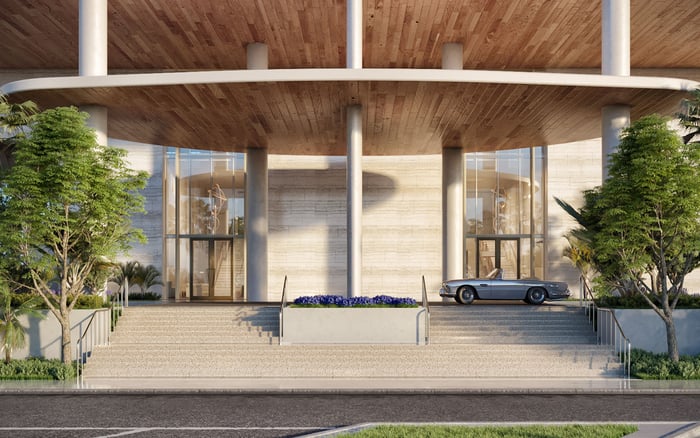
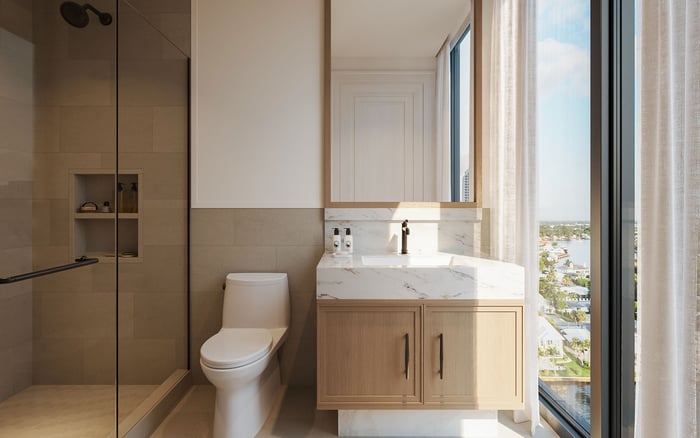
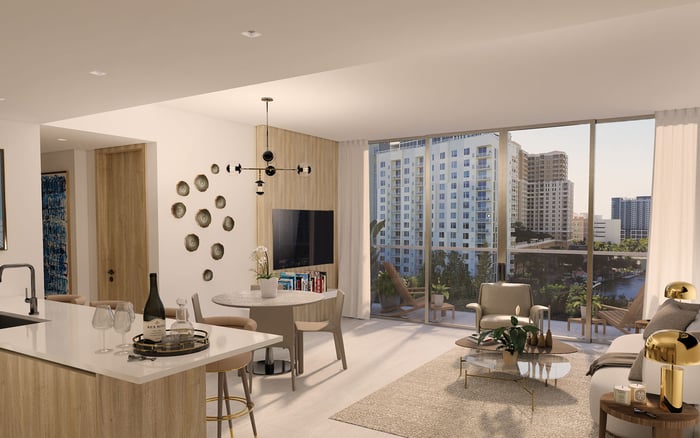
A family-focused due diligence guide to owner-only amenity access at Four Seasons Hotel & Private Residences Fort Lauderdale, with questions on privacy, guest use, children, governance, and long-term value.
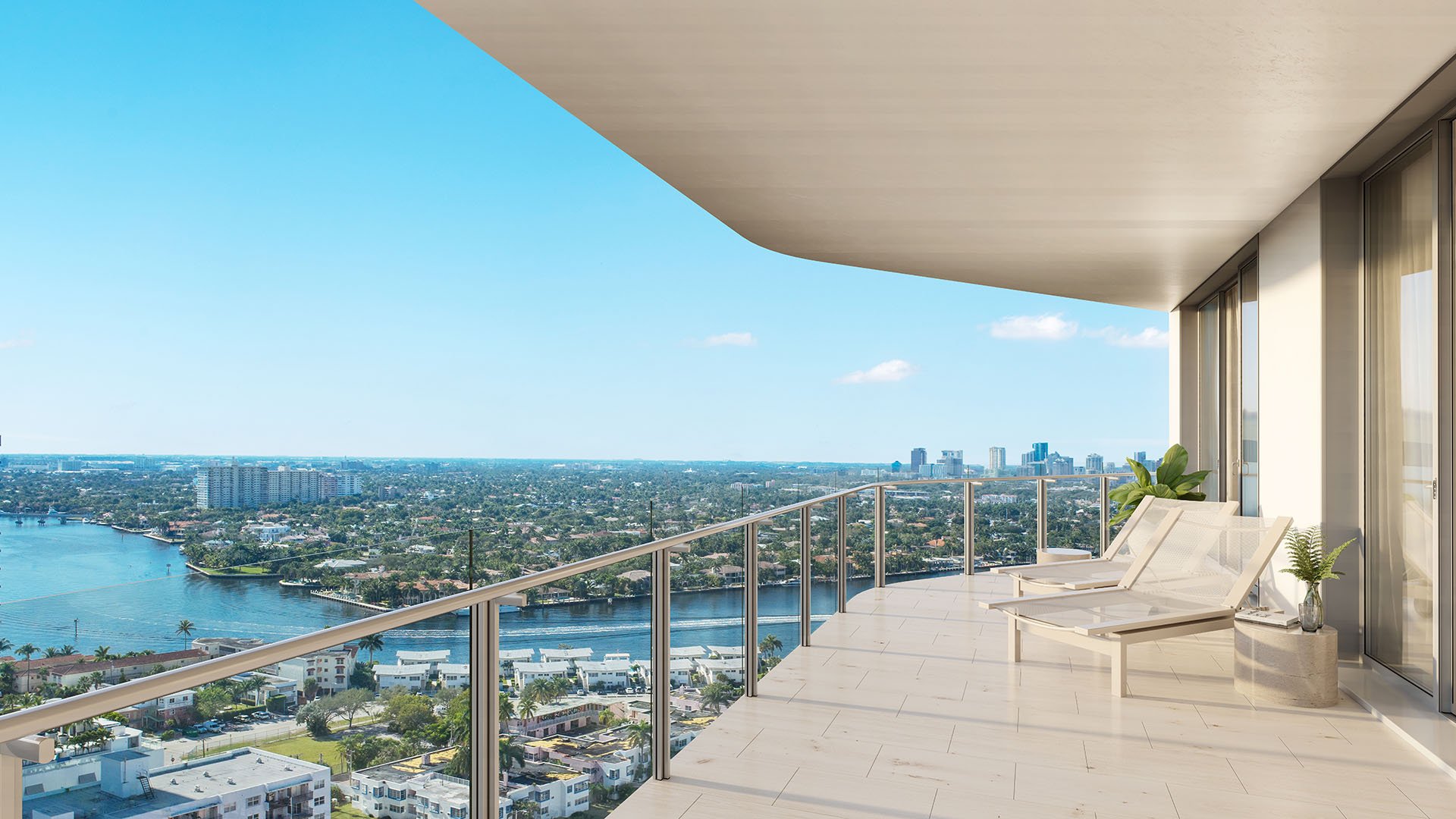
For families evaluating Four Seasons Hotel & Private Residences Fort Lauderdale, the most important amenity question is not simply what the building offers. It is who may use each space, when they may use it, and under what rules. In a branded hotel and private residence setting, the line between hotel-facing amenities, shared services, and owner-only spaces can shape daily life as much as floor plan, view, or finish quality.
Family buyers tend to use buildings differently than occasional second-home owners. A residence may need to support school mornings, grandparents visiting for a long weekend, a caregiver arriving after practice, a teenager meeting friends by the pool, or a young child needing quiet separation from busier hospitality areas. Owner-only access becomes a practical privacy issue, not a marketing flourish.
Within the broader Fort Lauderdale and Broward luxury market, buyers often compare service intensity, condo-hotel structure, and family usability in the same conversation. The Four Seasons Hotel & Private Residences Fort Lauderdale name signals a hospitality environment, but the purchase decision should still be grounded in the building’s actual residence documents, access policies, and operating practices.
The first question is basic: what does “owner-only” mean in writing? Families should ask whether the phrase refers to deeded residential owners, long-term tenants, immediate family members, approved guests, or a narrower group of occupants. A policy that sounds exclusive can feel very different if access extends broadly to renters, hotel guests, club members, or outside invitees.
Ask for a precise breakdown of every amenity category. Which areas are exclusively residential? Which are hotel amenities available to residents? Which spaces are shared? Which require reservations, fees, or separate approvals? For a family, the answer affects routine as much as privilege. A quiet lounge may be ideal for remote work or homework if it is genuinely residential. A pool deck may feel less private if it operates as a hospitality setting during peak travel periods.
The goal is not to avoid shared amenities. Many families value the energy and service culture of a hotel-connected building. The goal is to know where the private residential experience begins and where the hotel environment remains part of everyday life.
Family buyers should request a clear map of access points. Are residential amenities reached through private elevators, separate corridors, or common hotel circulation? Are there owner-only check-in, package, parking, or arrival protocols? Are staff members trained around residential privacy, especially when children and caregivers are part of the household’s daily rhythm?
Ask how access is enforced. A separate amenity may not feel owner-only if entry depends on informal recognition rather than a controlled system. Families should understand whether access uses fobs, apps, reservations, staff verification, or concierge approval. They should also ask what happens when rules are violated. Enforcement is a core part of luxury living because discretion depends on consistency.
The most revealing questions are situational. Can a resident’s child bring two friends to an owner-only area after school? Can grandparents staying in the residence use the same lounge without the owner present? Can a nanny accompany a child to a residential amenity? Can a private tutor, trainer, chef, or nurse enter a restricted area? These are not edge cases for family buyers. They are the texture of real ownership.
For families, amenity policy should be read through the lens of daily supervision. Ask whether children may use specific owner-only spaces without an adult and, if so, at what age. Ask whether quiet hours, behavior standards, guest limits, or blackout dates affect school holidays and peak travel weeks.
Guest policy deserves equal scrutiny. Luxury buildings often distinguish between accompanied guests, overnight guests, registered guests, and unaccompanied visitors. A family that regularly hosts relatives may need more flexibility than a couple using the residence seasonally. If the building permits rentals under certain circumstances, ask whether renters receive the same access as owners. If they do not, understand how those limitations are communicated and enforced.
Caregivers are another important category. Families should confirm whether nannies, drivers, nurses, tutors, and household staff may enter residential-only areas while performing duties. The most polished building experience can become inconvenient if routine support personnel are treated as exceptions requiring case-by-case approval.
Owner-only access is not always the same as unlimited access. Families should ask whether any amenities require booking, deposits, minimum spending, guest passes, or service charges. A private room for birthdays, tutoring, wellness appointments, or small family dinners may be extremely useful, but only if the reservation policy works with the household’s schedule.
Priority rules matter during high-demand periods. Ask whether owners receive priority over hotel guests for certain services, whether peak-season reservations are capped, and whether family-oriented uses are treated differently from adult social events. If there are cabanas, private dining rooms, wellness spaces, or event areas, buyers should understand both availability and cost structure before purchase.
Also ask how rules can change. Are amenity policies controlled by the association, the hotel operator, a management agreement, or another governing body? A family buying for long-term use should be interested not only in today’s access but also in the process by which access may be revised.
In branded residential ownership, governance is a luxury feature because it protects the experience after closing. Families should review the declaration, bylaws, rules and regulations, management agreements, and any residential services documents with qualified counsel. The sales conversation may describe an elegant lifestyle; the governing documents determine how that lifestyle functions.
Ask who has authority over residential amenities. Can the operator modify hours? Can the association create new guest restrictions? Can service levels change? Are owners consulted before operational decisions affect family use? These questions are especially important when a building combines private residences with hotel operations.
A thoughtful buyer should also ask how disputes are handled. If an owner believes hotel guests are entering a residential space, or a family guest is denied access inconsistently, what is the resolution process? Quiet, predictable administration is often what separates a truly refined property from one that merely photographs well.
Family buyers should compare owner-only access against their actual calendar. A second-home buyer with short seasonal stays may prioritize convenience and service. A full-time family may prioritize privacy, school-week predictability, and easy routines for children and caregivers. Neither approach is wrong, but each requires a different reading of the same amenity program.
Walk the building mentally from arrival to bedtime. Where does a child go after returning from an outing? Where does a parent take a morning call? Where do visiting grandparents relax without entering a busier public-facing environment? Where can the family gather without feeling like guests in their own home? The answers reveal whether the amenity structure is a brand enhancement or a genuine residential advantage.
The best question is simple: would the owner-only access still feel meaningful on a rainy Saturday, a holiday weekend, or a busy school morning? If the answer is yes, the amenity program may offer more than prestige. It may offer the rarest form of luxury for families: ease.
What should family buyers ask first about owner-only amenities? Ask for a written definition of who qualifies as an owner, resident, family member, guest, or approved occupant for each amenity area.
Are hotel amenities automatically available to private residence owners? Buyers should not assume automatic access. Each amenity should be reviewed through the building’s governing documents and current operating policies.
Can children use owner-only amenity spaces without an adult? Ask for age rules, supervision requirements, quiet hours, and any restrictions that apply to children or teenagers.
Do visiting grandparents or extended family members get the same access as owners? Policies can distinguish between owners, occupants, overnight guests, and accompanied visitors, so the access rules should be confirmed in writing.
Can a nanny or caregiver enter owner-only areas with a child? Families should ask directly how caregivers, tutors, nurses, drivers, and other household staff are registered and approved.
Should buyers ask about pool access separately? Yes. Pool use often involves guest limits, peak-hour rules, supervision policies, and reservation or service procedures.
Why does condo-hotel structure matter for amenity access? A hotel-connected residential setting may include shared operations, so buyers should understand which spaces are private, shared, or hospitality-facing.
Can owner-only amenity rules change after purchase? They may be subject to governing documents, association authority, operator agreements, or management rules, so buyers should review amendment procedures.
How should families evaluate guest limits? Ask whether limits apply by amenity, time of day, season, or guest category, and confirm how those limits are enforced.
How should families evaluate pet policies in relation to amenities? Ask where pets may travel, whether they are allowed in any amenity-adjacent areas, and what service or elevator rules apply.
For a confidential assessment and a building-by-building shortlist, connect with MILLION.
If branded residences are on your mind — as a home or as an allocation — we would be glad to share what we are seeing, privately.
Begin a quiet conversation