A buyer-oriented 2026 lens on three West Palm Beach luxury residence narratives: Forté’s boutique waterfront scarcity, Ritz-Carlton’s hospitality-brand premium, and Banyan Tree’s wellness-resort positioning.
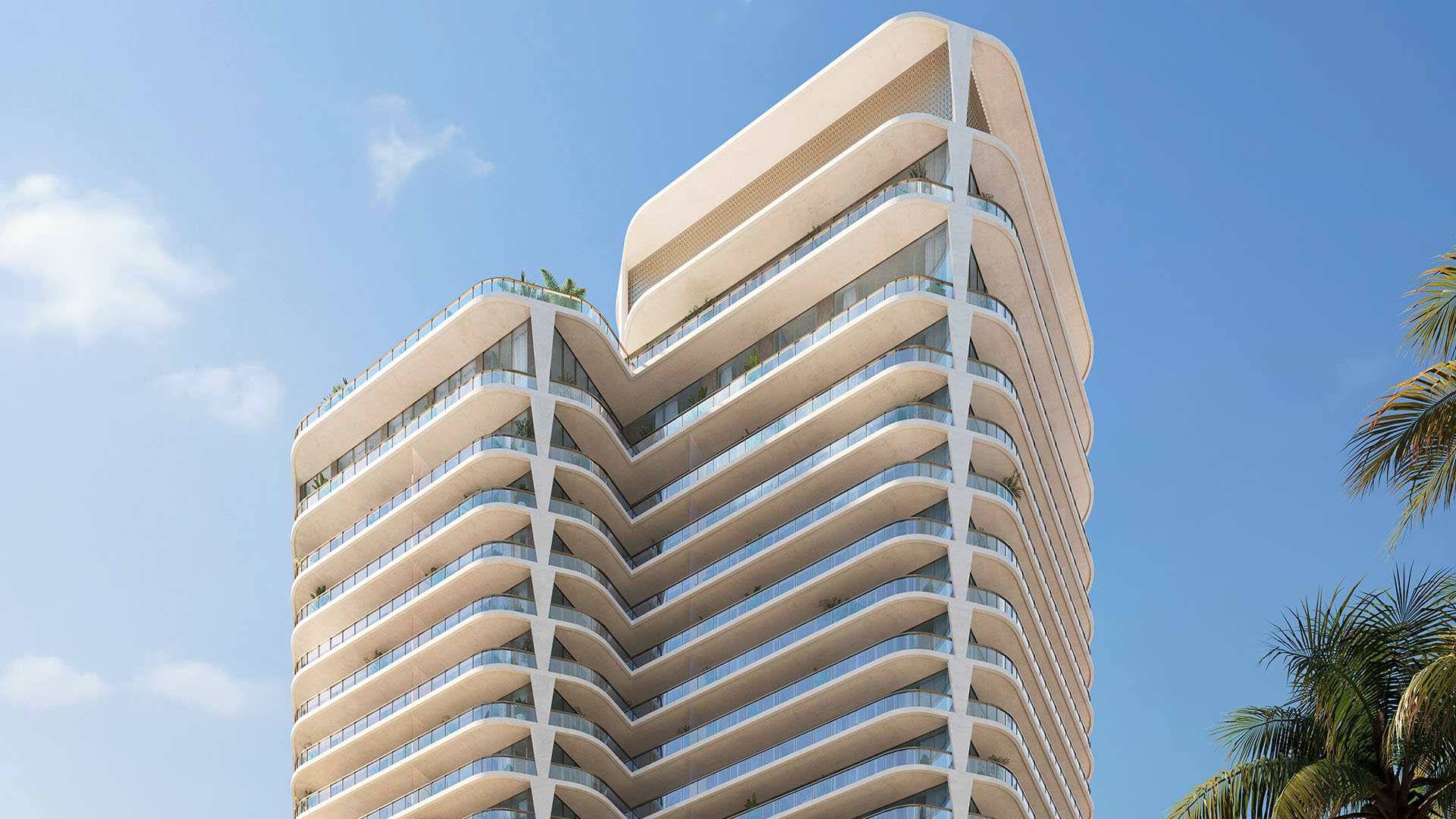
West Palm Beach’s ultra-luxury condominium conversation has matured. The question is no longer simply which tower offers the most dramatic arrival, the most polished amenity deck, or the most cinematic water view. In the 2026 buyer mindset, the sharper questions sit beneath the surface: how the association will be governed, how reserve assumptions may evolve, how service obligations are funded, and whether the next buyer will prize the same attributes when it is time to exit.
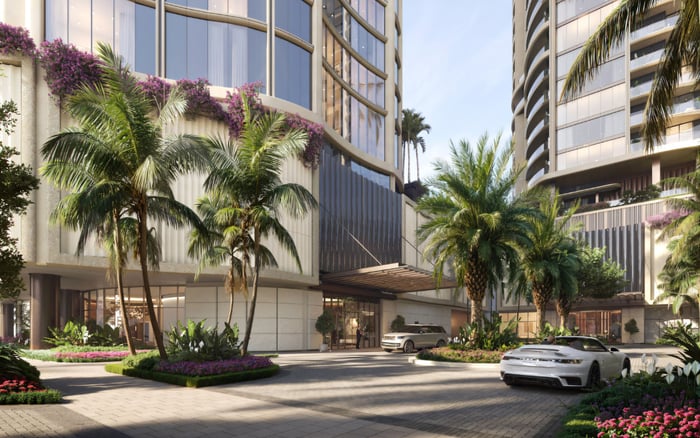
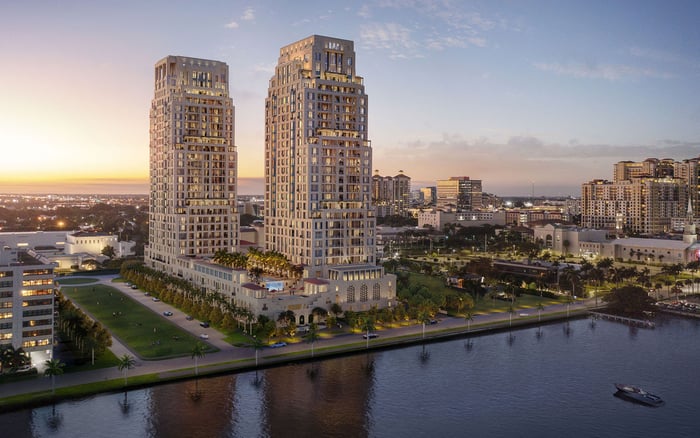
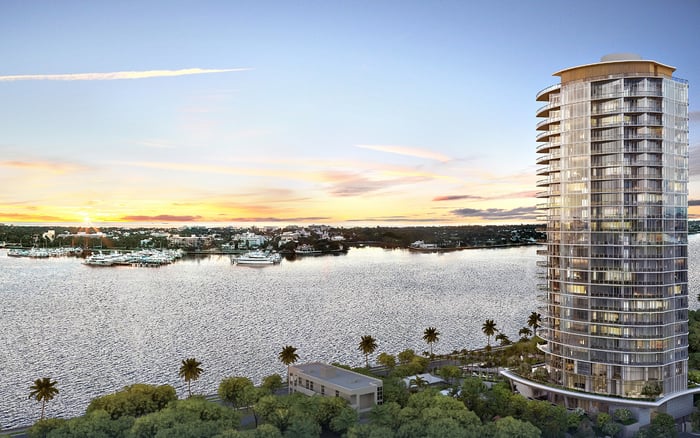
That makes Forté on Flagler West Palm Beach, The Ritz-Carlton Residences® West Palm Beach, and Banyan Tree Residences West Palm Beach useful comparables, not because they are interchangeable, but because each represents a distinct luxury thesis. Forté is best understood through the language of boutique design, privacy, and scarcity. The Ritz-Carlton Residences® West Palm Beach turns on global hospitality recognition, service discipline, and brand familiarity. Banyan Tree, as a broader proposition, invites a wellness and resort-oriented lens, with close attention to the specific governing and operating documents a buyer receives.
For search and portfolio context, West Palm Beach is no longer a secondary luxury story. It is a market where new-construction buyers are increasingly fluent in structural costs, association culture, operating budgets, and resale defensibility.
Forté’s thesis is not primarily a global hospitality brand thesis. Its appeal is framed around architectural prestige, boutique positioning, waterfront presence, and the emotional confidence that can come from a lower-density, design-forward environment. For certain buyers, that is precisely the point. They are not seeking the predictability of a large service platform; they are seeking privacy, discretion, and a building whose identity feels residential rather than hotel-like.
Still, scarcity alone is not a complete due-diligence answer. In 2026, the Forté buyer should ask whether boutique scale can carry the long-term burdens of governance, insurance, reserves, and maintenance without diluting the intimacy that made the building attractive in the first place. Smaller buildings can feel more personal, but their financial culture matters intensely. Board discipline, transparent budgeting, and owner alignment become part of the luxury product.
The resale logic is therefore less about short-term yield and more about enduring desirability: privacy, architectural identity, waterfront scarcity, and confidence in the association. A buyer who understands Forté on Flagler West Palm Beach through that lens will be less distracted by amenity comparisons and more focused on whether the building can preserve its character across multiple ownership cycles.
The Ritz-Carlton Residences® West Palm Beach occupies a different lane. Its value thesis is built around institutional hospitality branding, service standards, and the familiarity many global buyers already have with the Ritz-Carlton name. In luxury real estate, familiarity has value. It can reduce perceived risk for buyers moving capital across cities, especially when they want a service model that feels legible before they ever step into the sales gallery.
But brand prestige is not a substitute for diligence. The 2026 buyer should test whether the premium attached to recognized hospitality branding is supported by daily execution, staffing logic, service obligations, and governance discipline. A name can open the door; operations determine whether it remains persuasive after closing.
This is where service becomes both an amenity and a liability to be understood. Buyers should study how the service model is funded, what is mandatory, what is optional, and how future cost increases could affect carrying costs. The strongest branded residences do not merely borrow equity from a famous name; they translate that name into a consistent, accountable residential experience.
For future resale, The Ritz-Carlton Residences® West Palm Beach depends on a continuing pool of buyers who value a recognizable global standard and predictable service. That can be powerful, especially for internationally minded owners, but it still requires disciplined documents and credible association oversight.
Banyan Tree Residences West Palm Beach introduces a third conceptual frame: wellness, resort sensibility, and lifestyle atmosphere. For the right buyer, that can be highly compelling. Wellness is no longer a decorative amenity category at the top of the market; it is increasingly part of how buyers evaluate daily experience, privacy, recovery, and the feeling of retreat within an urban setting.
The careful buyer, however, should separate the emotional appeal of a wellness-resort narrative from the legal and operating realities of ownership. The central questions are practical: what services are included, what services may carry additional costs, how amenities are governed, how brand standards are maintained, and how future operating obligations may change over time.
Because wellness positioning can be broad, the due-diligence standard should be exacting. Buyers should review association documents, budgets, service agreements, rules on owner use, and any rental or guest-use parameters that could affect privacy and long-term value. The best version of the Banyan Tree proposition is one where lifestyle language is matched by governance clarity.
In earlier cycles, buyers often treated association governance as a back-office matter. That has changed. In today’s West Palm Beach luxury market, governance transparency, reserve practices, insurance planning, and long-term ownership costs are part of the front-stage purchase decision.
This shift favors buyers who ask uncomfortable questions early. How conservative are the reserve assumptions? What is the association’s posture toward assessments? Are service standards tied to realistic budgets? Is the board structure designed for accountability? How will the building communicate with owners when costs rise or capital work is required?
These questions do not diminish the romance of luxury property. They protect it. A tower can have exquisite finishes and still disappoint if ownership costs become erratic or governance becomes opaque. Conversely, a building with disciplined administration can preserve confidence through market cycles, even when broader conditions become less forgiving.
Exit liquidity is the quiet test behind every luxury purchase. Forté’s buyer is wagering that boutique waterfront scarcity, privacy, and design identity will remain scarce enough to command attention later. The Ritz-Carlton buyer is wagering that a globally recognized service brand will continue to matter to the next generation of affluent purchasers. The Banyan Tree buyer is wagering that wellness and resort-oriented living will remain durable rather than fashionable.
None of these wagers is inherently superior. They simply require different evidence. Boutique scarcity should be tested through owner alignment and association discipline. Hospitality branding should be tested through service delivery and cost structure. Wellness positioning should be tested through documents, access rules, operating obligations, and the credibility of the lived experience.
The most sophisticated 2026 buyer is not asking which name sounds most prestigious. The better question is which ownership proposition remains most coherent after the closing table, through several budget cycles, and into a future resale negotiation.
Is Forté on Flagler West Palm Beach mainly a brand-play purchase? No. Its thesis is more closely tied to boutique scale, privacy, architectural identity, and waterfront scarcity than to a global hospitality brand.
Why does The Ritz-Carlton Residences® West Palm Beach command attention? It benefits from recognized hospitality branding, buyer familiarity, and the promise of service standards that many luxury purchasers already understand.
How should buyers evaluate Banyan Tree Residences West Palm Beach? Buyers should focus on the specific documents, service obligations, amenity governance, and cost structure behind the wellness-resort positioning.
What is the most important 2026 diligence issue for these projects? Governance discipline is central, including reserves, insurance planning, service budgets, and the clarity of association obligations.
Does boutique scale automatically improve resale value? Not automatically. Boutique scale can support scarcity, but resale depends on privacy, design identity, owner alignment, and disciplined operations.
Does a global brand guarantee better future liquidity? No. A global brand may widen demand, but future liquidity still depends on service execution, pricing discipline, and ownership costs.
Should short-term rental yield drive the Forté decision? No. Forté’s logic is better evaluated through scarcity, privacy, architecture, and long-term association quality.
Why are reserves so important in ultra-luxury condos? Reserves affect financial stability, future assessments, and buyer confidence when ownership costs rise or capital work becomes necessary.
Which buyer is best suited to The Ritz-Carlton model? A buyer who values recognizable hospitality standards, predictable service, and the comfort of a globally familiar residential brand.
What is the simplest way to compare the three? Forté is a boutique scarcity thesis, Ritz-Carlton is a hospitality-brand thesis, and Banyan Tree is a wellness-resort thesis requiring document-level review.
For a tailored shortlist and next-step guidance, connect with MILLION.
If branded residences are on your mind — as a home or as an allocation — we would be glad to share what we are seeing, privately.
Begin a quiet conversation