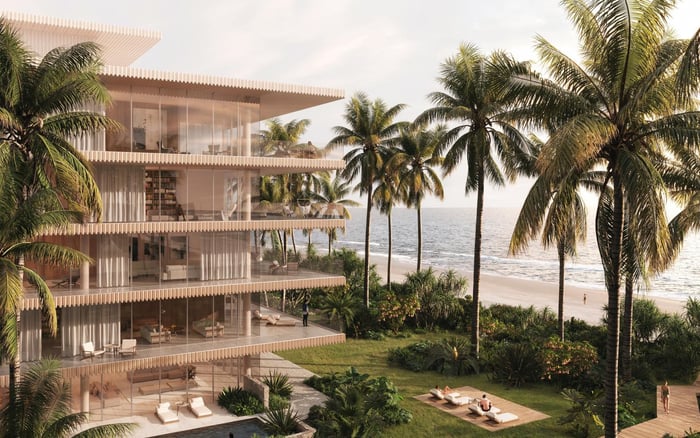
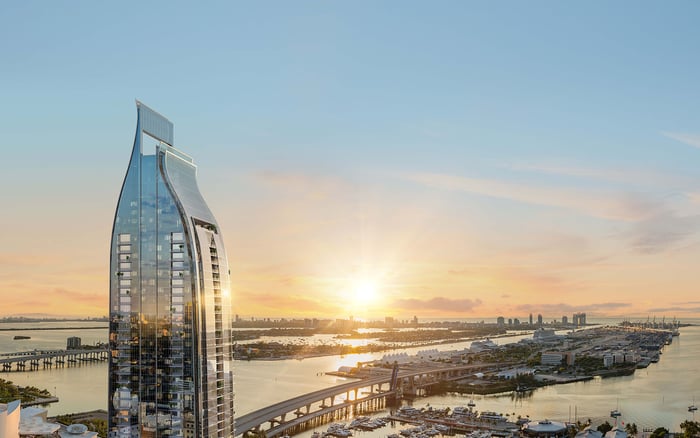
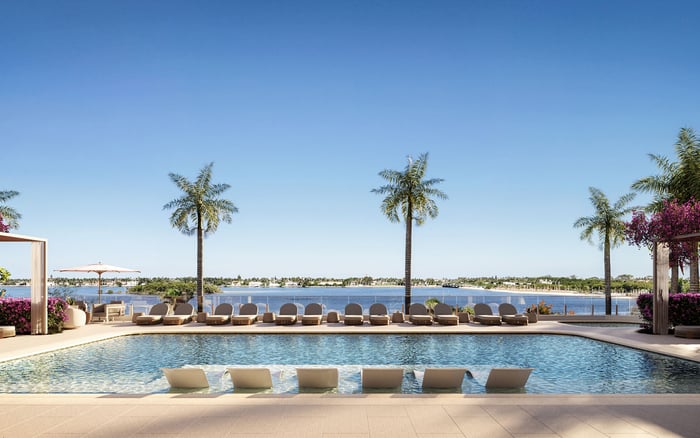
A buyer-focused comparison of Forté on Flagler West Palm Beach and Tula Residences North Bay Village through ownership flexibility, association rules, rental strategy, and daily livability.

The comparison between Forté on Flagler West Palm Beach and Tula Residences North Bay Village is not simply a choice between one skyline and another. For a serious South Florida buyer, the more revealing question is whether the building’s operating culture supports the intended use of the residence. A beautiful floor plan can become frustrating if the association rules conflict with how an owner travels, entertains, hosts family, keeps pets, leases seasonally, or plans to hold the asset over time.
That is why Forté on Flagler West Palm Beach and Tula Residences North Bay Village should be evaluated through ownership flexibility before aesthetics. Architecture, finishes, and waterfront orientation matter, but the governing documents decide the lived experience. They define rental periods, approval procedures, guest access, amenity privileges, renovation permissions, pet limits, moving rules, storage policies, parking use, and the daily rhythm of the property.
For buyers comparing West Palm Beach and North Bay Village, the right answer may be less about which market feels more glamorous and more about which building will feel effortless after closing.
Every luxury purchase has a primary use case. A full-time residence should be measured differently from a second home, a family pied-à-terre, or a residence intended to support long-term rentals. The problem is that many buyers begin with amenities and only later read the governing documents. In a high-service condominium, that order should be reversed.
If the residence will be a primary home, the buyer should focus on quiet enjoyment, elevator efficiency, lobby protocol, staff culture, package management, parking convenience, visitor procedures, and the ease of day-to-day maintenance. If the residence will be used seasonally, the more important questions involve absentee ownership, key control, approved vendors, hurricane preparation, insurance coordination, and whether family members may use the home without repeated administrative friction.
If leasing is part of the plan, the scrutiny becomes even sharper. Short-term rentals, where permitted at all, can create very different building dynamics from long-hold private ownership. Some luxury buyers welcome flexibility, while others prefer the calm of a community where most residences are owner occupied or leased on longer terms. Neither approach is inherently superior. The better fit is the one that matches the owner’s tolerance for turnover, privacy, and oversight.
In South Florida luxury real estate, association rules are often treated as a closing formality. They should be treated as a lifestyle document. They determine whether a residence functions as a private sanctuary, a flexible family base, or a more investment-oriented asset.
For Forté on Flagler West Palm Beach, the buyer’s review should ask how the building supports a West Palm Beach ownership pattern: frequent seasonal use, guests arriving from out of state, access to cultural and dining routines, and the desire for a composed residential environment. For Tula Residences North Bay Village, the buyer should ask how the building’s rules support a waterfront Miami-area lifestyle, including guests, vehicles, pets, deliveries, and any desired leasing flexibility.
The most important clauses are often practical rather than glamorous. Minimum lease terms, maximum lease frequency, tenant approval requirements, pet rules, amenity guest limits, valet procedures, contractor access, move-in deposits, renovation hours, and insurance requirements can shape the ownership experience more than a dramatic lobby or a rooftop view.
A buyer who wants maximum optionality should look for clear, administratively efficient rules. A buyer who wants privacy and stability may prefer stricter standards. Both preferences are valid, but they should be identified before contract, not after move-in.
Long-term livability is where the comparison becomes most personal. The best building is not always the one with the longest amenity list. It is the one that reduces friction. That means predictable service, sensible circulation, secure access, well-managed common areas, and a resident culture that aligns with how the owner actually lives.
For a West Palm Beach buyer, Forté may sit within a broader decision about Palm Beach access, downtown West Palm Beach routines, cultural programming, healthcare proximity, private clubs, boating days, and visiting family. The lifestyle tends to reward buyers who value refinement, measured pace, and access to established social and dining patterns.
For a North Bay Village buyer, Tula Residences belongs in a Miami waterfront conversation. The appeal is often tied to centrality between Miami Beach and the mainland, water views where available, and a more urban coastal cadence. A buyer may be drawn to that setting for flexibility, access, and the sense of being near several Miami submarkets without committing to the intensity of a single core district.
The distinction is not a hierarchy. It is a question of rhythm. One buyer wants the polish of a West Palm Beach life anchored by discretion and ease. Another wants a Miami-area base with water, movement, and access. The right building is the one whose rules and operations protect that rhythm.
Rental flexibility is often discussed as an investment feature, but it is also a resale feature. Even an owner who does not plan to lease today may value optionality later. Life changes. Family usage changes. Tax planning changes. Market conditions change. A building that allows an owner to adapt can have practical appeal.
Still, flexibility must be weighed against atmosphere. A building with permissive rental policies may attract a broader buyer pool, but it may also create more transient use. A building with conservative leasing rules may limit income options, but it can preserve privacy, consistency, and a more residential feel.
The buyer should ask three direct questions. How often may the residence be leased? What is the minimum lease period? How burdensome is the approval process? From there, the analysis should include guest registration, deposits, background checks, amenity access for tenants, and whether lease rules have been stable over time.
For Forté and Tula, this is not a small-print issue. It is central to fit. An owner planning long-term rentals will evaluate both properties differently from an owner seeking a serene second home used only by family and close friends.
Resale is not only about appreciation. It is about the size and conviction of the next buyer pool. Association rules can expand or narrow that pool. A building with restrictive rental terms may appeal deeply to end users but less to investors. A building with flexible policies may appeal to investors and seasonal users but not to buyers seeking a more settled community.
The same logic applies to pets, parking, storage, and renovation control. A buyer with large dogs, frequent guests, multiple vehicles, art installers, household staff, or regular family visits will experience rules differently from a lock-and-leave owner. These practical details can determine whether a residence feels generous or constrained.
Before choosing Forté on Flagler West Palm Beach or Tula Residences North Bay Village, the buyer should imagine the property five years from now. Will the rules still support the owner’s life? Would the next buyer see the same advantages? Is the building positioned for ease, privacy, flexibility, or a particular balance of all three?
Choose Forté if the priority is a West Palm Beach lifestyle with an emphasis on residential composure, refined daily routines, and a setting that may appeal to buyers seeking a Palm Beach-adjacent cadence. The key diligence should focus on how the association handles seasonal occupancy, guests, service standards, leasing, and long-term maintenance expectations.
Choose Tula if the priority is a North Bay Village orientation with Miami-area access, waterfront sensibility, and a potentially more flexible urban coastal pattern. The key diligence should focus on rental rules, parking, guest flow, pet policies, building operations, and whether the association culture supports the buyer’s intended use.
The best fit is not universal. It belongs to the buyer who aligns lifestyle, governance, and exit strategy before being persuaded by finishes alone.
Is Forté on Flagler West Palm Beach automatically better for end users? Not automatically. It may suit certain end users well, but the documents and operating culture should confirm that fit.
Is Tula Residences North Bay Village better for buyers who want Miami access? It belongs in that conversation because of its North Bay Village positioning, but the building rules should drive the final decision.
Why do association rules matter so much in luxury condos? They govern how the residence can be used, leased, visited, renovated, and maintained over time.
Should a buyer prioritize rental flexibility? Only if flexibility supports the ownership plan. Some buyers value stricter rules because they can preserve a quieter residential atmosphere.
Are short-term rentals always beneficial for resale? No. They may broaden investor interest, but they can also deter buyers who want privacy and stability.
Do long-term rentals create fewer concerns? Often they can feel more stable than shorter stays, but every building’s lease policy and approval process should be reviewed.
What should second-home buyers examine first? They should review guest rules, absentee owner procedures, storm preparation, key access, and vendor permissions.
Can pet policies affect the better choice? Yes. Pet size, number, registration, elevator use, and amenity access can meaningfully affect daily livability.
What is the biggest mistake in comparing these two properties? The biggest mistake is comparing finishes before confirming whether the rules match the intended ownership use.
How should a buyer make the final decision? The final decision should balance lifestyle rhythm, association rules, rental flexibility, service expectations, and long-term resale fit.
For a confidential assessment and a building-by-building shortlist, connect with MILLION.
If branded residences are on your mind — as a home or as an allocation — we would be glad to share what we are seeing, privately.
Begin a quiet conversation