A discreet buyer’s guide to choosing between Bal Harbour and Sunny Isles oceanfront living, with emphasis on price discipline, privacy, walkability, and residence fit.
Bal Harbour and Sunny Isles occupy a narrow but consequential slice of South Florida’s oceanfront imagination. Both appeal to buyers who want water, light, service, and the unmistakable clarity of living directly on the Atlantic. Yet the decision between them is rarely settled by coastline alone. It is a more exacting question of how one wants to arrive home, how visible that home should feel, how often daily life should unfold on foot, and how much architectural presence is worth the price.
For MILLION clients, the question is not which address is more luxurious in the abstract. It is which address best protects the life they are trying to build. A buyer who values a quieter, more edited residential atmosphere may read Bal Harbour very differently from a buyer drawn to Sunny Isles for its broader oceanfront tower landscape, vertical energy, and wider range of contemporary condominium choices.
In search shorthand, this is a Bal Harbour versus Sunny Isles decision shaped by oceanfront priorities, arrival sequence, service expectations, and tolerance for public energy around the home.
In both markets, price should be read through scarcity, view quality, building pedigree, interior condition, and the full experience of the residence from elevator to terrace. A lower asking price can be misleading if the unit requires significant redesign, carries compromised sightlines, or lacks the privacy a buyer assumed came with an oceanfront address. A higher price can be justified when the residence delivers a stronger combination of proportion, finish, light, and long-term desirability.
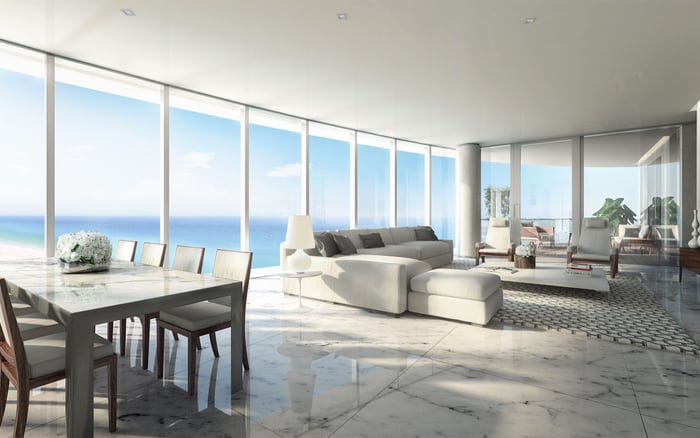
Bal Harbour often appeals to buyers less interested in abundance than in selectivity. In that context, price is not simply a comparison against neighboring towers. It reflects how tightly the address aligns with discretion, access, and the feeling of being in a small, polished enclave. Residences such as Rivage Bal Harbour tend to enter the conversation when buyers want a current-generation interpretation of that sensibility, while Oceana Bal Harbour remains a recognizable reference point for those evaluating established oceanfront living in the village.
Sunny Isles, by contrast, gives buyers a broader field to study. Its appeal is often tied to the variety of high-rise oceanfront experiences available within a compact coastal setting. That range can be useful for buyers comparing floor height, service culture, building identity, and residence scale. St. Regis® Residences Sunny Isles speaks to the branded-residence buyer, while Bentley Residences Sunny Isles represents a more design-forward, automotive-inflected point of comparison.
The practical rule is simple: do not compare price per square foot in isolation. Compare the daily experience that number buys.
Privacy in oceanfront real estate is often misunderstood. It is not only about fewer people. It is about the choreography of movement. How do residents enter? How visible is the lobby? How does staff manage guests, deliveries, beach service, and valet flow? Does the elevator sequence feel private or social? Does the terrace feel protected, or does it expose the residence to neighboring sightlines?
Bal Harbour is typically chosen by buyers who want a more restrained public profile. The appeal is not theatrical. It is controlled, measured, and quietly confident. For some, that restraint is the entire point. They want to leave the city’s performance behind and come home to a more composed environment.
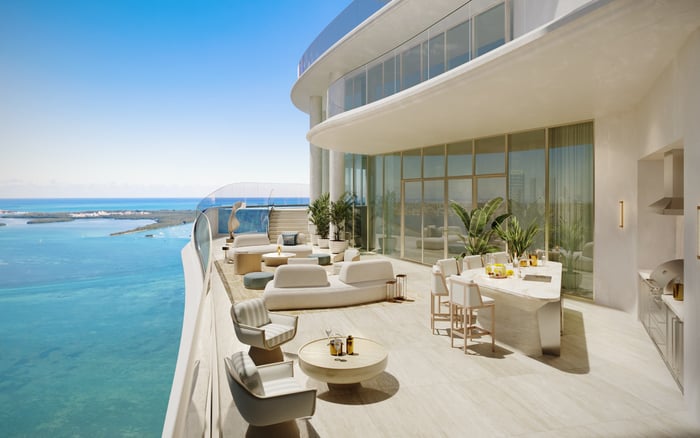
Sunny Isles can offer privacy as well, but it often arrives through building design and service execution rather than through the overall mood of the district. Tower height, private elevator access, deep terraces, carefully planned amenities, and well-managed arrivals can create a highly private residence even in a more visibly vertical setting. Buyers considering The Ritz-Carlton Residences® Sunny Isles, for example, are often comparing not just location, but the service language and residential atmosphere associated with the name.
The best privacy decision begins before the showing. Buyers should define what privacy means to them: fewer neighbors, discreet staff, limited lobby exposure, quiet beach access, protected views, or simply a home that feels emotionally removed from the pace outside.
Walkability is not a universal virtue. For some oceanfront buyers, walking to coffee, dining, wellness, and retail is central to the lifestyle. For others, the ideal residence is deliberately removed, with a car, driver, or house staff handling movement beyond the building.
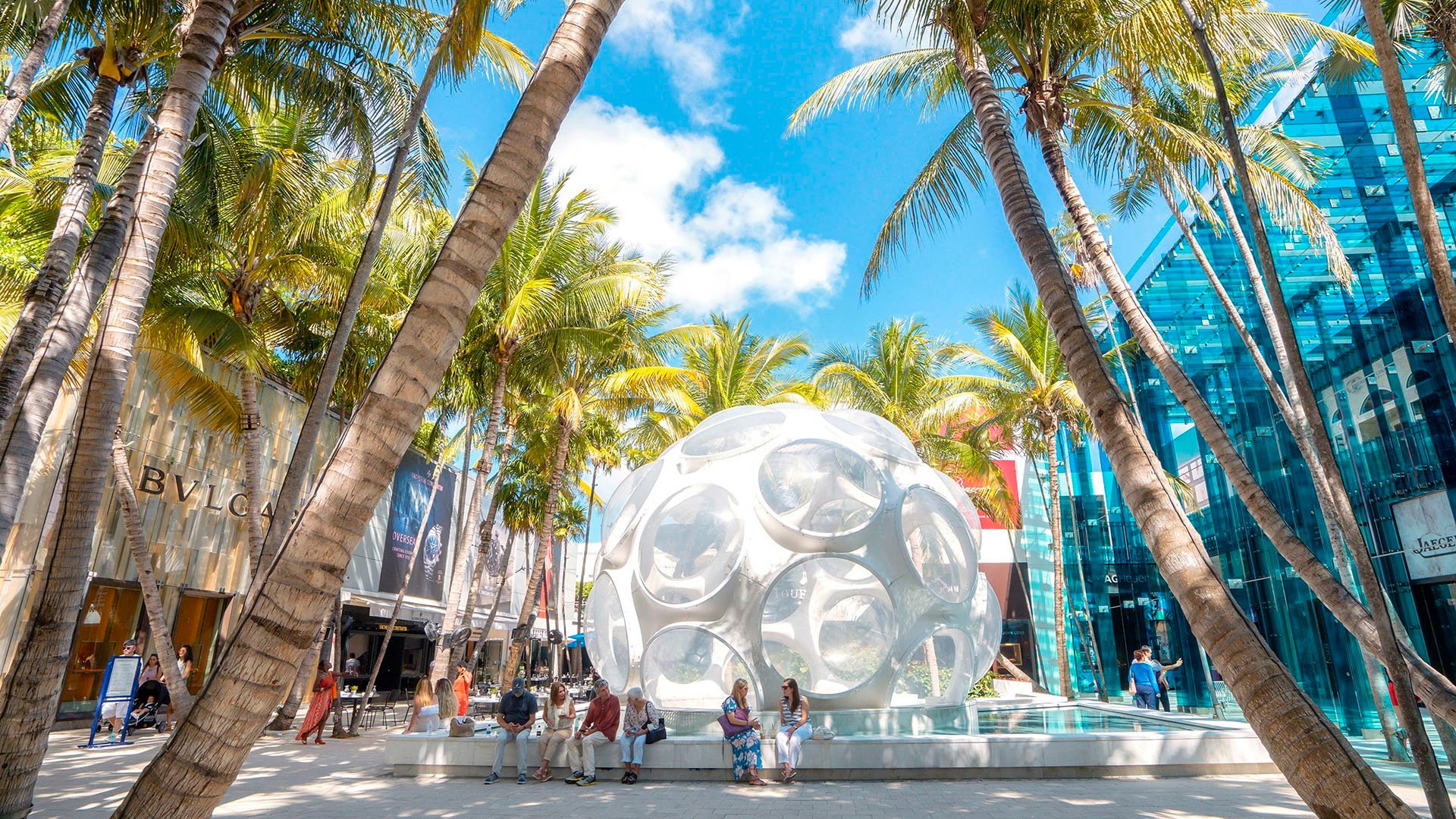
Bal Harbour’s walkability should be evaluated as a curated experience rather than an urban one. Buyers are not usually seeking the density of a city center. They are often seeking ease, elegance, and proximity to select daily rituals without sacrificing composure. The walk itself matters: shade, traffic feel, sidewalk comfort, and the transition from residence to destination all influence whether a location feels usable or merely close.
Sunny Isles offers a different rhythm. Its oceanfront corridor can suit buyers who like having more immediate neighborhood activity around them, provided they are comfortable with a livelier vertical environment. Walkability there may feel more practical and direct, depending on the building position and the buyer’s daily habits.
Beach access is its own form of walkability. For many buyers, the most important walk is not to dinner. It is the one from elevator to sand, repeated every morning with a towel, a dog, a child, or no agenda at all.
Bal Harbour is the stronger fit for a buyer who prioritizes a quieter sense of arrival, a polished residential mood, and a more selective social environment. It may also suit the buyer who wants the home to feel like a private retreat first and a market asset second. The emotional value is in calm, control, and the absence of excess noise.
Sunny Isles is the stronger fit for a buyer who wants a wider range of oceanfront condominium choices, contemporary tower architecture, and the ability to compare several high-profile residential experiences within one coastal market. It can suit the buyer who enjoys energy, views, service, and scale without insisting on the most understated address.
Neither choice is inherently superior. The stronger purchase is the one aligned with how the owner will actually live. A second-home buyer who arrives for long weekends may value immediate service and resort-style ease. A full-time resident may be more sensitive to traffic patterns, building operations, neighbor mix, and the subtle fatigue of an address that feels too public.
Before choosing between Bal Harbour and Sunny Isles, tour at least one residence in each area at the same time of day. Notice the lobby, not only the view. Listen to the terrace. Watch the valet. Stand in the primary bedroom and assess whether the building feels restful. Then walk outside and test the first five minutes of daily life.
Ask direct questions about rules, staff structure, guest access, rental culture, pet policies, service hours, and how beach use is managed. A beautiful residence can disappoint if the building’s operating culture does not match the buyer’s expectations. Conversely, a building that appears understated can outperform expectations if its service, privacy, and resident mix are exceptionally aligned.
For investors and end users alike, the most resilient choice is rarely the loudest one. It is the residence that combines an irreplaceable oceanfront position with a building experience that remains desirable through changing cycles of taste.
Is Bal Harbour better than Sunny Isles for privacy? It may suit buyers seeking a quieter residential mood, but privacy still depends on the building, floor, exposure, and service model.
Is Sunny Isles better for oceanfront condo selection? Sunny Isles generally offers a broader field of high-rise oceanfront options to compare, especially for buyers focused on contemporary condominium living.
Should price be compared by square foot alone? No. Buyers should also weigh view quality, building operations, interior condition, privacy, terrace usability, and long-term desirability.
Which market feels more discreet? Bal Harbour is often favored by buyers who want a more restrained and polished residential atmosphere.
Which market feels more energetic? Sunny Isles may appeal to buyers who enjoy a more vertical oceanfront setting with a wider range of building personalities.
Does walkability matter for ultra-luxury oceanfront buyers? Yes, but it is personal. Some buyers value nearby daily conveniences, while others prioritize a quieter retreat over pedestrian access.
How should buyers evaluate beach access? They should study the route from residence to sand, the building’s beach service, and how private that experience feels in practice.
Are branded residences important in Sunny Isles? They can be, particularly for buyers who value a recognizable service culture, design identity, and hospitality-influenced ownership experience.
Can Bal Harbour work as a full-time residence? Yes, for buyers whose daily life aligns with a calmer coastal setting and who do not require a dense urban rhythm outside the door.
What is the smartest first step before choosing? Compare specific buildings, not just neighborhoods, because the operating culture of each residence often determines long-term satisfaction.
If you'd like a private walkthrough and a curated shortlist, connect with MILLION.
If branded residences are on your mind — as a home or as an allocation — we would be glad to share what we are seeing, privately.
Begin a quiet conversation