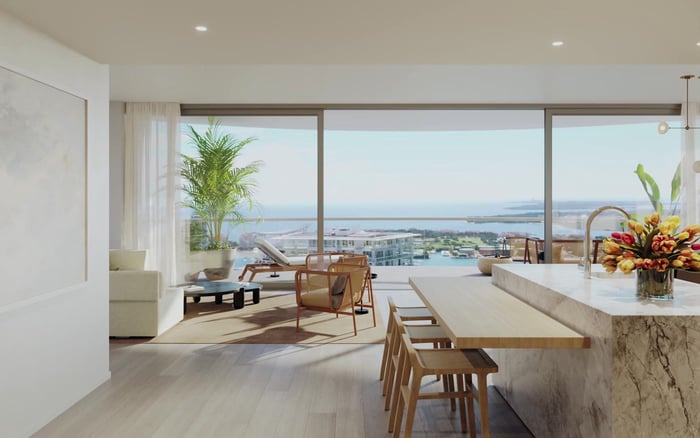
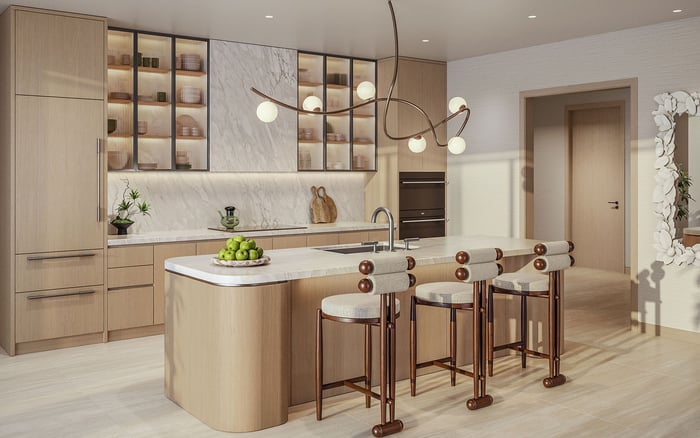
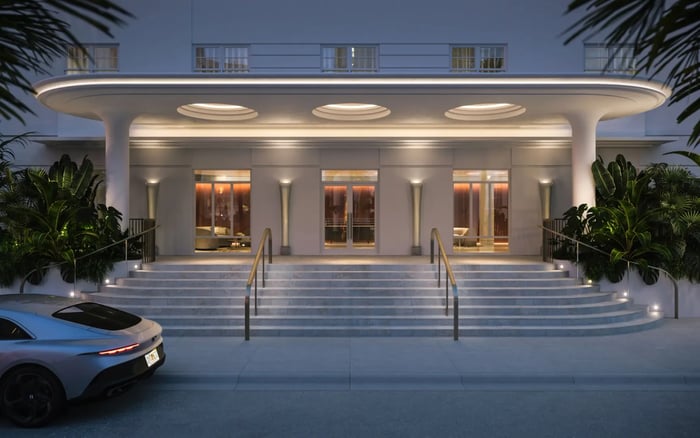
A buyer-focused comparison of Five Park Miami Beach and Delano Residences & Hotel Miami, weighing contemporary park-edge residential living against a hotel-heritage lifestyle proposition.
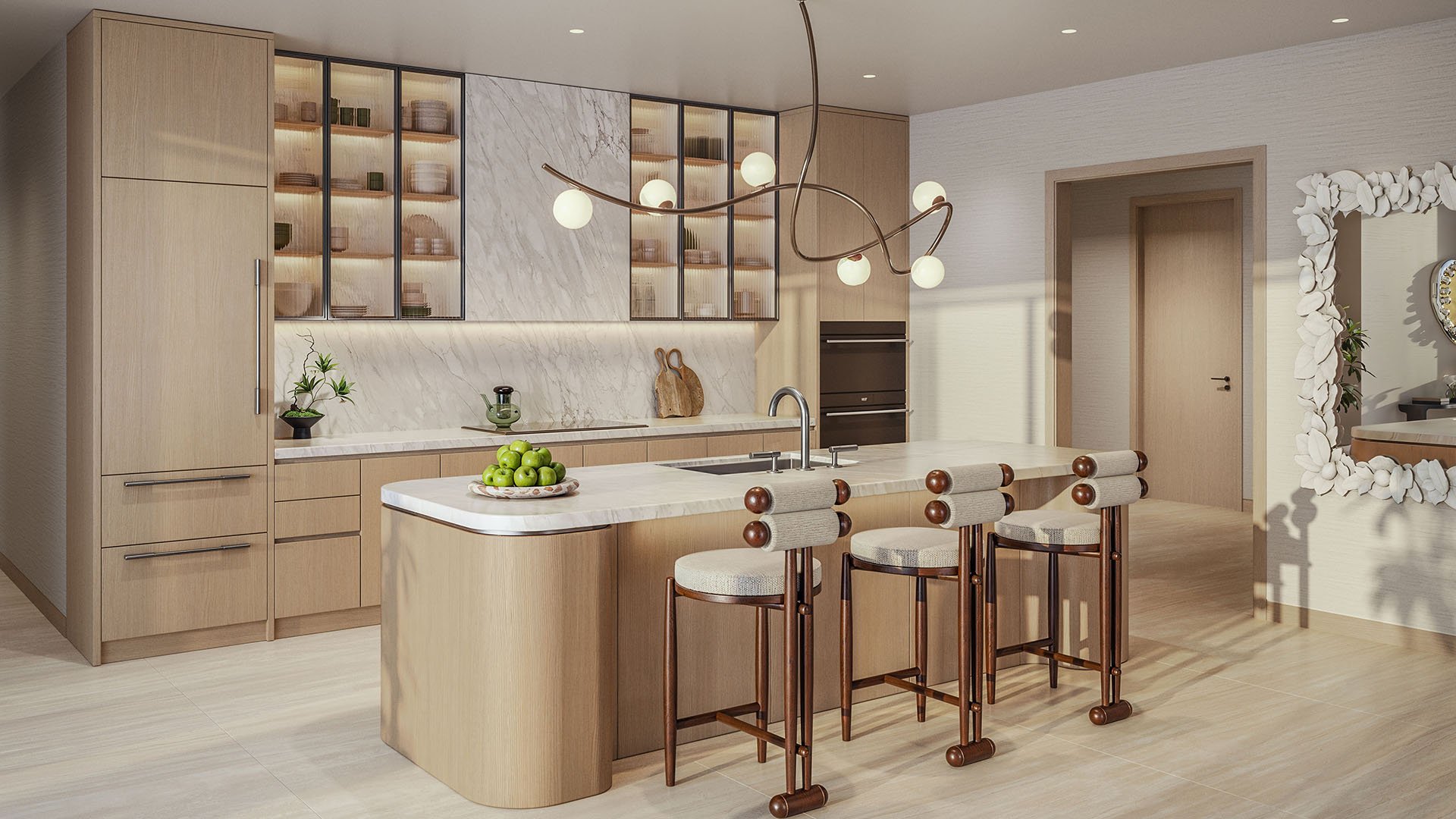
For South Florida buyers, the comparison between Five Park Miami Beach and Delano Residences & Hotel Miami is less a straightforward property match-up than a lifestyle fork. One side speaks to Miami Beach’s emerging preference for contemporary residential design, outdoor space, wellness, and daily contact with green surroundings. The other, through its name and positioning, raises a different question: whether the buyer wants the atmosphere and social memory of a restored hotel-heritage setting.
That distinction matters because the ultra-premium market is increasingly segmented by how owners intend to live, not only by skyline, water, or brand recognition. The owner who chooses Five Park Miami Beach is likely prioritizing residential continuity: a home base shaped by park adjacency, nature, outdoor movement, and a more grounded rhythm within Miami Beach. The buyer considering Delano Residences & Hotel Miami may be drawn to the romance of hospitality, the arrival sequence, and the idea of heritage translated into private ownership.
In a market crowded with amenity towers, the most sophisticated decision is not which building sounds more impressive. It is which environment will still feel intuitive on an ordinary Tuesday morning.
Five Park Miami Beach is best understood as a contemporary luxury residential property with a defined park-edge identity. Its appeal is not only the building itself, but the lifestyle created by proximity to open space. For buyers who want Miami Beach without surrendering a sense of air, movement, and curated outdoor life, that positioning is central.
The project belongs to a newer generation of Miami Beach luxury developments where wellness, community engagement, access to nature, and contemporary design sophistication are part of the residential narrative. This is not merely about amenities within the walls. It is about placing the residence beside a green and social setting that can shape daily habits: walking, gathering, resetting, and moving between private interiors and open-air surroundings.
That park-edge idea also creates a meaningful contrast with more conventional luxury tower logic, where the primary story often revolves around views, verticality, or enclosed amenity programming. At Five Park, the value proposition is more horizontal and experiential. It asks whether a buyer wants the building to connect with a broader outdoor environment rather than function as a self-contained object.
For a New Project buyer studying the Miami Beach market, that can be a decisive distinction. New-construction appeal often begins with finishes, architecture, and amenity programming, but the most enduring residential value may come from the way a home supports everyday life beyond the private threshold.
Delano Residences & Hotel Miami enters the conversation through a different emotional register. The name itself signals a dual identity, suggesting residences tied to a hotel component and a hospitality-inflected way of living. For some buyers, that can be compelling: a residence connected to arrival, service, social energy, and the theatrical qualities of a known hotel tradition.
The key is to evaluate that proposition with discipline. A hotel-heritage residence can be highly attractive to an owner who enjoys atmosphere, programming, and the convenience of a managed environment. It may feel less aligned with a buyer seeking a quieter, purely residential rhythm. The word Hotel in the name should not be treated as a decorative detail; it raises practical questions about privacy, access, operations, ownership rules, and how daily life may differ from a conventional condominium.
A Condo-hotel mindset can be useful here, even before analyzing any particular legal structure. Buyers should ask how the residence will feel during peak social moments, how private spaces are separated from public or guest-oriented areas, and whether the energy that makes a hotel magnetic also supports long-term ownership.
This is where the comparison becomes especially personal. Five Park is easier to frame around residential living and park integration. Delano, by contrast, asks buyers to decide whether heritage and hospitality are assets they want woven into the experience of home.
Miami Beach luxury has always traded on climate, light, and access. Yet the most thoughtful buyers now distinguish between scenery and usability. A view can be spectacular without changing the cadence of daily life. Park adjacency, when executed as a true residential concept, can influence how often owners go outside, meet neighbors, walk pets, host informally, or use the city without always defaulting to a car or club.
That is why Five Park’s outdoor emphasis is important. Its amenity appeal is tied to recreation, landscaping, and social spaces associated with the park-edge concept. The lifestyle is not only about retreat; it is about connection. For families, seasonal residents, and wellness-oriented owners, access to curated outdoor environments can make the property feel less like an occasional escape and more like a complete urban resort residence.
Beach-access still matters in this buyer set, particularly in Miami Beach. But proximity to sand is no longer the only outdoor luxury. Green space has become a parallel form of privilege, especially for buyers who divide time among dense global cities and want South Florida to offer a more restorative daily pattern.
Within the broader Miami Beach conversation, buyers may also compare this sensibility with coastal and design-forward alternatives such as Shore Club Private Collections Miami Beach, The Perigon Miami Beach, or Setai Residences Miami Beach. Each name carries a different mood, but the question remains consistent: is the buyer seeking beach, brand, heritage, architecture, park life, or some carefully weighted blend?
Five Park Miami Beach is likely to resonate with buyers who want a refined residential setting that feels contemporary, wellness-forward, and integrated with open space. It is especially relevant for owners who value walking, greenery, outdoor social space, and the sense that the home’s luxury extends beyond private square footage into a more fluid neighborhood experience.
It may also suit buyers who want Miami Beach but prefer a lifestyle story that is not entirely dependent on nightlife, hotel energy, or oceanfront theater. The park-edge proposition is quieter, more grounded, and potentially more durable for full-time or long-stay use.
Delano Residences & Hotel Miami is likely to attract a different psychology. The buyer may be drawn to the idea of a restored hotel-heritage environment, a more atmospheric arrival, and the possibility of hospitality culture as part of ownership. For this buyer, the residence is not only a private home. It is also a stage, a social signal, and a connection to a broader narrative.
Neither preference is inherently superior. The better choice depends on whether the owner wants everyday residential serenity or a more charged hospitality aura. In South Florida’s high-end market, restraint can be as luxurious as spectacle, and heritage can be as persuasive as modernity when it genuinely matches the buyer’s habits.
Before focusing on aesthetics, buyers should clarify use. Will the residence be a primary home, a seasonal base, a pied-a-terre, or a legacy holding? A buyer planning extended stays may favor the predictability of a contemporary residential environment. A buyer visiting in concentrated bursts may place more value on arrival, service, and social atmosphere.
For Five Park, the central due-diligence items are the details that convert the park-edge promise into ownership reality: current pricing, available inventory, floor plans, delivery status, and the exact amenity program. Those specifics should be reviewed carefully at the time of purchase, because they directly affect fit and value.
For Delano, the questions should focus on structure as much as style. Buyers should understand the relationship between residences and hotel operations, any use or rental provisions, privacy protocols, service arrangements, and how heritage restoration shapes the final residential experience. The romance of a hotel name should be matched by clear operational comfort.
The most elegant purchase is the one where the lifestyle premise and the legal, financial, and day-to-day details all point in the same direction.
Is Five Park Miami Beach a residential-first choice? Yes. Five Park Miami Beach is framed as a luxury residential property centered on contemporary design, wellness, and park-edge living.
What does park-edge living mean for buyers? It refers to a lifestyle shaped by proximity to green and open space, with outdoor movement and social connection becoming part of daily residential life.
How is Five Park different from a conventional amenity tower? Its identity is tied to park adjacency and outdoor living rather than relying only on internal amenities, views, or vertical prestige.
Who is the likely Five Park buyer? The likely buyer values wellness, access to nature, contemporary design, and a residential atmosphere that feels integrated with its surroundings.
What is the Delano lifestyle question? The key question is whether a buyer wants a residence connected to hotel-heritage atmosphere, hospitality energy, and a more social sense of arrival.
Should buyers treat a hotel component as a benefit or a complication? It can be either, depending on the owner’s priorities. Privacy, operations, access, and use rules should be understood before purchase.
Is Beach-access the only outdoor luxury in Miami Beach? No. Green space, walkability, outdoor recreation, and landscaped social environments are increasingly important parts of the luxury equation.
Is New-construction always the better choice? Not always. New-construction can offer modern design and amenities, but the best fit depends on lifestyle, location, operations, and long-term use.
Can a restored hotel-heritage residence work for full-time living? It can, if the ownership structure, privacy standards, and daily rhythm match the buyer’s expectations for home rather than only occasional stays.
What is the best way to shortlist comparable options for touring? Start with location fit, delivery status, and daily lifestyle priorities, then compare stacks and elevations to validate views and privacy.
If you'd like a private walkthrough and a curated shortlist, connect with MILLION.
If branded residences are on your mind — as a home or as an allocation — we would be glad to share what we are seeing, privately.
Begin a quiet conversation