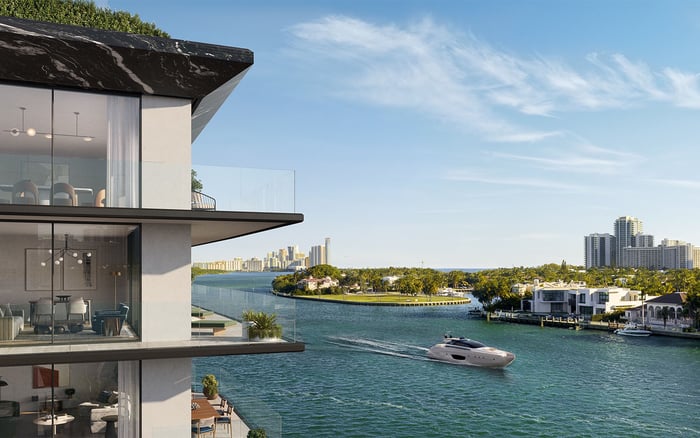
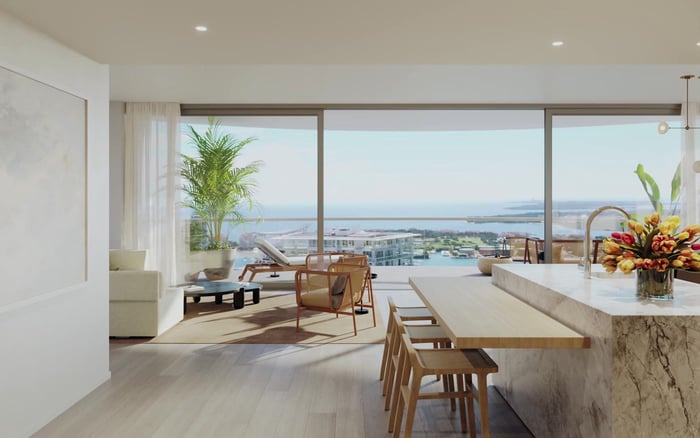
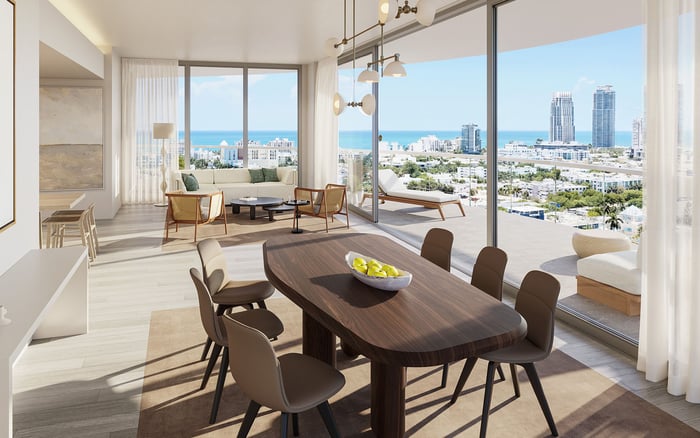
A buyer-focused guide to reviewing balcony-use rules at Five Park Miami Beach, with emphasis on privacy, service expectations, exterior standards, and long-term resale value.
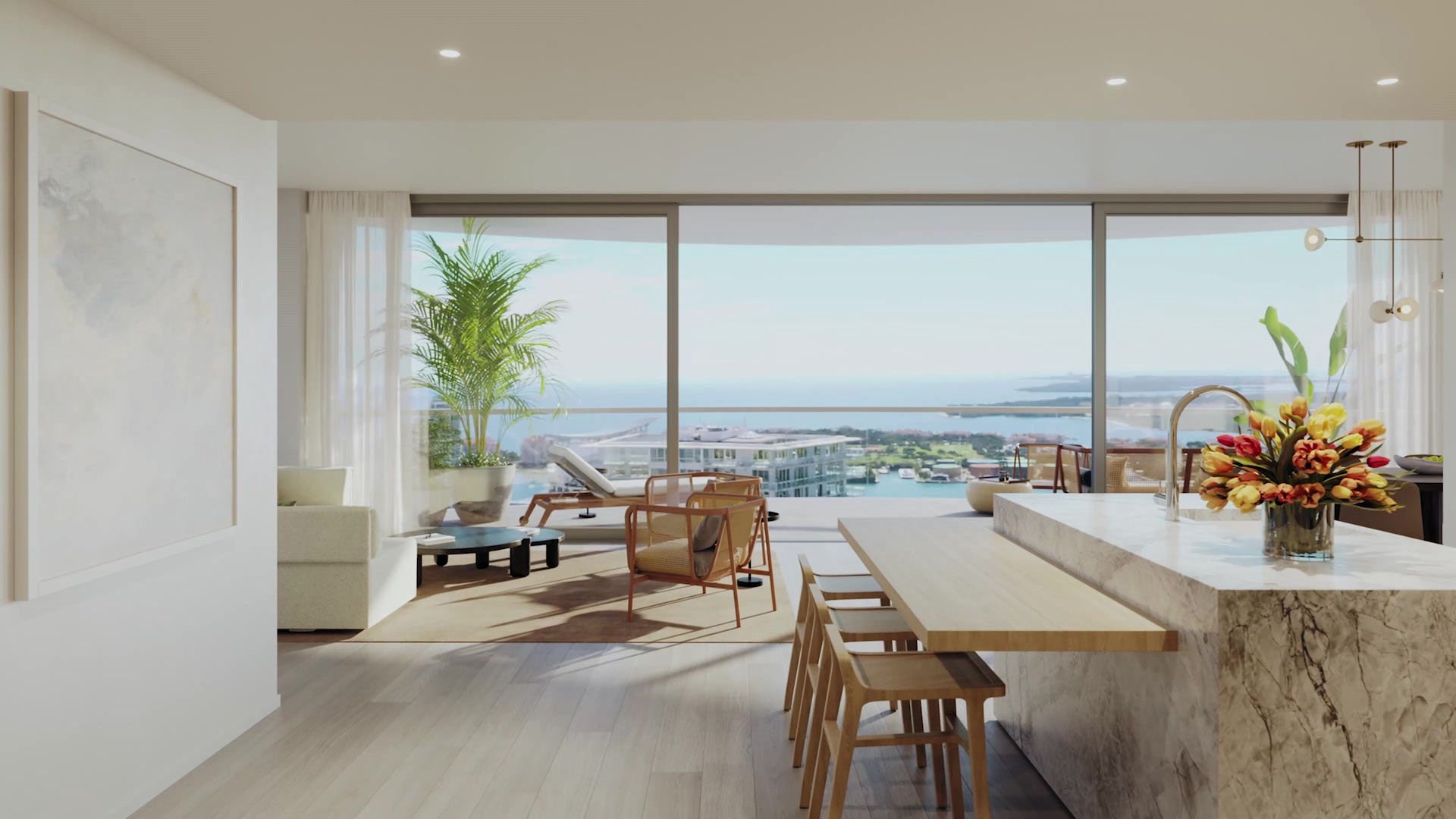
At Five Park Miami Beach, the balcony is more than an outdoor extension of the residence. For the right buyer, it is a setting for morning coffee, evening air, private conversation, and the quiet ritual of looking out over Miami Beach. Yet in the luxury condominium world, the most important details are not always visible in renderings or sales language. They often sit inside governing documents, house rules, architectural standards, and board policies.
That distinction matters. Marketing may describe an elevated outdoor lifestyle, but enforceable rights usually come from the condominium declaration, bylaws, rules and regulations, architectural guidelines, and current association policies. For a Miami Beach buyer comparing luxury condominium options, the balcony review should stand alongside floor plan, exposure, parking, service program, and monthly carrying cost.
The purpose is not to assume restrictions. The purpose is to understand where personal freedom begins and where building-wide standards protect everyone else.
Privacy is often discussed through elevators, entry sequences, and floor height. Balcony rules add another layer. A residence may feel private inside, yet feel exposed outside if neighboring balconies allow intrusive sound, visual clutter, cameras, smoke, or decorative elements that interrupt the sense of retreat.
A careful buyer should ask whether balcony policies address noise from speakers, smoking, plantings, seasonal décor, towels, storage items, lighting, pet activity, cameras, and privacy screens. The most refined buildings recognize that outdoor space is shared visually, even when it is privately assigned. One owner’s casual setup can become another owner’s permanent sightline.
This is where a rule can be protective rather than punitive. Limits on clutter, sound, and smoke may preserve quiet enjoyment. Standards for screens, planters, and furnishings may help maintain a composed exterior. The question is whether the language is specific, current, and consistently enforceable.
In ultra-premium ownership, service is part of the value proposition. Buyers should understand whether service can move naturally onto the balcony or whether the outdoor area is treated as a private zone beyond the staff experience.
The review should be practical. Can staff assist with furniture setup before a private dinner? Can housekeeping clean exterior glass doors or balcony flooring as part of a residence service protocol? Can food-and-beverage service, maintenance access, or event support extend to the balcony? Are there limits on candles, portable speakers, décor, or the number of guests allowed outside at one time?
These questions are especially important when a buyer imagines entertaining. A balcony that photographs beautifully may operate very differently if policies restrict service flow, furniture movement, evening sound, or temporary setup. Conversely, a well-managed service standard can make outdoor living feel effortless while still protecting neighbors.
The best answer is written confirmation, not assumption. A conversation may be useful, but the governing language and current written policy are what matter at closing.
Terrace ownership language can be emotionally powerful. Buyers picture openness, flexibility, and a resort-like private edge. In condominium living, however, terraces and balconies are often governed with unusual precision because they affect exterior appearance, drainage, safety, wind exposure, neighboring views, and building operations.
At Five Park Miami Beach, the appropriate posture is diligence. Buyers should avoid treating any particular use as guaranteed until the relevant condominium materials are reviewed.
Ask direct questions before relying on a lifestyle assumption. Can balconies be furnished year-round? Are grills allowed or prohibited? Is smoking addressed? Are planters permitted, and if so, what size and placement standards apply? Are privacy screens allowed? What must be removed during storm conditions? Are pets allowed on balcony areas, and are there nuisance rules tied to noise or sanitation?
A sophisticated buyer does not need a building with no rules. A sophisticated buyer needs rules that match the intended lifestyle.
Resale value is not only a function of view, finish level, and floor height. It is also shaped by how the building feels over time. Well-designed balcony rules can protect façade consistency, view corridors, quiet enjoyment, safety, and luxury-brand perception.
This matters in a market where outdoor living is central to the South Florida promise. A buyer may pay a premium for a residence because the balcony feels serene, private, and architecturally composed. If future owners are allowed to create visual noise, add improvised screens, store items outdoors, or disrupt neighbors with sound and smoke, that premium can erode.
The counterpoint is equally important. Rules that feel too restrictive can make ownership feel less personal. If policies limit furniture too aggressively, make entertaining difficult, or prevent reasonable décor, some future buyers may perceive the residence as less usable. The best condominium policies find the middle ground: enough structure to preserve the building, enough flexibility to let owners live well.
Investment review should include a balcony-use checklist before contract confidence hardens. The buyer should request the current condominium documents, house rules, architectural guidelines, balcony-specific policies, storm preparation requirements, and board-adopted rules that may not be obvious from a sales presentation.
The questions should be asked in writing. Which items are permitted on balconies? Which are prohibited? Who approves changes? What is the enforcement process? Are fines possible? Are there different rules for different balcony types? Does staff have access rights for maintenance or storm preparation? Can the association require removal of furniture or planters?
The goal is not to turn a lifestyle purchase into a legal exercise. It is to ensure that the residence being imagined is the residence that can actually be lived in, serviced, and eventually resold.
A disciplined balcony review at Five Park Miami Beach should begin with five categories: privacy, service, appearance, safety, and resale. Privacy covers noise, smoke, cameras, screens, plants, lighting, and visual clutter. Service covers whether staff can support dining, cleaning, maintenance, and event setup. Appearance covers furniture, décor, storage, and façade consistency. Safety covers wind, storms, drainage, and required removal of loose items. Resale covers whether the policy enhances long-term desirability without narrowing the buyer pool.
The strongest luxury buildings do not leave these issues vague. They turn them into a quiet operating system, one that lets owners enjoy private outdoor space while preserving the collective value of the address.
For buyers evaluating Five Park Miami Beach, the balcony conversation is ultimately a test of fit. If the rules support privacy, hospitality, architectural discipline, and daily ease, they can become an asset. If they conflict with the buyer’s intended use, they should be understood before closing, not discovered after move-in.
Should I assume Five Park Miami Beach has the same balcony rules as other luxury condominiums? No. Balcony rights should be evaluated through the current governing documents and written policies for the specific condominium.
Why do balcony rules matter in a luxury purchase? They can affect privacy, entertaining, service access, exterior appearance, and long-term resale perception.
Can marketing language define how I may use the balcony? Marketing can describe a lifestyle, but enforceable use rights usually come from declarations, bylaws, house rules, and board policies.
What privacy issues should I review? Review rules for noise, smoking, speakers, cameras, screens, plants, lighting, and items visible from neighboring residences.
Should I ask about grills before buying? Yes. Never assume grills are allowed unless the written rules clearly permit them for the relevant balcony type.
Can staff serve dinner or set up furniture on the balcony? That depends on building policy, service scope, and any limits on events, furniture movement, sound, or staff access.
Do balcony rules affect storm preparation? They often can. Buyers should ask what furniture, planters, and loose items must be removed or secured during severe weather.
Can pets use balcony areas? Buyers should review pet and nuisance policies carefully, including sanitation, noise, and any restrictions on outdoor pet activity.
Are stricter balcony rules always better for value? Not always. The ideal policy protects privacy and architecture without making ownership feel unnecessarily constrained.
What is the most important document to request? Request the full current condominium document package, including rules, architectural guidelines, and any balcony-specific policies.
If you'd like a private walkthrough and a curated shortlist, connect with MILLION.
If branded residences are on your mind — as a home or as an allocation — we would be glad to share what we are seeing, privately.
Begin a quiet conversation