A buyer-focused guide to evaluating fitness and spa amenities in Miami Beach residences for full-time living, from daily usability and privacy to wellness programming and long-term value.
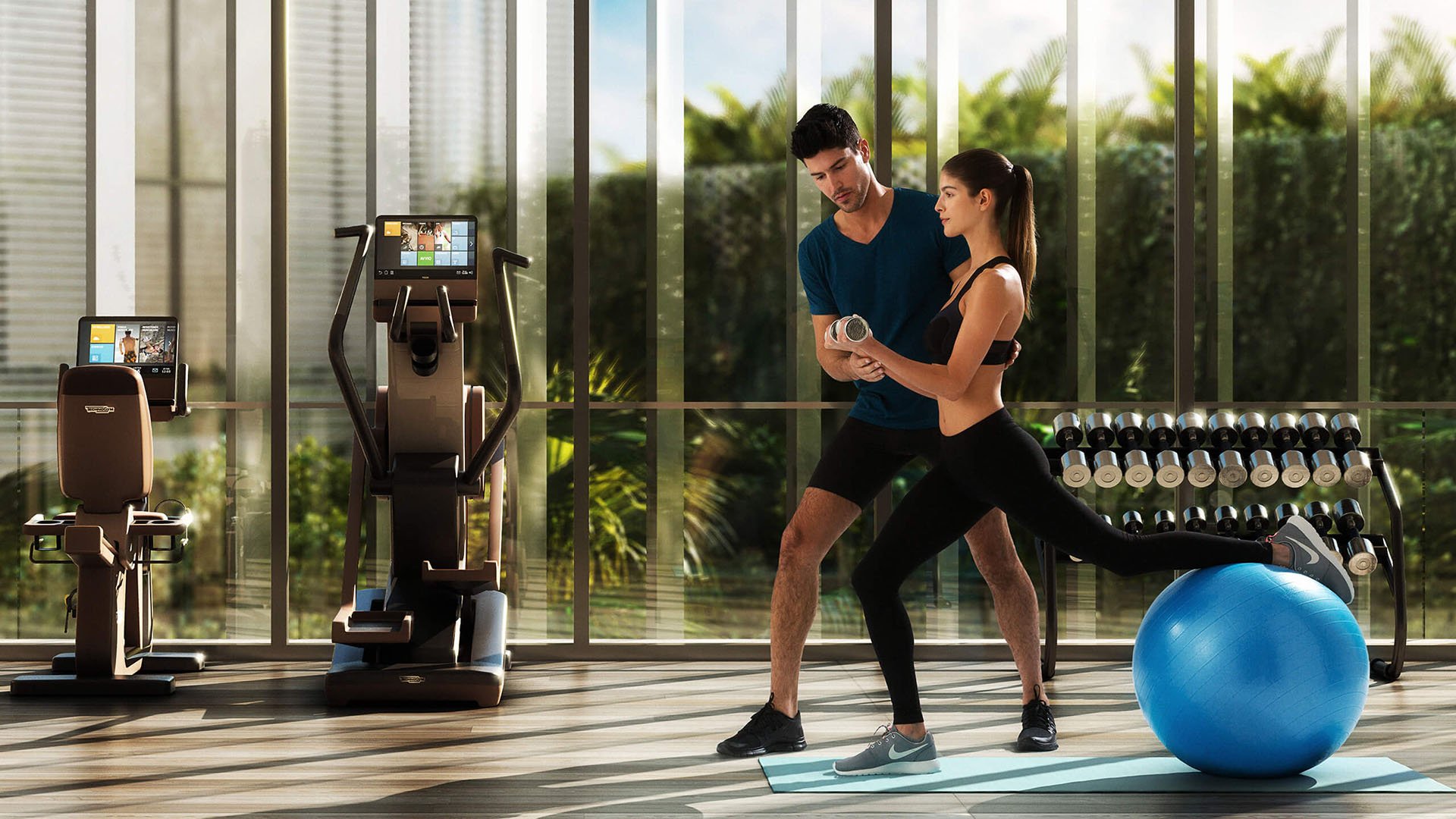
In Miami Beach, fitness and spa amenities are no longer decorative additions to a luxury residence. For the full-time buyer, they shape the rhythm of mornings, the privacy of recovery, the convenience of training, and the ease of maintaining health without leaving home. A beautiful gym photographed at sunset may be appealing, but the more important question is simpler: does the amenity suite work at 7 a.m. on a weekday, after a flight, during season, and on a quiet Sunday?
That distinction matters because full-time living is different from seasonal use. A second-home owner may value spectacle, views, and the pleasure of occasional indulgence. A primary resident needs systems. The fitness center must be practical enough for repeated use. The spa must remain calm even when the building is active. The pool environment should invite both exercise and restoration. The best amenity programs are not merely impressive. They reduce friction.
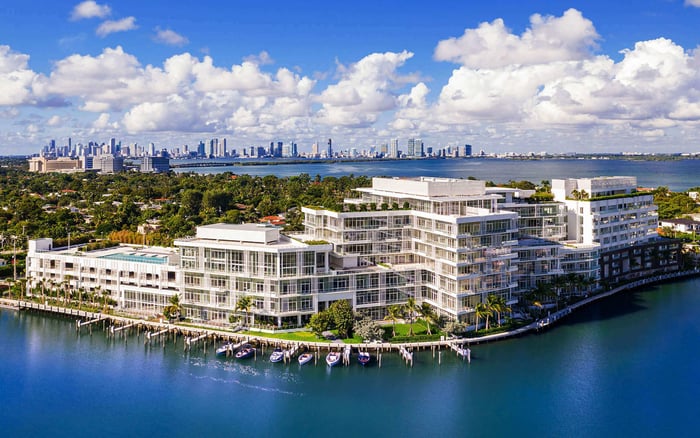
For buyers evaluating Miami Beach residences such as 57 Ocean Miami Beach, Shore Club Private Collections Miami Beach, The Perigon Miami Beach, and The Ritz-Carlton Residences® Miami Beach, the wellness conversation should move beyond a checklist. It should focus on how each space functions within the cadence of daily domestic life.
A serious residential fitness center begins with flow. Buyers should consider how residents enter, whether the space feels discreet, how equipment areas are separated, and whether strength training, stretching, cardio, and private instruction can coexist without congestion. A room can be visually striking and still feel difficult to use if equipment is too close together or the layout favors display over movement.
For full-time residents, the most valuable fitness amenity is often reliability. Does the building support early-morning and evening use? Is there enough variety for different training styles? Is there room for a trainer to work without interrupting others? Are there quieter zones for mobility, Pilates-inspired work, or recovery stretching? These details often reveal whether a building understands wellness as an everyday function.
Sound control also deserves attention. In luxury buildings, the gym should not feel like a commercial club transplanted into a residential tower. Music, weights, voices, and group sessions require acoustic planning. A well-considered space allows intensity without sacrificing residential calm.
Spa spaces are especially important in Miami Beach because the climate encourages an indoor-outdoor lifestyle that can be active, social, and sun-filled. A proper recovery suite provides the counterbalance. Steam rooms, saunas, treatment rooms, relaxation lounges, cold therapy areas, and hydrotherapy features may all be part of the broader wellness vocabulary, but the presence of a feature matters less than the quality of its execution.
Buyers should observe whether the spa sequence feels intuitive. Is there a place to transition after training? Are lockers and changing areas private enough? Does the space remain serene when multiple residents are using it? Is the lighting soft, the ventilation comfortable, and the circulation logical? A spa that feels awkward to navigate will be used less, no matter how luxurious its materials may be.
The most successful residential spas provide a sense of retreat without requiring ceremony. Full-time owners should be able to use the space briefly after a workout, quietly after travel, or as part of a longer self-care routine. That flexibility is the essence of livable luxury.
The pool is central to Miami Beach living, but for a primary resident it should be evaluated in several ways. There is the social pool, the sunning terrace, the quiet edge for reading, and, in some buildings, the possibility of lap-style exercise. Buyers should ask whether the pool deck supports both energy and privacy. A dramatic outdoor setting can lose its appeal if shade, seating, service circulation, and sound are not thoughtfully managed.
Beach proximity adds another layer. A resident may swim in the ocean, walk the sand, train outdoors, and return to the building for recovery. This is where the relationship between fitness, spa, pool, and residence becomes especially important. A seamless experience can make wellness feel natural rather than scheduled.
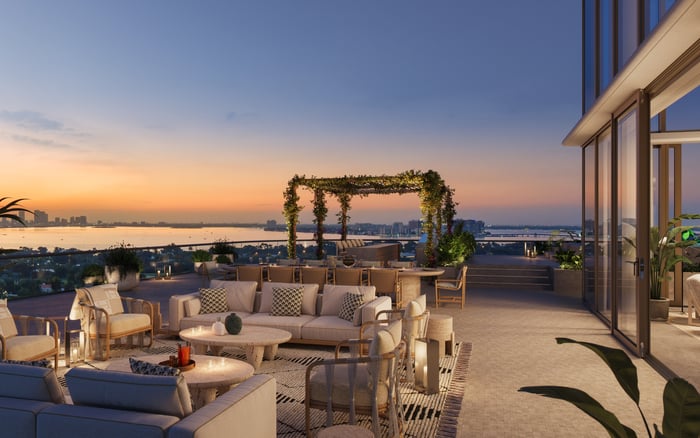
For full-time owners, the question is not whether the outdoor amenity photographs well. It is whether it supports repeated daily use across seasons, guests, family routines, and personal privacy.
In ultra-premium buildings, the difference between good amenities and excellent amenities often lies in operations. Privacy is not only architectural. It is also managerial. How many residents are likely to use the fitness center at peak times? Are spa treatments handled by outside providers, building staff, or resident-arranged professionals? Are private rooms reservable? How are guests accommodated?
Reservation culture can be either a convenience or a frustration. A building that requires excessive booking may make spontaneous use difficult. A building with no structure may create crowding or uncertainty. The ideal model depends on the scale of the residence, the number of homes, and the expectations of the ownership base.
Staff discretion also matters. Full-time residents often prefer quiet recognition rather than overt attention. The best service feels present, polished, and unobtrusive. It anticipates use patterns without turning home into a hotel lobby.
Miami Beach wellness amenities are often evaluated differently from Brickell, Coconut Grove, Sunny Isles, or Palm Beach. Brickell buyers may prioritize time efficiency, training before or after work, and indoor wellness spaces that offset a dense urban schedule. Miami Beach buyers frequently place greater weight on the relationship between interior wellness areas and outdoor living, including terraces, water, beach access, and resort-like calm.
That does not mean one market is more wellness-oriented than another. It means the best amenity fit depends on lifestyle. A buyer who spends most mornings outdoors may need a strong recovery suite more than an oversized gym. A buyer who trains daily with a coach may value private fitness rooms and flexible access. A buyer who entertains often may want pool and spa spaces that preserve residential privacy even when guests are present.
This is why in-person evaluation remains essential. The same amenity label can translate into very different experiences from one building to another.
A full-time buyer should walk through the wellness areas with ordinary life in mind. Arrive at the time you expect to use the gym. Notice whether the path from residence to amenity feels private. Consider whether the spa feels calming without assistance. Ask how equipment is maintained, how often spaces are serviced, and whether programming changes over time.
It is also useful to think about household composition. Couples may have different routines. Families may need guest policies and pool rules that feel practical. Owners who travel frequently may want recovery amenities that help reset after flights. Residents who work from home may use wellness spaces at midday, when other buildings are quiet.
The goal is to identify a building where wellness is not an occasional luxury, but part of the architecture of daily life.
What fitness amenity matters most for full-time living? The most important factor is daily usability, including layout, access, equipment variety, privacy, and maintenance.
Should I prioritize a larger gym or a better spa? It depends on your routine. Daily training may favor a stronger gym, while frequent travel or recovery needs may make the spa more valuable.
How should I evaluate a residential spa? Look for privacy, intuitive circulation, calm lighting, good ventilation, and spaces that feel easy to use without formality.
Is a pool important if the building is near the beach? Yes, because the pool offers a controlled setting for swimming, lounging, and entertaining that differs from the beach experience.
Do wellness amenities affect long-term appeal? They can support long-term appeal when they are thoughtfully designed, well maintained, and aligned with how residents actually live.
Are hotel-style wellness amenities ideal for primary residents? Not always. Full-time owners often need more privacy, consistency, and ease than a hotel-style environment provides.
What should I ask about fitness center operations? Ask about hours, guest policies, trainer access, equipment maintenance, peak usage, and whether private sessions are allowed.
How important is sound control in a gym? It is very important in a residential setting, especially where weights, music, and group activity could affect nearby spaces.
Should I tour amenities at a specific time of day? Yes. Visit when you are most likely to use them so you can judge crowding, light, service flow, and overall comfort.
What is the best wellness amenity strategy for Miami Beach buyers? Choose the building where fitness, spa, pool, privacy, and outdoor access support your normal routine, not just occasional indulgence.
If you'd like a private walkthrough and a curated shortlist, connect with MILLION.
If branded residences are on your mind — as a home or as an allocation — we would be glad to share what we are seeing, privately.
Begin a quiet conversation