For South Florida waterfront buyers, the most comfortable sunrise buildings are defined by east or southeast exposure, limited western glass, shaded outdoor space and documented energy performance.
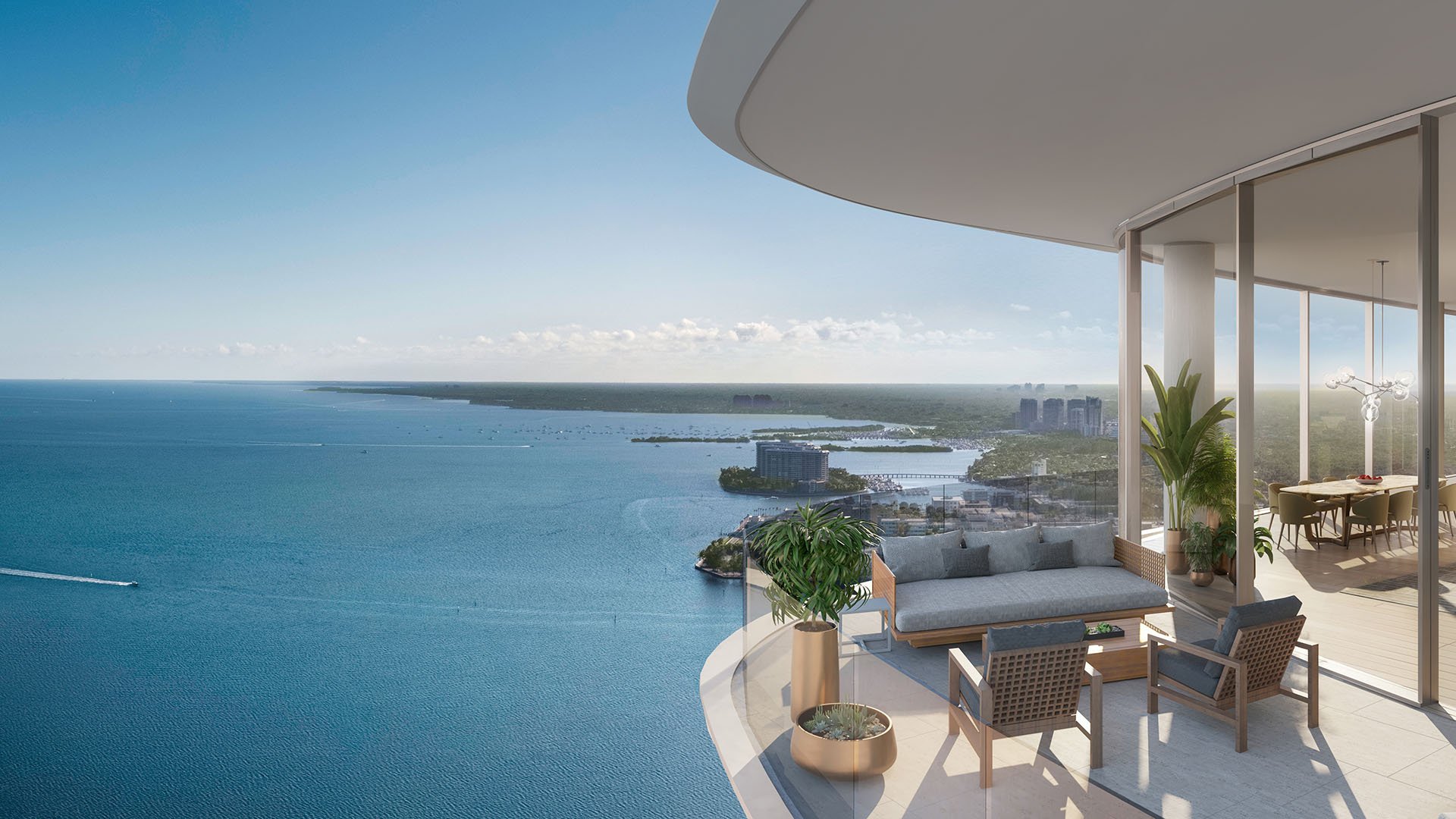
The most desirable waterfront home in South Florida is not always the one with the widest view. For daily comfort, the sharper question is this: where does the sun strike the glass, and when? Buyers seeking sunrise views with lower afternoon heat should start with east or southeast exposure. That orientation captures the ritual of morning light over water while reducing reliance on protection from the harsher western sun later in the day.
This distinction matters in waterfront buildings, where glass, openness and long view corridors define much of the appeal. A bayfront or oceanfront address may offer breezes and open exposure, but it does not automatically create a cooler residence. Unit-level orientation remains decisive. The strongest candidates combine morning-facing living areas, limited west-facing glass, shaded outdoor rooms, high-performance glazing and mechanical systems capable of handling a coastal climate without making the home feel sealed off from the view.
On Miami Beach, the Atlantic sits east of the island’s primary oceanfront corridors. That geography makes direct-ocean residences among the clearest candidates for sunrise-focused buyers. The essential distinction is stack selection. A direct-ocean home is fundamentally different from a city-facing, side-view or intracoastal-facing residence in the same building.
For buyers comparing refined oceanfront options, 57 Ocean Miami Beach belongs in the conversation because the broader Miami Beach oceanfront setting aligns naturally with a sunrise lifestyle. The practical due diligence remains unit by unit: confirm whether the primary living room, main bedroom and terrace face the water directly, then assess how much western exposure appears in secondary rooms.
The same discipline applies when reviewing The Perigon Miami Beach. A name, location or oceanfront identity is only the opening screen. Buyers should request a precise orientation map and study how the tower’s glass, terrace depth and interior layout distribute sunlight across the day. In the best cases, morning light delivers the drama, while afternoon heat remains manageable.
Brickell’s bayfront edge sits on the west side of Biscayne Bay, making east-facing bay stacks strong sunrise candidates. The most livable residences generally place the principal daily rooms toward the bay rather than the western skyline. Sunset views may photograph beautifully, but west-facing glass can bring the most intense afternoon solar gain in a hot coastal climate.
That is why buyers touring St. Regis® Residences Brickell should look beyond the brand and focus on the exact stack. An east-facing Biscayne Bay residence may offer the morning-water combination many buyers want, while a glass-heavy western orientation may demand more serious shade, glazing and cooling performance.
At Una Residences Brickell, the same principle applies. Bayfront living is most successful when the view strategy and thermal strategy are aligned. A beautiful corner plan deserves close scrutiny because corners often deliver broader water views, but they may also create more exterior wall and glass area exposed to the sun.
Edgewater and other Biscayne Bay neighborhoods can offer compelling sunrise prospects when the main exposure turns east across the water. Yet these districts also include towers with varied floor plates, oblique views and mixed exposures. A residence may be marketed around water, but still place key rooms toward heat-intensive afternoon light.
For buyers considering Aria Reserve Miami, the intelligent approach is to pair the view conversation with a heat-management conversation. Ask which rooms receive morning sun, which receive afternoon sun, and whether any major glass walls face west. Then review the building envelope, window specifications, shading conditions and HVAC efficiency before assigning a premium to the view.
This is where luxury buyers should become exacting. A water view is not a single category. A sunrise bay view, a side bay view and a western skyline view can create very different lived experiences by 4 p.m.
Orientation is the beginning, not the entire answer. Low-emissivity and solar-control glazing matter because waterfront condos often rely on large glass surfaces. Hurricane-impact glass is common in coastal South Florida, but impact resistance and heat performance are not the same thing. Buyers should confirm whether the glass also has low-E or solar-control characteristics rather than assuming all impact glass performs equally.
Terrace depth is another quiet luxury. Deep balconies, overhangs and façade shading help reduce direct sun on glass and outdoor seating areas. A terrace that remains usable beyond breakfast may be more valuable than a larger, fully exposed platform that becomes uncomfortable in the afternoon.
Energy documentation also deserves attention. Buildings with benchmarking, green-building documentation or energy-performance programs give buyers more evidence than marketing language alone. LEED-style energy criteria are relevant because they focus on reducing building energy use and improving operational performance. In a region where heat and climate resilience are ongoing concerns, these details are not secondary. They shape comfort, operating cost and long-term desirability.
Before falling in love with a view, request the stack plan and confirm true compass orientation. Prioritize east or southeast water exposure for the primary living areas. Limit west-facing glass where possible, especially in rooms used late in the day. If a western bedroom, den or media room is unavoidable, insist on stronger shade solutions and better cooling performance.
Next, evaluate the building envelope. Ask about low-E or solar-control glass, exterior shading, overhangs, balcony depth, roof and surface heat strategies, and HVAC specifications. Then walk the unit at the right time if possible. A morning showing will not reveal the full afternoon condition. The most sophisticated purchase decision combines the romance of sunrise with the realism of heat.
The best waterfront buildings for this brief are ultimately those where architecture, orientation and performance work together. They do not force buyers to choose between beauty and comfort. They let the day begin over water, then keep the home composed as the sun moves west.
Which exposure is best for sunrise views in South Florida? East and southeast exposures are usually the best starting points because they capture morning light while avoiding the strongest late-afternoon western sun.
Does every oceanfront condo in Miami Beach have sunrise views? No. Direct-ocean stacks are generally the strongest candidates, while city-facing or intracoastal-facing units may not deliver the same sunrise experience.
Are Brickell waterfront condos good for sunrise buyers? They can be, especially when the residence faces east toward Biscayne Bay rather than west toward the skyline.
Why is west-facing glass a concern? Western exposure receives intense afternoon solar gain, which can make glass-heavy rooms hotter and more dependent on cooling and shades.
Is hurricane-impact glass enough for heat control? Not necessarily. Buyers should confirm whether the impact glass also includes solar-control or low-E performance.
Do corner units stay cooler or hotter? It depends on orientation. Corners can offer wider views, but they may also expose more wall and glass area to direct sun.
What should I ask before buying a sunrise-view condo? Ask for the stack plan, compass orientation, glazing specifications, terrace depth, shading conditions and energy-performance documentation.
Are deep balconies useful for heat management? Yes. Deep balconies and overhangs can shade glass and make outdoor areas more comfortable during bright conditions.
Can a bayfront address still have poor afternoon comfort? Yes. Waterfront location helps with openness and views, but unit-level exposure determines how much afternoon heat enters the home.
What is the ideal checklist for this type of purchase? Seek east or southeast water views, limited west glass, shaded terraces, high-performance glazing, efficient HVAC and documented energy features.
If you'd like a private walkthrough and a curated shortlist, connect with MILLION.
If branded residences are on your mind — as a home or as an allocation — we would be glad to share what we are seeing, privately.
Begin a quiet conversation