A discreet buyer’s guide to comparing Fisher Island and Key Biscayne through the lens of wellness design, daylight quality, air comfort, and long-term livability in South Florida’s coastal climate.
For the ultra-premium buyer, the choice between Fisher Island and Key Biscayne is rarely decided by a single feature. It is about how a residence performs from morning to evening, from season to season, and from first impression to the most private hours of daily life. Wellness design, natural light, and humidity control are not decorative considerations. In South Florida, they are the architecture of comfort.
A successful comparison begins by moving beyond easy categories. One buyer may define wellness through privacy, quiet arrival, and a sense of enclosure. Another may prioritize outdoor sport, family rhythm, and a more relaxed coastal cadence. Both perspectives can be valid. The essential question is which environment supports the way you actually live.
In practical terms, Fisher Island and Key Biscayne should be evaluated through three lenses: how the home restores the body, how daylight behaves inside the plan, and how effectively the envelope manages moisture, heat, and salt air. Views matter, but the best residence is not merely photogenic. It is calm, resilient, and beautifully usable.
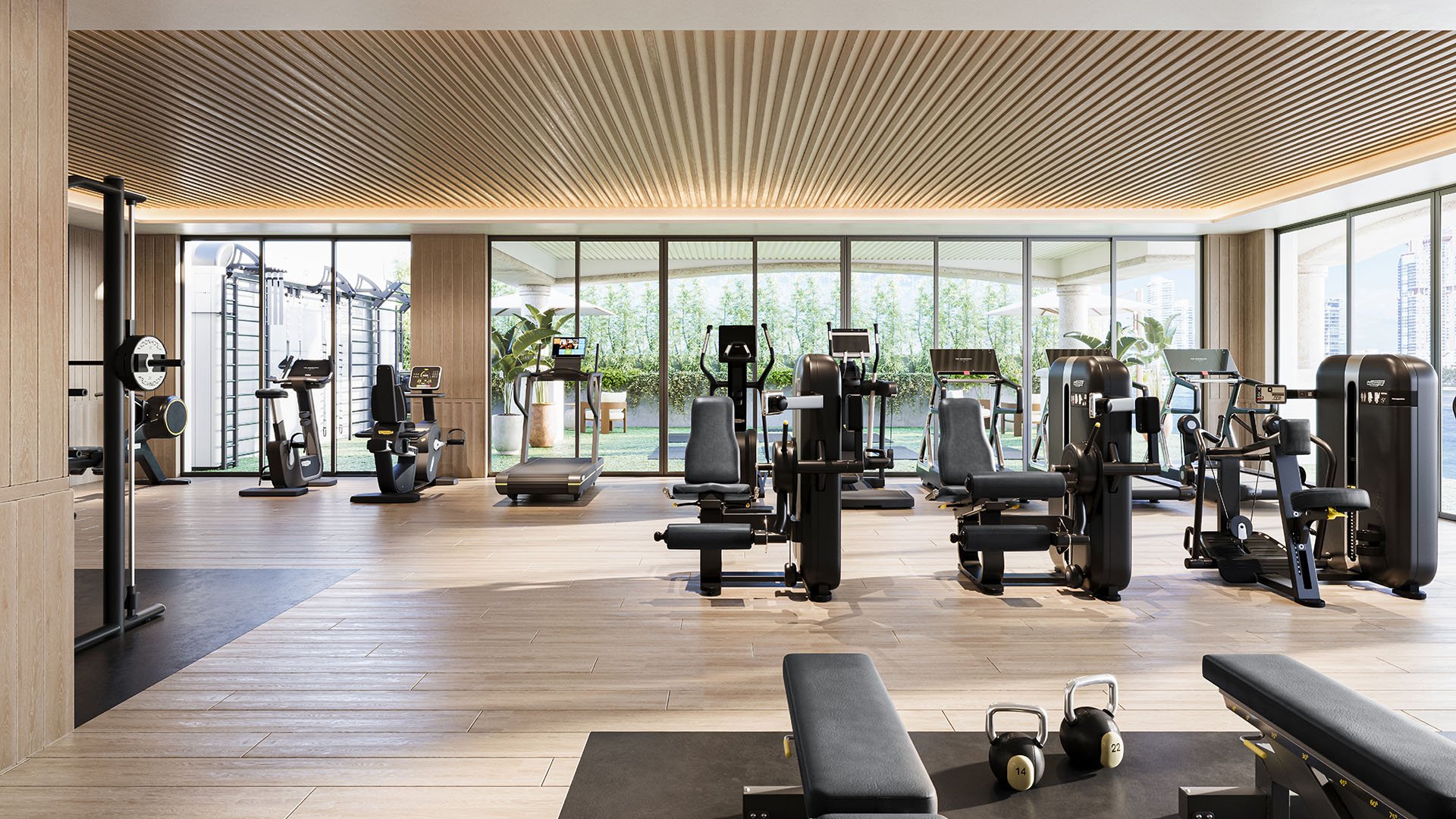
Wellness design is often mistaken for a spa, a gym, or a meditation room. Those amenities can be valuable, but the more meaningful test begins earlier. How does the approach feel? Is arrival discreet or busy? Is circulation intuitive? Can guests be entertained without compromising the private bedroom wing? Does the plan encourage a slower, quieter way of moving through the day?
On Fisher Island, buyers often prioritize a heightened sense of separation from the surrounding city. That preference can support a wellness profile built around privacy, controlled access, and a composed residential atmosphere. In that context, the strongest floor plans tend to protect the primary suite, create generous thresholds between public and private rooms, and make terraces feel like outdoor rooms rather than exposed appendages.
On Key Biscayne, wellness may express itself through proximity to fresh air, water, and daily movement. A buyer may place greater value on a home that makes morning routines, children’s schedules, and informal outdoor living feel effortless. The strongest residences here often feel less performative and more restorative, with living spaces that transition easily between interior comfort and shaded exterior use.
A gated-community setting may matter to one buyer as a security preference, while another may care more about neighborhood ease and a natural residential rhythm. The correct choice is not universal. It is personal, and it should be tested against how the household actually functions.
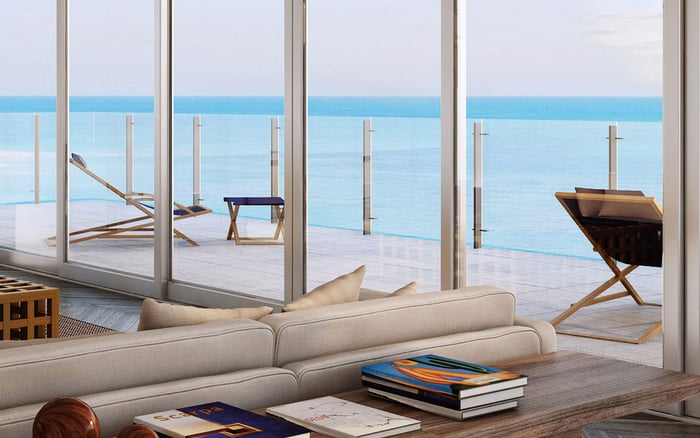
Natural light is one of the most misunderstood luxury variables in coastal real estate. A bright room can still be uncomfortable if glare is uncontrolled. A dramatic view can become difficult to live with if the sun overwhelms seating areas, art walls, or workspaces. The best homes do not simply capture light. They edit it.
When comparing Fisher Island and Key Biscayne, study the quality of light at different times of day. Morning light can feel gentle and energizing, particularly in breakfast rooms, kitchens, and primary bedrooms. Afternoon exposure can be more intense, especially where expanses of glass meet reflective water or pale exterior surfaces. A residence that looks spectacular during a showing may still require a more technical review of shading, glazing, overhangs, and interior solar management.
Buyers should ask how each principal room behaves in real conditions. Can the living room be used comfortably without lowering shades for much of the day? Does the dining room feel atmospheric at sunset or overly exposed? Are bedrooms calm in the morning, or does the sun arrive too forcefully? Does the home draw daylight into circulation areas, baths, and dressing spaces, or is the light concentrated only in showpiece rooms?
Balcony design also deserves careful attention. A balcony deep enough to shade glass and hold furniture comfortably is different from a narrow ledge intended mainly for a view. In the tropics, shaded outdoor living can be as valuable as interior square footage.
South Florida’s coastal beauty comes with a serious technical demand: humidity management. For a luxury buyer, this is not merely about keeping rooms cool. It is about protecting finishes, preserving millwork, improving sleep quality, and maintaining a stable indoor environment during long humid periods.
A high-performing residence should be evaluated by the way air is conditioned, distributed, filtered, and dehumidified. Ask whether the home feels evenly comfortable from room to room. Notice if glass surfaces, closets, storage areas, or corners feel damp or stagnant. Pay attention to whether the system can maintain comfort without excessive noise or aggressive cooling.
Humidity control is especially important for owners with art, couture, wine, books, musical instruments, or custom cabinetry. It also affects day-to-day wellness in quieter ways. A residence that feels fresh in the morning, sleeps cool without feeling clammy, and recovers quickly after doors have been opened to the terrace will often live better than one that depends on constant temperature adjustment.
Oceanfront conditions can intensify the need for resilient specifications. Salt air, wind exposure, and the desire for open-door living all place pressure on a home’s systems and materials. In this context, oceanfront is not just a romantic descriptor. It is a performance category.
For buyers drawn to Fisher Island, the wellness conversation often centers on privacy and composure. The appeal is not simply exclusivity. It is the possibility of creating a residential life with fewer interruptions, a more deliberate arrival sequence, and a sense of remove that can be deeply restorative.
In this setting, compare residences by how well they turn privacy into daily comfort. The strongest homes typically offer gracious separation between entertaining and retreat, strong acoustic discretion, and terraces that feel protected rather than exposed. Light should be abundant but not harsh. Views should feel expansive without making the interiors feel publicly visible.
Humidity review should be particularly disciplined in larger residences, where multiple zones, storage areas, and rarely used rooms may behave differently. A trophy home can still underperform if its climate systems are uneven or if certain spaces feel neglected. Buyers should treat mechanical evaluation with the same seriousness as stone selection, ceiling height, and water views.
Waterview value is most meaningful when paired with interior calm. A dazzling outlook loses some of its power if the room is too bright to enjoy, too warm in the afternoon, or too humid after terrace doors have been open.
Key Biscayne often attracts buyers who want coastal living to feel relaxed, active, and connected to the natural environment. Here, wellness may be less about separation and more about daily ease. The ideal residence supports movement between indoors and outdoors without making the home feel overexposed or difficult to maintain.
When evaluating Key Biscayne residences, focus on shaded terraces, cross-breezes where applicable, practical entry points from outdoor areas, and durable finishes that tolerate a coastal routine. Natural light should feel soft and livable, not theatrical at the expense of comfort. Rooms that open to terraces should still function beautifully when closed and conditioned.
Outdoor space deserves a more nuanced reading than size alone. Is there enough shade for lunch, reading, or children’s use? Can the terrace be enjoyed during warmer months? Are doors and thresholds detailed in a way that discourages water intrusion and supports easy maintenance? The best homes turn climate into pleasure rather than a constant negotiation.
For families or seasonal owners, Key Biscayne may also reward homes that are simple to operate. Wellness is not only sensory. It is also operational. A residence that is easy to secure, cool, clean, and reopen after an absence can be the more luxurious choice.
Before choosing between the two, tour shortlisted residences at more than one time of day if possible. Morning and late-afternoon visits can reveal very different truths about glare, heat, privacy, and terrace usability. Sit in the principal rooms rather than simply walking through them. Listen to the air systems. Open and close shades. Stand near the glass. Step onto the terrace and imagine using it for thirty minutes, not thirty seconds.
Ask focused questions about air-conditioning zones, dehumidification strategy, filtration, maintenance history, window and door performance, shade systems, and materials in moisture-sensitive areas. Review closets, laundry areas, secondary baths, and storage rooms, because these spaces often reveal how consistently a home manages humidity.
Finally, align the property with your personal wellness hierarchy. If privacy and controlled serenity sit at the top, Fisher Island may hold the stronger emotional logic. If outdoor rhythm, family ease, and a more casual coastal cadence matter most, Key Biscayne may feel more natural. In both cases, the best choice will be the residence that makes light, air, and climate feel effortless.
Is Fisher Island better for privacy-focused wellness? It may be the stronger fit for buyers who define wellness through discretion, quiet arrival, and controlled residential surroundings.
Is Key Biscayne better for outdoor-oriented living? It may suit buyers who value a relaxed coastal rhythm, easy outdoor use, and a more natural daily connection to fresh air.
What is the most important natural light question to ask? Ask whether the main rooms remain comfortable and usable during the brightest parts of the day, not merely whether they look dramatic.
Why does humidity control matter in luxury homes? It affects comfort, sleep quality, millwork, wardrobes, art, and the long-term condition of interior finishes.
Should I prioritize views or shaded terraces? The best answer is usually balance, because a spectacular view is most valuable when the adjoining space is comfortable to use.
How can I judge glare during a showing? Visit at different times, sit in the main rooms, and notice whether shades are needed to make the space comfortable.
Are large glass walls always a benefit? They can be beautiful, but their success depends on orientation, glazing quality, shading, privacy, and interior climate performance.
What rooms reveal humidity problems first? Closets, storage rooms, baths, laundry areas, and corners often reveal uneven air movement or moisture concerns.
Can wellness design affect resale appeal? Yes, homes that feel calm, bright, well ventilated, and easy to maintain often resonate with discerning coastal buyers.
What should I compare after choosing the location? Compare floor plan privacy, daylight quality, terrace usability, mechanical systems, maintenance demands, and long-term comfort.
If you'd like a private walkthrough and a curated shortlist, connect with MILLION.
If branded residences are on your mind — as a home or as an allocation — we would be glad to share what we are seeing, privately.
Begin a quiet conversation