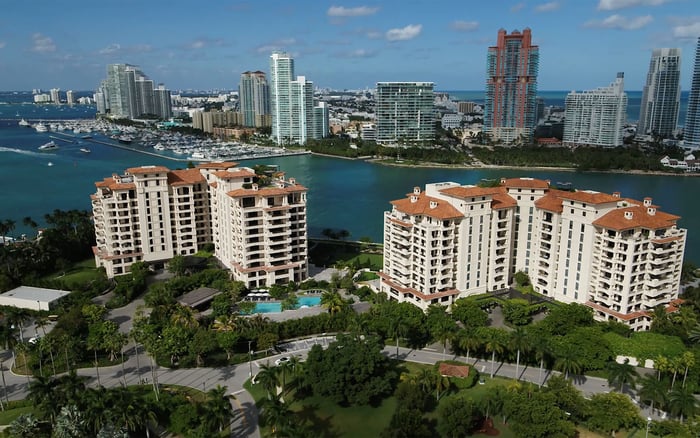
A buyer-focused comparison of Fisher Island and Key Biscayne through the lens of daily movement, privacy, service culture, household rhythm, and luxury lifestyle fit.
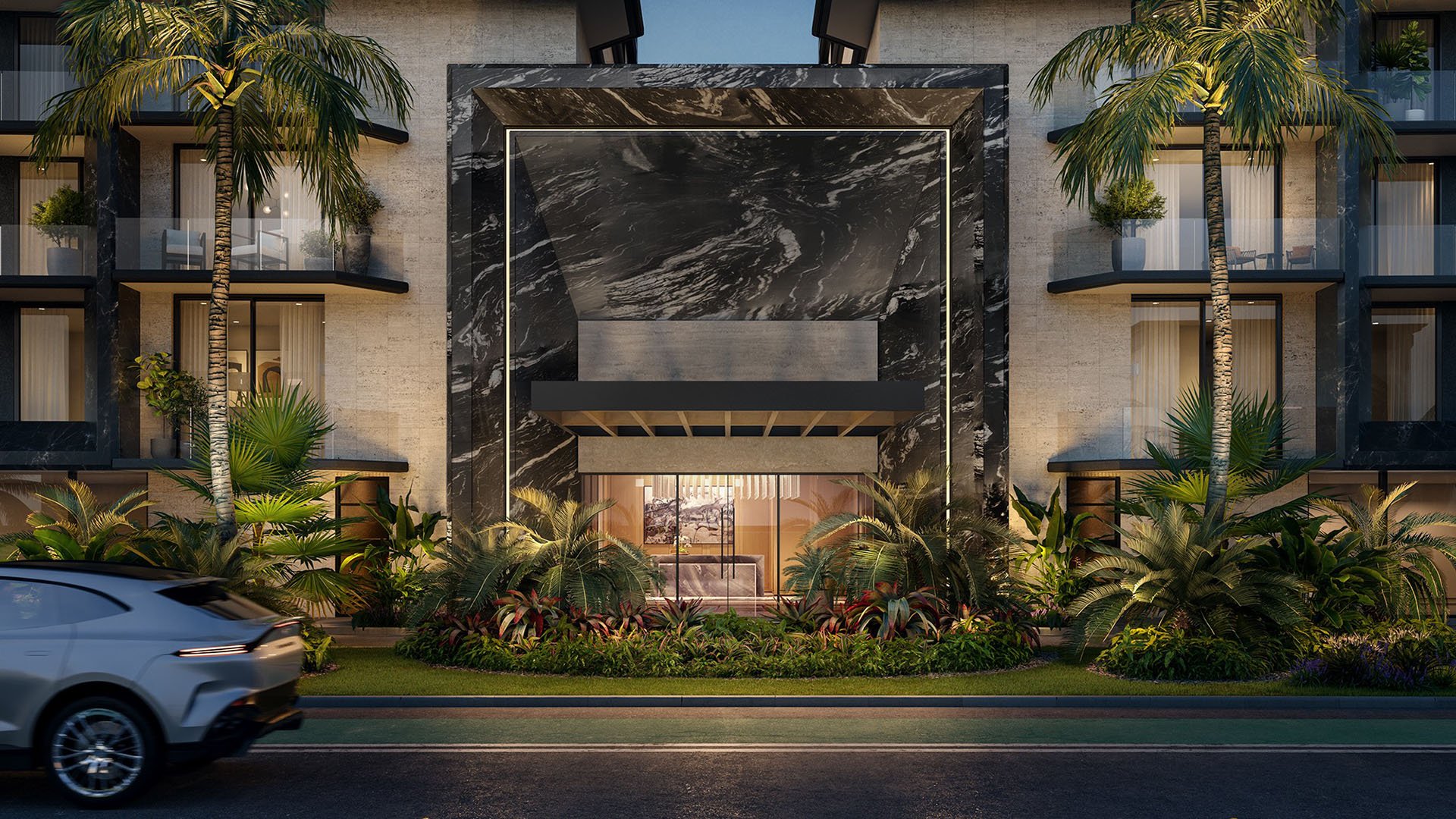
Fisher Island and Key Biscayne sit close enough in the South Florida imagination that buyers often compare them in the same breath. Yet the lived experience is fundamentally different. The distinction is not simply water, prestige, or address. It is how a household wants to move, how much service it expects to be embedded in daily life, and whether convenience should feel curated or self-directed.
For the ultra-premium buyer, walkability is rarely a single metric. It is not only whether one can leave the residence on foot. It is what walking is meant to accomplish: a quiet internal routine, frictionless access to amenities, a family habit, a wellness ritual, or a practical path to errands and social life. That answer often determines whether Fisher Island or Key Biscayne feels more natural.
Service expectations follow the same logic. Some buyers want a residential environment where assistance is discreet, immediate, and almost atmospheric. Others prefer the independence of a complete neighborhood, where the household can function with fewer layers of formality. Both are luxury positions. They simply express luxury differently.
On Fisher Island, walkability is best understood as private residential movement. The buyer is usually not seeking an urban pedestrian grid. The appeal is circulation within a protected world, where daily paths feel calm, familiar, and removed from the wider pace of Miami. Walking becomes part of the estate-like experience: measured, quiet, and closely tied to wellness, privacy, and internal amenities.
Key Biscayne, by contrast, tends to appeal to buyers who want walkability to feel more neighborhood-oriented. The rhythm is less about being enveloped by a single residential environment and more about moving through a recognizable community pattern. For families, long-term residents, and second-home owners who want a fuller sense of day-to-day autonomy, that distinction can matter as much as the residence itself.
The language buyers use often reveals the real decision. A buyer focused on Fisher Island, exclusive-area, gated-community, and oceanfront qualities may be prioritizing discretion, controlled arrival, and resort-caliber calm. A buyer focused on Key Biscayne and single-family homes may be emphasizing routine, outdoor ease, and a more self-directed domestic setting. Neither vocabulary is superior. Each points to a different emotional contract with place.
The service conversation is where the two markets become most distinct. Fisher Island is often evaluated by buyers who expect service to be embedded in the environment. They may want a home that functions with the polish of a private club, where the transition from residence to leisure, arrival to appointment, and privacy to hospitality feels seamless. The most valuable service is often the least visible: the sense that the day has already been anticipated.
That expectation shapes property selection. Buyers may place greater weight on building staff, amenity programming, valet culture, security presence, wellness access, and how gracefully guests are received. The residence is only part of the purchase. The larger proposition is an operating system for refined living.
Key Biscayne can still serve a highly sophisticated buyer, but the service model often feels more household-led. Owners may rely on their own staff, routines, preferred vendors, and family patterns rather than expecting the surrounding environment to choreograph every detail. This can be especially attractive to buyers who want privacy without feeling managed, or who want the ease of a luxury address while preserving a more personal domestic rhythm.
In practical terms, Fisher Island often suits the buyer who wants fewer decisions after arrival. Key Biscayne often suits the buyer who wants more control over how life is arranged. The former leans toward orchestration. The latter leans toward independence.
A Fisher Island buyer may be optimizing for separation, discretion, and a highly polished sense of retreat. This buyer may travel frequently, entertain selectively, and value a place where service standards are understood before they are requested. The residence is a sanctuary, but also a statement of controlled access and composure.
A Key Biscayne buyer may be optimizing for a more complete residential cadence. This buyer may want a setting that accommodates school-year routines, visiting family, outdoor habits, and a less formal relationship with the surrounding neighborhood. The home may still be significant, but the luxury lies in livability as much as insulation.
For international families, the distinction can be especially important. Fisher Island may feel closer to a private resort residence, with an emphasis on arrival experience and discretion. Key Biscayne may feel closer to a full-time community, with more room for repeated daily patterns. The correct choice depends on whether the owner wants life to be simplified by the environment or expressed through the household’s own routine.
The most productive way to compare Fisher Island and Key Biscayne is to tour them through the lens of an ordinary day. Begin with morning movement. Where does the owner walk before breakfast? How does a guest arrive? Where does a child or visiting relative naturally spend time? How many transitions require planning, and how many feel effortless?
Then examine the service layer. Who handles the details that matter most to the household? Is the buyer expecting staff to be present as part of the property environment, or does the household prefer to control its own support structure? Does the owner want amenities to be immediately available, or is the priority a broader neighborhood that supports a more independent life?
Finally, consider emotional temperature. Fisher Island often feels most compelling to buyers who want quiet prestige and a high degree of separation from the mainland pulse. Key Biscayne often feels most compelling to buyers who want luxury with a stronger sense of everyday continuity. The better choice is not the one that sounds more exclusive. It is the one that makes the owner’s daily life feel more natural.
The difference between Fisher Island and Key Biscayne is not a simple hierarchy of luxury. It is a difference in how luxury is delivered. Fisher Island tends to frame walkability as private circulation within a curated environment, supported by a service culture that prizes discretion and anticipation. Key Biscayne tends to frame walkability as neighborhood ease, supported by a lifestyle that allows owners to shape their own routines.
For some buyers, the highest luxury is never needing to explain what should happen next. For others, it is the freedom to decide what happens next without ceremony. Understanding that preference is the key to choosing well.
Is Fisher Island better for buyers who want privacy? It is often favored by buyers who place a premium on discretion, controlled rhythm, and a highly private residential atmosphere.
Is Key Biscayne better for everyday walkability? It may suit buyers who define walkability as neighborhood movement, family routines, and a more self-directed daily pattern.
Do both areas appeal to ultra-luxury buyers? Yes. The distinction is not luxury versus non-luxury, but curated service versus independent residential ease.
Which location feels more service-oriented? Fisher Island is more commonly associated with an environment where service is expected to be integrated into the lifestyle.
Which location may feel more residential? Key Biscayne may feel more aligned with buyers seeking a complete household rhythm and less formal day-to-day living.
Should second-home buyers compare both areas? Yes. The right choice depends on whether the owner wants a managed retreat or a place that functions like a familiar neighborhood.
How should families evaluate the difference? Families should focus on routine: morning movement, guest flow, household support, outdoor habits, and how independent daily life should feel.
Is walkability the same as urban convenience here? No. In this comparison, walkability is more about lifestyle design than dense urban access or traditional city errands.
Which area is better for buyers with household staff? Either can work, but Fisher Island may appeal to those who want the broader environment to complement a highly serviced home.
What is the smartest way to decide? Tour both with a full-day mindset, paying attention to arrivals, transitions, privacy, service expectations, and emotional fit.
When you're ready to tour or underwrite the options, connect with MILLION.
If branded residences are on your mind — as a home or as an allocation — we would be glad to share what we are seeing, privately.
Begin a quiet conversation