
A buyer-focused comparison of Fisher Island and Key Biscayne through the lens of daily rhythm, privacy, access, household logistics, recreation, and long-term fit for 2026 luxury purchasers.
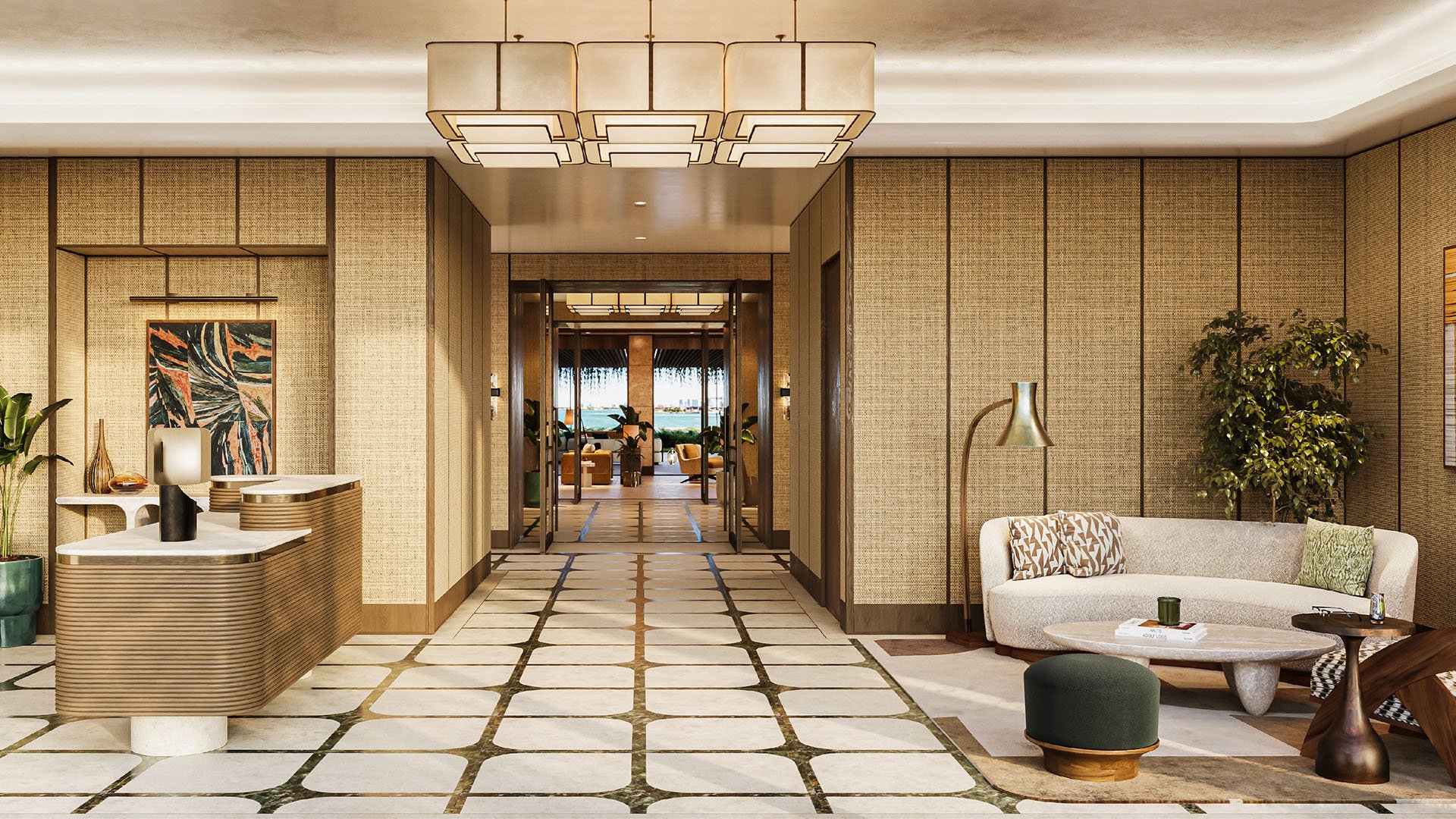
For a 2026 buyer weighing Fisher Island against Key Biscayne, the most revealing question is not which name carries more mystique. It is how each choice will feel at 7:15 on a Monday morning, at 5:40 on a Friday afternoon, and on an ordinary Wednesday when the household needs groceries, a trainer, a pediatric appointment, a dinner reservation, and a quiet hour by the water.
Luxury real estate is often presented in still images: the terrace, the arrival, the view, the formal room. Ownership, however, is lived in motion. The better island address is the one whose rhythm supports the buyer’s actual life, not the version of life imagined during a single perfect showing.
That is the discipline behind the daily-rhythm test. It asks buyers to map the week before choosing the island. Privacy, access, recreation, household staffing, school calendars, guest flow, work obligations, pets, aging parents, wellness routines, and emergency planning all belong inside the same purchase decision.
The serious decision is not a keyword exercise. It is a private audit of time, movement, and household fit within South Florida.
Fisher Island tends to enter the conversation through the language of seclusion. Buyers drawn to it often want the psychological comfort of separation: the sense that home exists apart from the pace of the mainland. In that scenario, daily life can become highly intentional. Visits are planned, arrivals feel curated, and the home functions as a controlled environment.
That can be deeply appealing for public figures, multigenerational families, executives, collectors, and owners who prize discretion above convenience. The tradeoff is that spontaneity requires close examination. A home that feels serene on Sunday may feel different when a last-minute appointment, visiting guest, or unexpected household need compresses the day.
Key Biscayne, by contrast, is often evaluated by buyers who want an island atmosphere without feeling removed from the practical cadence of Miami life. The desired rhythm may be less ceremonial and more fluid: school run, coffee, office, court time, dog walk, dinner, home. The question is whether that accessibility matches the buyer’s privacy threshold.
Neither model is superior. One protects the day by filtering it. The other may protect the day by simplifying movement. The right answer depends on which form of friction the buyer tolerates better.
A purchase tour rarely recreates a real commute. It does not include a forgotten laptop, a delayed meeting, a child’s schedule change, or the fatigue of repeating the same route for years. For buyers who expect to work in person, entertain in the urban core, or move frequently among Miami-area neighborhoods, the weekday pattern deserves more scrutiny than the sunset view.
The exercise should be practical. Leave at the time you would actually leave. Return at the time you would actually return. Bring the people who will make the trip most often, not only the person signing the contract. If the household includes children, staff, drivers, trainers, nurses, assistants, or security personnel, the residence must function for them as well.
This is where luxury becomes operational. A spectacular home that adds invisible labor to every day may become less compelling over time. A slightly less dramatic setting that allows the household to run with grace can feel more luxurious after the novelty fades.
The most successful island purchase is usually the one that anticipates ordinary life with unusual precision. Buyers should build a weekly map that includes school drop-off, medical appointments, preferred grocers, dining habits, airport needs, boat days, club commitments, religious life, private lessons, and the movement of household staff.
For some families, the ideal home is a retreat where the schedule is deliberately contained. For others, the ideal home must absorb constant movement. A residence that is perfect for two adults may be less efficient for a family with teenagers, visiting grandparents, rotating guests, or a staff structure that changes between season and summer.
Guests also reveal the fit. If friends and relatives visit often, the buyer should consider how easily they can arrive, park, depart, and participate without turning the owner into a logistics manager. If the household values privacy more than casual hosting, a more controlled pattern may be an advantage rather than a burden.
Golf, tennis, boating, beach walks, cycling, wellness, and dining all appear frequently in luxury conversations, but the real question is frequency. A buyer should ask: Which activities will I actually do three times a week, and which ones do I simply like knowing are nearby?
An oceanfront lifestyle has a different daily cadence from a club-centered lifestyle, a marina-oriented lifestyle, or a family recreation routine built around parks and after-school activities. The view matters, but repetition matters more. A terrace used every morning may be more valuable than an amenity visited twice a year.
Buyers should also separate personal rituals from guest theater. Some amenities impress visitors. Others quietly improve the owner’s health, relationships, and schedule. In 2026, the strongest luxury decisions will be less about accumulation and more about fit: fewer unused promises, more daily ease.
South Florida buyers increasingly understand that lifestyle planning must include operational planning. Without turning a home search into a fear exercise, sophisticated purchasers should examine how each island choice functions when conditions are imperfect. That includes heavy rain days, peak seasonal traffic, delayed service appointments, medical needs, travel disruptions, and the practical realities of maintaining a waterfront residence.
This is not merely a property-management question. It is a household-continuity question. Who can reach the home when needed? How does the family leave or return during an unexpected schedule change? What systems, staff, storage, and service relationships make the property feel calm rather than complicated?
The most elegant homes are often the ones where complexity has been solved before the owner notices it. In island real estate, that kind of ease is not accidental. It must be designed into the purchase.
Begin with a seven-day diary. Write down where each household member goes, how often, and at what time. Then add the non-negotiables: privacy, school proximity, wellness habits, boating, clubs, entertaining, medical access, airport use, and staff logistics. Finally, test both locations against that map.
If the buyer’s life is inward-facing, highly private, and organized around planned arrivals, Fisher Island may feel philosophically aligned. If the buyer’s life is more outward-facing, with frequent movement and a preference for easier integration into the broader city rhythm, Key Biscayne may feel more natural. The important point is not to make the decision from reputation alone.
A trophy address should not require the owner to live against type. The most enduring luxury purchase is the one where the setting reinforces the household’s natural behavior. When the rhythm is right, the home does not merely impress. It relaxes the entire week.
Is Fisher Island or Key Biscayne better for privacy? Buyers who prioritize a more controlled residential experience often study Fisher Island closely, while Key Biscayne may appeal to those balancing privacy with daily movement.
Which is better for families with school-age children? The better fit depends on school location, commute tolerance, activity schedules, and how many daily trips the household expects to make.
Should commute time influence a luxury island purchase? Yes. Repeated travel patterns can shape satisfaction more than a single dramatic view or showing-day impression.
How should buyers compare weekend lifestyles? They should rehearse a realistic weekend, including guests, dining, recreation, beach time, appointments, and return-home logistics.
Does a more private setting always mean a better investment? Not necessarily. Privacy can be valuable, but long-term fit also depends on liquidity, household use, property quality, and buyer demand.
What should second-home buyers prioritize? They should focus on arrival ease, property management, security, guest use, and how quickly the home feels relaxing after travel.
How important are amenities in this decision? Amenities matter most when they match real weekly behavior. Unused amenities rarely compensate for daily friction.
Should buyers test both locations before deciding? Yes. A realistic weekday and weekend trial can reveal whether the address supports the buyer’s actual rhythm.
What role does staff logistics play? A great residence must work for house managers, drivers, assistants, trainers, and service providers as smoothly as it works for owners.
What is the simplest way to make the final choice? Choose the island where the household’s normal week feels calmer, more efficient, and more naturally aligned.
For a discreet conversation and a curated building-by-building shortlist, connect with MILLION.
If branded residences are on your mind — as a home or as an allocation — we would be glad to share what we are seeing, privately.
Begin a quiet conversation
.jpg&width=700&height=438&fit=cover)