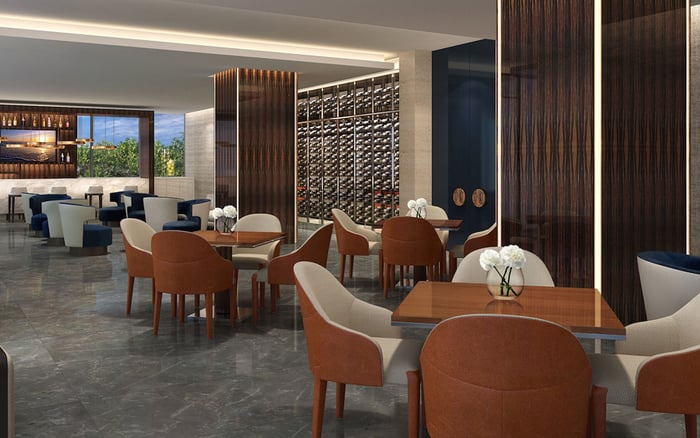
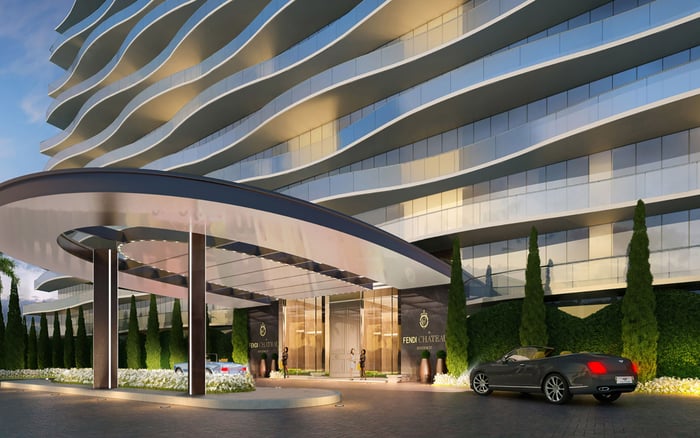
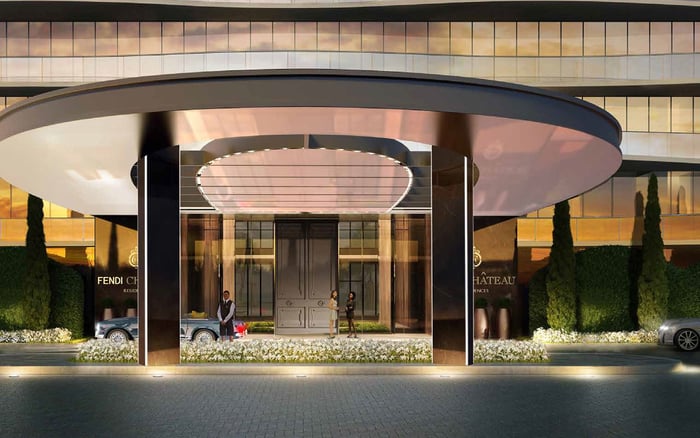
A discreet, practical comparison of Fendi Château Residences Surfside and Apogee South Beach for buyers focused on ownership flexibility, association rules, and day-to-day livability over a long hold period.
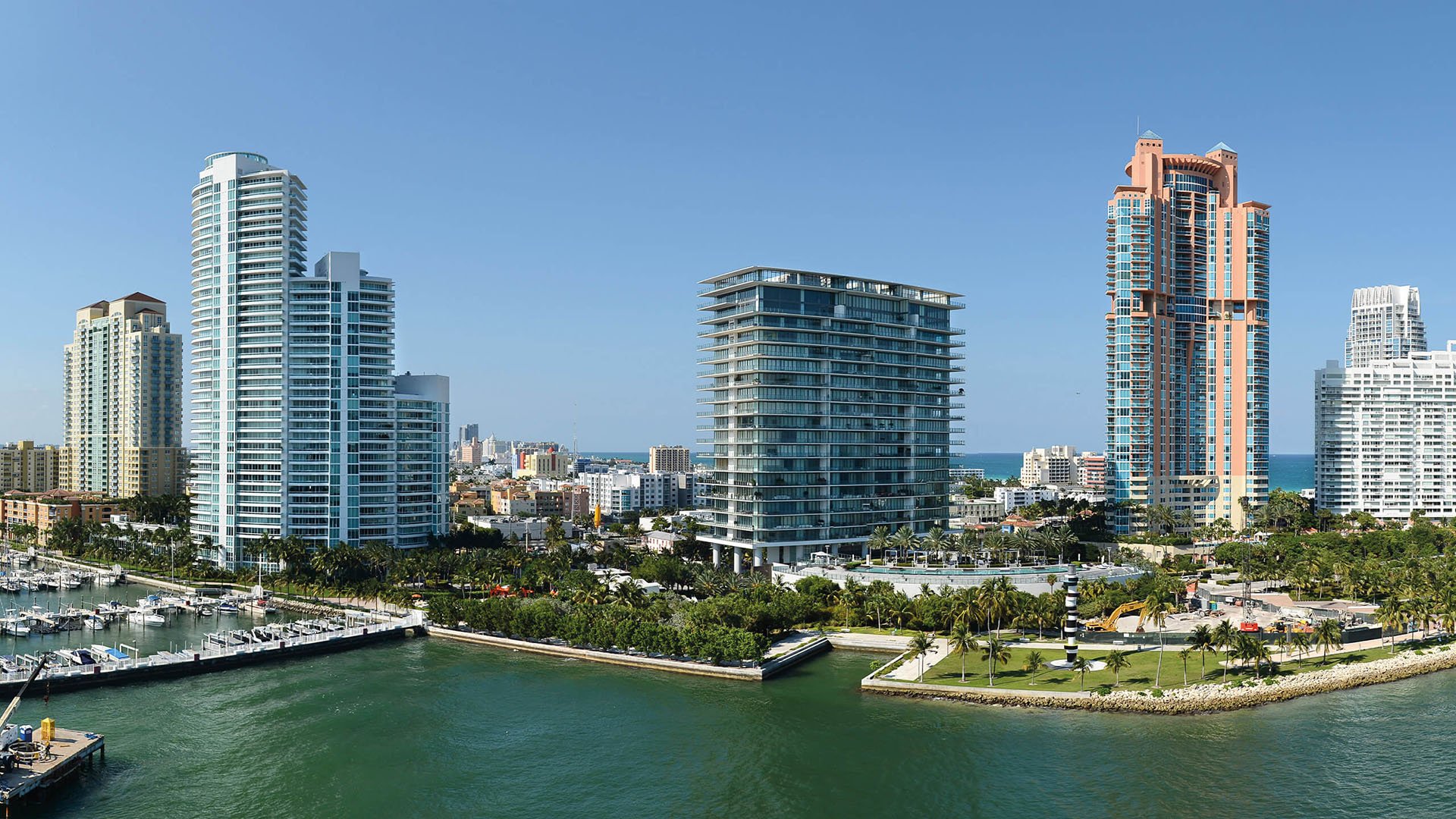
For a South Florida luxury buyer, the comparison between Fendi Château Residences Surfside and Apogee South Beach is less about choosing a winner than defining a pattern of ownership. Both sit in rarefied coastal markets, both appeal to sophisticated buyers, and neither should be reduced to a simple price-per-square-foot exercise. The more practical question is intimate: how often will you be in residence, who will use the home when you are away, how much control do you need over access and renovations, and what kind of building culture do you want around you for the next decade?
Fendi Château Residences Surfside reads as the more boutique, branded, oceanfront choice. Its appeal is tied to serenity, privacy, family use, and a softer residential atmosphere in Surfside. Apogee South Beach, by contrast, is an established ultra-luxury address in the South of Fifth market, with a more urban proposition built around walkability, prestige, architecture, and immediate lifestyle access. One feels more resort-residential and quietly protective. The other feels more city-trophy and socially connected.
That distinction matters because ownership flexibility is not only leasing. It also includes family occupancy, guest use, staff access, renovation permissions, long absences, unit management while away, and eventual resale or leasing optionality. The buyer who understands that broader definition will ask sharper questions before contract.
Fendi Château Residences Surfside is best understood as a service-heavy luxury residence rather than a hotel-style or short-stay investor product. For the buyer who wants a calmer oceanfront environment, a branded design language, and a more residential rhythm, the attraction is clear. The building is positioned for those who value predictability over churn, especially families and second-home owners who want to arrive, settle in, and feel that the property has been looked after with discretion.
The practical due-diligence conversation should be precise. A buyer should review rental restrictions, guest policies, staff credentialing, renovation approvals, and procedures for long-term unit management during absences. If parents, adult children, household staff, private chefs, drivers, or property managers will need recurring access, the building’s procedures matter as much as its finishes. A residence can be visually flawless and still feel cumbersome if everyday permissions are unclear.
Fendi Château may suit the buyer who expects a long hold and values a less transient atmosphere. The question is whether the association culture supports the way the home will actually be used. If the intended lifestyle includes extended seasonal stays, family visits, and careful oversight while abroad or out of state, the ideal answer is not maximum looseness. It is clarity, consistency, and a staff structure that understands owner-user expectations.
Apogee South Beach occupies a different mental map. It is framed as a legacy luxury building rather than a fashion-branded residential product, and its draw is the established prestige of South of Fifth. For a buyer who wants restaurants, marina-adjacent energy, beach access, and the sense of being in one of Miami Beach’s most recognizable luxury enclaves, Apogee offers a more urban kind of ease.
The ownership question is whether that convenience is more valuable than the quieter resort-style oceanfront setting associated with Surfside. Some buyers do not want to drive for dinner, arrange every outing, or feel removed from the social texture of Miami Beach. For them, South of Fifth can be a decisive advantage. Others may find the energy less aligned with a restorative second-home routine.
Apogee should not be assumed to function as a pure short-stay rental investment product. Buyers should verify association rental limits before assuming income flexibility. They should also study renovation rules, guest and staff access procedures, resale liquidity considerations, and how the building handles part-time owners. Established prestige can be deeply valuable, but it does not replace document-level review.
In ultra-luxury condominiums, the building’s legal and cultural framework often becomes the hidden architecture of ownership. The lobby, amenities, and views are visible on a tour. The more consequential details may sit in house rules, board approval procedures, budgets, reserves, insurance information, and meeting minutes.
For Fendi Château, the key is whether the association environment reinforces privacy without becoming impractical. Can trusted representatives enter when the owner is away? Are family members handled smoothly? Are renovations reviewed with reasonable predictability? Are long absences accommodated through clear management protocols?
For Apogee, the key is whether an established South of Fifth building delivers the right balance of prestige and adaptability. Can a buyer modernize a residence within the building’s process? Are guest and staff procedures efficient enough for frequent use? Are leasing rules compatible with the owner’s long-range plan, even if rental income is not the main motivation?
A practical buyer should request the latest condominium documents, current budget, reserve information, insurance details, house rules, board approval procedures, and recent meeting minutes before contract. The goal is not to find a rule-free building. In this tier, disciplined rules often protect the asset. The goal is to know whether those rules support your life.
The first showing often rewards drama: the arrival, the view, the terrace, the light. Long-term livability rewards frictionless repetition. How does the residence feel after an overnight flight? How quickly can staff prepare the home? How easily can family visit? How predictable is the building when work needs to be done? How comfortable will you be with the building culture five years from now?
Fendi Château points toward the buyer who wants a softer, more private pattern of use, with branded oceanfront living and a residential atmosphere in Surfside. Apogee points toward the buyer who wants the established prestige and convenience of South of Fifth living, with the social and architectural identity of South Beach close at hand. Both can be compelling. They simply answer different emotional and practical briefs.
For an owner-user, the better building is the one that requires fewer compromises in daily life. For a second-home buyer, the better building is the one that functions reliably when you are absent. For a family, the better building is the one where guest access, staff coordination, and association expectations are understood before closing. For a future seller, the better building is the one whose culture and rules remain attractive to the next discerning buyer.
Choose Fendi Château if your priority is a quieter branded oceanfront setting, a more serene residential atmosphere, and a sense of privacy that supports family use and extended absences. It is the more intuitive fit for buyers who want their condominium to feel like a controlled retreat rather than a highly urban platform.
Choose Apogee if your priority is South of Fifth prestige, walkability, and the confidence of an established ultra-luxury address. It is the more intuitive fit for buyers who want to be close to the energy of Miami Beach while still owning within a serious residential building.
In both cases, purchase price is only one part of the analysis. The sharper lens is ownership control. What can you do, who can use the home, how efficiently can people access it, what can be renovated, how does the association respond, and what optionality remains if your life changes?
Is Fendi Château Residences Surfside more private than Apogee South Beach? It is framed as the quieter, more boutique oceanfront option, with an emphasis on serenity, privacy, and family use.
Is Apogee South Beach better for walkability? Apogee is positioned around South of Fifth convenience, prestige, architecture, and lifestyle access, making walkability central to its appeal.
Should either building be treated as a short-term rental investment? Neither should be assumed to operate as a pure short-stay rental product, and leasing rules should be verified through current association documents.
What documents should a buyer review before contract? Buyers should review condominium documents, budget, reserves, insurance details, house rules, board procedures, and recent meeting minutes.
What does ownership flexibility mean in this comparison? It includes leasing, guest use, family occupancy, staff access, renovation freedom, long absences, and future resale or leasing options.
Which building is better for a second-home owner? The better fit depends on whether the owner prefers quieter Surfside oceanfront living or the urban convenience of South of Fifth.
Why are staff access rules important? Part-time owners often rely on managers, housekeepers, chefs, or family assistants, so credentialing and access procedures can shape daily ease.
Does branded design make Fendi Château the better choice? Branded design may be meaningful for some buyers, but the better choice depends on use pattern, building culture, and association rules.
Does Apogee’s legacy status guarantee stronger resale? Its established prestige is important, but resale outcomes should still be considered alongside condition, rules, market timing, and buyer demand.
What is the simplest way to decide between them? Choose the building whose rules, atmosphere, and location most closely match how you will actually live, not just how the residence shows.
For a confidential assessment and a building-by-building shortlist, connect with MILLION.
If branded residences are on your mind — as a home or as an allocation — we would be glad to share what we are seeing, privately.
Begin a quiet conversation