
A discreet, buyer-oriented guide for California families evaluating South Florida as a second base, with emphasis on ownership structure, privacy, lifestyle fit, governance and exit planning.

For families splitting time between California and Florida, a South Florida acquisition is rarely just a residence. It is a governance decision, a lifestyle hedge, a privacy exercise and, often, a test of how well a family office can translate investment discipline into domestic life. The question is not simply where to buy. It is how the home will be used, who will control it, what liabilities it introduces and whether it supports the family’s operating rhythm.
The strongest buyers begin before the showing circuit. They define how many nights the family expects to spend in Florida, which principals need immediate access, whether adult children or guests will use the property independently and how staff, security, aircraft, cars, art, pets and domestic employees will be managed. That work turns a broad search into a precise mandate.
This buyer’s-guide lens is especially relevant because South Florida is not one uniform luxury market. Brickell, Miami Beach, Coconut Grove and Palm Beach each solve a different problem for a California-based family office. The right answer depends on governance as much as taste.
Architecture seduces quickly in South Florida, but use case should lead. A family seeking a lock-and-leave urban residence will underwrite a very different home than one considering a multi-generational compound, a wellness-oriented retreat or a discreet base for board meetings, philanthropy and seasonal entertaining.
In Brickell, a buyer may prioritize access to professional services, restaurants and a vertical lifestyle that feels efficient between flights. Residences such as Cipriani Residences Brickell and The Residences at 1428 Brickell fit into that conversation because they sit within an urban context suited to buyers who want proximity and simplicity. The diligence question is not whether the view is compelling. It is whether the building’s daily operations match the family’s standards.
For Miami Beach, the analysis shifts toward resort cadence, privacy, beach access, guest flow and the separation between public energy and private living. A property such as The Perigon Miami Beach belongs in discussions where the family wants a coastal address through a more residential lens than a hotel weekend.
Family-office buyers often approach the home through entities, trusts or other structures, but those decisions should not be postponed until contract. The ownership vehicle can influence lending, insurance, succession planning, privacy, transfer flexibility and who is authorized to make decisions under time pressure.
Before writing an offer, the advisory team should align on title, beneficial ownership, financing strategy, estate considerations, reporting needs and approval thresholds. If more than one branch of the family will use the residence, written rules matter. Calendar priority, guest permissions, expense allocation, staff supervision, renovation approvals and charitable or business use should be documented before the property becomes emotionally important.
This is where a second home can become operationally complex. The residence may look personal, but the obligations around it can resemble a small enterprise. A disciplined family office will treat the acquisition like a private asset with governance standards, not an informal amenity.
Privacy in South Florida is physical, digital, legal and social. Buyers tend to focus on obvious features such as private elevators, controlled access and guarded entries. Those matter, but they are only part of the picture. The more durable question is how information moves around the property.
Who knows the family is in residence? How are vendors screened? Can deliveries be handled without unnecessary exposure? Are guest arrivals visible from common areas? How does the association communicate with owners? If a renovation is planned, how many outside parties will need access? A highly private purchase can become public through routine operations if the process is not managed carefully.
California families accustomed to a certain level of discretion should also evaluate neighborhood culture. Some addresses are designed for visibility and social orbit. Others reward understatement. Coconut Grove, for example, often appeals to buyers seeking a softer residential rhythm while remaining connected to Miami. Four Seasons Residences Coconut Grove may enter the conversation for families who want that neighborhood context without giving up the service expectations associated with high-end residential living.
A move pattern between California and Florida should be planned with tax counsel, estate counsel and accounting advisers before the purchase. The property itself does not create a complete residency strategy. Day counts, business activity, domicile intent, school calendars, medical relationships, philanthropy, club memberships, vehicles, voter registration, domestic staffing and travel records can all become part of a broader picture.
The mistake is assuming that real estate alone tells the story. A family may buy in Florida for lifestyle reasons, spend meaningful time there and still need a careful record of how the household actually operates. The family office should maintain a coordinated file rather than rely on scattered emails and informal assumptions.
For principals with operating companies, investment entities or board responsibilities in California, the legal and tax analysis becomes even more individualized. The right home should support the plan, not substitute for one.
The South Florida map rewards specificity. Brickell offers intensity, convenience and a business-forward rhythm. Miami Beach offers ocean proximity and cultural immediacy. Coconut Grove offers greenery, privacy cues and a village-like residential cadence. Palm Beach offers formality, heritage and a quieter social code.
For a family weighing Palm Beach, the purchase may be less about Miami access and more about daily elegance, philanthropy, clubs, schools, medical relationships and generational continuity. Palm Beach Residences can be considered within that broader question of whether the family wants its Florida life to feel more civic, more coastal or more urban.
No submarket is universally superior. The correct choice is the one that reduces friction. If the family’s aircraft, offices, advisers, schools and preferred restaurants pull in different directions, even a beautiful home can become inconvenient. The best acquisition makes the household easier to operate.
For condominium buyers, the residence is only one layer of diligence. The building’s financial position, reserve planning, insurance framework, governance culture, renovation rules, leasing restrictions, pet policies, service standards and security procedures should all be reviewed with care. A spectacular floor plan can be undermined by a building that does not align with the family’s expectations.
For single-family buyers, the diligence shifts toward waterfront conditions, maintenance burden, staffing, landscape care, security, mechanical systems, generators, storm preparation and the practicalities of leaving the home unoccupied. A family that spends part of the year in California needs a Florida property that can be managed without improvisation.
The operational question is simple: if the principal is unreachable for a week, can the home still function? The answer should be designed before closing.
Luxury buyers often resist discussing resale during acquisition, but family offices should do the opposite. Exit planning clarifies what features are truly durable. Scarcity, floor height, view quality, privacy, parking, service, neighborhood depth and the ease of future transfer can all matter when the family’s needs evolve.
A Florida residence may begin as a seasonal base and later become a primary home, a generational asset or a property to be sold after a change in governance. Because the family’s structure may shift, flexibility has value. The better purchase is not always the most dramatic one. It is the one that can adapt without forcing the family into a narrow outcome.
Should a California family buy before finalizing its Florida residency plan? The purchase can proceed, but residency, tax and estate planning should be coordinated before contract deadlines become urgent.
Is Brickell a practical base for family-office buyers? Brickell can work well for buyers who value urban convenience, adviser proximity and a lock-and-leave lifestyle.
Why do some families prefer Miami Beach? Miami Beach may suit buyers seeking ocean proximity, cultural access and a more resort-oriented daily rhythm.
Where does Coconut Grove fit in the search? Coconut Grove often appeals to families who want privacy cues, greenery and a calmer residential setting within Miami.
Is Palm Beach comparable to Miami? Palm Beach serves a different lifestyle, with a more traditional social cadence and a quieter sense of arrival.
Should the home be owned personally or through an entity? That decision should be made with legal, tax and estate advisers because it can affect privacy, lending and succession.
How should a family office evaluate condominium governance? Review association documents, insurance, reserves, rules, service culture and decision-making procedures before closing.
What matters most for a part-time residence? Management reliability, security, storm protocols, staff access and clear household procedures are essential.
Can one residence serve both leisure and business needs? It can, but guest flow, privacy, parking, staffing and permitted use should be evaluated before purchase.
When should exit strategy be discussed? It should be discussed at the beginning, because resale flexibility helps protect the family’s long-term options.
For a tailored shortlist and next-step guidance, connect with MILLION.
If branded residences are on your mind — as a home or as an allocation — we would be glad to share what we are seeing, privately.
Begin a quiet conversation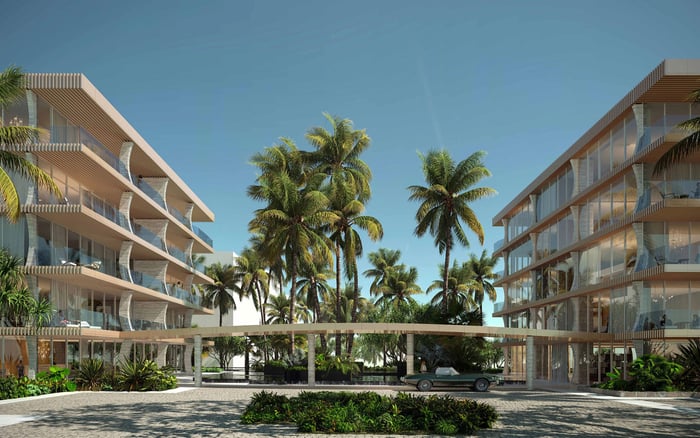
.jpg&width=700&height=438&fit=cover)