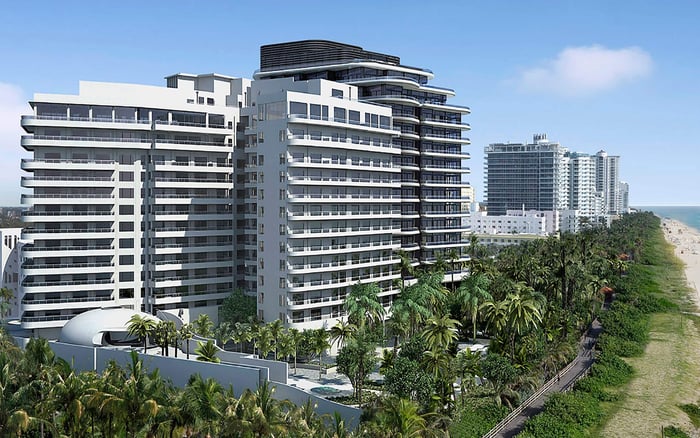
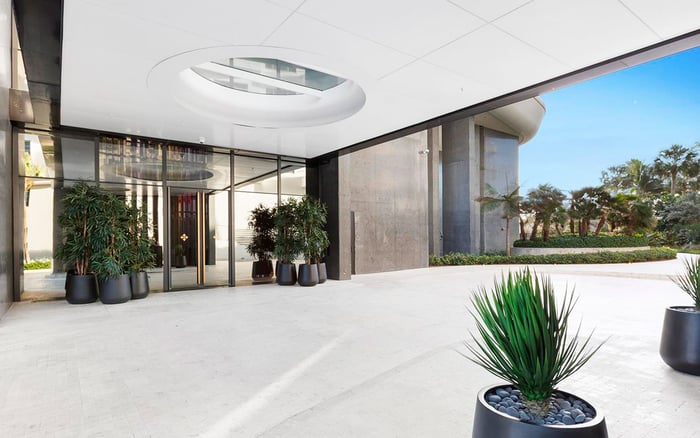
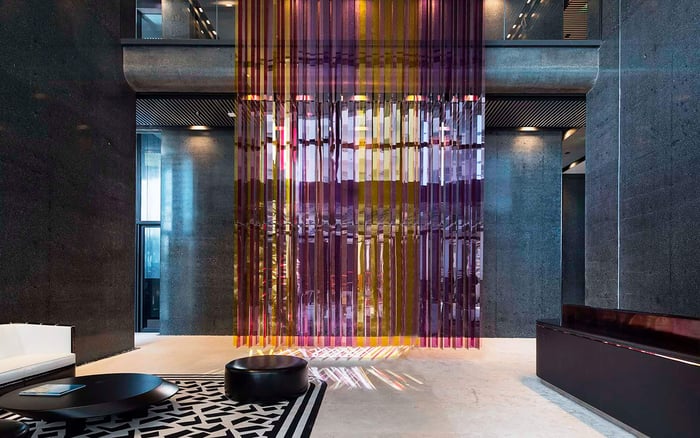
Faena House Miami Beach presents a commercial photography environment that appears notably strict, even if publicly disclosed rules remain limited. For buyers, agents, brand teams, and production professionals, the practical standard is best understood as permission-based, privacy-driven, and more restrictive once activity moves from public vantage points into the building’s private interiors and amenity spaces.
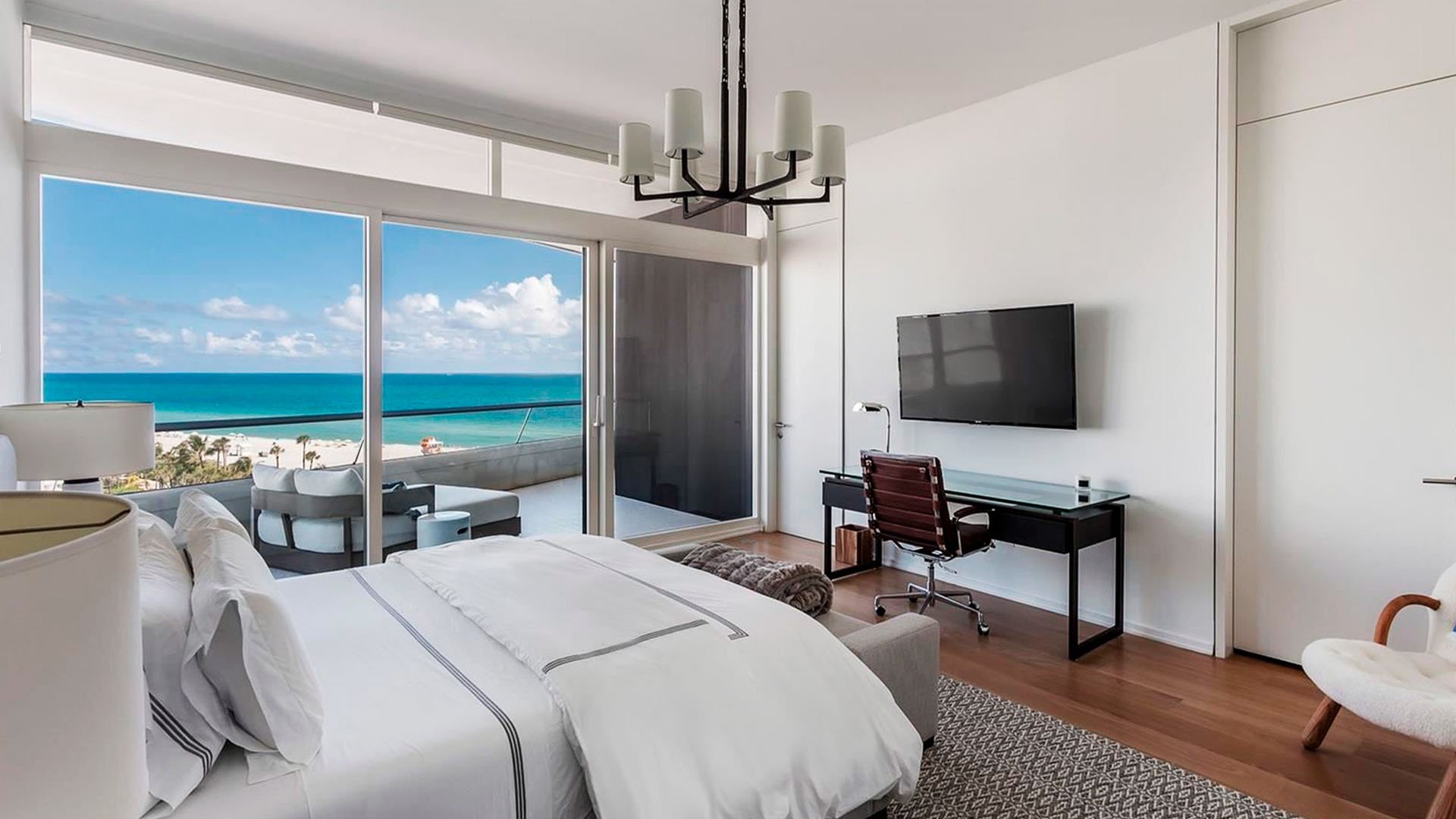
For a property as architecturally visible and brand-sensitive as Faena House Miami Beach, the most practical conclusion is also the clearest: commercial photography rules on the property are likely strict, even if a detailed public handbook is not readily available. In practice, the difference between what can be seen and what is actually permitted matters more here than it might at a less private address.
For buyers, owners, agents, brand teams, and production professionals, the working assumption should be simple: if a shoot is commercial in purpose and takes place on the property itself, advance permission is the baseline.
The key distinction is between public vantage points and private on-site areas. Photography from public streets, sidewalks, and nearby beach areas is generally more permissible than shooting on the building’s private grounds. A handheld exterior image captured from a lawful public location is very different from a managed production staged inside a lobby, arrival area, amenity space, or residence.
That distinction matters in Miami Beach, where highly visible oceanfront architecture is often photographed from surrounding public areas. But once access shifts from public space to private property, the approval standard typically becomes much tighter.
Once a shoot moves onto private on-site areas, the environment becomes more restrictive. Commercial use of lobbies, amenities, pool decks, landscaped zones, and circulation areas would likely require prior authorization. The same is true, and often more so, for interior photography inside a residence, where owner consent is typically necessary and building compliance may also apply.
The presence of gear also changes the analysis. A single camera used from a public sidewalk is one thing. A production team arriving with lighting, stands, reflectors, assistants, stylists, staging elements, or talent signals a commercial operation. In luxury residential settings, those markers often trigger a more formal approval expectation because they can affect resident privacy, staff operations, and the overall experience of the property.
In the upper tier of Miami Beach residential property, commercial imagery is not just about photography. It is also about access, discretion, and curation. Common areas are part of a private residential experience, and management is often motivated to control how those spaces are used and represented.
That makes a strict posture at Faena House Miami Beach unsurprising. Privacy is a central concern, especially where residents, guests, views, or security patterns could be exposed. Building identity matters too, since publication-ready imagery can circulate far beyond its original use.
This general dynamic is familiar across South Florida luxury property, including notable residential developments such as The Perigon Miami Beach, Shore Club Private Collections Miami Beach, and Setai Residences Miami Beach, where privacy and brand sensitivity are often part of the broader ownership culture.
The complicating factor is not whether Faena House Miami Beach is likely strict. It is that detailed public-facing rules are not clearly available in an easily reviewed format. That creates uncertainty for outside parties: the standard appears conservative in principle, but the exact procedures may be communicated privately through management channels.
From a practical standpoint, the absence of a public handbook should be read conservatively, not as permission to proceed without approval. The prudent reading is that commercial photography is governed less by open public guidance and more by case-by-case permission and internal oversight.
If standard commercial photography is sensitive, drone activity is even more so. Around South Florida residential properties, drone use can raise separate concerns tied to privacy, neighboring residences, and property-level control over on-site operations.
For Faena House Miami Beach, aerial content is one of the clearest examples of likely strict treatment. Even if broader flight rules exist elsewhere, that does not mean a luxury residential property will welcome launch, landing, or production activity from its premises. Any drone-based shoot should therefore be treated as a specialized approval issue rather than an assumed extension of ordinary exterior photography.
For an owner preparing a listing, the takeaway is straightforward: secure permission before planning interior or common-area imagery, especially if the production is staffed, styled, or editorial in nature. For agents, early coordination is the safer route than risking a same-day denial after scheduling equipment, talent, or access.
For brands and editorial teams, Faena House Miami Beach is best approached as a controlled private environment, not a casual backdrop. And for prospective buyers, this kind of strictness can be viewed in two ways: limiting for informal content creation, but also positive as a sign of discretion, resident protection, and disciplined management.
Are commercial photography rules at Faena House Miami Beach likely strict? Yes. The practical reading is that commercial shoots are likely handled through a permission-first process, especially on private property.
Can someone photograph the building from public areas nearby? Generally, yes. Public sidewalks, streets, and beach vantage points are usually more permissible than entering private on-site spaces.
Do interior real estate photos usually require approval? In most cases, yes. Interior photography typically depends on owner consent and may also need to align with building procedures.
Are common areas treated differently from exterior public viewpoints? Yes. Lobbies, amenity decks, pools, and other shared spaces are private areas and are more likely to require prior authorization.
Does a larger crew make a shoot more sensitive? Usually, yes. Lighting, stands, assistants, and talent make the commercial nature of a production more obvious and more likely to trigger approval requirements.
Is there a clearly published public handbook for commercial photography at Faena House Miami Beach? Not that is evident from the article context. That lack of public detail is best interpreted cautiously rather than as a relaxed standard.
Why are luxury residential buildings often strict about photography? Privacy, security, resident experience, and control over how the property is portrayed are all common reasons.
Are drone shoots likely more restricted than standard photography? Yes. Drone activity usually raises extra privacy and operational concerns beyond a conventional ground-based shoot.
What is the safest assumption for brands or media teams planning a shoot? Treat the property as a tightly managed private environment and seek authorization before planning on-site commercial production.
Can strict photography controls be seen as a positive by buyers? Yes. Some buyers view tighter oversight as evidence of discretion, stronger resident protections, and attentive management.
For a confidential assessment and a building-by-building shortlist, connect with MILLION Luxury.
If branded residences are on your mind — as a home or as an allocation — we would be glad to share what we are seeing, privately.
Begin a quiet conversation