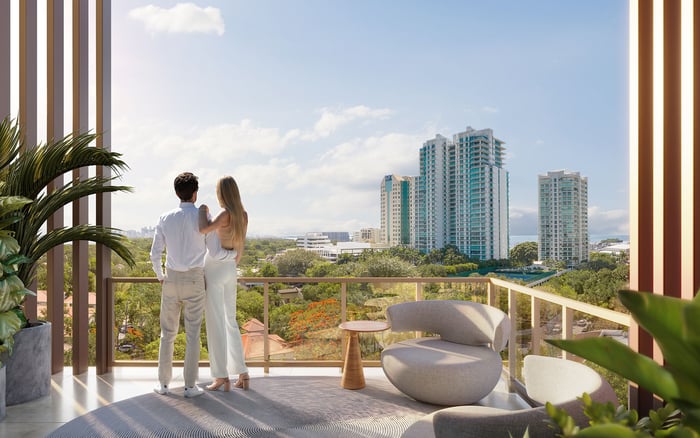
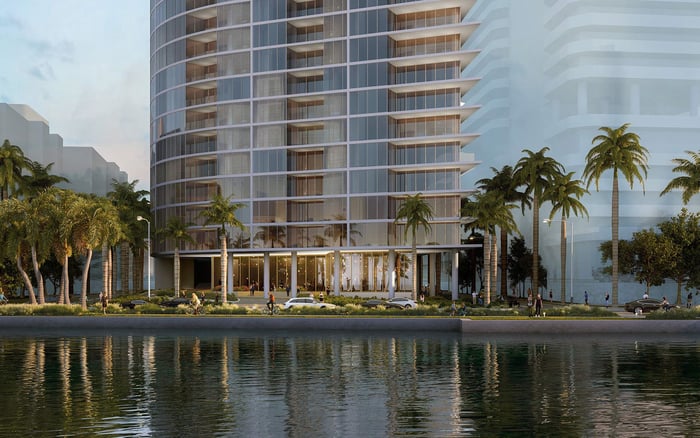
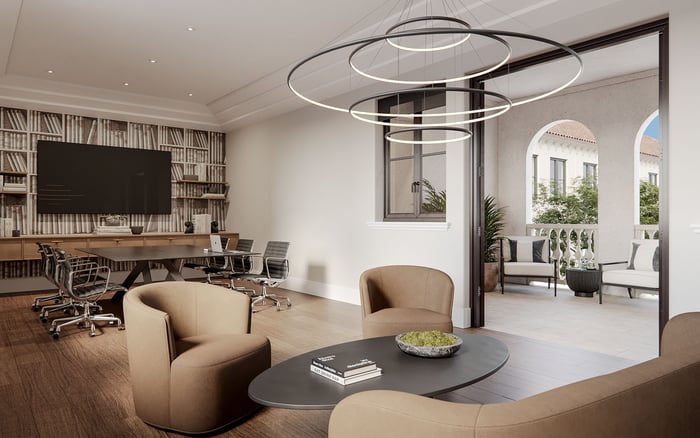
A buyer-oriented look at what resident-only spa and salon suites signal in ultra-luxury condominium living, how to evaluate privacy and operations, and how Maison D'Or South Flagler fits into the broader South Florida wellness arms race.
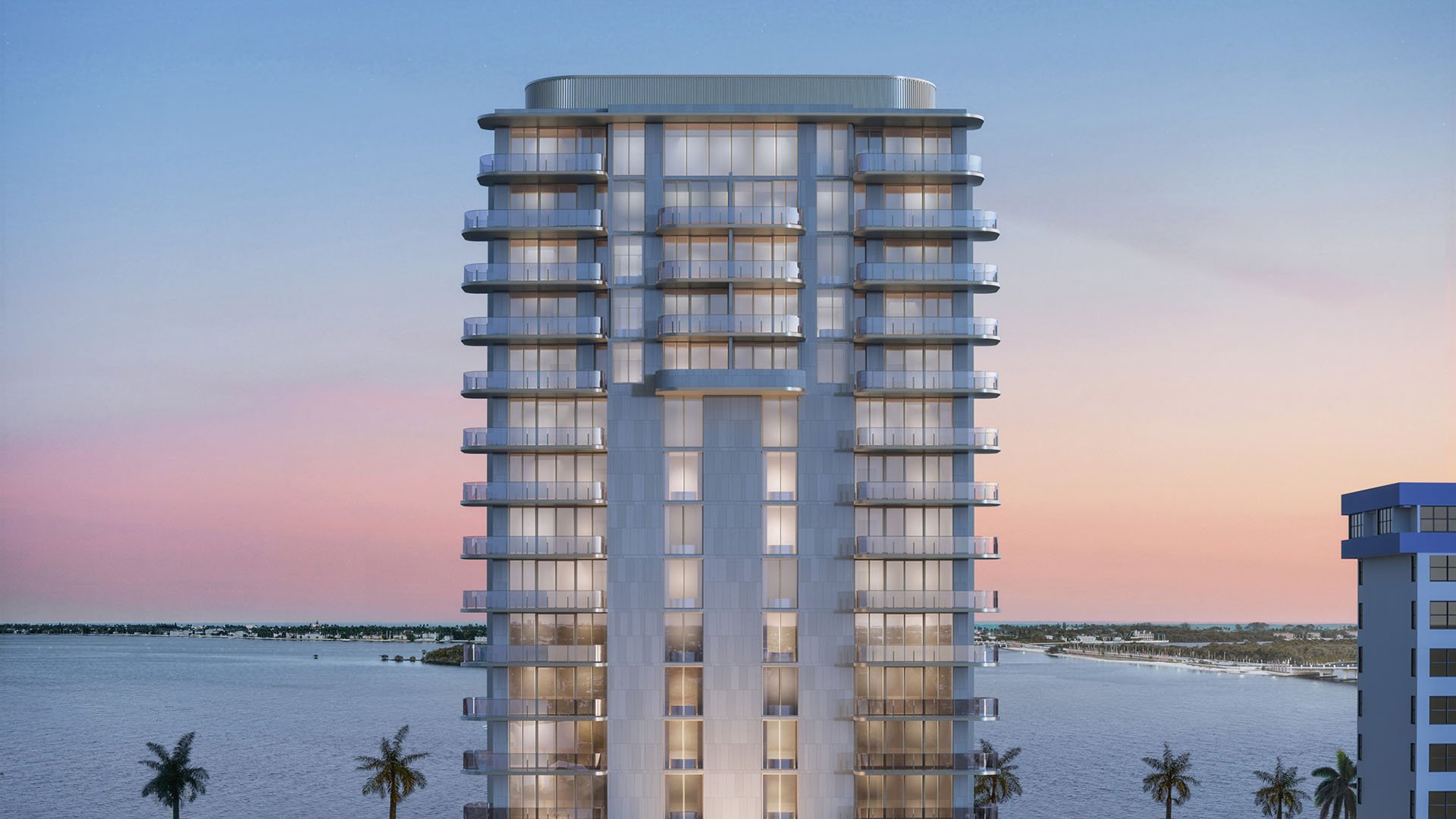
In today’s ultra-premium residential landscape, wellness is no longer limited to a generic gym and a single massage room. The most competitive buildings are treating personal care as a resident-only service corridor-spaces where an owner can move from elevator to treatment to home with minimal friction, maximum privacy, and a continuity that reads more private club than condominium.
That is the lens through which to evaluate the spa and salon suites positioned as exclusive to residents at Maison D'Or South Flagler. Because publicly marketed luxury amenities often vary in specificity, sophisticated buyers focus less on buzzwords and more on what these suites signal about daily life: discretion, scheduling control, and the building’s operational seriousness.
In West Palm Beach-where lifestyle can blend civic visibility with a preference for quiet-resident-only spa and salon suites are an especially revealing feature. Done right, they deliver hotel-grade rituals without hotel-grade foot traffic.
The phrase sounds simple, but its value depends on enforcement and programming. In practice, “exclusive” can refer to at least three models:
Resident-only access to spaces. The spa and salon suites sit behind controlled entry, and only residents and their permitted guests can enter.
Resident-only booking priority. Outside guests may be permitted with a resident present, but the calendar is structured to protect resident time.
Resident-only services. Treatments are delivered as a building service, but the provider may be a third-party operator subject to changing terms.
For buyers, the best follow-up questions are practical and specific: Is access controlled by key fob and monitored by staff? Are treatment rooms ever used for events or tours? What are the rules on guest use? In an amenity as intimate as a salon suite, even occasional outside traffic can materially change the experience.
The market often compares buildings by spa size; the more meaningful comparison is the strength of boundaries. In a truly private environment, you should be able to arrive without moving through a public lobby crowd, maintain privacy before and after treatments, and leave without feeling “seen.”
Because the Fact Table for this topic does not disclose exact room counts, sizes, or specific equipment, evaluation should center on fundamentals you can verify during a sales presentation, drawing review, or site visit.
A resident-only salon suite should prevent conversation and machine noise from bleeding into adjacent relaxation areas. Look for layered door assemblies, vestibules, and clear separation from high-traffic amenity corridors. If you can hear the fitness floor or pool deck, the spa is not operating as a retreat.
Salon services introduce aerosols, polish removers, hair treatments, and heat tools. Proper exhaust and filtration are not optional-they are foundational. Ask whether the salon suite has dedicated ventilation rather than relying on a general building system.
If the spa includes hydro elements, details matter: non-slip surfaces, properly pitched floors, and an unmistakable sense that water was expected-not merely tolerated. Even when the suite is “dry” by concept, evaluate transition zones, towel handling, and cleaning pathways.
The best buildings treat wellness like a back-of-house ballet executed in front-of-house finishes. Ask how linens, supplies, and equipment enter the suite. If replenishment requires rolling carts through social spaces, the amenity will feel less private over time.
Salon suites can feel clinical when lighting is overly bright and uniform, or unflattering when it’s too dim and warm. The goal is layered lighting that supports both grooming precision and spa calm. Mirrors should be positioned to avoid accidental sightlines from corridors.
A spa can be beautifully designed and still underdeliver if the operating model is vague. Residents should be able to understand, in plain terms, exactly how the amenity functions.
Key points to clarify:
Booking:
Is there a digital reservation system? Are there time caps? Can you reserve recurring appointments?
Staffing:
Are services delivered by on-site professionals, rotating providers, or by residents bringing their own?
Hours:
Are early-morning and post-work windows protected for residents?
House rules:
What is the policy on guests, noise, and service deliveries?
For buyers who prioritize discretion, staffing is often the linchpin. A consistent team can become a trusted extension of your household routine. A constantly rotating vendor schedule can feel transactional-and it may increase the number of unfamiliar faces accessing the amenity.
In a luxury residence, convenience is most valuable when it eliminates micro-decisions. A resident-only spa and salon suite can compress the time between intention and outcome: a quick blowout before dinner, a recovery treatment after travel, grooming on a tight calendar-without factoring in traffic, valet logistics, or public waiting areas.
At Maison D'Or South Flagler, the resident-only framing matters because South Flagler addresses are typically chosen for a specific cadence: waterfront proximity, walkable access to culture and dining, and a preference for high-touch living that still feels residential. A spa and salon suite within the building should operate like a private annex to your bathroom and dressing room-not a destination you have to “plan.”
This is also where exclusivity intersects with resale psychology. Wellness amenities are increasingly evaluated as lifestyle infrastructure. A buyer may not use the spa daily, but they often pay for the certainty that it exists, is controlled, and remains consistent.
South Florida’s amenity competition has become a competition of curation. The question is no longer whether a building has a spa-it’s whether that spa supports privacy, repeatability, and a genuine sense of ownership.
In West Palm Beach, the most compelling new product tends to position wellness as refined and residential rather than flashy. That same buyer profile often cross-shops nearby waterfront options such as South Flagler House West Palm Beach or Shorecrest Flagler Drive West Palm Beach, comparing not only finishes and views, but also the building’s “life support systems”: concierge competence, security posture, and amenity privacy.
In Brickell, the wellness narrative often reads more cosmopolitan, pairing fitness and spa programming with a higher-energy social scene. Buyers drawn to that dynamic may include 2200 Brickell in their comparison set, even if the lifestyle is materially different.
In Surfside, wellness can feel quieter and more retreat-like, with the oceanfront context shaping how residents think about restoration and routine. If your decision-making is anchored in calm, light, and a slower social tempo, exploring The Well Coconut Grove can also be instructive in how purpose-built wellness positioning can influence the feel of a property.
The point of these comparisons is not to treat amenities as interchangeable. It is to understand what your chosen building believes a “perfect day” looks like-and whether its spa and salon suites reinforce that belief.
Because amenity suites are experiential, the tour often reveals more than the brochure.
Green flags:
You see real access control, not just signage.
The space feels quiet even during peak tour hours.
Materials appear resilient-stone, tile, and hardware that read as built for daily use.
Support areas are evident: storage, towel handling, and staff pathways.
Red flags:
The suite sits directly adjacent to loud social amenities without buffering.
Salon functions are presented without clear ventilation solutions.
The “spa” reads like a single multipurpose room rather than a sequence of experiences.
Operational questions are answered only in generalities.
For a buyer with a high standard of discretion, the biggest red flag is ambiguity. If the building cannot clearly explain who uses the suite, when, and under what rules, the lived experience can drift over time.
In an ultra-luxury residence, you are buying more than square footage-you are buying control over your day. Resident-only spa and salon suites can meaningfully support that control when they are designed and operated with the same seriousness as the residences themselves.
For prospective owners evaluating Maison D'Or South Flagler, the framing is simple: does the amenity feel like a private extension of your home, or like a shared facility that happens to be inside your building? The answer shows up in privacy, scheduling ease, and the building’s long-term ability to keep the experience consistent.
Are the spa and salon suites at Maison D'Or South Flagler intended for residents only? They are positioned as exclusive to residents, which should translate to controlled access and resident-first use.
What should I ask about access control for a resident-only spa? Confirm key-based entry, staff oversight, and whether guests can enter without a resident present.
Do resident-only salon suites typically allow outside service providers? Policies vary by building, so clarify whether residents may bring their own providers or must use approved professionals.
How can I tell if a salon suite is designed correctly? Prioritize dedicated ventilation, acoustic separation, and a layout that minimizes corridor sightlines.
What is the biggest operational risk with spa amenities in luxury condos? Unclear rules around booking, staffing, and guest usage can erode privacy and consistency.
What booking questions matter most for a resident-only spa suite? Ask about reservation methods, time limits, recurring appointments, and how resident priority is handled at peak times.
What should I look for during a tour of amenity wellness areas? Listen for noise bleed, observe how private the approach feels, and look for practical support spaces like storage and linen handling.
How should I compare West Palm Beach wellness amenities to Brickell offerings? Focus on lifestyle fit: West Palm Beach often emphasizes quieter, residential use, while Brickell frequently leans more energetic and social.
Can a resident-only amenity still feel crowded? Yes-if rules are permissive or the building’s scheduling system is loose, the experience can feel busy even without public access.
Why do buyers pay attention to spa and salon suites even if they won’t use them daily? Many view them as lifestyle infrastructure that can support convenience and discretion and help maintain broad resale appeal.
If you'd like a private walkthrough and a curated shortlist, connect with MILLION Luxury.
If branded residences are on your mind — as a home or as an allocation — we would be glad to share what we are seeing, privately.
Begin a quiet conversation