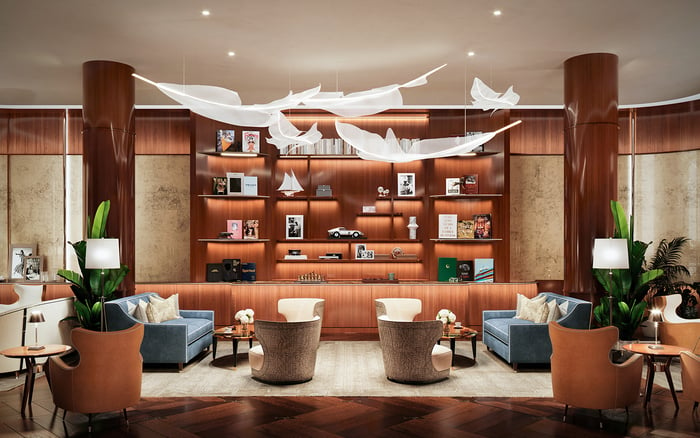
A discreet, buyer-oriented framework for assessing how private dining and catering might function at Cipriani Residences Brickell, from elevator access to service standards, without relying on undisclosed specifics.
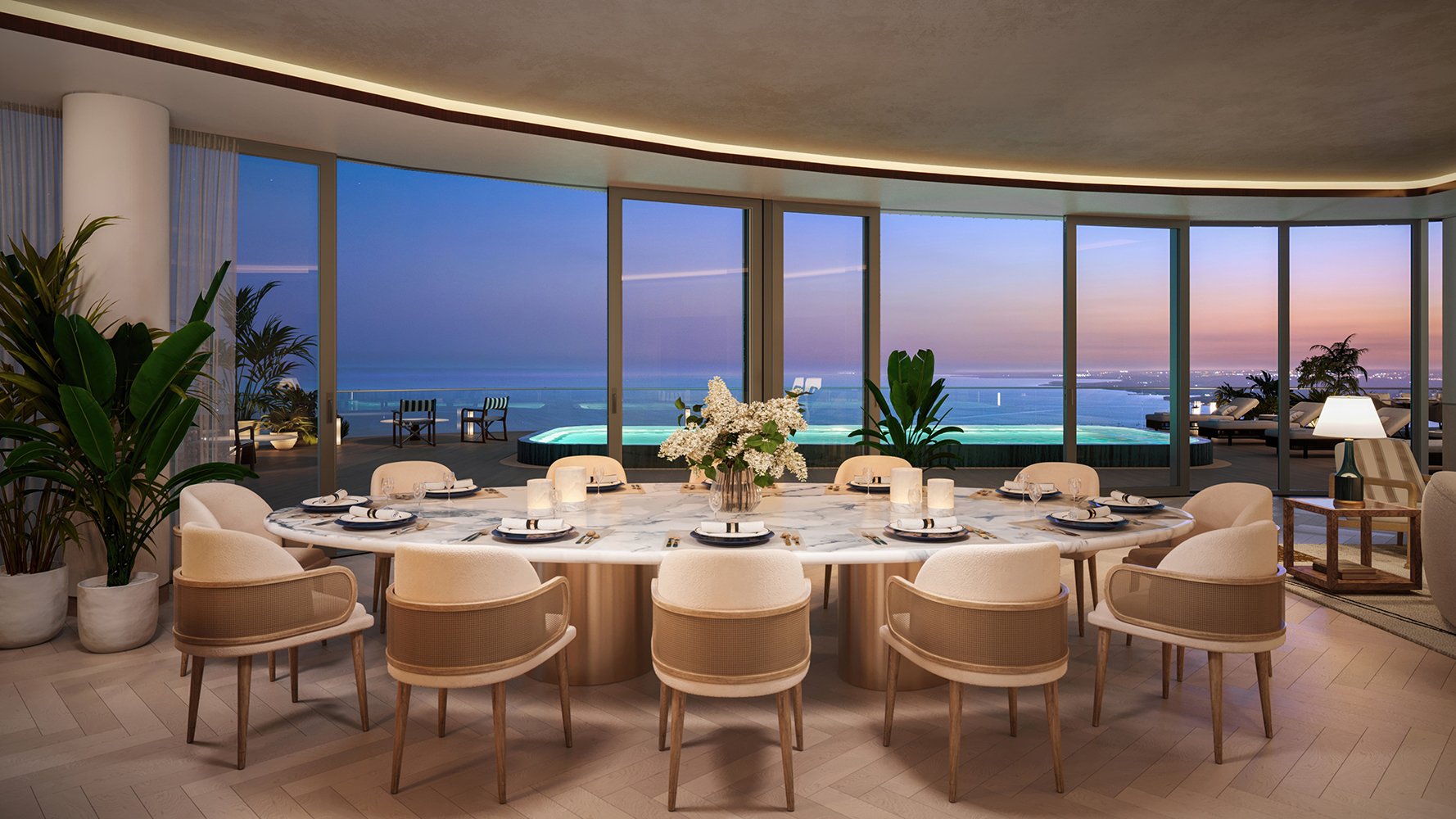
In ultra-premium residences, “private dining” is less a single amenity than a choreography-arrivals, access, staging, staffing, timing, and cleanup-executed without disturbing neighbors or compromising security. For buyers considering Cipriani Residences Brickell, the most useful lens isn’t the menu fantasy; it’s the operational reality of how food and people move through a tower.
Because policies and capabilities can vary by building and evolve over time, a smart evaluation centers on what’s typically governed by condominium rules, building engineering, and service culture. The goal is straightforward: confirm whether your preferred style of entertaining-from a quiet chef’s table for six to a catered reception-will feel effortless or feel negotiated.
Most friction in private dining starts in the back-of-house route: how deliveries, staff, rentals, and prepared food enter, move vertically, and stage-without creating bottlenecks.
Key questions to resolve early include:
Is there a designated receiving area with staffing, or do deliveries funnel through the main arrival sequence? A clean receiving protocol supports discretion and helps maintain food-safety standards.
If service teams must share resident elevators, timing becomes fragile and the resident experience can degrade, especially at peak hours.
Even a beautifully designed residence benefits from a pause point for hot boxes, beverage service, coat check, floral deliveries, or rental returns.
In Brickell, vertical living rewards predictability. If your entertaining calendar includes high-touch events, you’ll want to know whether the building’s movement systems support them without improvisation.
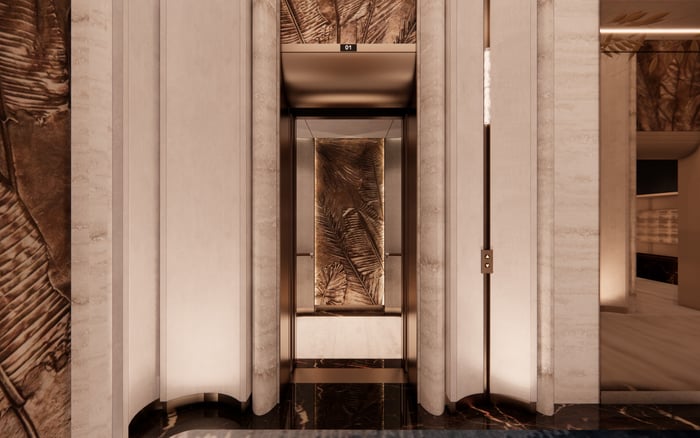
Elevators are the hidden determinant of private dining. The best culinary team can’t fix a delayed hot course caused by restricted elevator windows or a queue at security.
When evaluating logistics, look for clear operating practices around:
for larger events, including whether the concierge or management coordinates access.
(padding, floor coverings) for bulky items such as rental chairs, bar setups, or floral installations.
if your hosting style tends to start late, which can be common in Brickell.
For perspective, it can be useful to compare the operational posture of other Brickell towers where owners often host at scale, such as Una Residences Brickell. Even without identical policies, the exercise helps you calibrate what “good” looks like: a system that anticipates events rather than merely tolerating them.
Private dining works when it stays private. That requires a security model that accommodates third-party vendors without turning your event into a lobby spectacle.
A buyer-oriented evaluation should include:
IDs, insurance, advance lists, and whether a resident or staff member must escort.
Is there a protocol that preserves temperature and privacy?
For seated dinners this may be simple; for receptions, you want a defined plan that does not overwhelm common areas.
Discretion is also about noise and neighbor comfort. Ask how the building typically handles sound complaints, music levels, and balcony use. Even a beautifully catered evening can feel constrained if quiet-hour rules are rigid or enforcement is unpredictable.
A common misconception is that “private dining” implies restaurant-grade production inside the residence. In practice, most in-home events are a blend-prep offsite, finishing onsite, and service delivered with minimal disruption.
Your residence’s kitchen design and utility performance matter:
If finishing courses creates lingering odors, the next morning’s experience suffers.
Induction burners, warming lamps, and beverage stations require power in the right places.
Catering often arrives with temperature-sensitive components that need space beyond the everyday refrigerator.
If you’re considering a branded lifestyle but want to pressure-test how “service-forward” the market can be, look at a different benchmark nearby like St. Regis® Residences Brickell. The comparison helps you define expectations for staffing, delivery cadence, and event polish-and then translate those expectations into specific questions for management.
Private dining logistics are often less about food than about roles. Buyers should clarify, in plain language, how responsibilities are divided among the resident, concierge, building staff, and external vendors.
Areas to clarify:
“Delivery” can mean very different things operationally.
Who handles furniture movement, trash removal, box breakdown, and recycling?
Can the building recommend preferred vendors, or must you source independently?
After a catered evening, the ideal outcome is that the home looks untouched the next morning.
Even with a strong concierge culture, it’s wise to assume that any elevated event still requires planning. The luxury is in how seamlessly that planning integrates with building rules.
High-end hosting can trigger administrative steps that feel minor-until they’re not. Before you commit to a residence, understand the typical guardrails.
Common friction points include:
for vendors, including early-morning and late-night restrictions.
(certificate of insurance) and whether the building has standardized language.
for larger gatherings, including potential deposits for common-area protection.
These aren’t inherently negative. Strong policies protect residents. What matters is whether the process is predictable, fast, and designed to support owners who host.
Brickell entertaining often leans on views, glass, and indoor-outdoor flow. If you plan to host with doors open, candles lit, and a bar station near the terrace, the logistics change.
Consider:
for table settings and flame.
into adjacent residences.
affecting linens, florals, and plated desserts.
If your vision is closer to a waterfront, resort-style hosting rhythm, comparing Brickell to a different coastal context can help. For example, Baccarat Residences Brickell may suggest a different mood and arrival sequence, which in turn can shape guest flow and vendor discretion.
A polished sales presentation can describe lifestyle; you need operational answers. During a private tour, ask questions that require specificity while staying respectful:
Where do caterers and deliveries enter, and who meets them?
Is there a service elevator, and can it be reserved for events?
Are there time restrictions for vendor arrivals and departures?
What are the rules for noise, music, and gathering size?
Is there a preferred vendor list, and what is the process to approve new vendors?
How is trash, recycling, and post-event cleanup handled?
Are there any restrictions on cooking methods due to ventilation or alarms?
What is the protocol if a guest or vendor damages a common area?
The best answers aren’t necessarily permissive. They’re clear, consistent, and backed by a service team that knows how to execute.
Catering logistics are a quiet differentiator across South Florida. Some buildings operate with a more “hotel-like” posture, while others prioritize privacy and minimal staff interaction.
Brickell’s strengths tend to be convenience and access to top-tier culinary talent, but it also comes with the density of an urban core. If you’re cross-shopping other neighborhoods, remember that logistics shift with building typology and resident culture. A boutique oceanfront environment, for instance, may feel calmer for vendor movement, while a larger tower may have more formalized systems.
The point isn’t that one is better. It’s that your hosting style should match the building’s service DNA.
Private dining and catering support becomes “real value” when it does three things:
fewer calls, fewer approvals, fewer surprises.
guest flow and vendor movement feel invisible.
cleanup, odor control, and wear-and-tear are thoughtfully managed.
For buyers considering Cipriani Residences Brickell, the strongest due diligence is to treat private dining as an operational system. If the system is coherent, your entertaining life expands. If it’s improvised, even an exquisite menu can feel like work.
What does “private dining” typically mean in a luxury condo setting? It usually refers to an ecosystem of delivery, staffing, and event support rather than a guaranteed in-home chef program.
Do I need to coordinate catering logistics with the building in advance? For anything beyond a simple delivery, advance coordination is often prudent to align access, elevators, and vendor check-in.
Is a service elevator essential for seamless entertaining? It isn’t essential, but it meaningfully reduces friction for staff, rentals, and discreet food movement.
Can building rules affect the timing of my dinner party? Yes, vendor hours, elevator access, and quiet-hour policies can shape when setups and breakdowns are allowed.
How should I think about security when inviting outside vendors? Look for clear check-in protocols that protect residents while keeping your event discreet and efficient.
Will my residence kitchen support a chef-led dinner? Many do for finishing and plating, but you should evaluate ventilation, power, and cold storage for your specific style.
Who handles trash and recycling after a catered event? It varies; confirm whether vendors remove it, staff assists, or you must follow specific disposal procedures.
Are there restrictions on music or balcony use during events? Often yes; review the rules so your hosting plans align with sound and neighbor-comfort expectations.
Should I ask for a written policy summary before purchasing? Yes, having the relevant rules in writing helps you avoid assumptions about vendor access and event approvals.
How do Brickell buildings compare to other South Florida markets for hosting? Brickell can be highly convenient, but density makes operational clarity and service culture especially important.
If you'd like a private walkthrough and a curated shortlist, connect with MILLION Luxury.
If branded residences are on your mind — as a home or as an allocation — we would be glad to share what we are seeing, privately.
Begin a quiet conversation