A buyer-focused look at how Las Olas and greater Fort Lauderdale differ in walkability, daily convenience, privacy, waterfront access, and service expectations.

Las Olas and Fort Lauderdale are often spoken of as interchangeable, but luxury buyers quickly find that they operate on different rhythms. Las Olas delivers the more concentrated experience: restaurants, boutiques, galleries, offices, waterfront edges, and evening activity compressed into a neighborhood pattern that rewards walking. Fort Lauderdale, by contrast, is a broader residential canvas, where the lifestyle may become beach-oriented, canal-oriented, yachting-oriented, or quietly suburban depending on the address.
For the ultra-premium buyer, the question is not simply whether a property is close to Las Olas. The sharper question is how the home supports the day. Can one leave for dinner without coordinating a car? Is morning coffee part of the street life or a private ritual on a terrace? Does the building feel staffed for spontaneous movement, or is the service model designed around privacy, arrival control, and longer residential stays?
This is where expectations separate. Las Olas suits buyers who prize frictionless access to amenities beyond the lobby. Broader Fort Lauderdale suits those who may value water, space, privacy, garage convenience, marina proximity, or quieter domestic separation more than constant pedestrian immediacy.
On Las Olas, walkability is not a decorative amenity. It is part of the residential proposition. The buyer who chooses this setting is often choosing proximity to an active street environment: the ability to step out for lunch, meet guests without formal planning, browse, dine, and return home without making every outing feel like an excursion.
This appeals to a particular kind of South Florida resident. Some are seasonal owners who want their time in residence to feel efficient from the first day. Others are full-time residents who prefer a more urban pattern without giving up the coastal identity of Fort Lauderdale. For them, the neighborhood functions almost as an extension of the home: the restaurant becomes the dining room for entertaining, the street becomes a social corridor, and the lobby becomes a point of transition between private retreat and public life.
Walkability here also changes the value of convenience. Valet, lobby staffing, package handling, guest coordination, and evening security all matter because residents may be coming and going frequently. The service team is expected to understand movement, not merely receive residents. A polished building in this context feels alert without being theatrical.
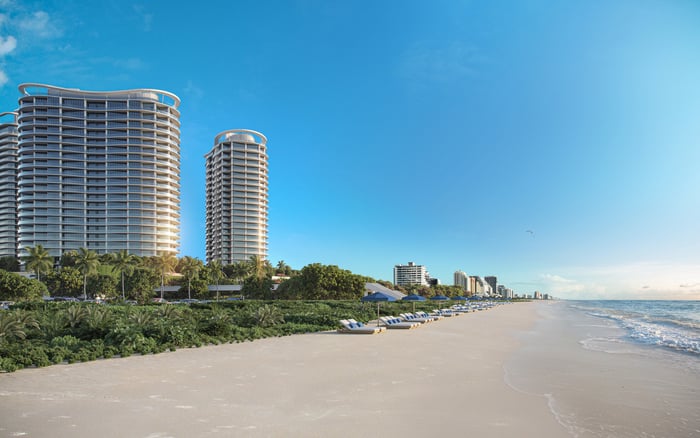
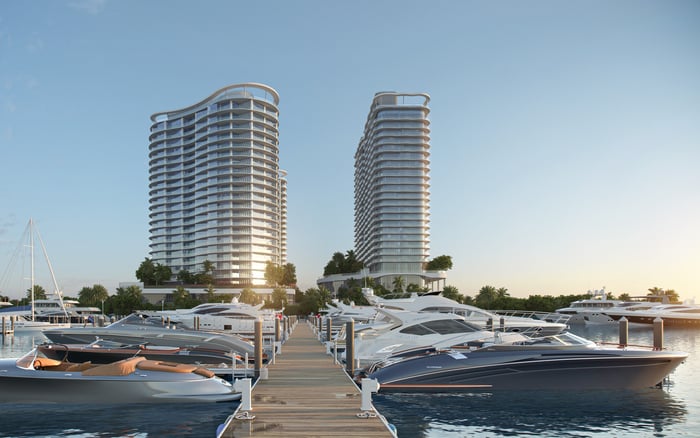
Outside the Las Olas core, Fort Lauderdale becomes more varied. Some buyers prioritize waterfront living, where the home or residence is organized around boating, views, and outdoor rooms. Others want beach proximity, resort-style wellness, or a quieter residential enclave where the car is not a compromise but part of the lifestyle choreography.
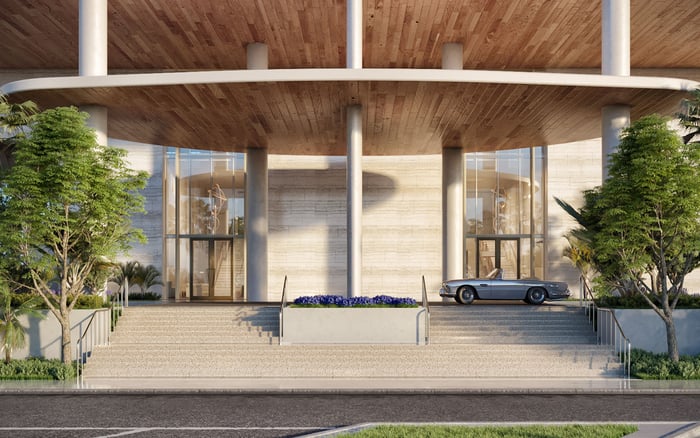
This broader market often rewards a different kind of convenience. Rather than asking, “What can I walk to tonight?” the buyer may ask, “How easily can I host family for a week?” or “Does the property simplify boating, storage, staff access, pets, or deliveries?” In that setting, walkability may be secondary to arrival sequence, garage experience, elevator privacy, terrace usability, or the ease of moving from residence to dock, beach, or club.
The distinction is subtle but important. Las Olas is convenience through adjacency. Greater Fort Lauderdale can be convenience through control. One privileges choice immediately outside the door; the other privileges a more managed private environment.
Service expectations in Las Olas tend to reflect a more urban pattern. Residents may expect staff to handle frequent guest arrivals, restaurant recommendations, last-minute transportation, deliveries, and the quick cadence of social living. A strong service culture here feels responsive, visible, and operationally smooth.
In more residential or waterfront parts of Fort Lauderdale, the service expectation can be quieter. Buyers may care less about a concierge desk as a social node and more about discretion, access management, maintenance coordination, and the ability to support a lock-and-leave lifestyle. The best service is often the service that protects calm: gates that work seamlessly, elevators that do not feel congested, staff who recognize residents without over-performing, and systems that make ownership feel effortless.
Neither model is superior. They serve different owners. A buyer who entertains frequently at restaurants may find Las Olas service more aligned with daily habits. A buyer who hosts privately, travels often, or keeps a boat may find a more residential Fort Lauderdale setting better suited to the way the household actually functions.
The Las Olas buyer is often drawn to immediacy. This person may be relocating from a city where neighborhood life is central, or downsizing from a larger home and seeking less maintenance without giving up energy. They may want the option to arrive for a long weekend and have everything feel available without advance planning.
For this buyer, the building must work as a refined base. The residence should deliver quiet interiors, secure access, thoughtful parking, and well-managed common areas, but the broader luxury is the neighborhood itself. Views and finishes matter, yet so does the ability to live without over-scheduling the day.
This is also where expectations around bars, dining, and evening activity should be evaluated honestly. A walkable location brings animation. The right buyer reads that as vitality. The wrong buyer experiences it as interruption. Site position, exposure, building entry, and acoustic comfort become critical details during a private showing.
The broader Fort Lauderdale buyer may be equally sophisticated but less dependent on street-level activity. This buyer may want a larger residence, a calmer approach, more private outdoor space, or a setting tied to water rather than retail. They may entertain at home, travel with family, or prioritize a residence that feels removed from the daily pulse even when close to it.
Here, the idea of service extends beyond the front desk. It includes how the building or home handles vendors, how guests arrive, how pets move through the property, how beach gear or boating needs are managed, and whether the entire environment supports an unhurried domestic life. In many luxury decisions, these operational details shape satisfaction more than a dramatic first impression.
For search and lifestyle context, this conversation sits naturally within Fort Lauderdale and Broward, while often touching Downtown, Marina, new construction, and the social pull of Las Olas. The most successful purchase is rarely about choosing the most famous address. It is about choosing the setting whose invisible systems match the way the owner actually lives.
A buyer comparing Las Olas with greater Fort Lauderdale should use showings to study rhythm, not only finishes. Arrive at different times of day if possible. Notice how the building handles traffic, how the lobby feels when residents are returning from dinner, how easy parking feels, and whether the surrounding streets invite walking or simply look attractive from a car.
Inside the residence, test the relationship between privacy and access. Can guests arrive naturally? Does the elevator sequence feel calm? Are service areas intuitive? Is the terrace a place one would actually use, or merely a marketing image? Luxury in this market is increasingly defined by how smoothly the home performs after the first impression fades.
For Las Olas, the ideal residence should buffer the energy of the neighborhood while preserving access to it. For broader Fort Lauderdale, the ideal residence should make privacy feel easy rather than isolated. In both cases, the best properties reduce friction.
Choose Las Olas if the pleasure of ownership depends on being able to walk to dinner, meet friends spontaneously, and feel connected to the city’s social corridor. Choose broader Fort Lauderdale if your ideal day begins on the water, at the beach, in a quieter residential pocket, or within a home that functions as a private retreat.
The distinction is not about prestige. It is about fit. Las Olas offers a more immediate urban-coastal lifestyle, with service expectations shaped by motion, convenience, and social access. Fort Lauderdale beyond Las Olas offers multiple luxury modes, with service expectations shaped by privacy, household logistics, and personal control.
For high-end buyers, the winning choice is the one that feels natural on an ordinary Tuesday, not only during a weekend visit. That is where the real value of walkability and service becomes clear.
Is Las Olas the most walkable part of Fort Lauderdale? It is one of the area’s most walkable luxury lifestyle corridors, especially for dining, retail, and social convenience.
Does greater Fort Lauderdale require a car? In many residential pockets, a car remains part of the daily pattern, particularly for beach, marina, school, or club-oriented living.
Is walkability always better for resale? Not always. Walkability can be powerful, but waterfront access, privacy, views, and building quality can be equally decisive.
Who is the ideal Las Olas buyer? A buyer who values spontaneous dining, social proximity, and an urban-coastal rhythm will usually appreciate Las Olas most.
Who is better suited to broader Fort Lauderdale? Buyers seeking quieter living, boating convenience, larger layouts, or more controlled privacy may prefer other Fort Lauderdale settings.
How do service expectations differ in Las Olas buildings? Service often needs to be responsive to frequent movement, guests, deliveries, and evening activity around the neighborhood.
How do service expectations differ in waterfront enclaves? Buyers often expect discretion, security, maintenance coordination, and smooth support for boating or extended stays.
Should seasonal owners prioritize Las Olas? Seasonal owners who want immediate access to restaurants and services may find Las Olas especially efficient and enjoyable.
Can a property be close to Las Olas but still feel private? Yes, but buyers should examine exposure, entry sequence, acoustic comfort, parking, and the building’s overall management.
What is the smartest way to compare options? Evaluate how each address supports your daily habits, not just how it photographs or how close it appears on a map.
For a discreet conversation and a curated building-by-building shortlist, connect with MILLION.
If branded residences are on your mind — as a home or as an allocation — we would be glad to share what we are seeing, privately.
Begin a quiet conversation