A discreet look at how professional camera lighting in a luxury condominium can move from convenience to ownership risk when installation, wiring, privacy, insurance, or board approvals are overlooked.
The home office has become one of the most scrutinized rooms in the luxury residence. It is where a principal negotiates, broadcasts, interviews, consults, records, and manages a life that may extend across several cities. In South Florida’s high-service condominium buildings, that room is often considered as carefully as the primary suite or kitchen. Yet one increasingly common detail remains underestimated: camera lighting.
At first glance, a ring light, wall-mounted panel, or ceiling-mounted fixture feels like a personal accessory. It helps the owner look composed on video. It softens shadows. It allows a library, den, or media room to function like a private studio. The ownership risk begins when that accessory becomes fixed, wired, heat-producing, visible from the exterior, connected to a network, or inconsistent with condominium rules.
In a high-service building, the question is not simply whether the light looks good on camera. The sharper question is whether the installation changes the unit, affects common elements, creates a maintenance issue, interferes with privacy expectations, or complicates future resale. For buyers in Brickell, Aventura, and other luxury markets where daily service and building discretion are part of the value proposition, this is a small detail with a surprisingly long tail.
The cleanest approach is usually portable. A freestanding light, a desk-mounted panel, or a removable lamp that plugs into an existing outlet is less likely to raise ownership concerns than a fixture requiring drilling, rewiring, ceiling penetration, or millwork modification. The distinction matters because many condominium regimes treat permanent changes differently from movable furnishings.
A portable camera-lighting plan can still be elegant. Designers can conceal cords, integrate dimmable fixtures into a bookshelf composition, and use warm color temperatures that flatter both the room and the person on camera. The goal is to avoid turning a luxury office into a production set. The more a lighting system depends on new junction boxes, wall cuts, ceiling anchors, or concealed cabling, the more reason an owner has to pause and review the building’s approval requirements.
This is especially relevant in a new project, where finishes are fresh, warranty periods may matter, and the association may be particularly sensitive to early owner modifications. A small opening in a ceiling or wall can become a larger conversation if it intersects with fire-stopping, acoustics, sprinkler clearances, low-voltage wiring, or another system the owner does not fully control.
In the ultra-premium segment, governance is not an annoyance to work around. It is part of the asset. Rules preserve quiet enjoyment, architectural consistency, insurance order, and the level of predictability that high-net-worth owners expect. Camera lighting that appears simple to the owner may still be treated as an alteration if it changes surfaces, electrical loads, or outward appearance.
The most prudent owners ask three questions before installation. Is anything being attached to a wall, ceiling, window frame, balcony door, or built-in? Is any wiring being added, concealed, extended, or relocated? Will the light be visible from corridors, neighboring residences, the exterior facade, or shared amenity areas?
The answers define the risk. A desk lamp used for calls is ordinary. A track system mounted into a ceiling may not be. A battery-powered accent light placed on a shelf is generally different from a hardwired studio panel. A fixture reflected in glass at night may become a building-aesthetic issue even if it sits entirely inside the unit.
Luxury interiors often combine delicate materials with tightly coordinated systems. Stone, lacquer, wood veneer, wallcovering, acoustic fabric, and integrated millwork can be unforgiving when pierced or overheated. Camera lighting can generate heat, require power management, or encourage owners to overload a convenient outlet simply because it is near the best background.
The risk is rarely dramatic at the start. It may begin as adhesive residue on a paneled wall, a cable routed under a rug, a fixture clipped to a custom shelf, or a dimmer mismatch that causes flicker on camera. Over time, those decisions can create repair obligations, inspection questions, or disputes when the residence is sold.
A refined installation should be reversible, cool-running, visually quiet, and professionally reviewed when it touches electrical work. Owners should avoid improvisation. If the goal is a true executive studio, it should be designed with the same discipline as a wine wall, media room, or specialty closet.
Camera lighting often travels with cameras, microphones, monitors, and smart controls. That creates a second layer of ownership risk: information control. In a high-service building, staff may enter for housekeeping, engineering, maintenance, deliveries, or hospitality requests. The residence must function smoothly without exposing sensitive screens, recordings, schedules, documents, or live meetings.
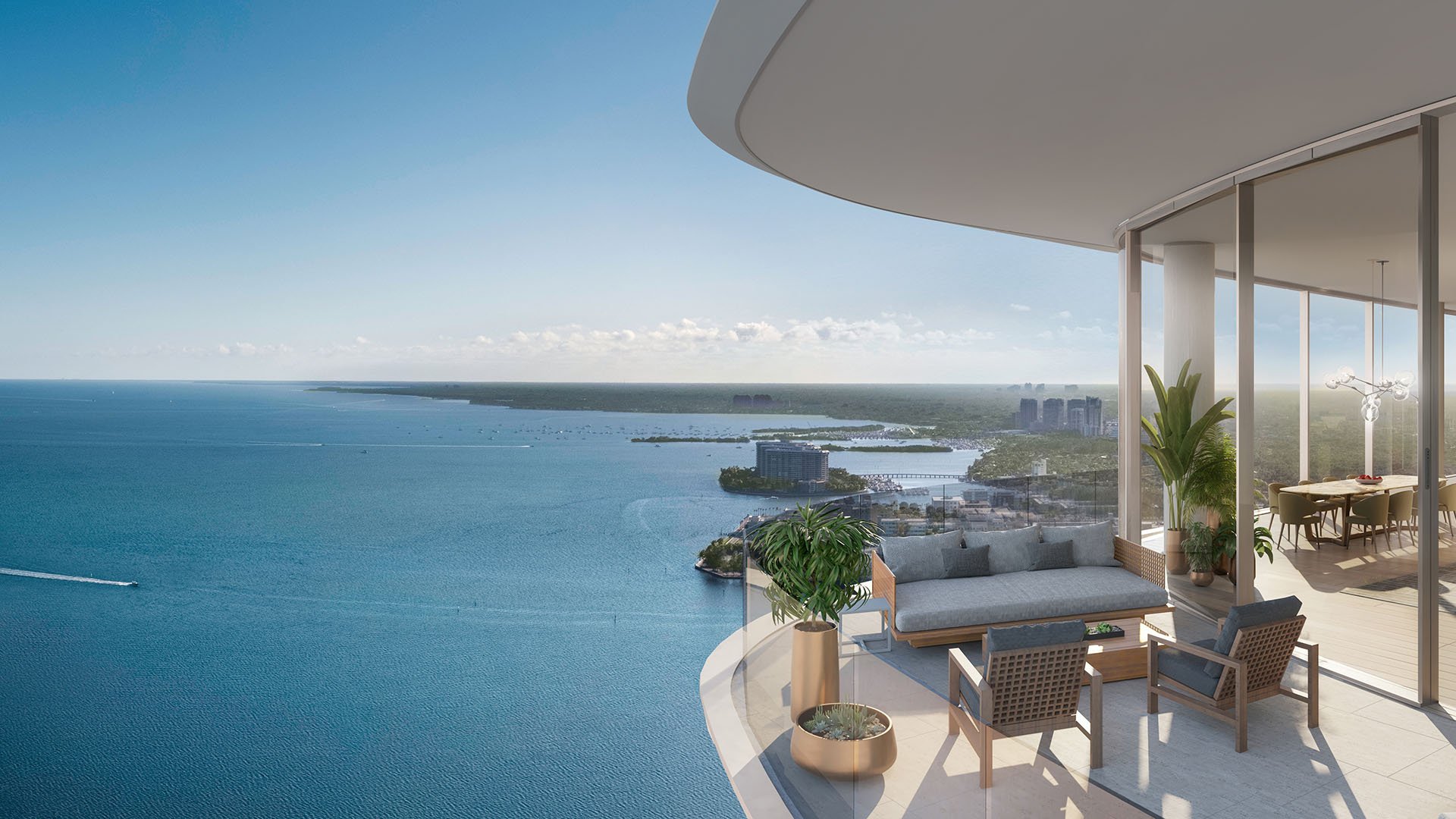
Lighting connected to apps or smart-home systems also deserves caution. Owners should know who can control the device, which network it uses, whether it updates automatically, and whether it creates a vulnerability in the broader home environment. A beautiful penthouse office with a panoramic terrace can still be poorly planned if video equipment records reflections, captures neighboring interiors, or reveals private artwork, family routines, or security details.
The more prominent the owner, the more important the protocol. A camera-ready office should include storage, cable discipline, screen placement, and staff instructions. The best setups are not just flattering on video. They are secure, quiet, and controlled.
Ownership risk often becomes visible only after an incident or during a transaction. If a fixture was installed without approval, if wiring was modified without proper documentation, or if a wall finish was damaged by equipment, the issue may surface in a sale, claim, or association review. Even when the matter is minor, it can interrupt momentum.
Resale presentation is also affected. Buyers respond to rooms that feel intentional. They are less enthusiastic about a den that appears overbuilt for one owner’s broadcasting habits. In an investment context, flexibility matters. A home office should read as a library, study, or media lounge first, with camera performance integrated second.
The strongest strategy is to document approvals, keep invoices, retain product information, and preserve the option to remove equipment cleanly. If a future buyer wants the studio condition, it becomes a feature. If not, the room should return to a serene residential state without negotiation.
A buyer evaluating a high-service condominium should ask whether the building has specific rules for in-unit alterations, smart-home devices, window visibility, contractors, and work hours. If a home office is central to the purchase, that review should happen before closing, not after the first board application.
It is also wise to walk the intended office at different times of day. Daylight, reflections, neighboring sightlines, glass walls, and background views can all affect the lighting plan. A room that looks ideal in a showing may require careful control during morning calls or evening broadcasts.
For owners who want a discreet studio-grade environment, the best outcome is not the brightest room. It is the least disruptive one: elegant lighting, no visible clutter, no avoidable building friction, and no future question about what was changed.
Can a condo board care about a camera light inside my residence? Yes, if the light requires installation, wiring, visible changes, or affects building rules. Portable equipment is usually less sensitive than permanent work.
Is a plug-in ring light an alteration? Usually it is treated more like personal property, but placement, wiring, and visibility can still matter. The safest approach is to keep it removable and discreet.
When should I seek approval before adding lighting? Seek approval before drilling, hardwiring, opening walls or ceilings, modifying millwork, or changing anything that may affect shared systems or finishes.
Can camera lighting affect insurance? It can create questions if an incident involves unapproved electrical work, damaged finishes, or improper installation. Documentation helps reduce uncertainty.
Does smart lighting add privacy risk? Yes, connected devices can introduce control, access, and network issues. Owners should manage permissions and keep work devices separated when appropriate.
What is the safest lighting plan for a luxury home office? Use portable, dimmable, cool-running fixtures with clean cable management. Avoid changes that cannot be reversed without visible repair.
Can lighting be visible from outside the building? It can be, especially through glass at night. Exterior visibility may become an aesthetic or privacy concern in a tightly managed property.
Should I keep records of a lighting installation? Yes, keep approvals, contractor invoices, product information, and photographs. These records can help during resale, maintenance, or an association inquiry.
Does this matter more in a high-service building? Yes, because service access, privacy, rules, and finish standards are typically more exacting. Small choices can have broader operational consequences.
Can a well-designed setup improve resale appeal? Yes, if it is elegant, reversible, and does not make the room feel overly specialized. Flexibility is often more valuable than a permanent studio look.
When you're ready to tour or underwrite the options, connect with MILLION.
If branded residences are on your mind — as a home or as an allocation — we would be glad to share what we are seeing, privately.
Begin a quiet conversation