A practical buyer guide to understanding how walkability reshapes full-time luxury living in Downtown Miami, from daily routines and amenity strategy to privacy, views, and neighborhood rhythm.
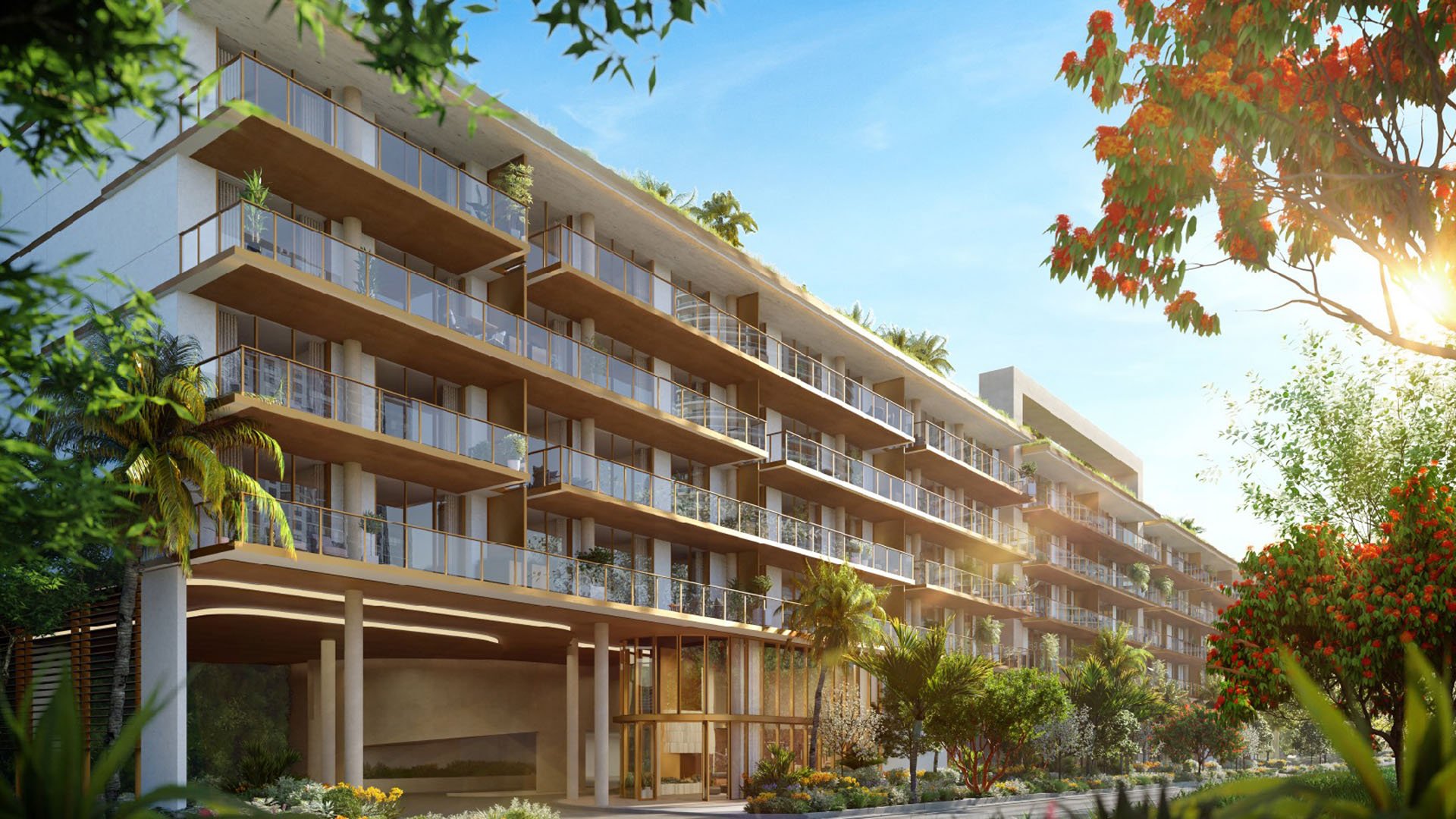
For the occasional visitor, walkability is a convenience. For the full-time luxury buyer, it becomes a framework for how the home performs every day. In Downtown Miami, the question is not simply whether a restaurant, waterfront path, cultural venue, office, marina, or fitness studio is nearby. The more important question is whether the rhythm outside the lobby supports the life you intend to live.
That distinction reshapes the entire buying process. A residence that feels spectacular for a long weekend may not be the right primary home if every simple errand requires planning. Conversely, a home within an active, walkable district can make daily life feel lighter, more spontaneous, and more connected, provided the building still delivers the discretion, acoustic control, security, and private retreat expected at the top of the market.
Downtown Miami attracts buyers who want vertical living with immediacy. The draw is not only the skyline. It is the ability to compress time: morning coffee without a car, a meeting without a commute, dinner without logistics, and a waterfront walk before returning upstairs to a private residence. Walkability, at this level, is not about doing without. It is about choosing what no longer needs to interrupt the day.
A serious Downtown buyer should evaluate a residence by walking the neighborhood at the times that matter most. A polished afternoon tour tells only part of the story. The full-time test includes early mornings, weekday evenings, weekend nights, and the quiet hours when the building’s arrival sequence, elevators, valet, lobby, and surrounding streets reveal their true character.
Begin with the five routes you would use most often: coffee, groceries, dining, wellness, and waterfront or green space. Then ask whether those routes feel intuitive. Are the sidewalks comfortable? Does the building’s entrance make leaving on foot feel natural? Does the return home feel composed? In a true luxury purchase, the walk is not separate from the residence. It is part of the living experience.
This is where projects such as Aston Martin Residences Downtown Miami enter the conversation for buyers who want a Downtown address with a clearly defined residential identity. The appeal is not just proximity to the urban core. It is the possibility of pairing a walkable city lifestyle with the arrival, privacy, and amenity structure expected from a high-end tower.
Downtown and Brickell are often discussed together, but full-time buyers should treat them as distinct living propositions. Downtown tends to appeal to those who want access to cultural, waterfront, civic, and entertainment energy, along with a more layered city texture. Brickell often speaks to buyers who prefer a denser business and dining rhythm, with a polished urban cadence and a strong after-work scene.
The practical vocabulary is simple: Downtown for immediacy, Brickell for a more concentrated financial-district rhythm, New-construction for contemporary systems, Waterview for visual relief, Terrace for outdoor pause, and Pool for daily resort calibration. These are not just search filters. They are lifestyle priorities that should be tested against how the buyer actually lives.
For some buyers, a Downtown residence such as Waldorf Astoria Residences Downtown Miami represents the desire for an iconic vertical address within the city center. For others, a Brickell option such as 2200 Brickell may feel more aligned with a neighborhood pattern built around business, dining, and daily convenience. The right answer depends less on prestige than on repetition: where will you be happy walking on an ordinary Tuesday?
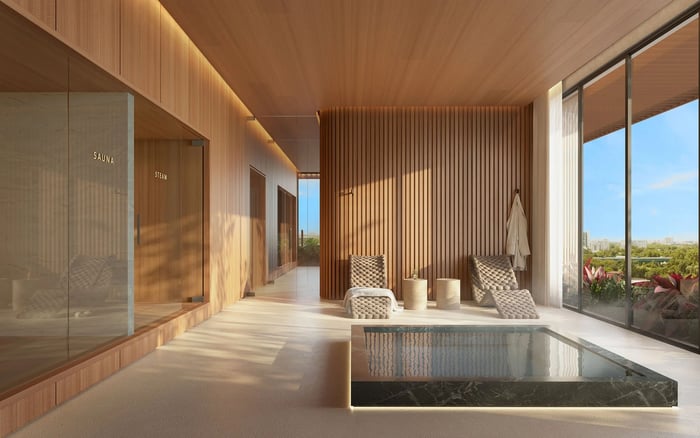
In a car-oriented market, amenities often compensate for isolation. In a walkable luxury market, the best amenities do something subtler: they refine the day. A resident may be able to dine, train, work, and socialize outside the building, yet still want the privacy of a spa, pool deck, screening room, private dining area, or resident lounge when the city feels too public.
This balance is essential. If the neighborhood offers stimulation, the building must offer recovery. If the streets are active, the residence must provide quiet. If the location supports spontaneity, the amenity program should support control. Buyers should ask how easily they can shift from the public city to the private home without friction.
A building such as Casa Bella by B&B Italia Downtown Miami can be considered through this lens: not simply as a design-led residence, but as a way to frame Downtown living with interiors, amenities, and services that help soften the intensity of an urban address. Walkability is most successful when the building allows residents to engage with the city, then withdraw from it beautifully.
Luxury buyers often focus on views first, but full-time Downtown living requires equal attention to privacy and sound. A spectacular outlook can lose its appeal if the interior does not feel calm. During a showing, buyers should pause in the primary bedroom, living room, balcony or terrace area, and elevator lobby. Listen. The quietness of a residence is not a minor detail. It is a daily asset.
Privacy should also be studied vertically. Higher floors may provide separation from street activity, while lower floors may create a stronger relationship with the neighborhood. Neither is automatically superior. The correct choice depends on whether the buyer wants to feel above the city or within it. Full-time residents often need both: visual connection when desired, insulation when necessary.
Arrival matters as well. A walkable lifestyle still includes drivers, guests, deliveries, service providers, and occasional formal arrivals. The porte cochere, lobby sequence, security presence, and elevator experience should feel composed even when the neighborhood outside is active. The more walkable the address, the more important the threshold becomes.
A full-time Downtown residence should be evaluated beyond the view corridor. Storage, kitchen function, laundry placement, bedroom separation, outdoor usability, and staff or service access can matter more over time than a dramatic first impression. Buyers relocating from larger homes should be especially attentive to where daily life will actually land: bags, packages, pantry items, sports equipment, pets, guests, and work materials.
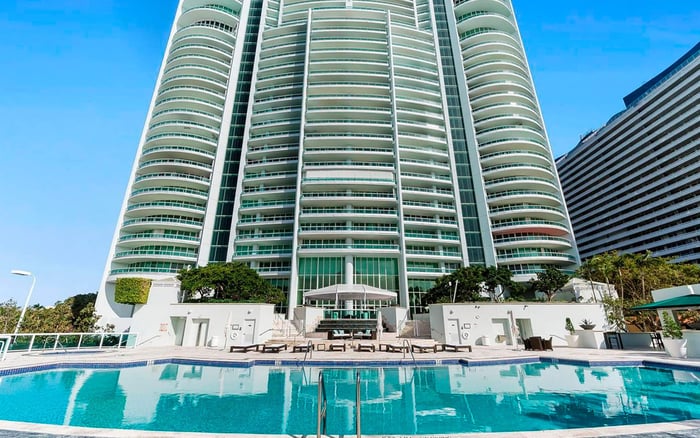
Outdoor space deserves a practical reading. A terrace may be visually seductive, but the buyer should ask when it will be used, how it handles sun and wind, and whether it feels private enough for daily enjoyment. Similarly, a pool is not only an amenity photograph. It is part of the building’s social tempo. Some buyers want a lively resort atmosphere; others prefer a quieter residential mood.
Brickell buyers weighing an option such as Cipriani Residences Brickell may prioritize hospitality-inflected service and a refined urban routine. Downtown buyers may put more weight on skyline drama, cultural access, or a direct connection to the waterfront. The most successful purchase is the one where the floor plan, services, and neighborhood pattern all reinforce the same style of living.
The smartest approach is to build a shortlist around lifestyle friction. Identify what currently consumes too much time: commuting, parking, dinner planning, school or office access, wellness routines, social coordination, or the simple desire to leave the car untouched for a day. Then tour only those residences that directly reduce that friction without compromising privacy.
Buyers should also compare buildings at the same time of day. A morning tour in one tower and an evening tour in another can distort judgment. See each candidate under similar conditions. Walk the same radius. Test the lobby at a busy hour. Stand outside the entrance. Notice whether the neighborhood energy feels elegant, useful, excessive, or exactly right.
In Downtown Miami, walkability is not a universal virtue. It is a luxury only when the surrounding neighborhood, building design, service model, and private residence work together. When they do, the result is a home that makes the city feel close without allowing it to become intrusive.
Is Downtown Miami a good choice for full-time luxury living? It can be, especially for buyers who value walkability, vertical living, and daily access to dining, culture, work, and waterfront routines.
How should I evaluate walkability before buying? Walk your most important daily routes at different times, including mornings, evenings, and weekends, then judge comfort, convenience, and the return-home experience.
Is Brickell more walkable than Downtown? Both can support walkable living, but Brickell often feels more business and dining driven, while Downtown offers a broader civic and cultural texture.
Do amenities matter less in a walkable neighborhood? No. In a walkable setting, amenities should provide privacy, recovery, wellness, and service that balance the energy outside the building.
Should I prioritize a high floor in Downtown Miami? A high floor may offer greater separation and views, but some buyers prefer a lower-floor connection to the neighborhood’s daily rhythm.
What should full-time buyers look for in a floor plan? Prioritize storage, bedroom separation, kitchen function, laundry placement, outdoor usability, and the way daily items move through the home.
Is a terrace important for Downtown living? It can be valuable if it is private, usable, and comfortable at the times of day you expect to enjoy it.
How important is sound control in an urban luxury condo? Very important. Quiet interiors, composed elevator areas, and a calm arrival sequence can define the long-term quality of life.
Can walkability reduce the need for a car? It may reduce daily dependence on a car, but most luxury buyers still value excellent valet, parking, and arrival logistics.
What is the best way to compare Downtown Miami residences? Tour competing buildings under similar conditions, walk the same neighborhood radius, and judge how each address supports your ordinary day.
For a tailored shortlist and next-step guidance, connect with MILLION.
If branded residences are on your mind — as a home or as an allocation — we would be glad to share what we are seeing, privately.
Begin a quiet conversation