A buyer-oriented look at two defining condo stories shaping Boca-ratón’s Downtown pipeline: ALINA’s delivered inventory and Glass House’s boutique, under-construction proposition.
Downtown Boca Raton’s center of gravity has been tightening, not because it is louder, but because it is easier to live. Walkability, dining, culture, and year-round convenience continue to matter more to many buyers than acreage. The appeal is simple: less time in transit, more time in your day.
That shift has also refined what “luxury” means in a condominium. The decision is no longer just square footage and finish packages. Buyers are underwriting delivery risk, operating costs, amenity philosophy, and how a building’s scale affects privacy and day-to-day rhythm.
Two projects capture this moment from opposite ends of the spectrum. Alina Residences Boca Raton represents a multi-building, full-service concept with meaningful residence count and a closing story that is already in motion. Glass House Boca Raton signals a return to the boutique tower, with a publicly disclosed construction start and a longer runway to completion.
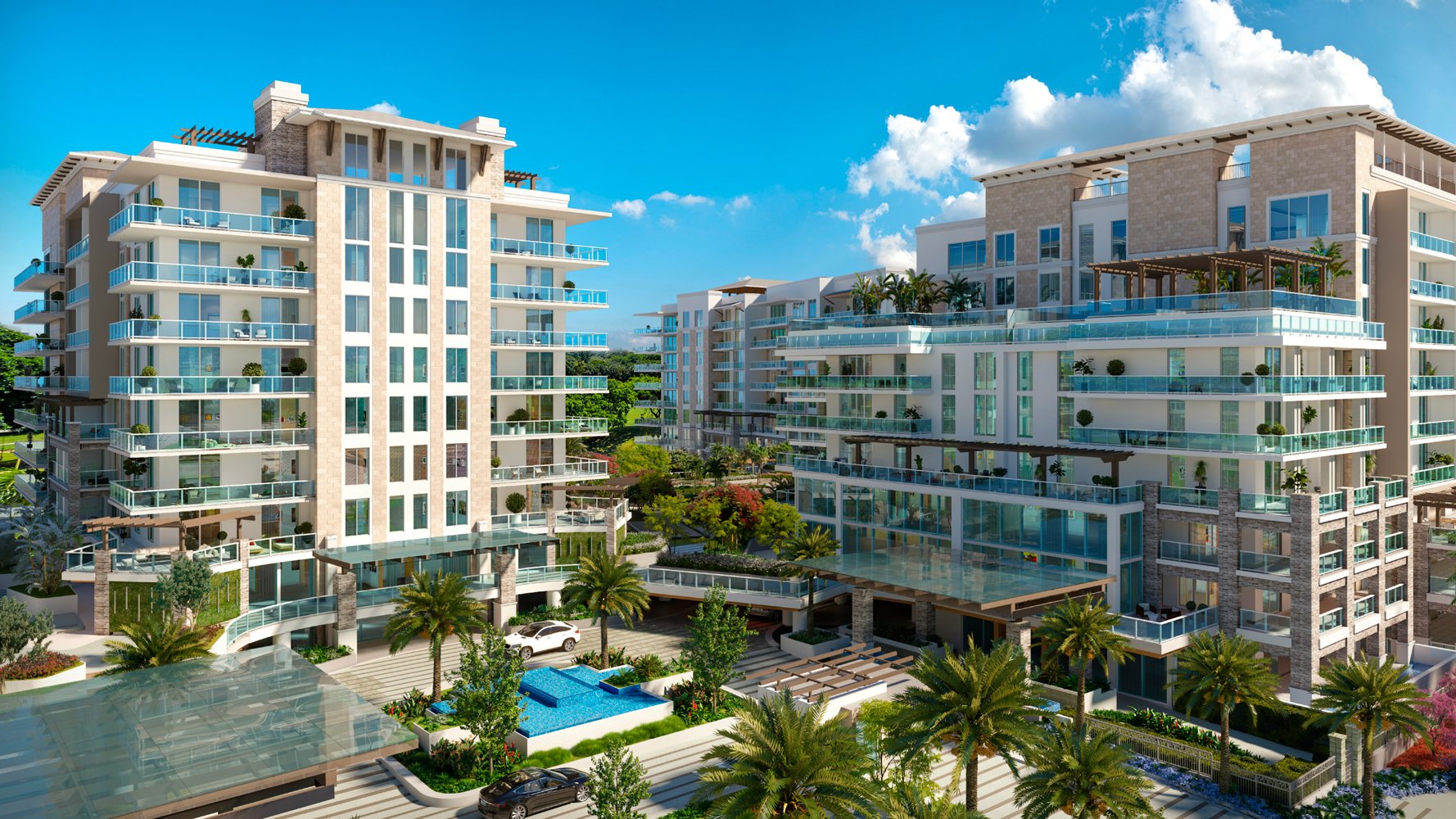
ALINA Residences is a Downtown Boca Raton luxury condominium development totaling 303 residences across three buildings: ALINA 200, 210, and 220. For buyers who want a curated experience without giving up staffing and services, scale is not just a statistic. It can support deeper operations, broader amenity programming, and a building cadence that feels consistently “on.”
The first building, ALINA 200, is reported as a 9-story tower with 121 residences. For today’s buyer, the more consequential detail is that later phases have reached real occupancy milestones. ALINA 210, at 200 SE Mizner Blvd, received an early Temporary Certificate of Occupancy in July 2024 and began closings in early August 2024. ALINA 220 received a Temporary Certificate of Occupancy in January 2025, with closings beginning January 10, 2025.
Those dates are practical decision points. They separate a purchase you can evaluate in finished form from one you are underwriting in advance. For some buyers, that difference is lifestyle. For others, it is strategy.
Glass House is planned as a boutique condominium at 280 E Palmetto Park Road in Downtown Boca Raton. Plans call for a 10-story building with 28 residences. That residence count immediately signals a different ownership experience: fewer neighbors, fewer concurrent resales competing for attention, and typically a quieter tone in lobbies, corridors, and amenity spaces.
The city approved the project in September 2024. Glass House then broke ground in April 2025, which marked the shift from pre-construction to active construction. Public reporting has also noted $9 million in early-work financing from Maxim Capital, with completion targeted in 2027.
Branding has positioned Glass House as the “first and only” modern glass building in Boca Raton. Treat that as a statement of design intent, and verify the details through the offering documents, where specifications and representations are defined.
In a luxury condo purchase, the deposit schedule is not just a payment plan. It is a window into delivery timing, developer leverage, and your own liquidity plan.
For ALINA phase two (ALINA 210 and 220), marketing materials have described a two-step structure: 40% due at contract and 60% due at closing. The advantage is clarity. With closings already underway, that approach can suit buyers who prefer to keep capital working until the keys are within reach.
Glass House marketing has described a staged approach: 25% at contract, 10% due summer 2026, and the balance due at closing. For many pre-construction buyers, staged deposits feel more manageable because commitments are laddered over a longer timeline. The tradeoff is discipline: the longer the horizon, the more important it is to distinguish what is fixed from what may evolve.
In both cases, the only schedule that matters is the one inside your executed contract. Even when marketing is consistent, terms can vary by unit.
Luxury ownership is a monthly decision as much as it is a purchase decision. A publicly visible example listing at ALINA 210 (Unit 303) shows an HOA fee of $4,861 per month as displayed on that listing. That figure should not be treated as representative across the building or across unit types, but it is a useful reminder of how full-service living can pencil once a building is operating.
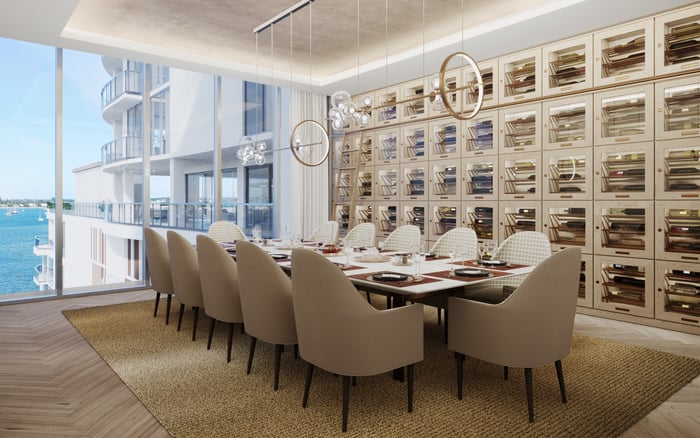
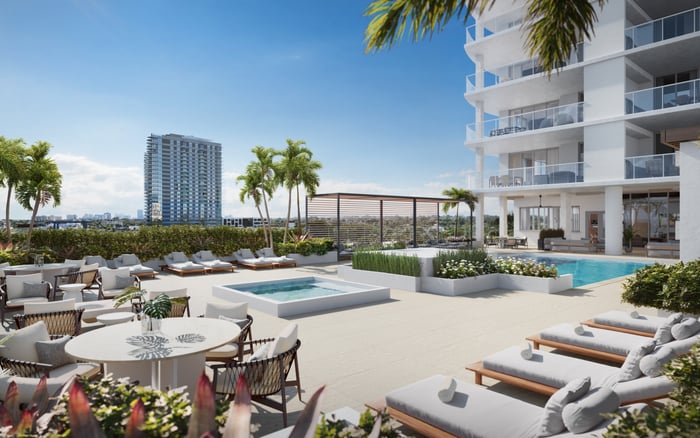
This is where scale and amenity philosophy become concrete. A developer announcement for ALINA 220 highlights a full-service luxury amenity program with pools, spa and wellness, fitness, and concierge-style services. Those features can elevate the lifestyle, and they also live inside the ongoing budget.
Boutique buildings can feel operationally simpler because there are fewer moving parts, but that does not automatically translate into lower monthly fees. With only 28 residences planned at Glass House, buyers should look closely at how costs are allocated and how reserves are projected, since fewer owners share the fixed components of staffing and maintenance.
In Downtown, timing is no longer only about “getting in early.” It is also about choosing the type of certainty you want to purchase.
ALINA is already exhibiting the market behavior that comes with delivery. Current resale and active listings indicate multi-million-dollar pricing in the building, and closings have been underway for the newest phases. Practically, that means a buyer can evaluate finished common areas, service levels, and the lived experience, rather than relying solely on renderings.
Glass House offers a different posture: boutique scarcity, a clearer construction milestone now that ground has been broken, and a completion target that extends into 2027. Some buyers prefer that longer arc because it can align with a planned relocation, an anticipated liquidity event, or a desire to place the purchase within a broader portfolio timetable.
ALINA often fits buyers who want a full-service, amenity-forward building in the heart of Downtown, with the operational cadence of a larger, professionally run condominium. If you value a robust program and a property that functions more like a well-managed private club, the multi-building campus concept can feel reassuring.
Glass House often fits buyers who equate luxury with quiet: fewer residences, fewer decision-makers, and an arrival experience that feels more like an entry hall than a crossroads. It can also appeal to buyers who are comfortable with a longer time-to-enjoyment and want a story that reads as architecturally distinct.
The right choice is rarely about which project is “better.” It is about which friction you will not tolerate: the friction of waiting, or the friction of higher ongoing operations.
The same buyer motivations reshaping Boca Raton are also visible across South Florida, including Palm Beach County, where walkable districts and newer vertical living continue to attract attention. While each market has its own cadence, many buyers now underwrite location as a lifestyle utility first and a status signal second.
If your search expands beyond Boca Raton, it can be helpful to compare how different buildings frame service, privacy, and amenities. Hospitality-adjacent concepts such as Mr. C Residences West Palm Beach and The Ritz-Carlton Residences® West Palm Beach can sharpen your questions for any Downtown purchase, even if you ultimately stay in Boca.
Luxury buyers rarely need more information. They need better questions, asked early.
First, confirm the precise stage of delivery for the residence you are considering and what documentation governs that stage. Temporary Certificates of Occupancy, occupancy permits, and closing readiness are not interchangeable.
Second, treat deposit schedules as a starting point, not a promise. Ensure your contract states timing, remedies, and what happens if schedules shift.
Third, underwrite monthly costs with the same seriousness as the purchase price. Request the most current budget, the reserve approach, and any known near-term operating assumptions.
Finally, reconcile the emotional reason you want Downtown with the practical way you will use it. The strongest condominium purchase is the one that matches how you live on an ordinary Tuesday.
How many residences are planned at ALINA? ALINA Residences totals 303 residences across three buildings: ALINA 200, 210, and 220.
What is the size of ALINA 200? ALINA 200 is reported as a 9-story tower with 121 residences.
When did ALINA 210 begin closings? After receiving its occupancy permit, ALINA 210 began closings in early August 2024.
When did ALINA 220 begin closings? Closings for ALINA 220 began January 10, 2025, following a Temporary Certificate of Occupancy in January 2025.
How sold is ALINA phase two? A developer press release stated ALINA phase two was nearly 80% sold as completion approached.
What deposit structure has been marketed for ALINA phase two? Marketing materials have listed 40% due at contract and 60% due at closing, subject to the executed contract.
How large is Glass House Boca Raton? Plans call for a 10-story building with 28 residences at 280 E Palmetto Park Road.
Is Glass House still Pre-construction? It moved from Pre-construction into active construction after breaking ground in April 2025.
What is Glass House’s targeted completion timing? Public reporting has cited a completion target in 2027.
Where can I get discreet guidance on Downtown options? For private guidance across Boca Raton and West Palm Beach, connect with MILLION Luxury.
If branded residences are on your mind — as a home or as an allocation — we would be glad to share what we are seeing, privately.
Begin a quiet conversation